



Asian Porcelain Dish
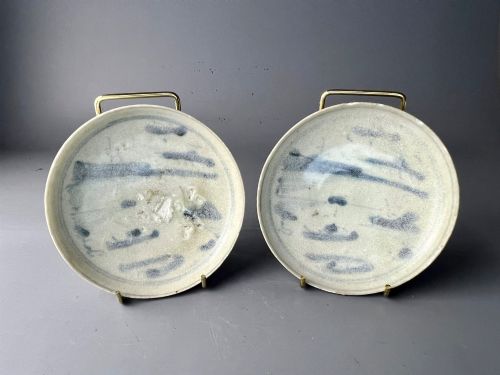
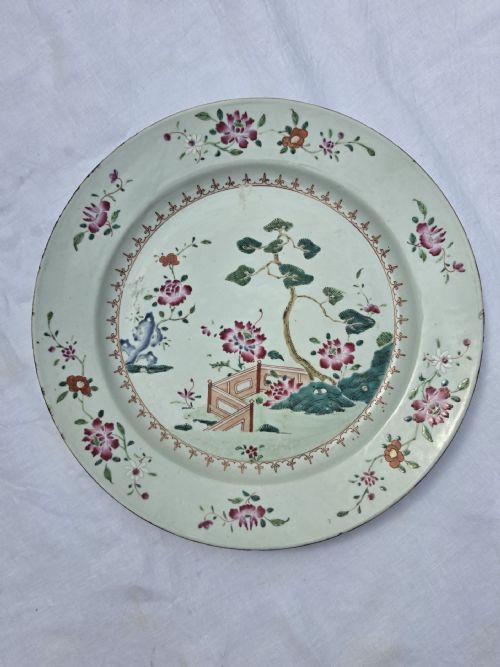
These pieces of asian porcelain dish span centuries of kiln craft from Japan and China, offering intricate hand-painted detail for your table.

Asian Porcelain Dish
An asian porcelain dish brings together centuries of ceramic traditions originating from Japan and China. Buyers searching this phrase encounter forms ranging from deep chargers and scalloped plates to small bowls and clam shell dishes.
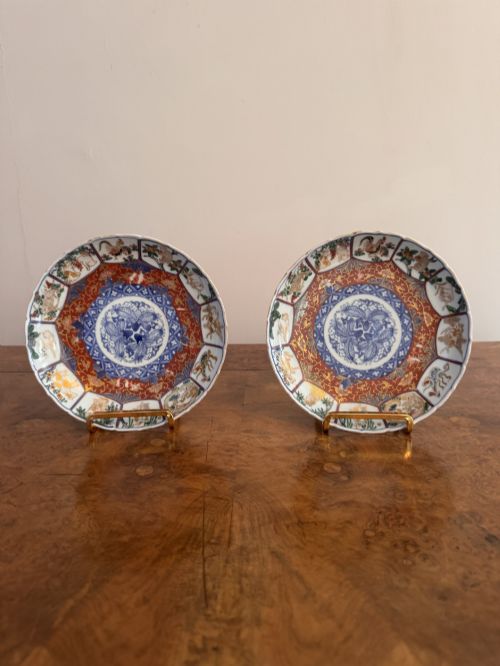
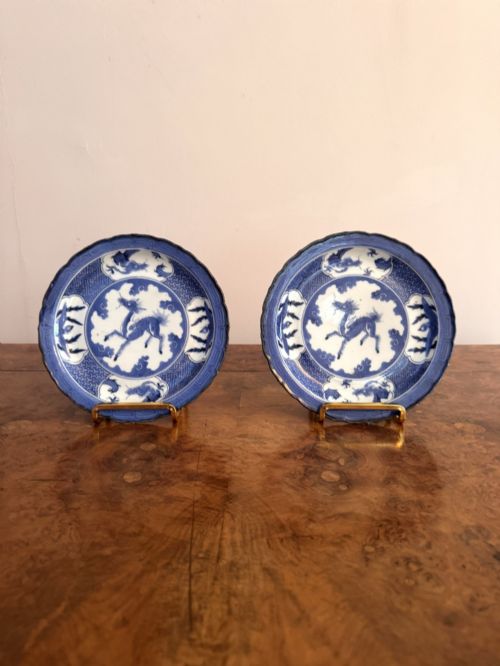
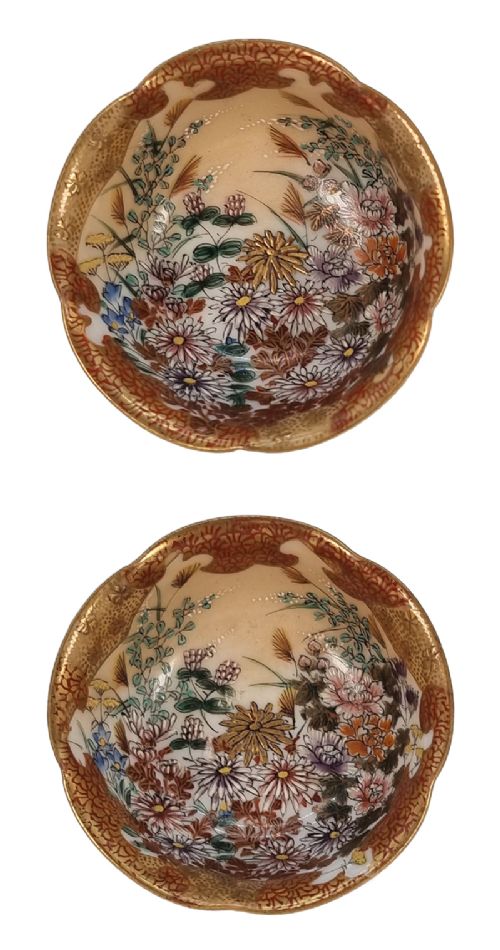
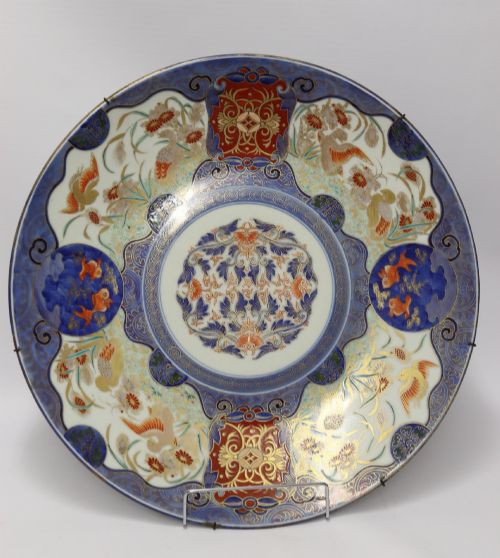
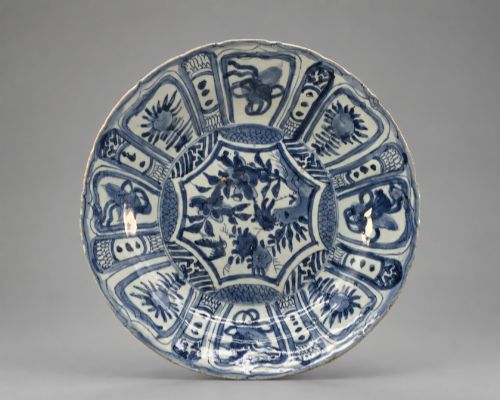
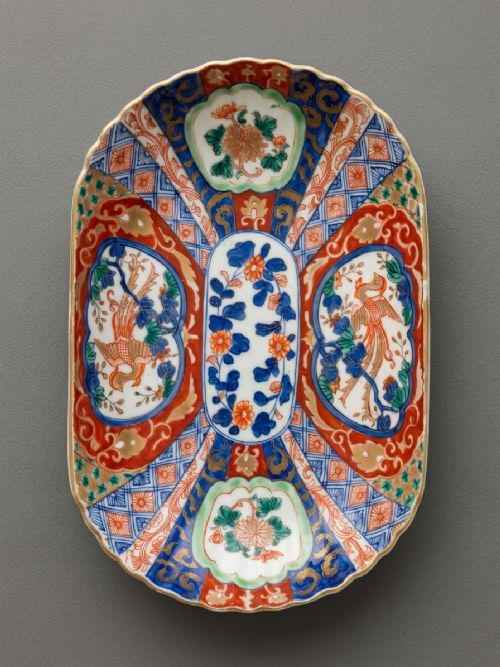
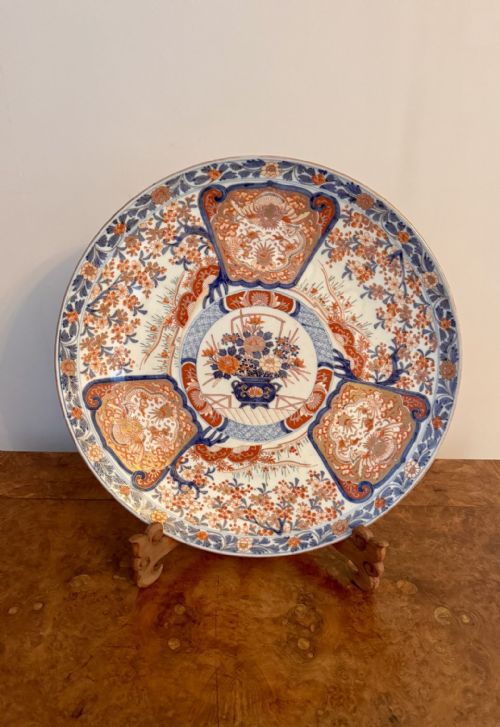
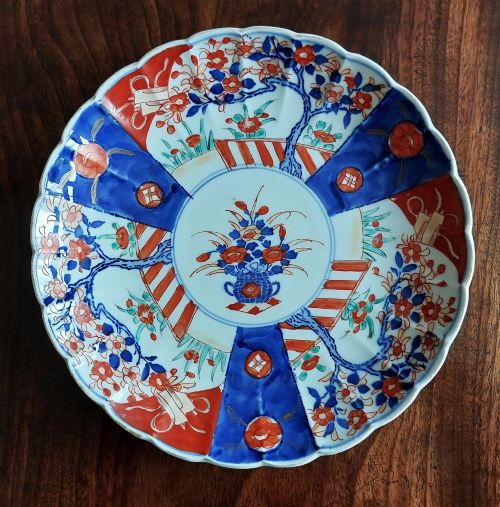
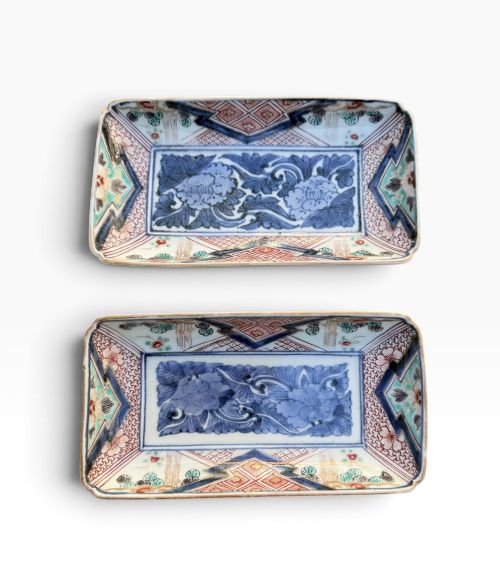
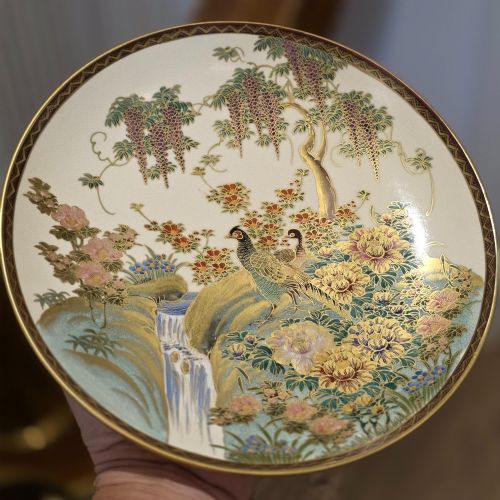
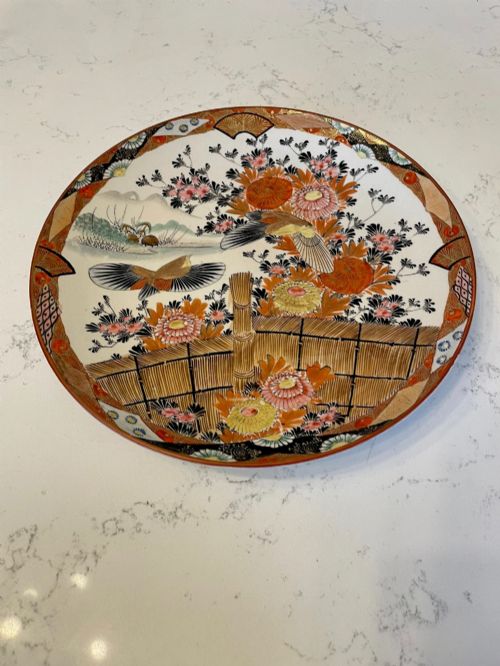
The selections span distinct periods, including the Edo and Meiji eras of Japan alongside Qing and Ming dynasties of China. You are most likely to meet Japanese Imari wares featuring blue and white or polychrome palettes alongside Satsuma and Kutani pieces on this page.
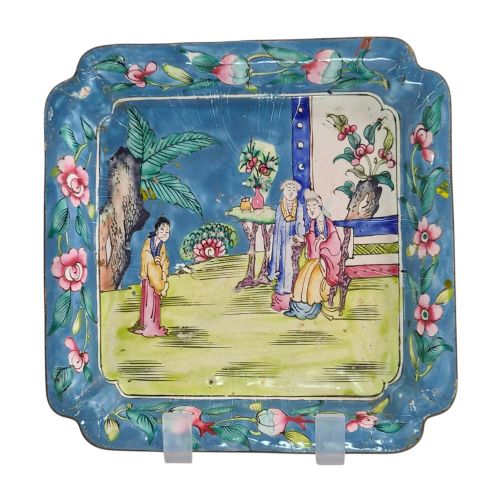
Vessels take many shapes such as decorative plates, hexagonal bowls, and large chargers depicting traditional subjects like the Seven Lucky Gods and exotic birds. Each object reflects the specific aesthetic of its maker, whether imperial Chinese porcelain or Japanese export work.
How they were made
Potters shaped fine porcelain clay before applying underglaze blue pigments and vibrant overglaze enamel colours. Artisans then utilised gold leaf and delicate gilding to highlight intricate surface patterns.
Kiln workers fired these pieces at high temperatures to achieve durable ceramic bodies and glossy translucent glazes. Skilled painters applied hand-painted motifs ranging from floral arrangements to complex figurative scenes prior to final firing.
Asian Porcelain Dish Retail Price Guide 2026
Typical asking prices for asian porcelain dish among the pieces listed under this phrase on Sellingantiques today, from the lower quarter to the upper quarter. They describe what is for sale here now, not the wider market.
Several plates depict exotic birds observing daily life with quiet judgment.
What varies in quality
Execution of the hand-painted decoration separates standard production pieces from masterworks. Precision in brushwork, complexity of the enamel palette, and the careful application of gilt define the upper tier of the range.
The clarity of the porcelain body and the refinement of the glaze application also distinguish finer examples. Potters who exercised superior control during the high-temperature firing produced pieces with minimal distortion and crisp surface detail.
Koshida·Gyokkō·Kozan
The Asian Porcelain Dish Glossary
- Imari
- A style of Japanese porcelain decorated in underglaze blue, iron red, and gold, named after the port from which it was shipped.
- Satsuma
- A type of Japanese earthenware featuring a ivory-coloured cracked glaze decorated with polychrome enamels and extensive gilding.
- Kutani
- Japanese porcelain or pottery traditionally recognised by bold pictorial designs utilising a rich palette of greens, blues, reds, and gold.
- Charger
- A large decorative plate or dish historically used for serving food or displayed upright on sideboard furniture.
- Underglaze
- A method of decorating pottery in which pigments are applied directly to the unglazed ceramic body before the transparent glaze layer is added.
Asian Porcelain Dish: Frequently Asked Questions
How do I identify Imari porcelain?
Imari pieces typically display a distinct palette combining underglaze cobalt blue with iron red and gilt highlights on a white porcelain body. Motifs often incorporate floral arrangements, landscapes, and traditional Japanese imagery.
These wares were produced extensively during the Edo and Meiji periods for both domestic use and export to Western markets.
Were these dishes used for dining?
While many porcelain dishes and bowls served practical functions in daily life, larger chargers were often intended primarily for display. Their intricate hand-painted surfaces made them centrepieces in formal rooms.
Plates and smaller bowls saw use at table, though surviving examples in good condition frequently spent much of their existence as decorative objects.
How do I care for antique porcelain?
Wash antique porcelain gently by hand using lukewarm water and mild soap when cleaning is necessary. Avoid abrasive sponges or harsh chemicals that might damage delicate overglaze enamels and gold leaf.
Display pieces securely away from high-traffic edges where accidental bumps could cause chips or fractures to the ceramic body.
What is the difference between Satsuma and Kutani?
Satsuma wares are characterised by an earthenware body with a fine crackle glaze decorated in detailed enamel and gilt motifs. Kutani pieces are predominantly porcelain featuring bold, colourful pictorial compositions.
Both styles developed distinct aesthetic identities during the Meiji period, reflecting the height of Japanese ceramic artistry.