


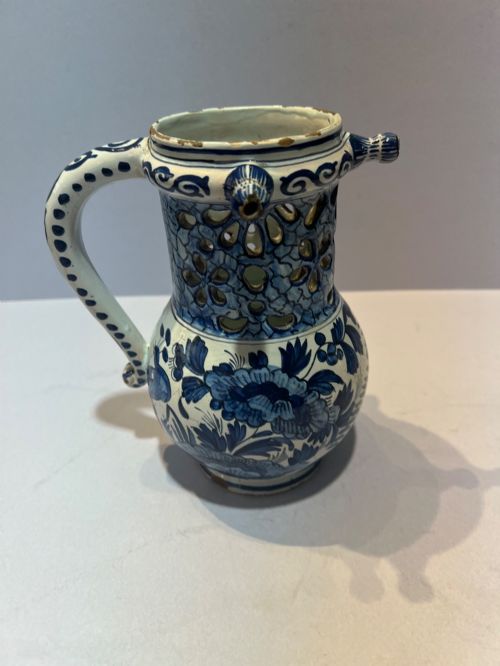
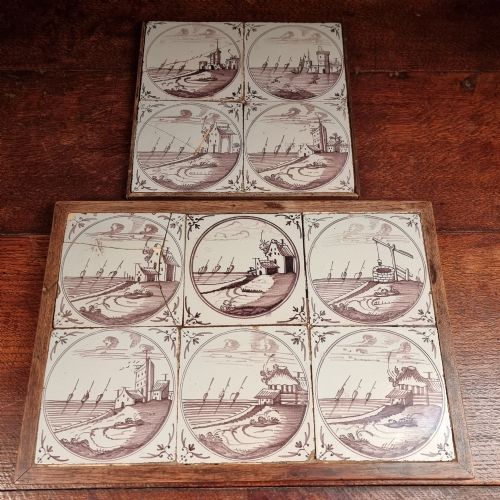
Antique Tin Glazed Earthenware
These antique tin glazed earthenware pieces bring historic Dutch, English, French, and Italian ceramic traditions directly into your home.
Identifying antique tin glazed earthenware
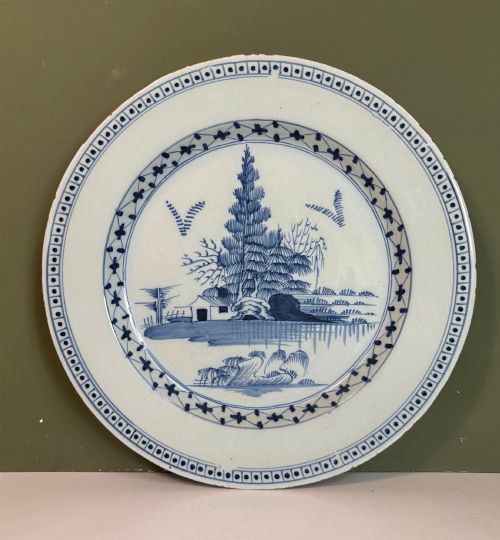
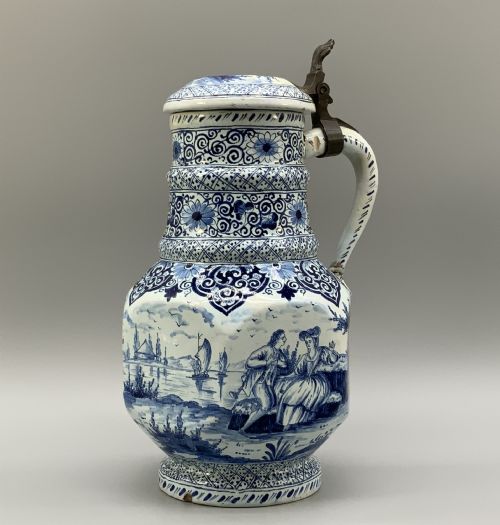
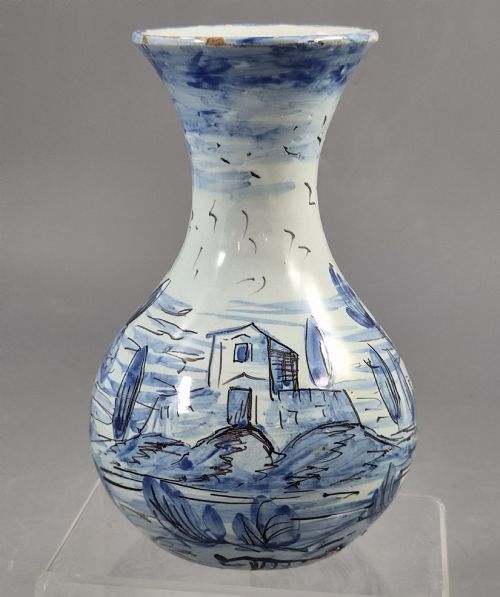
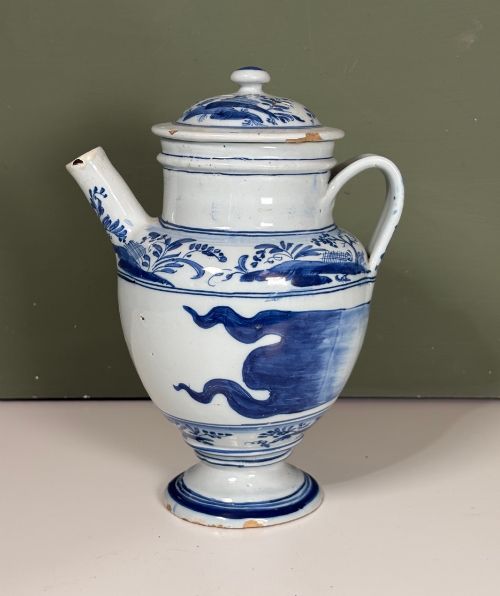
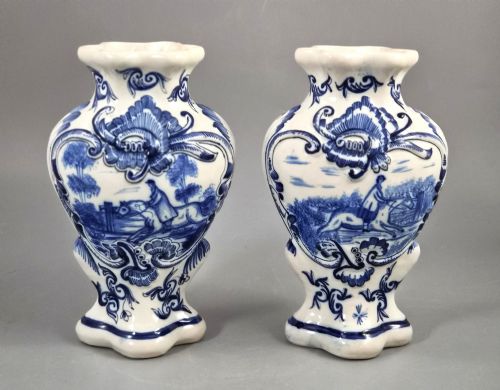
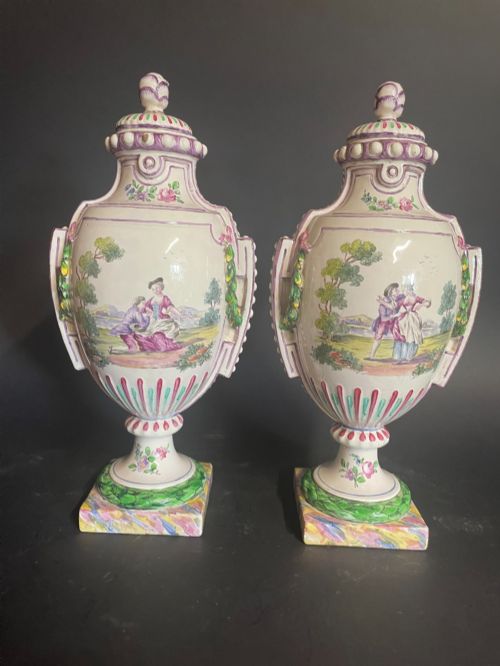
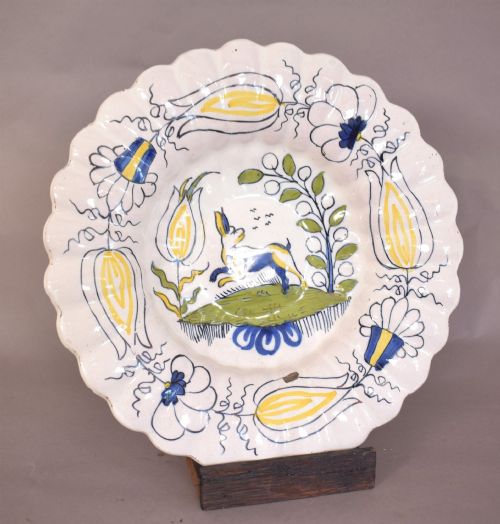
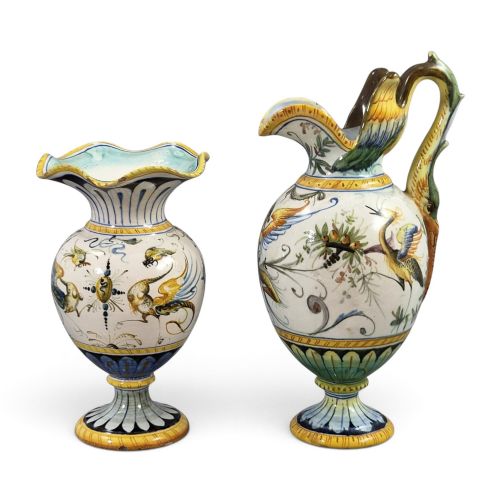
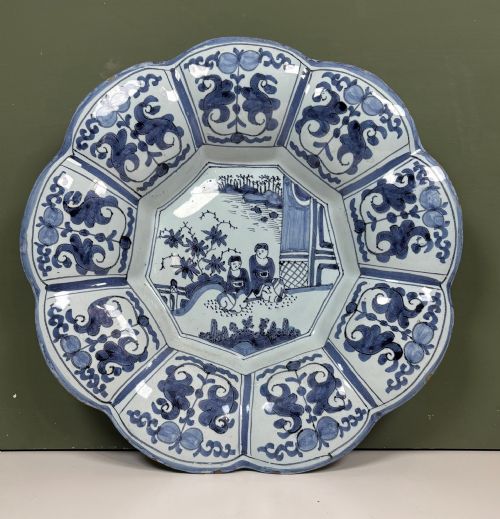
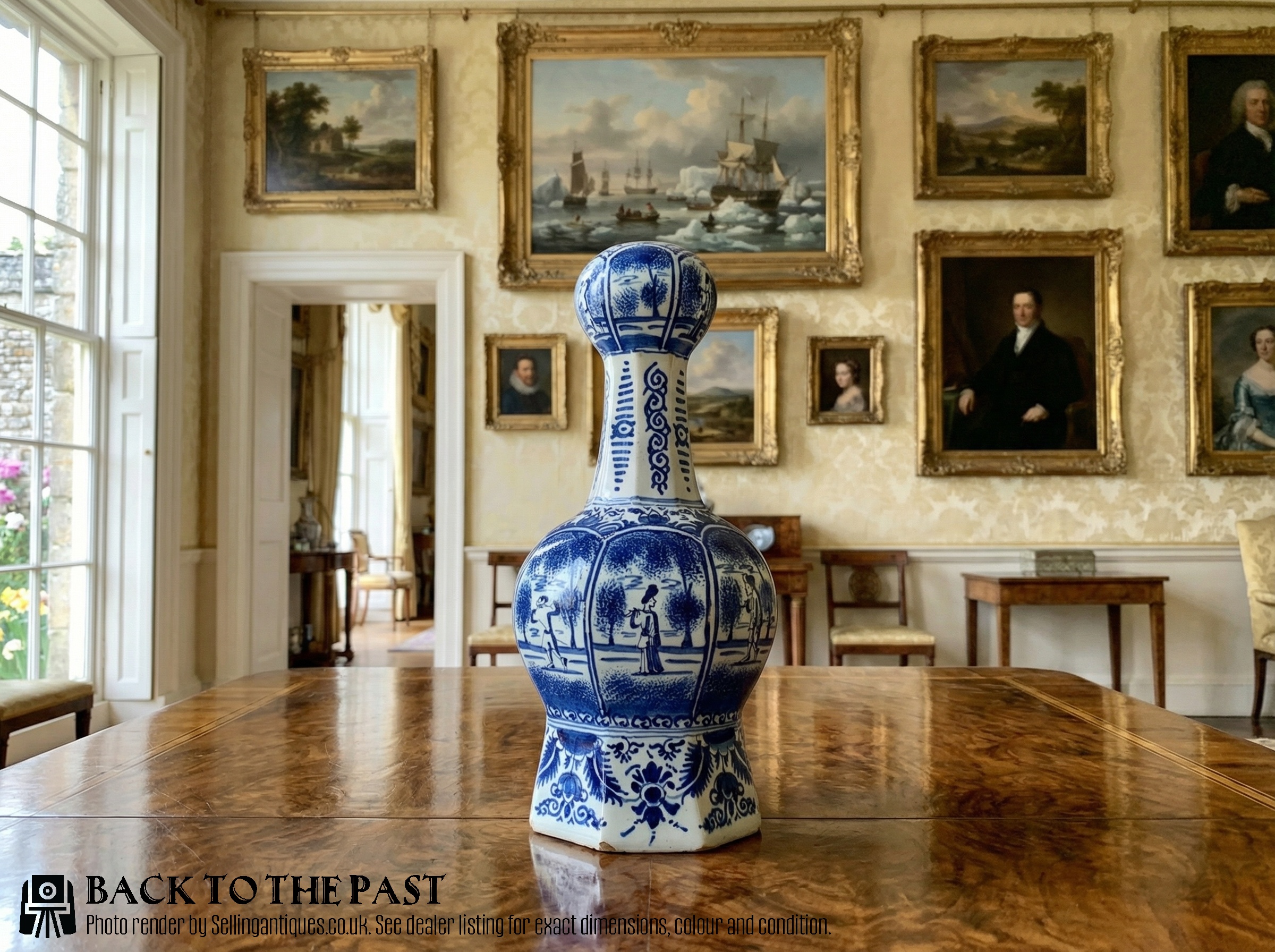
When you search for antique tin glazed earthenware, you are looking at centuries-old ceramic vessels and plates coated with an opaque white metallic glaze. The pieces available here span from the seventeenth century through to the nineteenth century, encompassing European centres such as Lambeth, Sceaux, and Delft. You will most frequently encounter decorative plates, chargers, and vases originating from Dutch workshops.
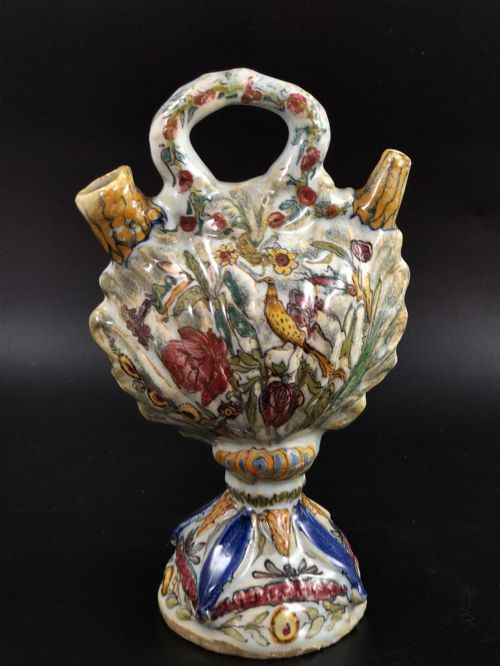
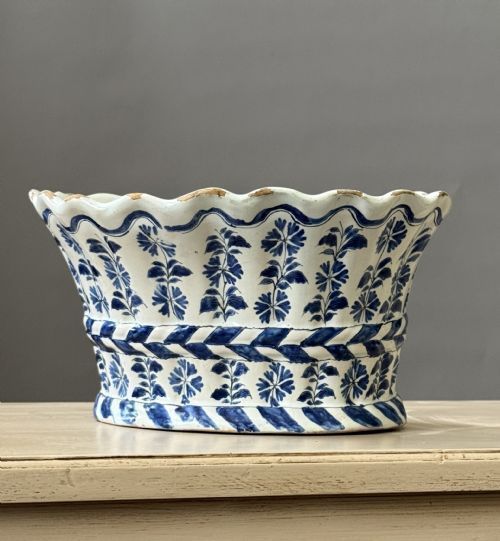
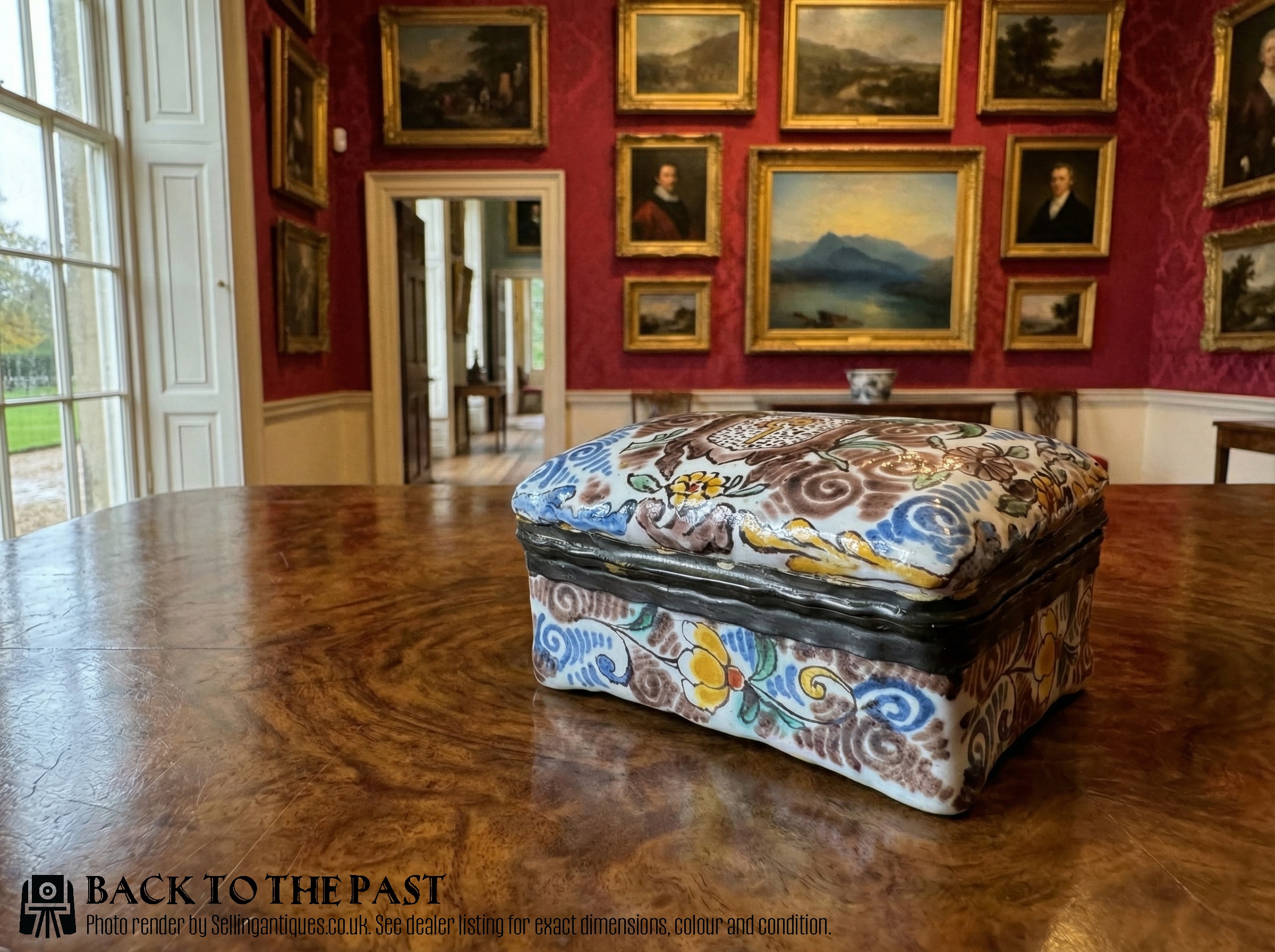
The forms range from large grand feu chargers and lobed dishes to small snuff and patch boxes, sweetmeat presentiers, and lidded urns. Stylistic influences vary widely across these items, drawing heavily upon Dutch Baroque, French Rococo, and Chinoiserie designs. Cobalt pigment and manganese feature prominently among the decorative palettes used across these eras.
Materials and construction
Makers formed these objects using basic earthen clays before applying a specialised tin glaze that dried to an opaque white surface. Artisans then painted directly onto this porous unfired or raw glaze using metal oxides, primarily cobalt pigment for blue and manganese for purple-brown tones.
Firing techniques determined whether colours remained soft under the glaze or fused during high-temperature grand feu processes. The resulting ceramic body combined local earthenware with imported decorative styles, often finished with metal mounts on smaller items like snuff boxes.
Retail Price Guide 2026
Typical UK retail prices for tin glazed earthenware, calculated from the Sellingantiques database of over a million retail prices indexed since 2003. This retail price guide relies exclusively on Sellingantiques data; no external sources or auction records are used, so the figures do not describe the wider market.
Materials represented in the current selection include ceramic earthenware, tin glaze, cobalt pigment, manganese, and metal.
Assessing quality in tin glazed ceramics
Quality in these ceramics rests upon the crispness of the painted brushwork and the stability of the glaze during firing. Superior pieces display confident, detailed brushstrokes in cobalt or polychrome pigments, whereas simpler items show softer lines and pooling glaze.
The ambition of the form also separates standard production from exceptional works, such as large lobed dishes and lidded vases versus smaller utility wares. The depth of historical style execution, from intricate Chinoiserie scenes to balanced French Rococo motifs, dictates the standing of each piece.
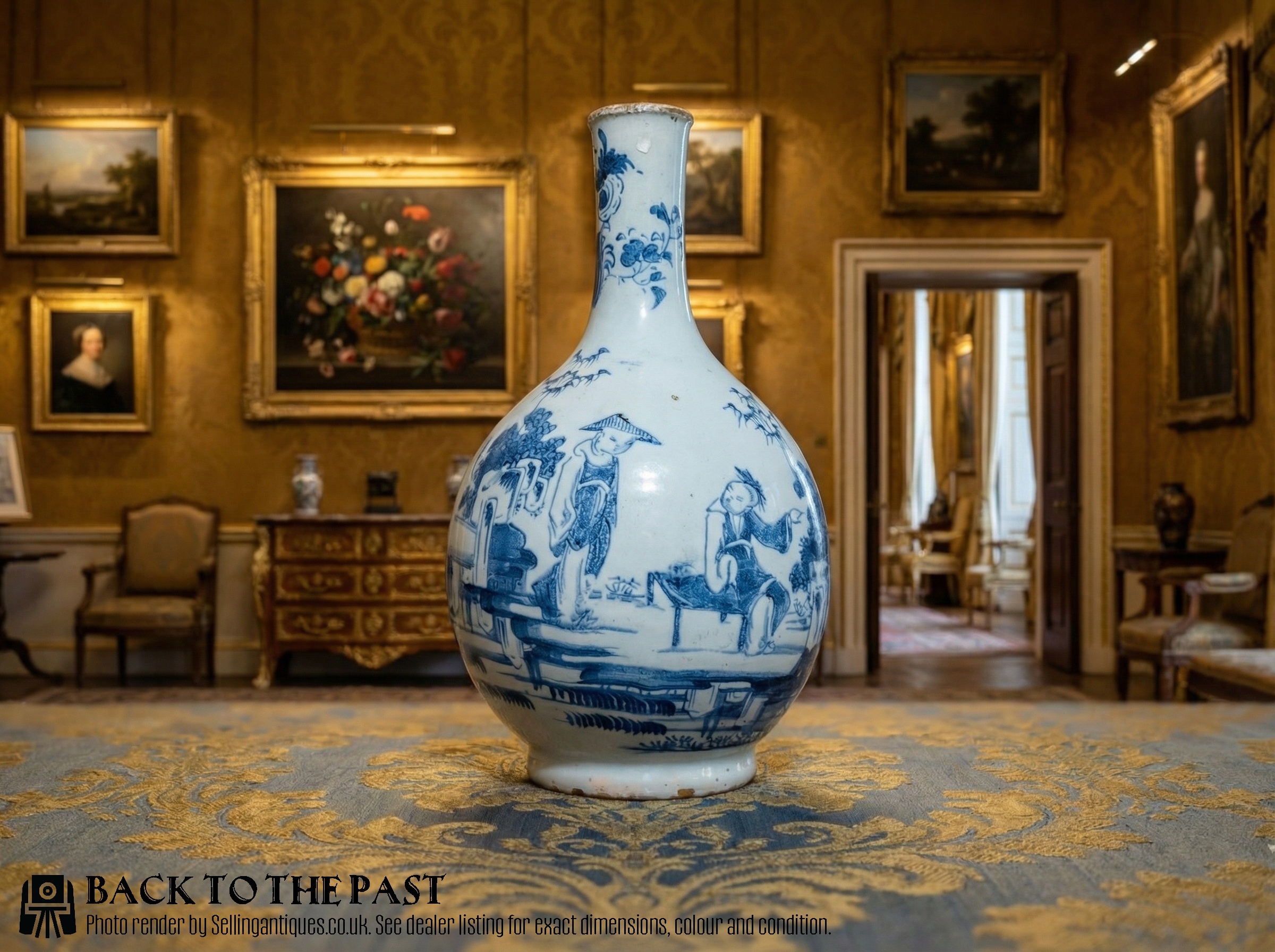
Lambeth Pottery·Sceaux Faience
The Antique Tin Glazed Earthenware Glossary
- Tin-Glazed Earthenware
- Pottery covered with a lead glaze made white and opaque by the addition of tin oxide. This creates the smooth pale ground necessary for painted decoration.
- Faience
- A European term for tin-glazed earthenware, particularly associated with French and Italian production centres. It often describes decorative plates, urns, and vessels.
- Delftware
- Tin-glazed earthenware made in the Netherlands or England, famous for blue and white designs inspired by imported Chinese porcelain. This tradition includes chargers, bottles, and sweetmeat dishes.
- Grand Feu
- A high-temperature ceramic firing technique that allows cobalt and other pigments to fuse directly into the raw glaze. This method produces durable colours with a distinct surface sheen.
- Polychrome
- Decoration employing multiple colours rather than a single pigment like blue or manganese. On these pieces, this typically involves a palette of several distinct hues on a white tin glaze.
Frequently Asked Questions
What is tin glazed earthenware?
Tin glazed earthenware is pottery covered in an opaque white glaze that provides a smooth canvas for painted decoration.
Potters across seventeenth and eighteenth-century Europe utilised this technique to imitate prized Chinese porcelain.
Where were these pieces made?
These items originated primarily in European production centres including Dutch towns, English potteries like Lambeth, and French workshops.
Trade routes and migrating artisans helped spread these specific tin-glazing and painting techniques across the continent.
How do I date a piece?
Dating relies on comparing the ceramic form, pigment tones, and stylistic markers such as Dutch Baroque or Chinoiserie motifs.
Changes in glaze thickness and painting execution help distinguish seventeenth-century vessels from later eighteenth-century examples.