






Antique Porcelain Wall Charger
These antique porcelain wall charger selections bring grand decorative plates from Japanese export workshops and European kilns straight to your walls.
Antique Porcelain Wall Charger
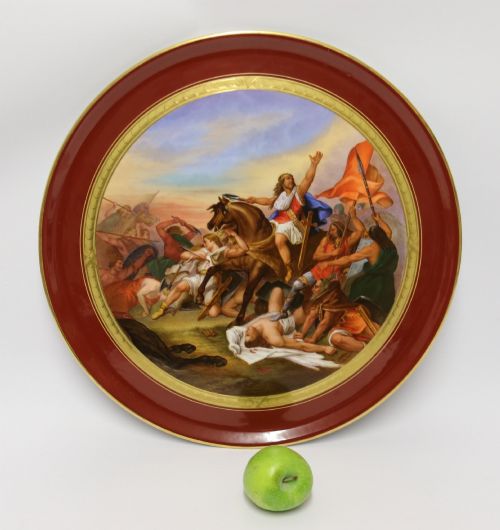
An antique porcelain wall charger is a large decorative dish meant for display rather than dining. When searching for an antique porcelain wall charger, collectors encounter heavy earthenware, tin-glazed Delftware, and hard-paste porcelain pieces designed to be hung or set on cabinets.
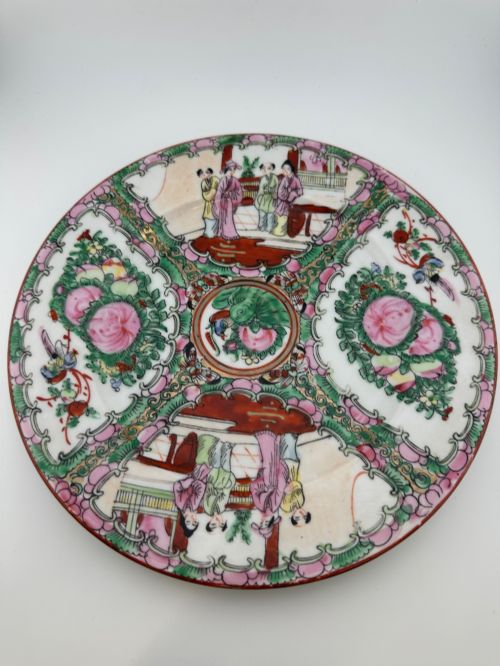
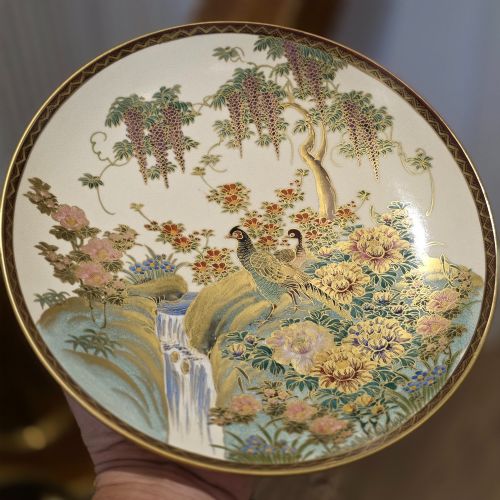
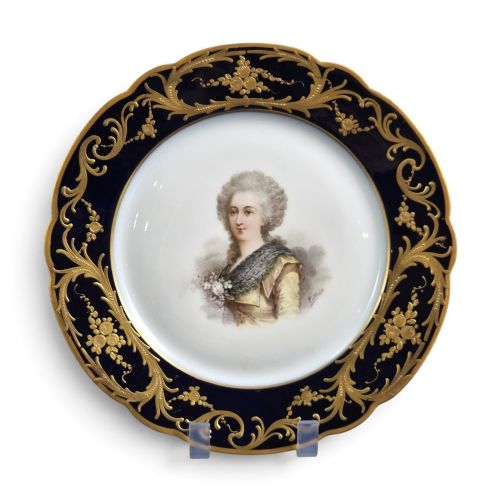
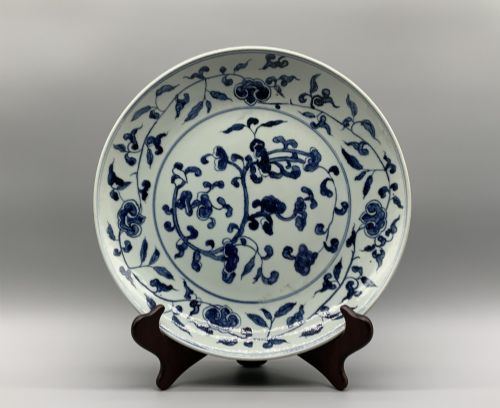
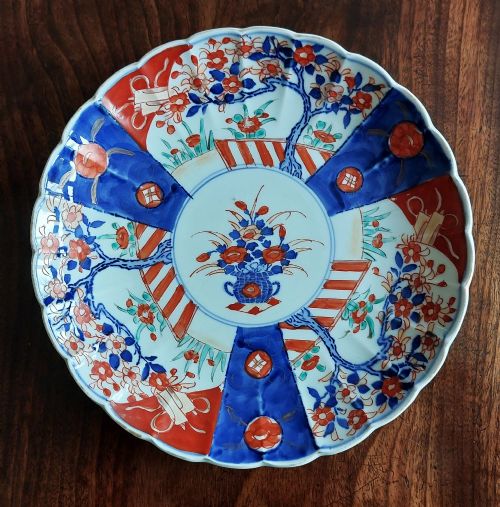
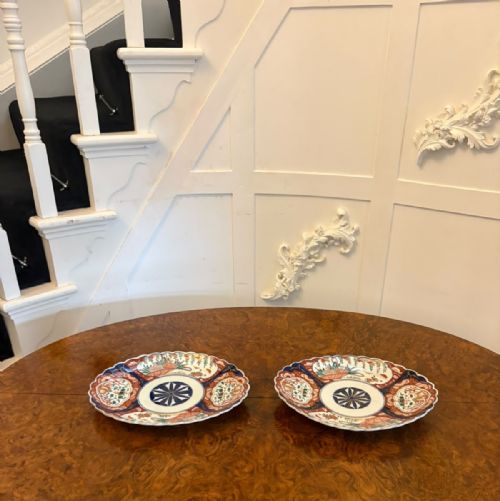
The selection ranges from eighteenth-century Chinese export porcelain and Dutch Delft platters to late nineteenth-century Japanese Imari chargers and Victorian European portrait plates. Japanese Imari examples from the Meiji period appear frequently alongside Chinese Kangxi and Qianlong pieces.
How they were made
Potters shaped clay on wheels or pressed it into moulds, applying cobalt pigment under the glaze before a high-temperature firing. Many pieces received secondary overglaze enamels and gilding, which required an additional low-temperature kiln firing to bond the colours.
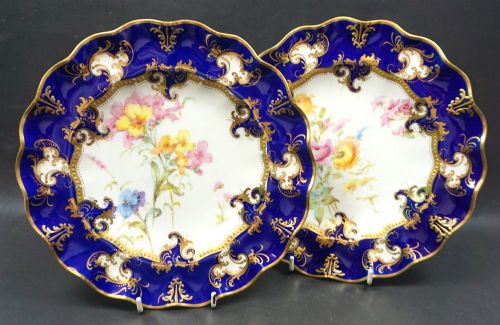
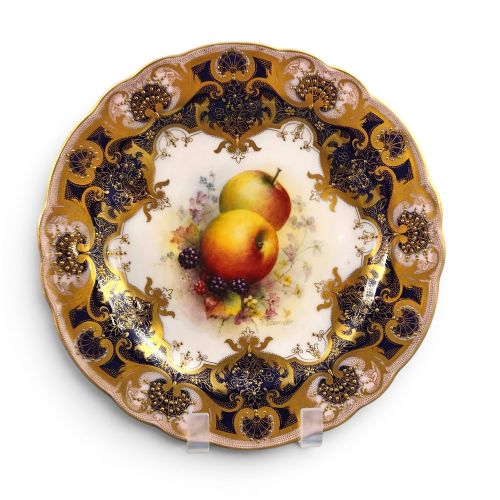
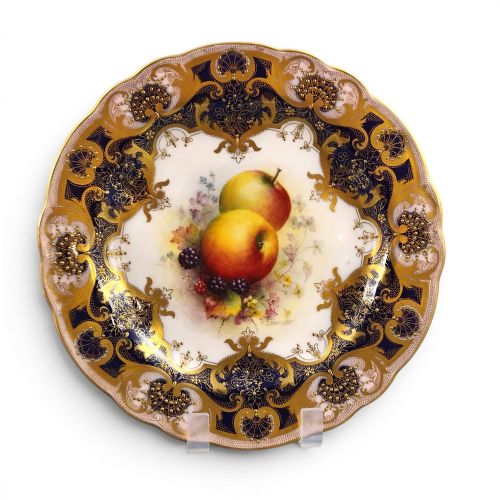
European factories such as Sèvres, Meissen, and Royal Worcester utilised hand-painted enamels and gold leaf on white porcelain bodies. Japanese makers in Arita and Satsuma combined cobalt blue underglazes with rich iron red and gilt details.
Materials recorded across these items include porcelain, earthenware, cobalt pigment, gold leaf, and enamel.
What varies in quality
The standard of painting determines the merit of a piece, separating mechanical production from skilled brushwork. Hand-painted botanical studies, armorial crests, and detailed figural scenes show precision and depth that transfer-printed or hastily decorated wares lack.
The crispness of the moulding and the purity of the white ceramic body also differentiate standard production from finer cabinet pieces. Glaze consistency, minimal kiln distortion, and well-preserved gilding indicate superior workshop standards.
Koshida·Royal Bonn·Royal Crown Derby·Royal Worcester·John Davenport of Longport·Copeland·Meissen·Pucher Deroche
The Antique Porcelain Wall Charger Glossary
- Charger
- A large ornamental plate intended for display on a wall, sideboard, or cabinet rather than for table service.
- Imari
- A Japanese style of porcelain featuring a distinct palette of underglaze cobalt blue, iron red, and gold, originating in Arita.
- Delftware
- Tin-glazed earthenware produced in the Netherlands, famous for blue and white Chinoiserie and floral motifs.
- Cabinet Plate
- A small decorative ceramic dish made specifically for display within a collector's cabinet or room.
- Moriage
- A Japanese decorating technique using raised slip to create textured, dimensional patterns on pottery and porcelain.
Antique Porcelain Wall Charger: Frequently Asked Questions
How do I hang a heavy antique charger?
Displaying a large plate safely requires a properly sized spring-loaded brass wall hanger that distributes weight evenly across the rim. Ensure the mounting hook fixes securely into wall studs or uses appropriate wall anchors.
Avoid wire or adhesive disc hangers that place stress on historical ceramic bodies or old glazes over time.
How do I tell Chinese export from Japanese Imari?
Chinese export porcelain from the eighteenth century typically relies on Famille Rose enamel palettes or fine underglaze blue painting with delicate export motifs. Japanese Imari pieces from the Meiji period feature a denser combination of cobalt blue, iron red, and heavy gilding.
Examining the foot ring and paste composition also helps separate the Chinese ceramic bodies from Japanese Arita wares.
Were these chargers used for dining?
Large chargers served functional roles on dining tables during earlier centuries, but many survived precisely because owners kept them as decorative showpieces. Pieces featuring delicate overglaze enamels, gold leaf, or raised moriage were made primarily for visual display.
Wall mounting holes found on the foot rings of older Delft and earthenware chargers confirm their intended display use.