

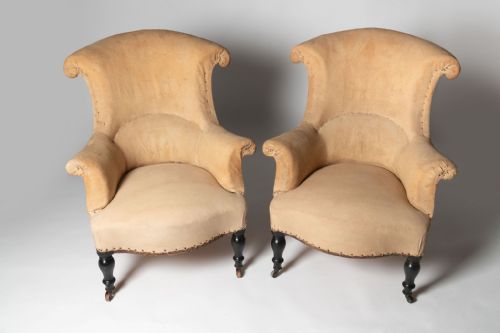
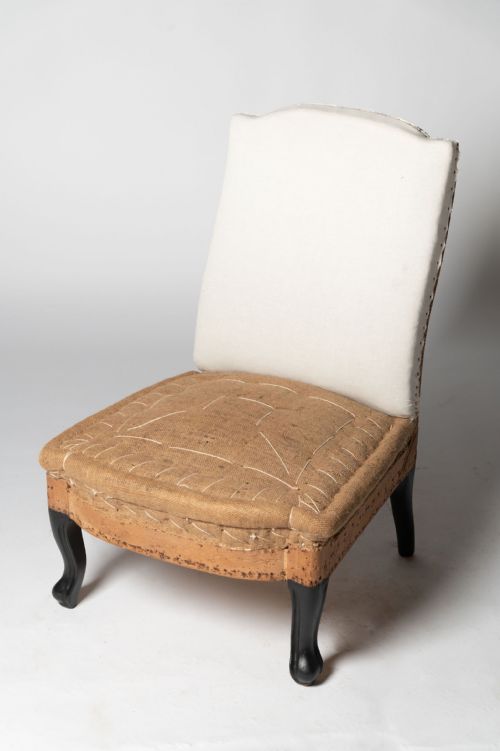
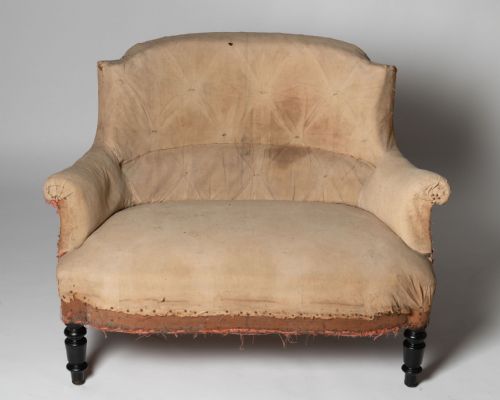
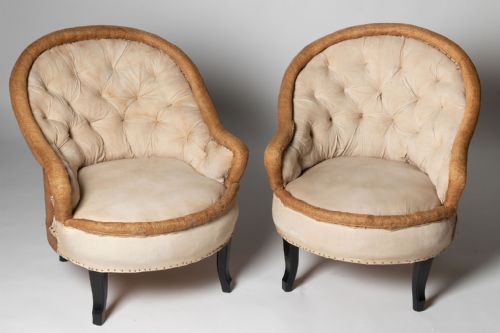
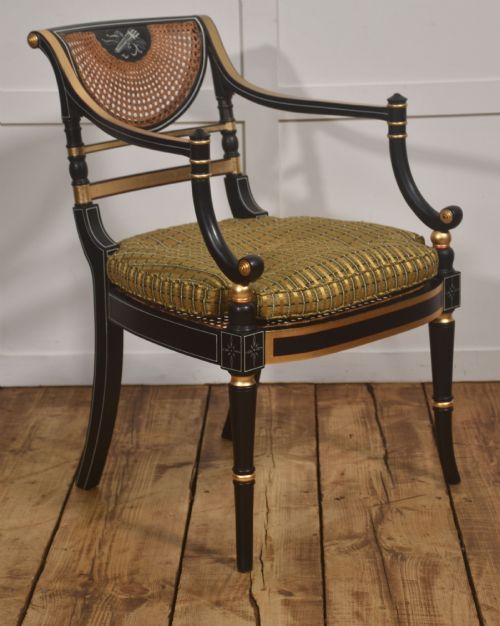
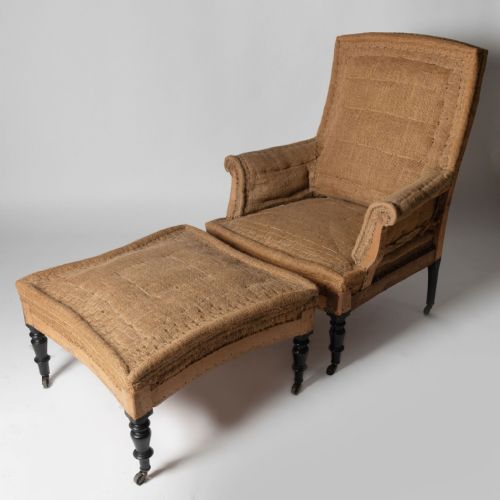
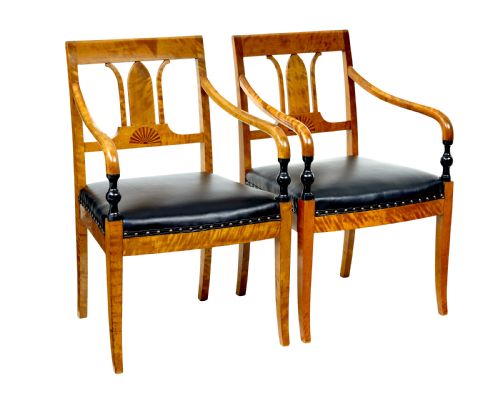

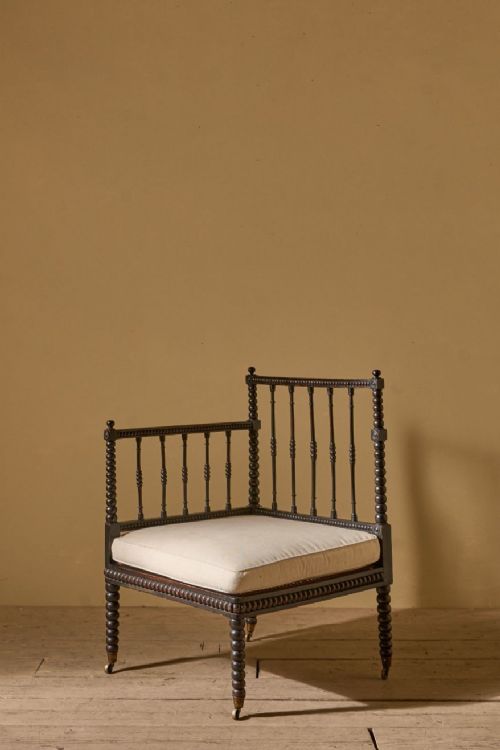
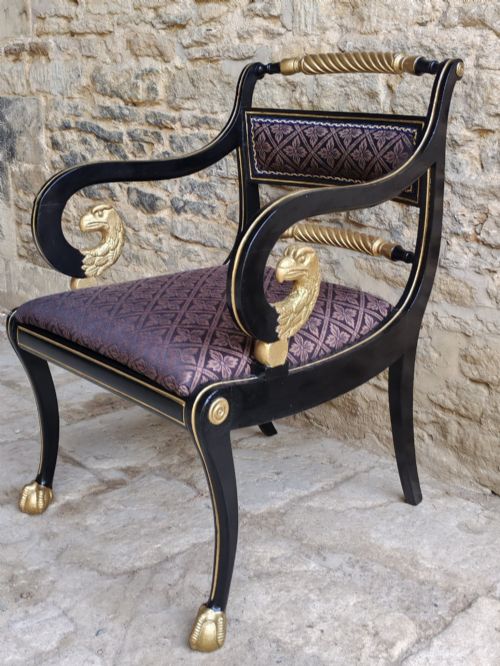
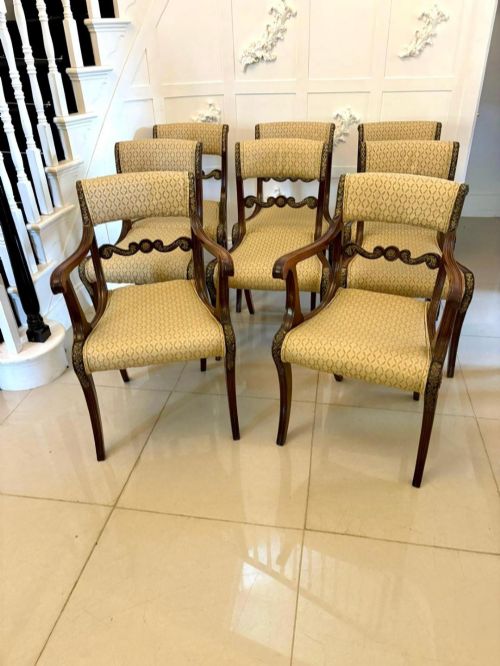
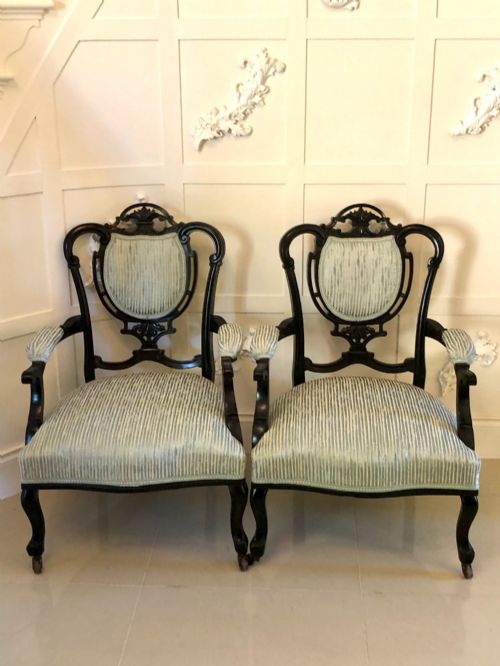
Antique Ebonised Armchair
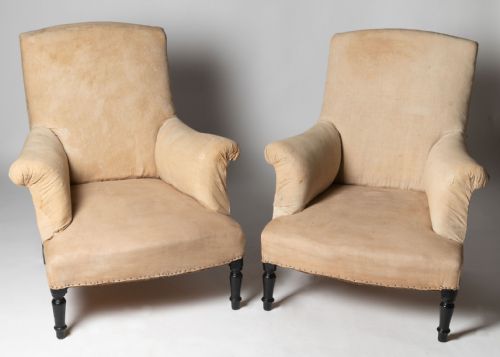
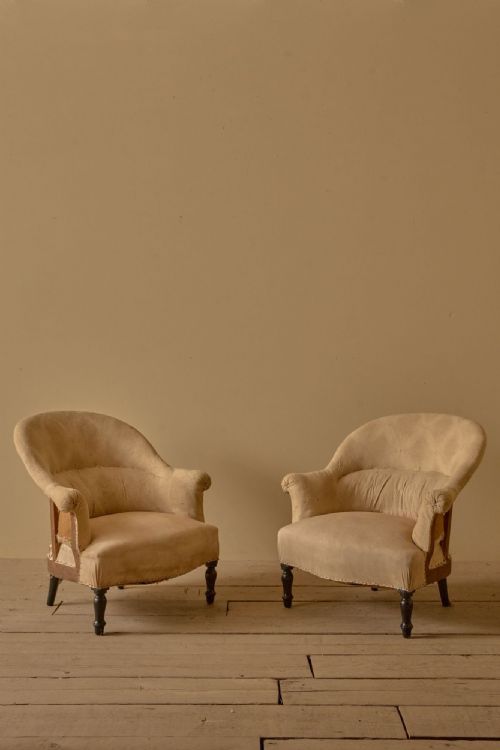
An antique ebonised armchair brings deep, dark polish and striking form to a room, offering both historic character and robust seating.
Antique Ebonised Armchair
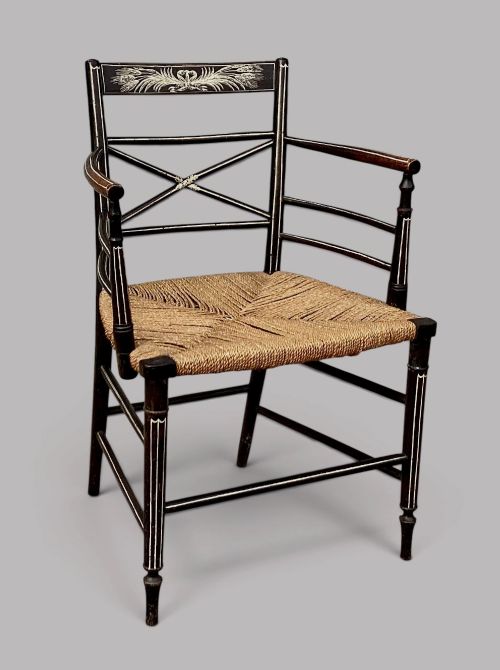
When you search for an antique ebonised armchair, you encounter seating finished in dark, black-stained wood that mimics expensive ebony. These chairs span several periods, most notably the nineteenth century, Victorian era, and Regency period.
The selection ranges from low salon chairs and library armchairs to corner chairs and tub chairs. You frequently meet pieces influenced by the Aesthetic Movement, Napoleon III designs, and French revival styles.
Makers utilised various timbers beneath the dark finish, shaping forms that suit studies, drawing rooms, and bedrooms alike.
How they were made
Craftsmen built these frames using beech, birch, mahogany, or ash, applying a dark ebonising stain or lacquer to achieve a uniform, deep black appearance. Some pieces incorporate gilding, brass details, or simulated rosewood graining beneath the finish.
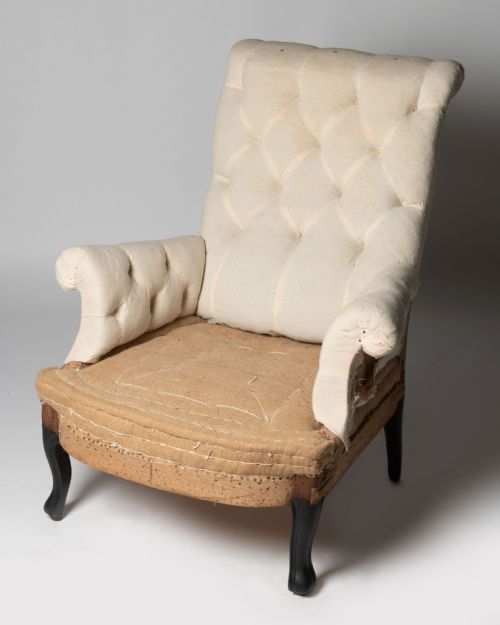
Upholstery techniques varied widely according to the period, employing traditional stuffing with calico, hessian, velvet, or fabric coverings. Turned elements, such as bobbin-moulded members, required precise lathe work by skilled joiners.
Antique Ebonised Armchair Retail Price Guide 2026
Typical asking prices for ebonised armchair among the pieces listed under this phrase on Sellingantiques today, from the lower quarter to the upper quarter. They describe what is for sale here now, not the wider market.
What varies in quality
Quality rests in the crispness of the turned details, the integrity of the frame construction, and the retention of the original ebonised finish. Pieces with documented attribution to notable workshops command greater attention from collectors.
The choice of upholstery materials and the survival of period fabric or traditional stuffing distinguish standard regional items from exhibition-grade seating. Balance in proportion and subtlety in carved or gilded accents separate simpler domestic chairs from grander salon pieces.
Morris & Co·Philip Webb·Gillows·William Morris
The Antique Ebonised Armchair Glossary
- Ebonised
- Wood stained or painted black to imitate costly ebony timber. This finish gained immense popularity during the Victorian and Aesthetic Movement periods.
- Bobbin
- A turning style resembling a string of spools or bobbins joined end to end. It appears frequently on nineteenth-century chair legs and arm supports.
- Bergère
- An enclosed upholstered armchair with wooden framing exposed around the sides and back. These often feature cane panels or tight upholstery.
- Aesthetic Movement
- A nineteenth-century design style emphasising visual beauty over narrative subject matter. Furniture from this movement often displays ebonised surfaces with gilt highlights.
- Cockpen
- A Chinese Chippendale chair design characterised by an open lattice grid back. This form appears in various British and Edwardian seating adaptations.
Antique Ebonised Armchair: Frequently Asked Questions
What is an ebonised armchair?
An ebonised armchair is a wooden seat finished with a black stain or lacquer to simulate expensive ebony. This treatment became widely fashionable across the nineteenth century.
Craftsmen applied this dark finish to various chair styles, ranging from simple corner chairs to grand library armchairs.
How do I date an antique armchair?
Dating relies on examining the underlying wood, the joinery methods, and the stylistic cues of the frame. Victorian, Regency, and Aesthetic Movement pieces each display distinct design proportions.
Comparing the turning patterns and upholstery foundations helps place the chair within its correct nineteenth-century or early twentieth-century context.
Were these chairs used in libraries?
Library armchairs provided sturdy, comfortable seating for reading rooms and studies during the Regency and Victorian periods. They often featured wider proportions and supportive armrests.
Owners placed them beside bookshelves and writing desks for daily academic or literary use.
How do I care for ebonised wood?
Ebonised surfaces require gentle dusting with a soft, dry cloth to protect the dark finish from scratching. Avoid placing these chairs in direct sunlight or near heat sources.
Applying occasional appropriate wax preserves the sheen without clouding the dark stain.