


Ebonised Wooden Chair
An ebonised wooden chair brings dark elegance to a room, offering both striking visual contrast and historical character.
Ebonised Wooden Chair
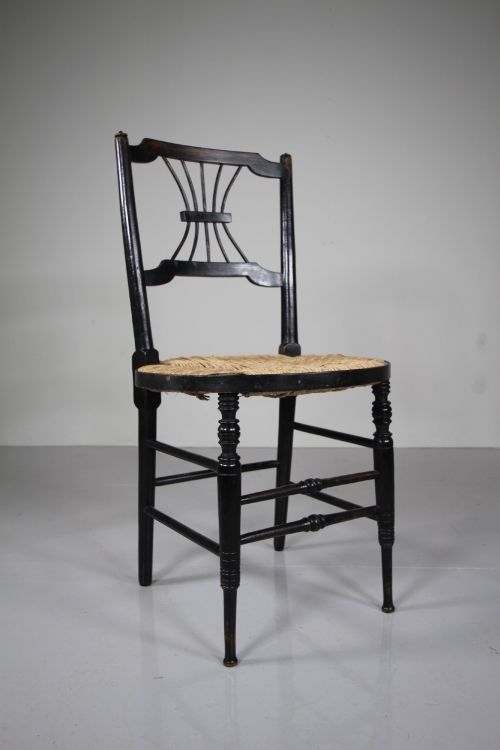
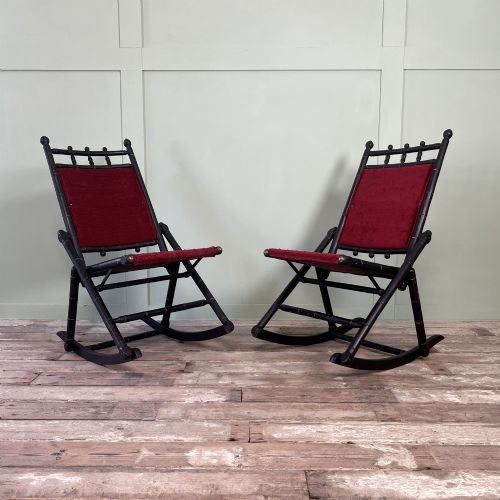
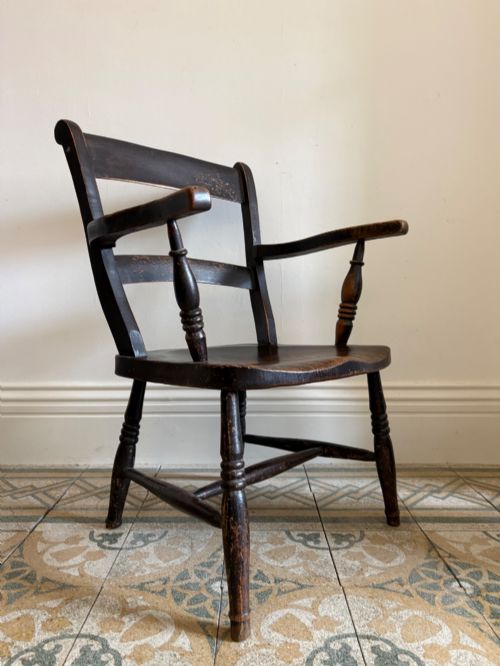
An ebonised wooden chair is a seating piece finished to resemble ebony, spanning various historical eras from the eighteenth century to the early twentieth century. You will encounter numerous Victorian and Aesthetic Movement examples alongside Regency designs and revival pieces.
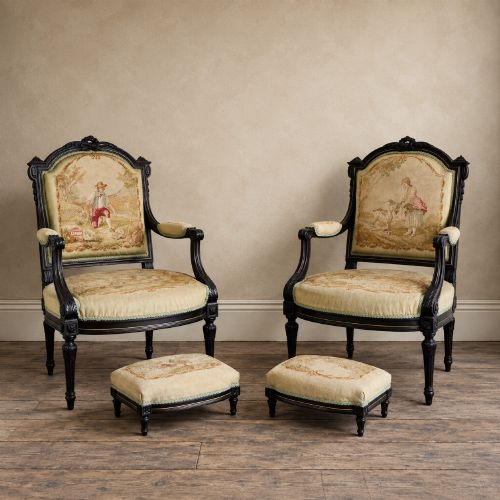
The selections range from robust Windsor and Thames Valley forms to delicate nursing chairs, salon armchairs, and formal dining chairs. Many pieces incorporate specific regional traditions or celebrated design movements.
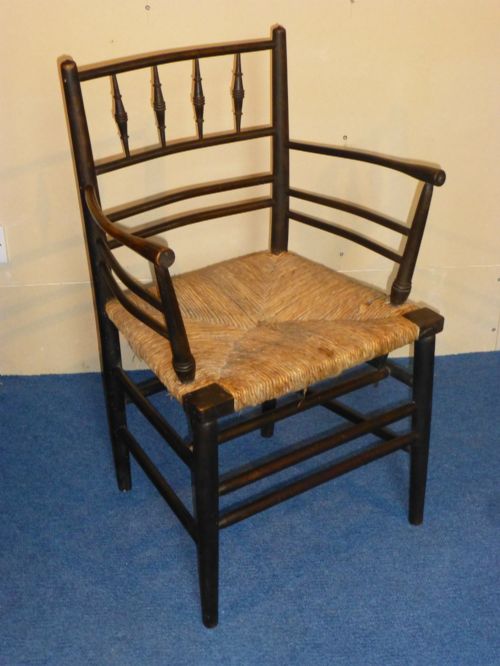
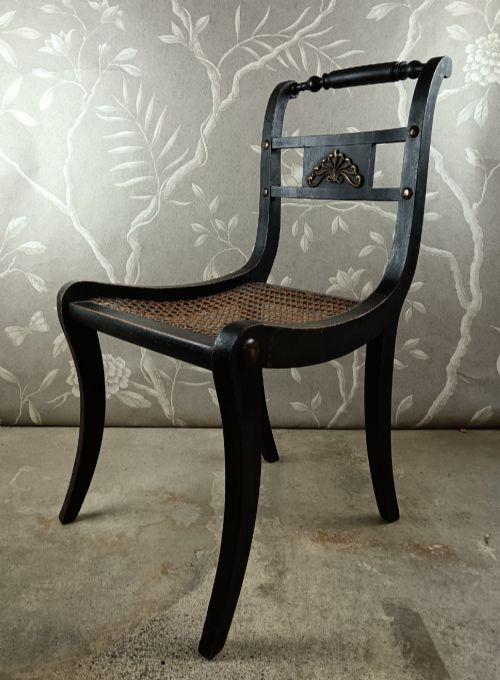
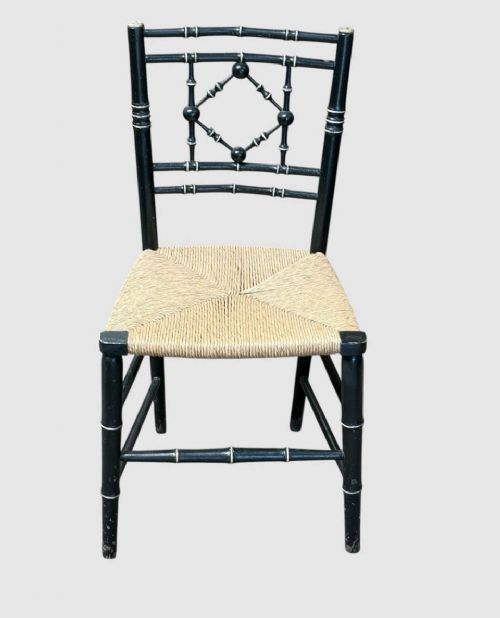
Common seating materials paired with these dark frames include original cane, woven rush, velvet, and patterned fabric. Some examples feature painted highlights, gilding, or brass details that enhance the dark wood finish.
Evaluating the craftsmanship
Quality shows in the depth and durability of the ebonised finish, alongside the crispness of carved details or turned components. Superior pieces maintain tight joinery and structural integrity across diverse forms like rocking chairs and salon suites.
The preservation of original materials, such as cane seats, rush weaving, or period upholstery, distinguishes better-surviving examples. Design attribution to notable makers or specific stylistic movements also elevates the standing of individual pieces.
Some nineteenth-century makers cleverly carved ordinary beechwood to mimic slender bamboo stalks before applying the ebonised finish.
William Morris·Philip Webb·Collier and Plucknett·Bruce J. Talbert·Maple and Co·Lamb of Manchester
The Ebonised Wooden Chair Glossary
- Ebonised
- Wood treated with stain, paint, or chemical processes to imitate the dark, dense appearance of ebony. This finish became particularly popular during the Victorian and Aesthetic periods.
- Aesthetic Movement
- A late nineteenth-century design style that emphasised visual beauty over narrative content, frequently employing ebonised surfaces, Japanese motifs, and faux bamboo elements.
- Cane
- Woven split rattan utilised for flexible and resilient seat panels. It appears frequently on Regency and Victorian seating.
- Prie Dieu
- A low-backed devotional prayer chair featuring a padded upper rail designed for kneeling or resting arms. These often retain period velvet upholstery.
- Sabre leg
- A concave, outwardly curving leg shape typical of Regency furniture. It adds a sense of lightness and classical proportion to side chairs.
Ebonised Wooden Chair: Frequently Asked Questions
What periods do these chairs come from?
The pieces span from the eighteenth century through the Victorian era and into the early twentieth century.
Most surviving examples originate from the nineteenth century, reflecting the strong popularity of ebonised finishes during the Victorian and Aesthetic Movement periods.
How were ebonised finishes achieved?
Craftsmen typically applied black paint, stain, or chemical treatments to domestic timbers like beech, ash, and oak.
This process allowed makers to create the luxurious look of solid ebony without using expensive imported hardwoods.
Where should I place an ebonised chair?
These chairs function well as accent pieces in living rooms, bedrooms, or hallways due to their striking dark silhouettes.
They also work around dining tables when paired as sets or used selectively alongside other wooden furniture.
Are the seats original?
Many chairs retain their original cane or rush seating panels, while others have been re-upholstered in period-appropriate velvet or fabric.
Checking the listings will clarify whether the seating material is original to the piece or a later replacement.