



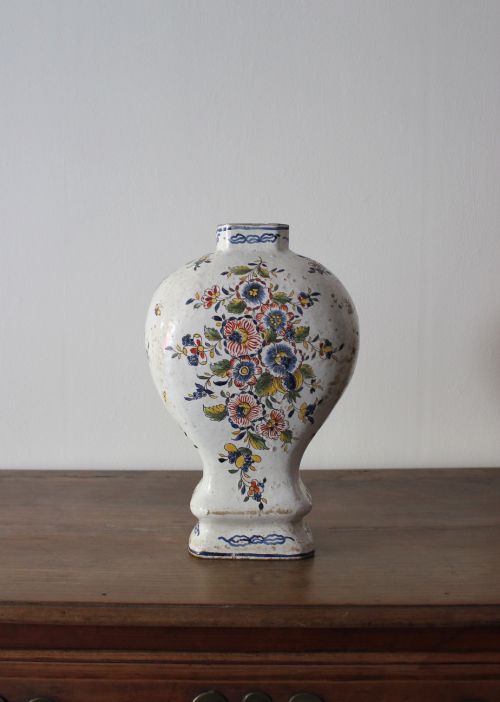
Antique Dutch Ceramics
These pieces of antique dutch ceramics bring tangible history into a room through hand-painted tin-glazed earthenware and robust forms.

Antique Dutch Ceramics
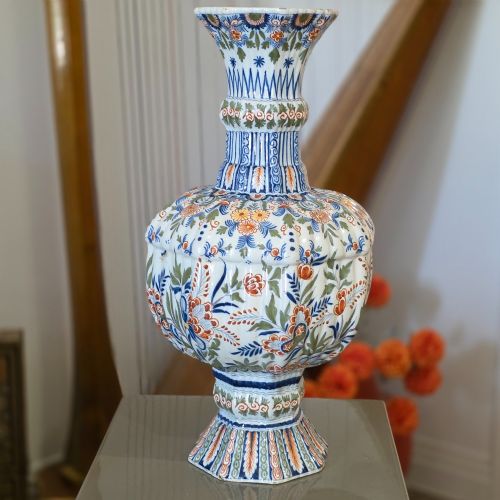
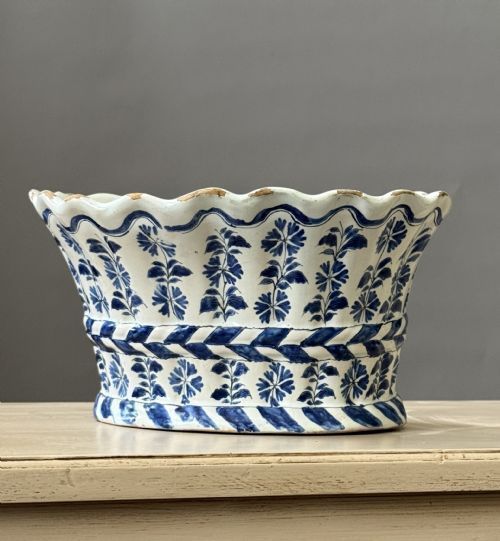
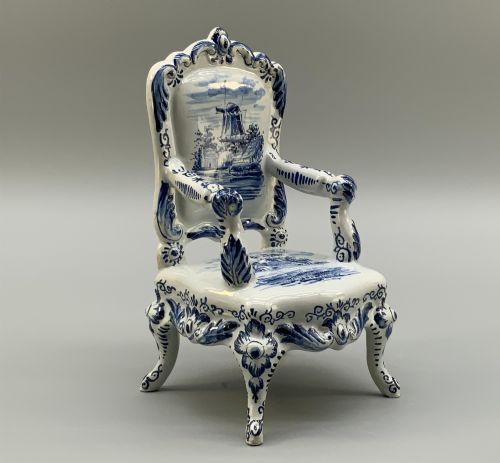
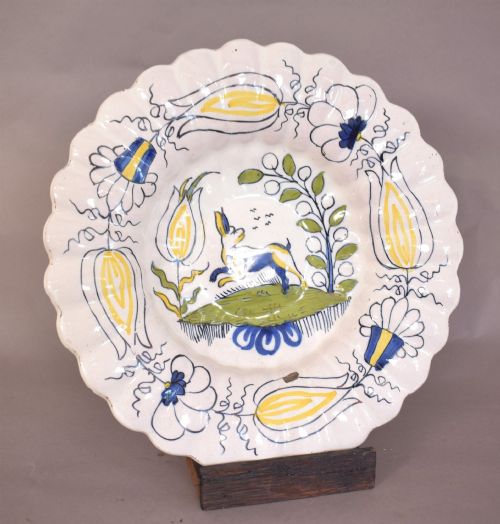
When searching for antique dutch ceramics, buyers encounter a wide array of domestic and decorative objects spanning multiple centuries. The selection on this page centres heavily on traditional blue and white delftware alongside colourful polychrome examples.
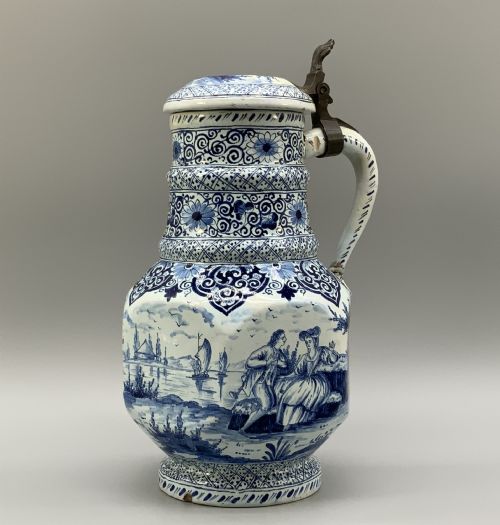
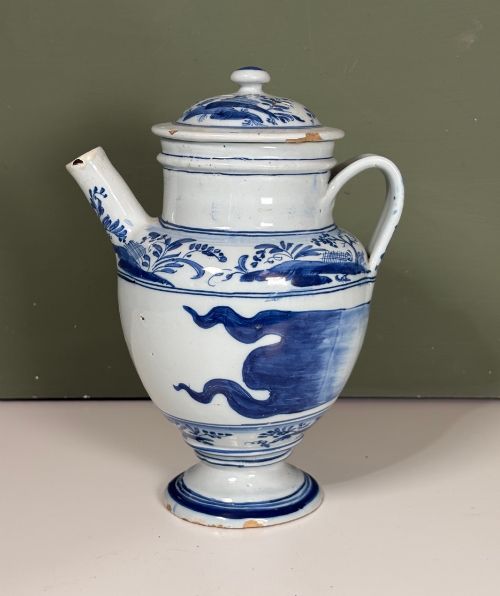
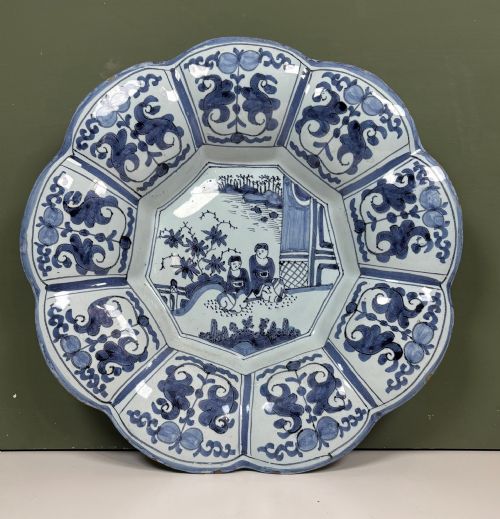
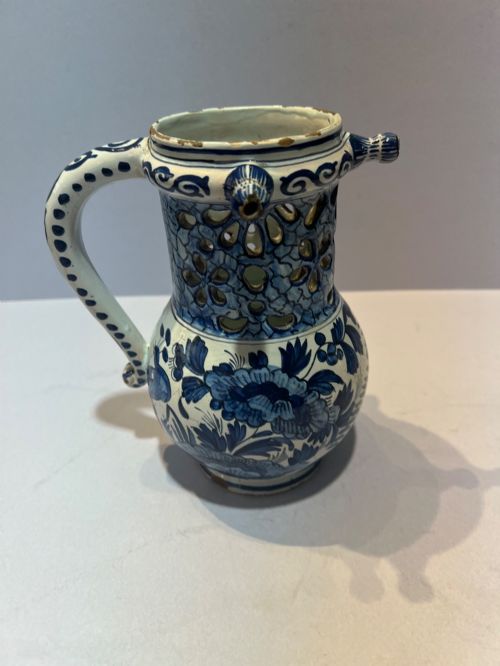
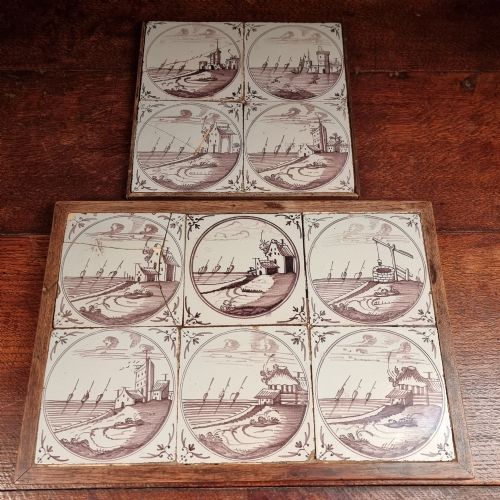
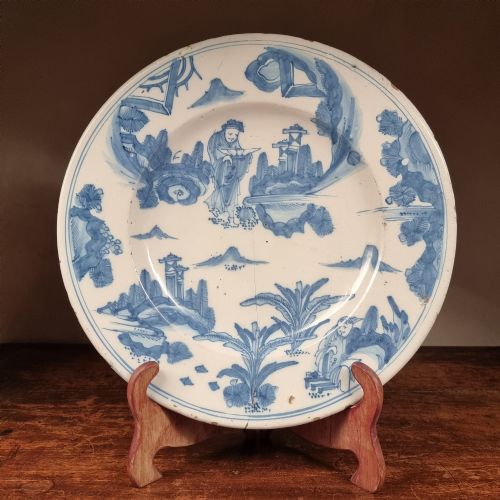
Vessels take many forms, from large wall chargers and deep bowls to lidded vases, bough pots, and apothecary jars. Functional items such as puzzle jugs, posset pots, barber's bowls, and wall tiles also appear regularly across the centuries.
The objects originate primarily from the seventeenth, eighteenth, and nineteenth centuries, reflecting the enduring output of Dutch kilns. Collectors find both simple domestic wares and more elaborate decorative pieces designed for display.
How They Were Made
Potters shaped earthenware bodies on the wheel or pressed clay into moulds to create vessels, chargers, and figures. Artisans then applied an opaque tin glaze to the fired clay, creating a smooth white surface suitable for painting.
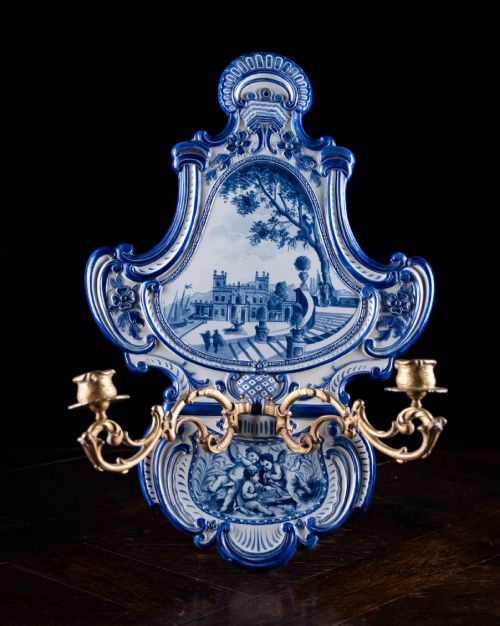
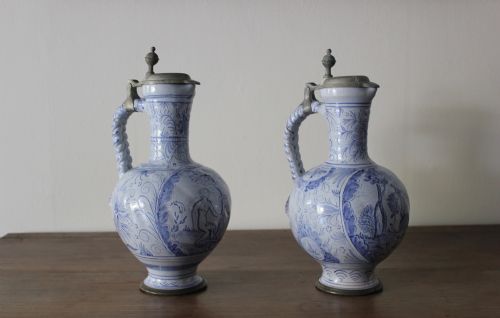
Painters used cobalt pigment to create deep blue designs, sometimes adding other colours for polychrome effects before a final kiln firing. Certain pieces incorporated pewter lids, brass mounts, or ormolu hardware to complete the object.
The listings span from the seventeenth century through to nineteen-hundred, featuring earthenwares decorated with cobalt pigment and tin glaze.
What Varies in Quality
The crispness of the hand-painted decoration determines much of the visual success of a piece, separating fluid brushwork from rigid application. Finer examples display detailed pictorial scenes, botanical motifs, or armorial designs executed with confident control.
The complexity of the form and the preservation of the delicate tin glaze also dictate standing within the range. Larger items such as garden urns and large chargers require greater technical skill in firing without distortion.
Villeroy and Boch
The Antique Dutch Ceramics Glossary
- Tin-Glaze
- An earthenware body coated with a glaze containing tin oxide to produce an opaque white surface. This technique formed the technical basis for traditional Dutch delftware production.
- Charger
- A large decorative plate intended for display on a wall or dresser rather than for dining. These wide surfaces often showcased elaborate historical, floral, or Chinoiserie scenes.
- Polychrome
- Decoration utilising multiple colours rather than a single pigment. In Dutch ceramics, this typically involved combinations of orange, green, blue, and manganese purple.
- Bough Pot
- A specialised vessel pierced with holes in the lid, designed to hold cut branches or flowers. These decorative containers were popular in grand interiors during the eighteenth century.
- Puzzle Jug
- A drinking vessel with a perforated neck and false spouts intended to test the drinker's ingenuity. Users had to cover hidden holes with their fingers to drink without spilling the contents.
Antique Dutch Ceramics: Frequently Asked Questions
How do I date antique Dutch ceramics?
Dating relies on stylistic shifts, changes in the tin glaze, and the specific motifs painted on the earthenware body. Seventeenth-century pieces often display strong Chinese Kraak influences, while eighteenth-century items embrace vibrant polychrome palettes or manganese tones.
Examination of the foot rim and the overall weight of the ceramic also helps distinguish earlier production methods from later nineteenth-century revival pieces.
Were these ceramic pieces used daily?
Many objects served practical purposes in seventeenth and eighteenth-century households, functioning as apothecary jars, barber's bowls, posset pots, and tableware. Over time, items like chargers and large vases transitioned into purely decorative display pieces.
Domestic handling naturally caused minor glaze chips and wear along the edges, which remain common characteristics of authentic historic usage.
What is the difference between blue and white and polychrome delft?
Blue and white delft relies entirely on cobalt pigment painted onto the white tin glaze, heavily inspired by imported Chinese porcelain. Polychrome pieces incorporate additional mineral colours like iron red, antimony yellow, and copper green.
Both styles were produced concurrently across various periods, though polychrome examples often required multiple kiln firings to set the varied pigments.
How should I care for antique tin-glazed earthenware?
Keep these fragile ceramics away from direct sunlight and areas subject to sudden temperature fluctuations. Dust them gently with a dry, soft cloth and avoid using liquid cleaners on the porous tin glaze.
Display vessels securely on stable surfaces or use specialised plate hangers to support the weight of large chargers safely.