
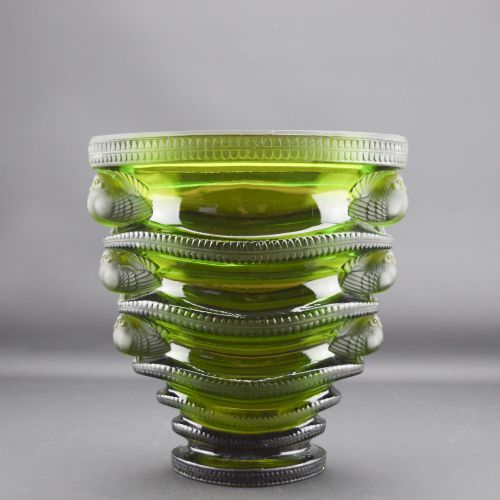
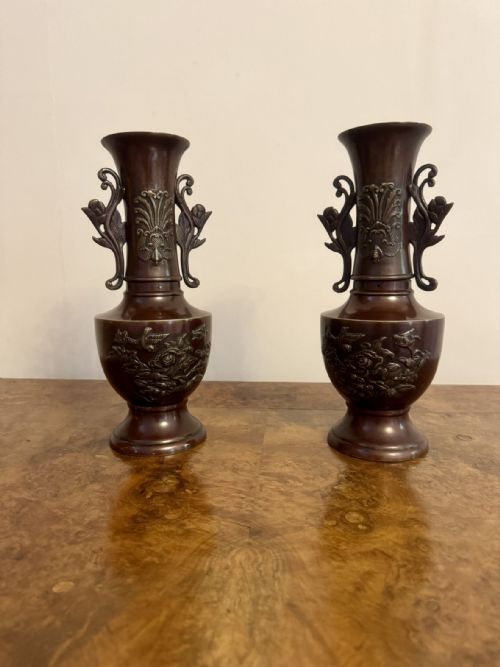


Bird Motif Vase
A bird motif vase brings the natural world indoors, combining avian imagery with enduring ceramic, bronze, or glass craftsmanship.
Bird Motif Vase
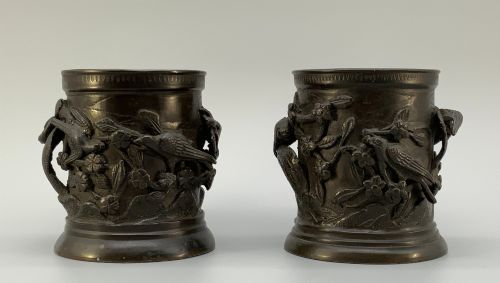
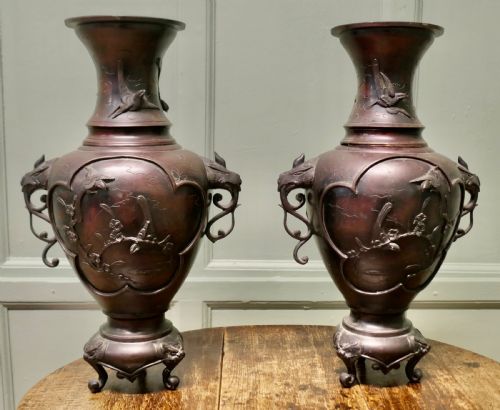
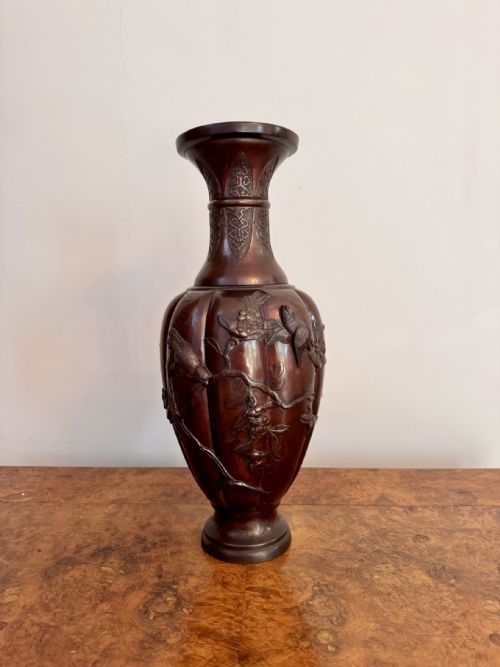
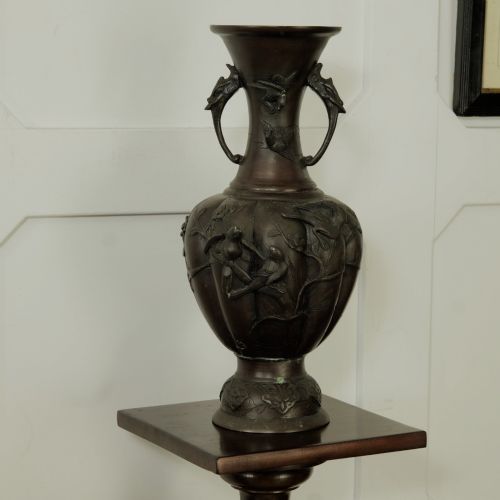
A bird motif vase is a decorative vessel featuring painted, carved, or cast avian designs, often reflecting 19th-century and early 20th-century aesthetic interests. These pieces span Japanese Meiji period bronze and porcelain works, Chinese bronze vessels, and European ceramic or glass creations from the Victorian and Art Deco eras.
Buyers browsing this selection will most frequently encounter 19th-century Japanese bronze vases adorned with birds and blossom alongside European porcelain and earthenware pieces. Forms range from compact stem vases and decorative jars to large pairs of ceremonial vessels and converted lamp bases.
The aesthetic bridges various cultural traditions, from Satsuma and Kutani wares to English enamelled glass and French moulded glass. Each period imparts distinct characteristics to the avian imagery, shifting from naturalistic flora and fauna to stylised modernist contours.
Materials and construction techniques
Bronze vessels rely on traditional casting methods, frequently complemented by patination, intricate relief work, or inlaid metal details that define the feathered forms. Japanese Meiji period examples demonstrate high proficiency in metalwork, utilising patinated bronze and brass to create tactile depth in the plumage and surrounding foliage.
Ceramic and earthenware pieces employ hand-painted glazes, enamel over-paint, and cloisonné techniques to fix vibrant bird motifs onto the clay body. European manufacturers like Rozenburg and Doulton Lambeth utilise specialised porcelain and stoneware bases, applying slip or hand-brushing pigments before firing.
Glass creations from makers like Rene Lalique involve moulding and pressing techniques, often incorporating opalescent finishes, stains, or enamelling to highlight the relief-moulded birds. These diverse methods ensure that the avian decoration integrates structurally with the vessel's silhouette.
Listings feature 19th-century Japanese Meiji bronze vases, Victorian ceramics, Art Deco glass, and Edwardian cloisonné works.
Differentiating quality across the range
Quality rests upon the crispness of the casting or the precision of the hand-painted brushwork, separating standard production items from masterworks. In bronze pieces, the definition in the feathers and the subtlety of the patination indicate the level of artisan involvement during the Meiji period or Victorian era.
For ceramics and glass, the complexity of the glaze layering and the registration of enamel colours distinguish finer specimens. Pieces bearing specific studio signatures or workshop attributions demonstrate superior design execution compared to unmarked commercial output.
Rene Lalique·Makuzu Kozan II·Kinrin Workshop·Rozenburg·Doulton Lambeth·Gerbing & Stephan·Falcon Ware
The Bird Motif Vase Glossary
- Meiji Period
- The era in Japanese history spanning from 1868 to 1912, noted for a surge in metalwork and ceramic exports featuring naturalistic bird and blossom motifs. This period produced many of the detailed bronze and porcelain vases found in this category.
- Cloisonne
- An ancient technique for decorating metal vessel surfaces with enamel compartments partitioned by thin wire strips. Artisans fill these wired cells with coloured paste before firing the piece to create intricate patterns.
- Patinated Bronze
- Metal sculpture treated with acid or chemical compounds to produce a specific surface coloration or aged texture. This treatment enhances the visual contrast of bird and foliage reliefs.
- Majolica
- A type of earthenware glazed with tin-opacified enamel, popular during the Victorian era for colourful, sculptural vessels. It often exhibits bright botanical and animal designs.
- Satsuma
- A style of Japanese earthenware characterised by a ivory-coloured, crackle-glaze crackled finish decorated with polychrome enamels and gilt. Bird motifs frequently appear alongside traditional landscape scenes on these ceramics.
Bird Motif Vase: Frequently Asked Questions
How do I identify a Meiji period bronze vase?
Meiji period bronze vases generally exhibit deep patination, heavy casting, and detailed relief work depicting birds amongst blossom. Look for signature panels on the base or body, alongside a high degree of naturalistic precision in the feathered details.
These pieces reflect the technical mastery of Japanese metalworkers during the late 19th century. Comparing the weight and the sharpness of the chiselling helps distinguish authentic Meiji examples from later reproductions.
What is the difference between Satsuma and Kutani ware?
Satsuma ware is recognised by its distinctive creamy, crackled earthenware glaze embellished with colourful enamel paints and gilding. Kutani ware typically uses a porcelain or fine ceramic body with a dominant palette of iron-red and green pigments.
Both styles frequently incorporate bird motifs, but their physical structure and glazing differ significantly. Satsuma feels softer and shows intentional crazing in the finish, while Kutani presents a harder, more vitreous surface.
How should I clean an antique bronze bird vase?
Antique bronze requires minimal intervention to preserve its original patination and surface history. Dust the piece gently with a dry, soft-bristled brush, avoiding water, abrasive cloths, or chemical metal polishes that strip the finish.
Maintaining a stable indoor humidity level prevents further oxidation of the metal. Professional conservation advice should be sought if structural cleaning becomes necessary.