


Antique Bird Vase
When you search for an antique bird vase, you seek a vessel where avian life meets ceramic or bronze artistry.
Antique Bird Vase
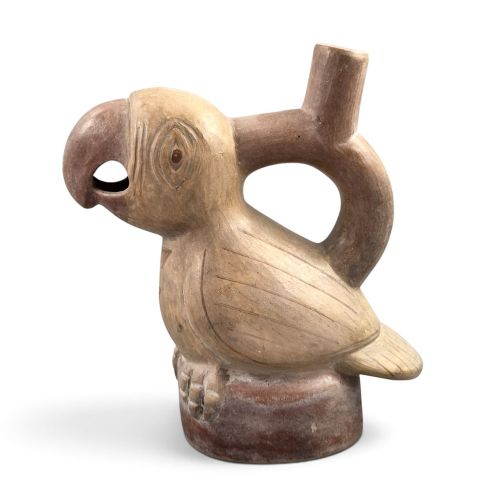
An antique bird vase brings avian subjects into ceramic, porcelain, and bronze vessels, bridging decorative utility and wildlife illustration. These pieces range from ginger jars and jardinieres to baluster urns and posy vases, reflecting varied domestic functions.
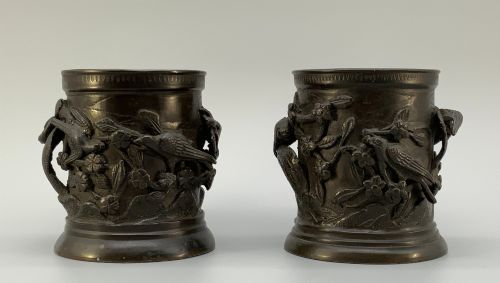
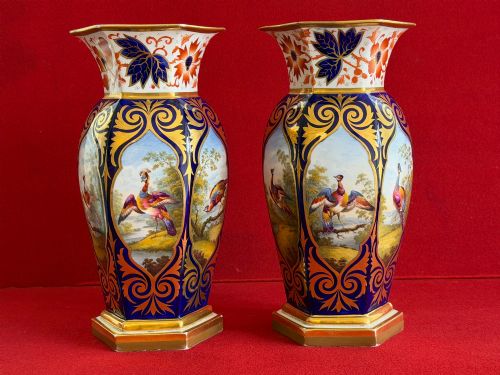
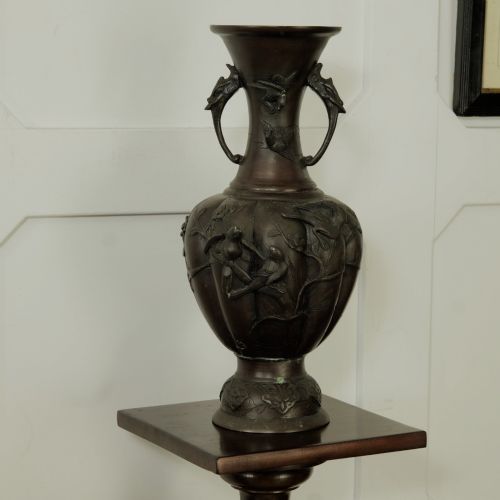
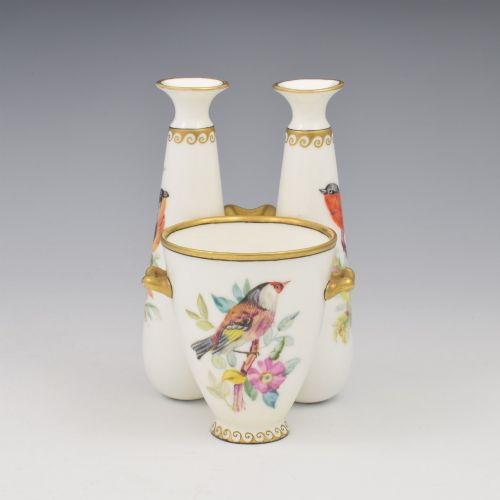
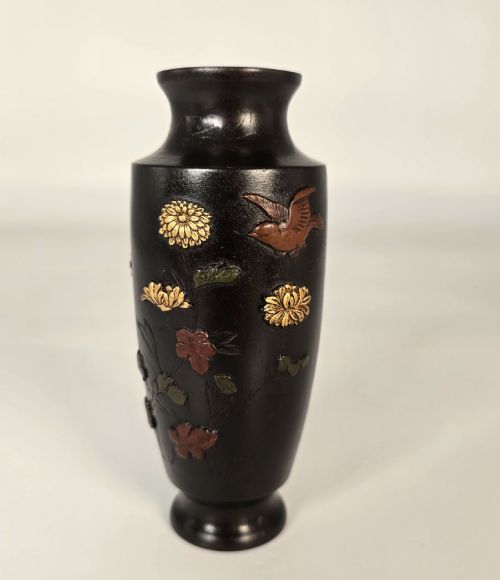
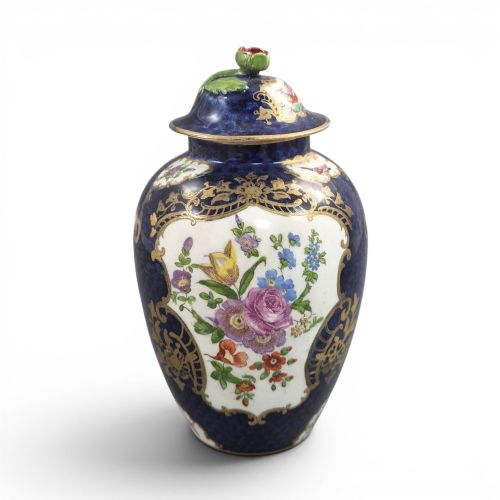
The most common examples on this page hail from the Japanese Meiji period in bronze or Satsuma earthenware, alongside British porcelain works from factories such as Royal Worcester and Worcester. Makers frequently rendered birds among blossom branches, peonies, or open landscapes.
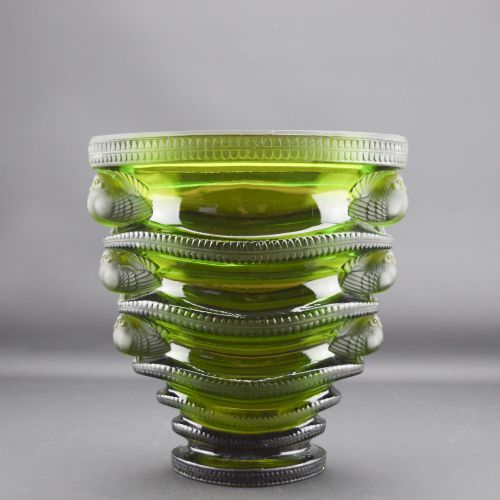
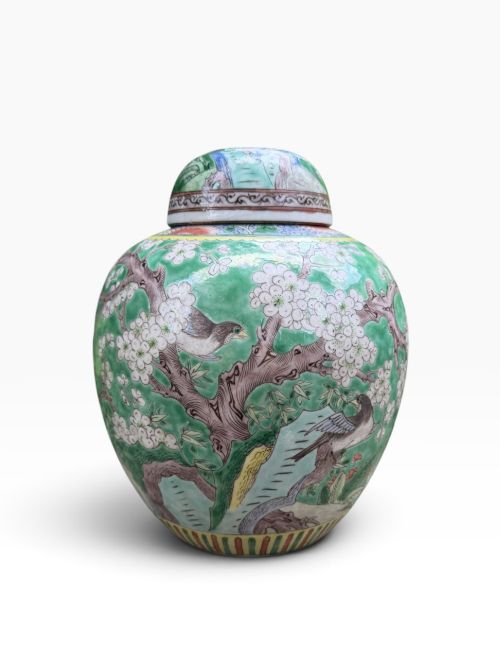
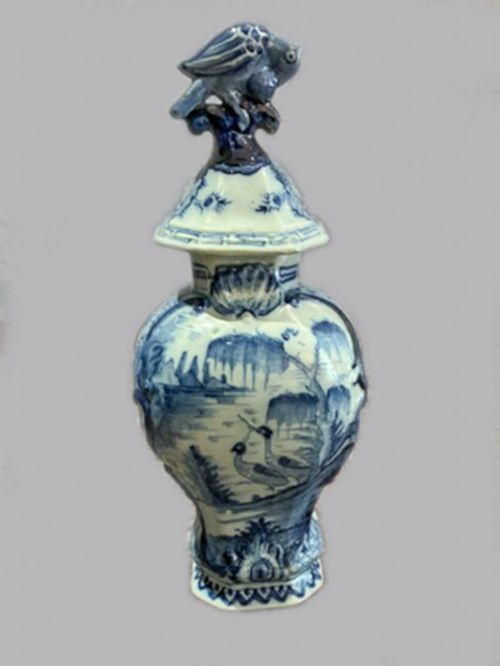
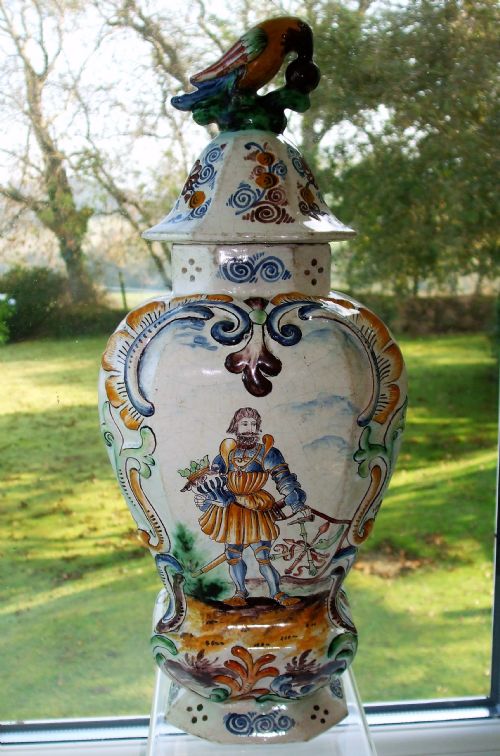
Earlier centuries contribute Dutch Delftware and Chinese export jars, whilst later examples stretch into the early twentieth century with Art Deco pottery and cloisonné enamel. Every piece uses bird motifs as a central pictorial focus rather than mere border decoration.
How They Were Made
Potters and ceramists shaped porcelain, earthenware, and ironstone on the wheel or in moulds before applying hand-enamelled pigments, gilding, and copper oxide underglazes. Japanese Satsuma ware relied on finely crackled earthenware bodies painted with detailed polychrome enamels and gold leaf.
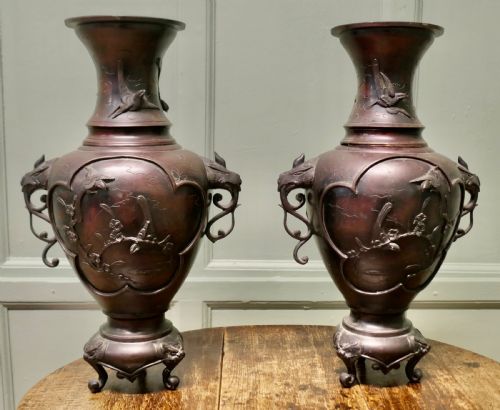
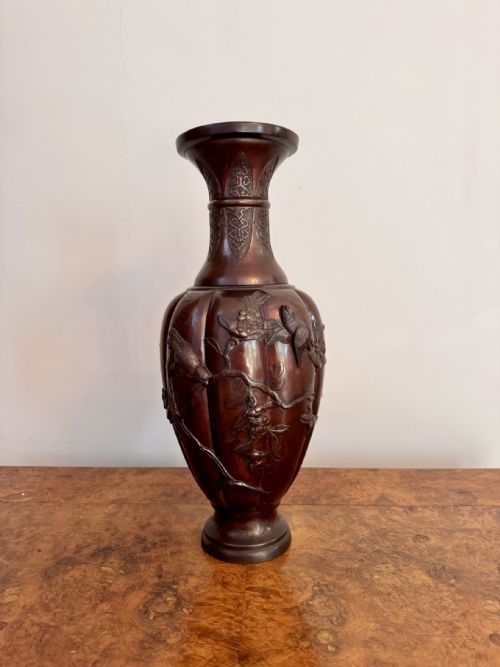
Metalworkers cast bronze vases using lost-wax or similar traditional methods, often incorporating cast relief work, engraved details, or silver wire cloisonné enamel with ginbari backgrounds. Artisans then patinated the bronze surfaces to achieve deep brown or dark tones that highlighted the applied bird motifs.
Material evidence on this page includes copper leaf, gold leaf, and sterling silver applied to diverse ceramic and metal bodies.
What Varies in Quality
Quality rests upon the precision of the hand painting and the crispness of the casting. Superior porcelain and earthenware pieces display controlled, miniaturist brushwork in the feathers and foliage, whilst lesser examples rely on hurried or stencilled outlines.
In metalwork and cloisonné, the refinement of the wirework and the depth of the enamel separate standard production from master workshops. Superior bronze castings retain sharp relief along the wings and talons without obscuring tool marks or surface texture.
Flight, Barr and Barr·Barr, Flight and Barr·Rene Lalique·Royal Worcester·Minton·Ando Jubei·Manpei·Kato Sanhei
The Antique Bird Vase Glossary
- Meiji Period
- The era of Japanese history from 1868 to 1912, noted in these listings for highly detailed bronze work, Satsuma earthenware, and cloisonné enamel. Pieces from this time often feature naturalistic bird and blossom motifs.
- Satsuma
- A type of Japanese earthenware featuring a pale, ivory-coloured crackle glaze that accepts fine polychrome enamel and gold leaf decoration. Makers in Kyoto and Kobe produced elaborate vases for export.
- Cloisonné
- A metalwork technique where thin flat wires are soldered to a bronze or copper base to form compartments, which are then filled with enamel paste and fired. Silver wire cloisonné often showcases intricate bird plumage against coloured grounds.
- Jardiniere
- A large ornamental pot or vase designed to hold live plants or floral arrangements rather than cut stems alone. These often appear in ceramic and porcelain forms.
- Ginger Jar
- A high-shouldered ceramic vessel with a domed cover, originally made for storage and later adopted as a decorative display piece. Many examples feature painted bird and flower scenes.
Antique Bird Vase: Frequently Asked Questions
What is an antique bird vase?
An antique bird vase is a decorative vessel made from ceramic, porcelain, bronze, or enamel that incorporates avian imagery into its design. These objects range from small posy holders to large bronze display urns.
The bird motifs are either hand-painted onto the surface in enamel, raised in bronze relief, or outlined in silver wire cloisonné. They serve as both functional containers and decorative works of art.
How were these vases used originally?
Many of these vessels were created specifically for display in European and Japanese interiors during the nineteenth and early twentieth centuries. Larger jars and jardinieres held plants or floral arrangements, whilst bronze and porcelain vases stood on mantelpieces and cabinets.
Export wares were also produced in large numbers to satisfy Western demand for exotic Asian craftsmanship. Their primary function was visual enrichment rather than heavy utility.
How do I tell Japanese Meiji bronzes apart?
Japanese Meiji bronze vases vary by their casting method, decorative relief, and whether they incorporate signature panels or specialised handles. Artisans utilised chased details, applied silver, and high-relief birds such as storks or egrets.
Examining the weight, the colour of the dark patina, and the crispness of the feather work helps distinguish workshop standards. Many bear subtle engraved marks or signatures from period makers.