

Antique Dog Figurine
When you search for an antique dog figurine, you meet everything from Staffordshire earthenware spaniels to French animalier bronzes.
Antique Dog Figurine
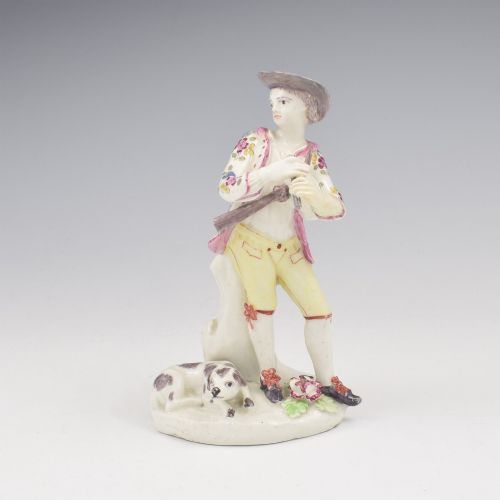
An antique dog figurine spans multiple traditions, capturing canine forms in ceramic, bronze, and terracotta across the nineteenth and early twentieth centuries. When searching for an antique dog figurine, buyers encounter Staffordshire pottery pairs, Meissen and German porcelain models, and Japanese bronze okimono.
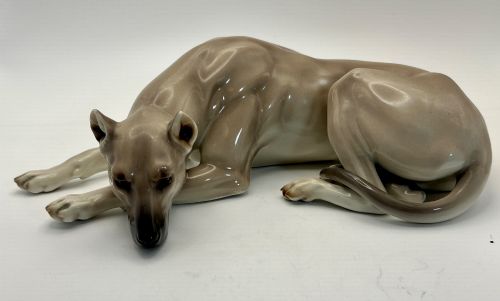
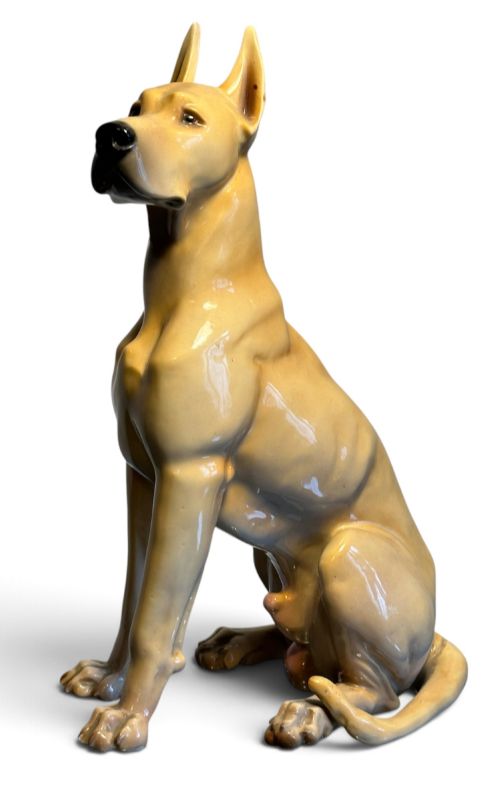
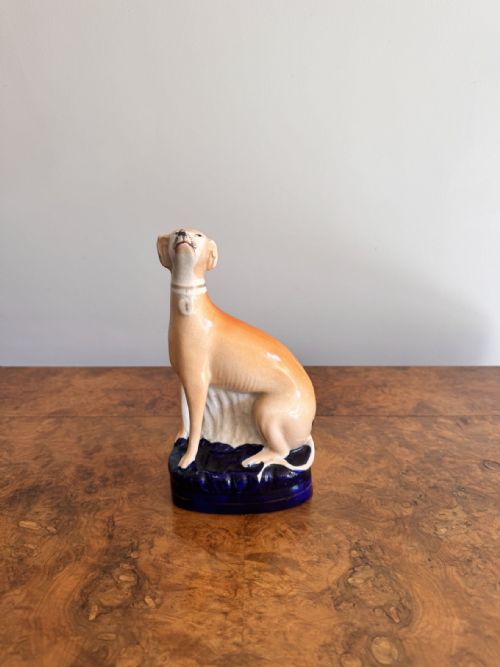
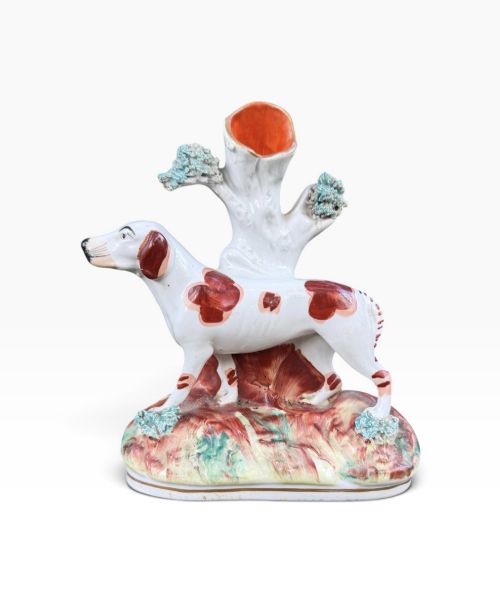
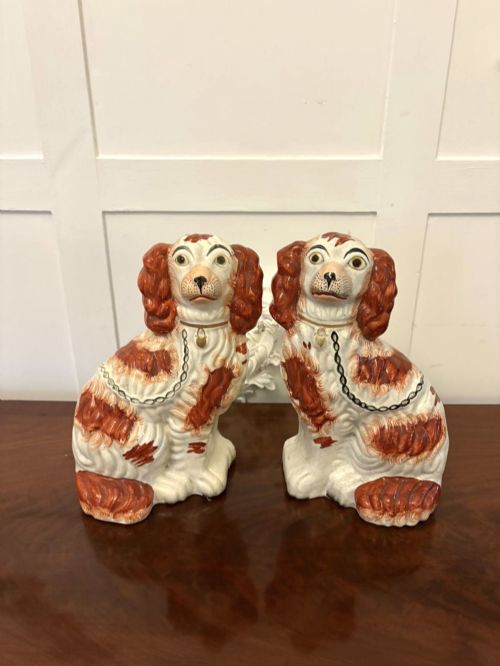
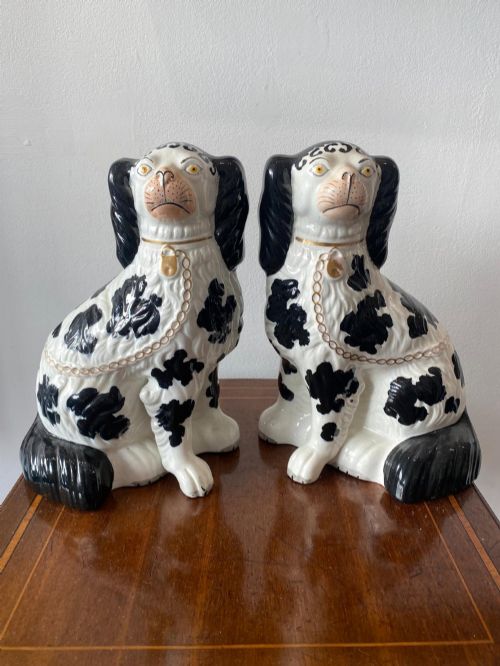
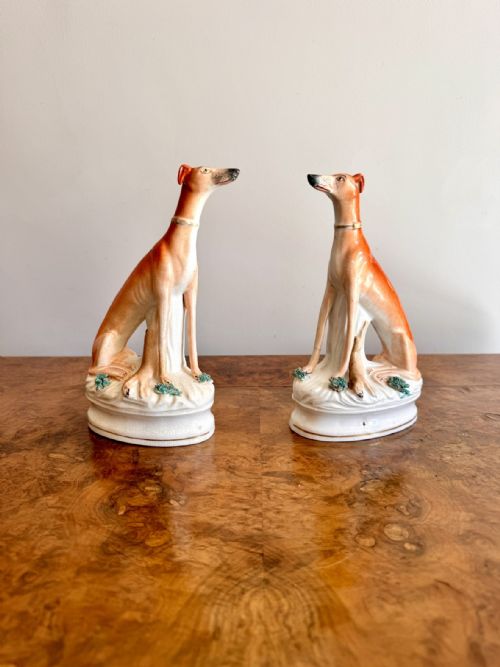
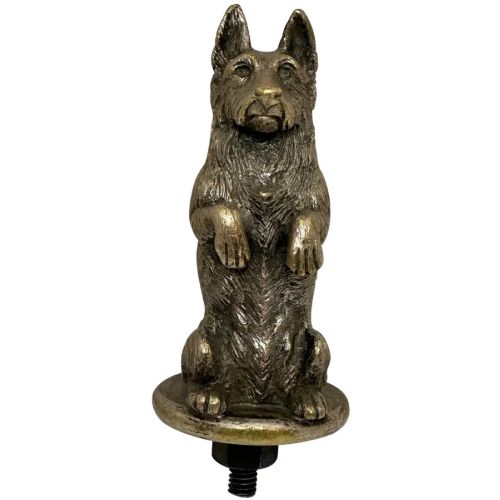
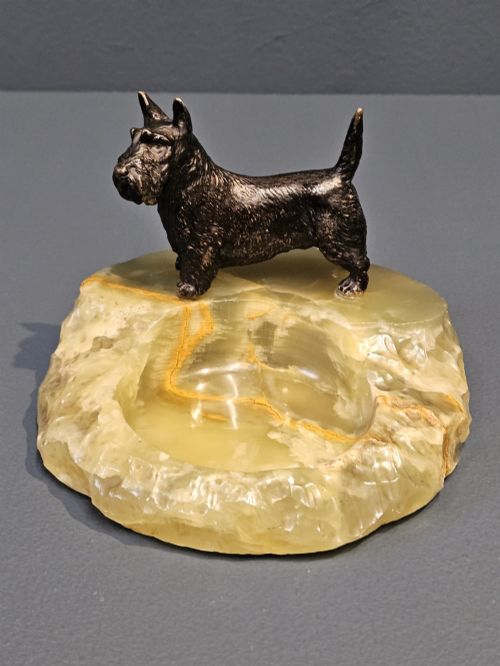
Staffordshire earthenware figures dominate the English domestic sphere, often modelled as spaniels, greyhounds, poodles, and pugs intended for mantelpiece display. Continental examples lean towards detailed animalier bronzes and cold-painted Austrian foundry work depicting breeds like dachshunds and boxers.
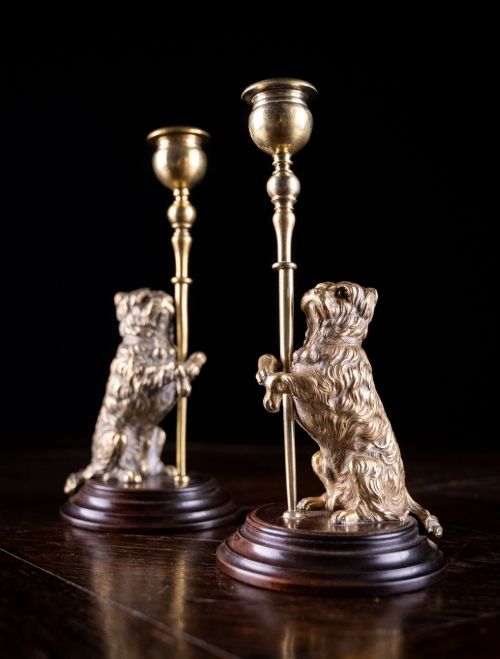
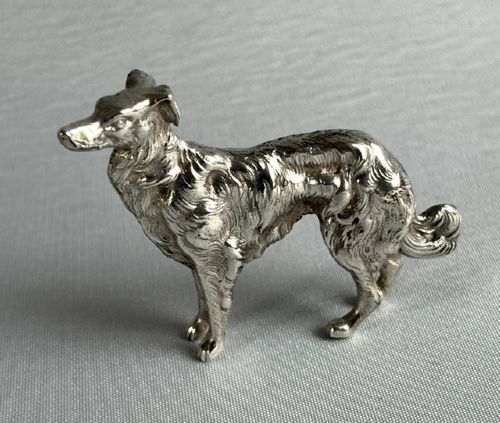
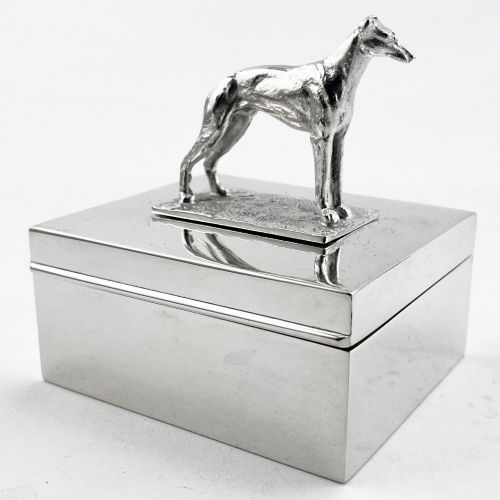
The materials and origins range widely, including carved alabaster, solid silver novelties, and Meiji period Japanese bronzes. Buyers select these pieces based on breed preference, material, and period authenticity, connecting with domestic history and animal sculpture traditions.
How They Were Made
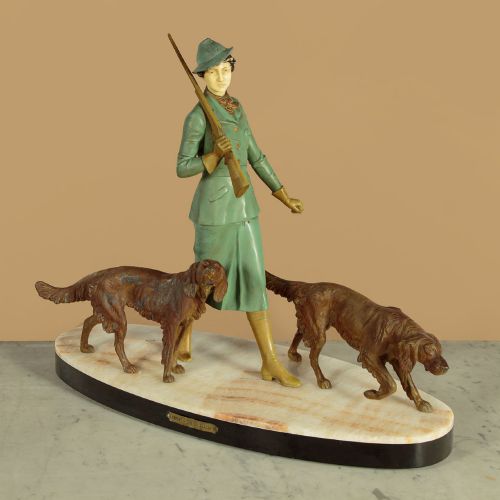
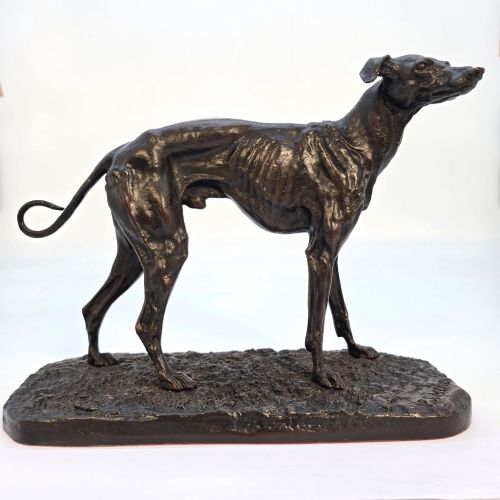
Bronzes and metal sculptures utilise the lost-wax casting technique, capturing anatomical muscle and fur texture before receiving patination or cold-painted polychrome finishes. Austrian cold-painted bronzes required meticulous brushwork over a metallic base.
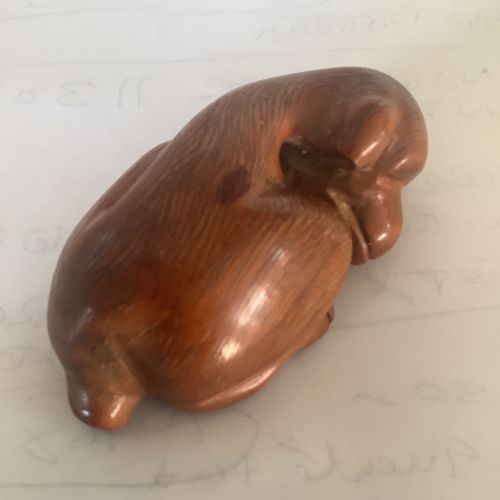
Carved pieces utilise materials like Derbyshire alabaster and wood, shaped with chisels and hand tools to define the subject. Terracotta sculptures involve moulded clay fired in kilns to achieve durable porous bodies ready for surface tinting.
Antique Dog Figurine Retail Price Guide 2026
Typical asking prices for dog figurine among the pieces listed under this phrase on Sellingantiques today, from the lower quarter to the upper quarter. They describe what is for sale here now, not the wider market.
Staffordshire spaniels were traditionally placed facing inward on mantelpieces to guard the hearth.
What Varies in Quality
The standard of modelling separates pedestrian studio output from master foundry or pottery work. Superior pieces display precise anatomical proportion, crisp facial expressions, and detailed fur rendering rather than flat, generalized casting or moulding.
Surface finish dictates value, observed in the crispness of hand-painted enamel details, the preservation of original cold-painted colour, or the depth of bronze patination. Faded overglaze or heavy restoration diminishes the integrity of the object.
Casting quality in bronzes depends on the fidelity to the original sculptor's model, avoiding smoothed-out details or heavy seams. In ceramics, even glaze coverage without excessive pooling or firing distortion marks superior production.
Carl Kauba·Alfred Dubucand·Alfred Barye·Franz Bergman·Dora Heber·P J Mêne·Masaaki·Prosper Lecourtier·Jules Moigniez·Thomas Parr·Ernst Wahliss·Royal Dux
The Antique Dog Figurine Glossary
- Animalier
- A nineteenth-century artistic movement dedicated to the realistic depiction of animals, particularly in bronze sculpture.
- Cold-Painted
- A technique where bronze figures receive non-fired oil paint applied over a metallic base, common in Austrian foundry work.
- Okimono
- A Japanese decorative sculpture designed for display on a shelf or in a traditional alcove, often cast in bronze.
- Staffordshire
- Pottery manufactured in the Stoke-on-Trent region of England, famous for figures made for domestic mantelpiece display.
- Patina
- The surface sheen and coloration developed on bronze or metal through age, handling, and oxidation.
Antique Dog Figurine: Frequently Asked Questions
How do I identify Staffordshire dogs?
Staffordshire pottery dogs typically appear as seated pairs facing each other, often featuring spaniels, greyhounds, or poodles with painted facial markings and gilded chains. They date primarily to the Victorian era and were made as inexpensive ornaments for cottage and parlour mantelpieces.
Closer inspection reveals typical earthenware bodies, craquelure in the glaze, and hand-applied touches of paint. Genuine nineteenth-century examples lack modern maker stamps and show appropriate bottom wear from decades of display.
What is an animalier bronze?
Animalier bronzes are nineteenth-century sculptures focusing specifically on animal subjects, captured with anatomical accuracy and dynamic realism. Sculptors such as P J Mêne and Alfred Barye produced detailed studies of dogs in hunting or resting poses.
These pieces were cast using the lost-wax method and finished with rich patination. They reflect the period's fascination with natural history and fine metalwork craftsmanship.
Are cold-painted bronzes fragile?
Cold-painted bronzes utilise a non-fired oil paint applied over the metal, meaning the pigment sits on the surface rather than being fused by heat. Consequently, rough handling or moisture can cause the paint to flake or chip over time.
Collectors handle these pieces with care, displaying them away from direct sunlight and humidity. Preserved original paint significantly enhances the character of miniatures from Austrian foundries.