

Bronze Desk Accessory
A bronze desk accessory brings functional elegance to a workspace through enduring metalwork and period design.

Bronze Desk Accessory
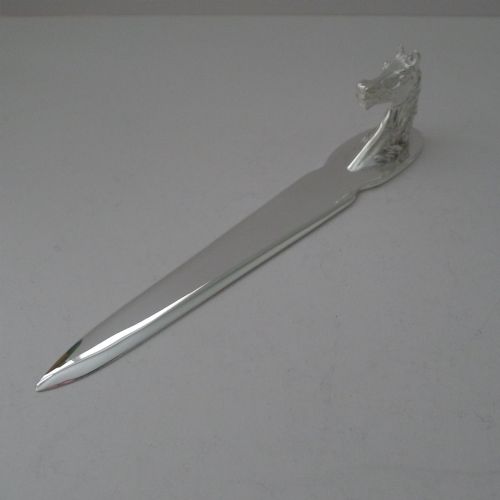
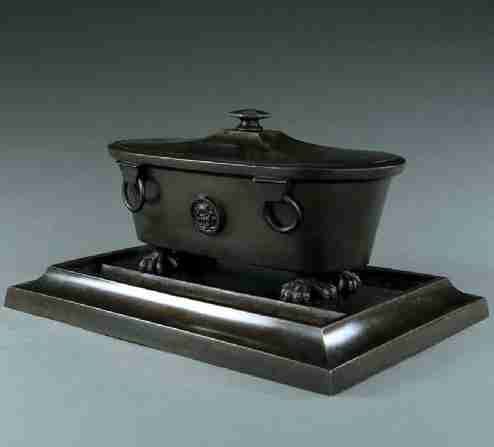
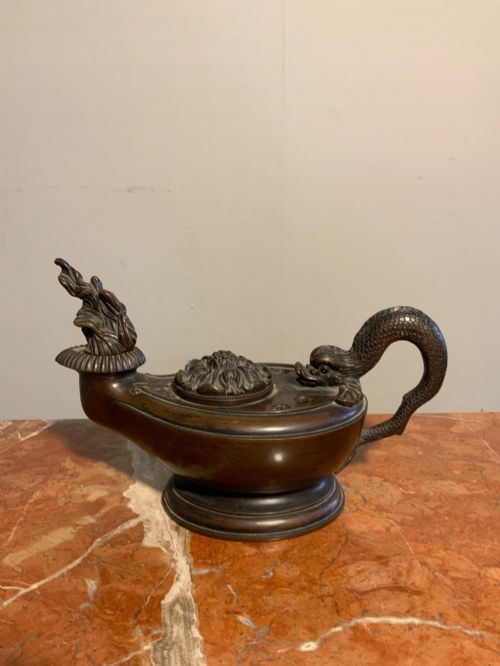
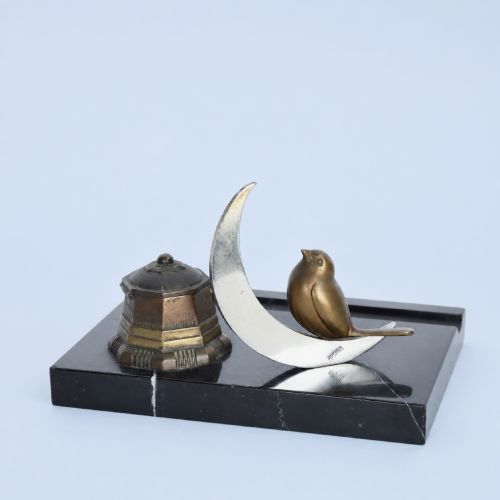
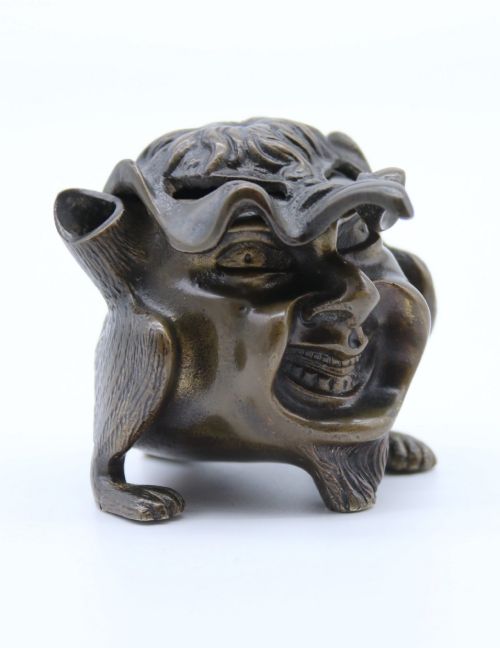
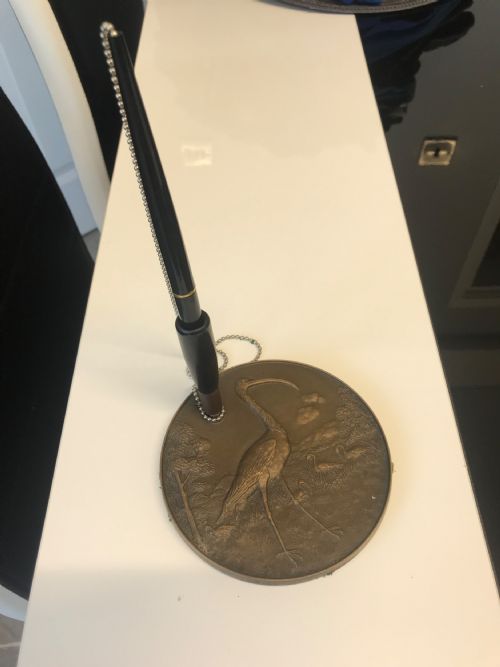
A bronze desk accessory encompasses practical items used in writing rooms and studies, spanning inkwells, inkstands, bookends, blotters, and pen rests. These objects served the daily needs of historical writers, administrators, and scholars.
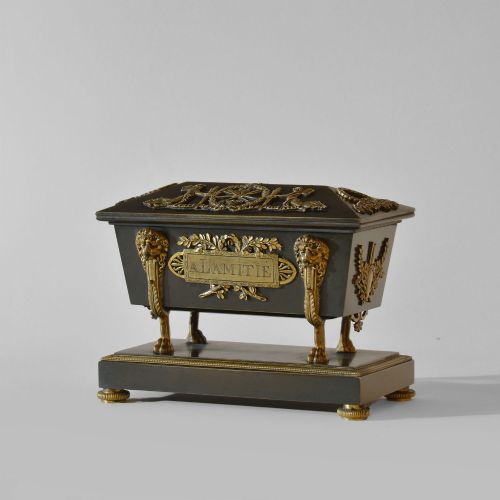
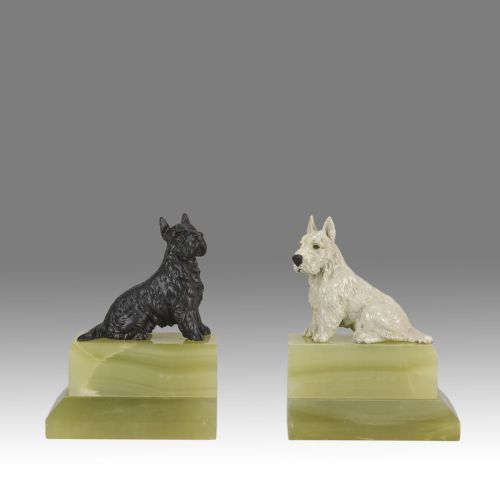
The selections encountered here frequently originate from the nineteenth and early twentieth centuries, reflecting Victorian, Art Nouveau, and Art Deco aesthetics. French Empire, Austrian cold-painted works, and Asian scholarly traditions also appear among the forms.
Buyers often select these items to anchor a traditional desk arrangement or to introduce sculptural interest to modern interiors. The forms combine utility with decorative motifs drawn from nature, mythology, and classical architecture.
Materials and construction methods
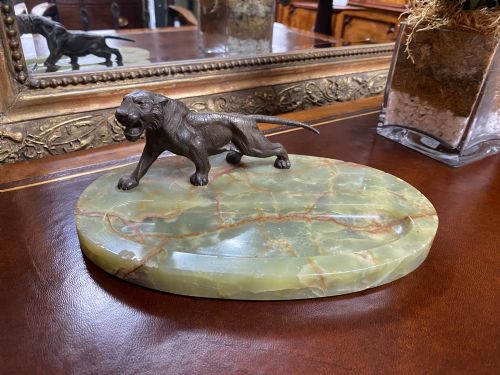
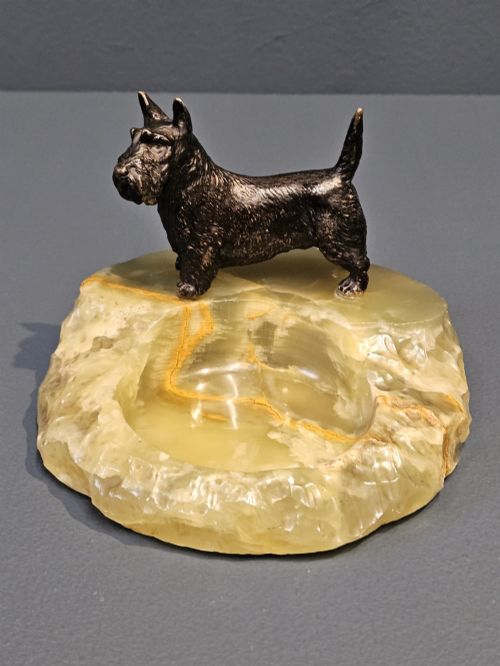
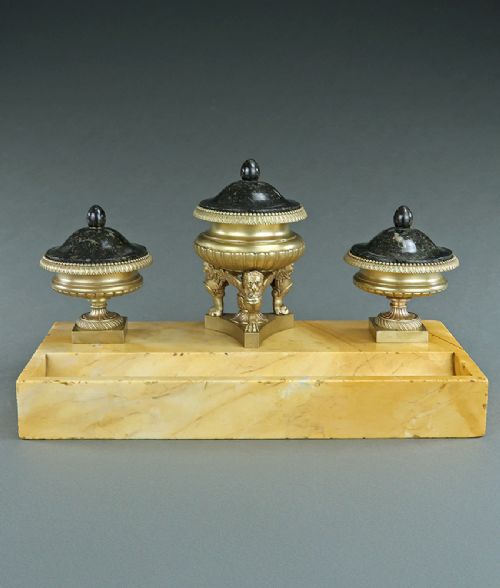
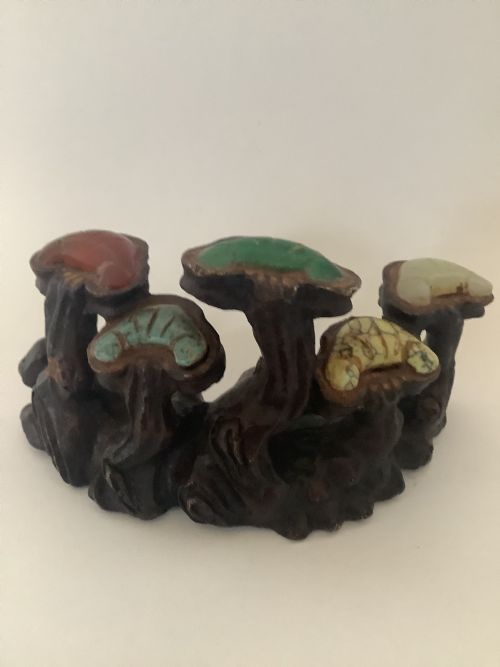
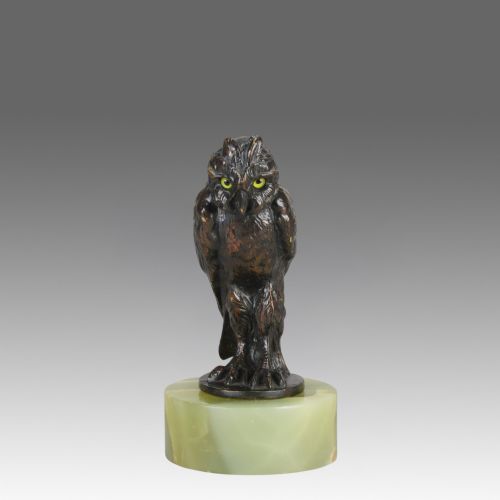
Foundry work relied on traditional casting techniques, utilising standard bronze, gilt bronze, and ormolu to achieve durable, detailed forms. Artisans frequently mounted these metal components onto contrasting natural bases like black marble, Sienna marble, onyx, or coromandel wood.
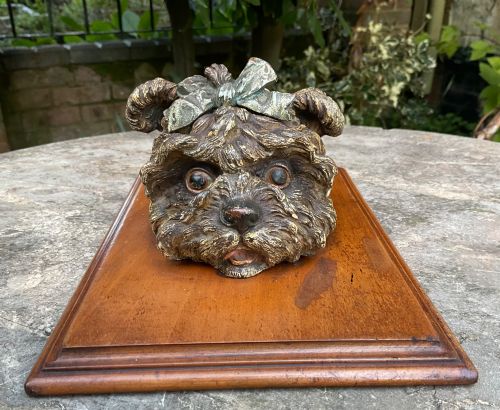
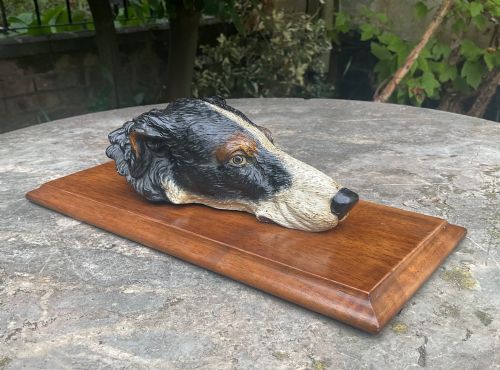
Colour decoration on specific items, such as Austrian cold-painted pieces, involved applying polychrome pigments directly onto the cold metal surface. Champlevé enamelling and gold-splashing further augmented the surface decoration of selected scholar's pieces and inkstands.
Bronze Desk Accessory Retail Price Guide 2026
Typical asking prices for bronze desk accessory among the pieces listed under this phrase on Sellingantiques today, from the lower quarter to the upper quarter. They describe what is for sale here now, not the wider market.
Listings feature items from the 17th Century through the Art Deco era, incorporating materials like marble, onyx, and gilt bronze.
Factors determining quality
The integration of materials dictates overall execution, particularly in composite pieces where bronze elements meet stone bases or glass ink inserts. Superior examples demonstrate secure mounting, matched patination, and the retention of original components such as glass wells and hinged lids.
Franz Bergman·Franz Gruber·C Omin·A.Cohen & Co Ltd London·Tiffany Studios New York·Asprey Of London
The Bronze Desk Accessory Glossary
- Ormolu
- Gilt bronze produced by applying a mercury-gilding process to a bronze base, resulting in a rich golden lustre.
- Cold-painted bronze
- Metal figures painted with naturalistic polychrome pigments that were applied without high-temperature firing.
- Champlevé
- An enamelling technique where troughs are dug into the metal surface and filled with vitreous paste before firing.
- Inkstand
- A complete desk set holding inkwells, pen trays, and sometimes sanders or candlesticks on a shared base.
Bronze Desk Accessory: Frequently Asked Questions
How do I identify a Vienna bronze?
Vienna bronzes typically display meticulous detailing and distinct cold-painted polychrome surfaces, often depicting small animals, human figures, or orientalist scenes. Makers from this Austrian tradition frequently incorporated naturalistic poses and expressive characterisations.
Examination of the underside or base may reveal founder marks or stamps corresponding to known Viennese workshops. The weight and the specific layering of the cold-painted pigments also offer guidance on authenticity.
Were inkstands made with glass inserts?
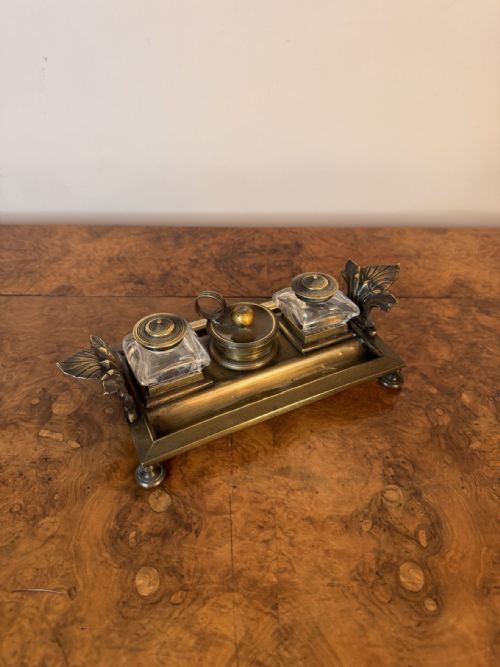
Many period inkstands and inkwells utilised fitted glass or ceramic inserts to hold liquid ink securely within the bronze housing. These removable vessels prevented the corrosive ink from directly attacking the metal structure.
Finding an inkstand with its original glass insert intact enhances its completeness. Replacements are common, so inspecting the fit within the bronze collar helps determine originality.
What is the difference between an inkwell and an inkstand?
An inkwell is a single vessel designed specifically to hold ink, usually featuring a hinged lid to prevent evaporation. These individual pieces could sit independently on a desk or fit into a travelling case.
An inkstand is a larger desk accessory comprising a tray or stand that unifies one or more inkwells alongside pen rests, stamp boxes, or candlesticks. These larger sets formed the permanent centrepiece of a nineteenth-century writing desk.
How do I care for antique bronze desk items?
Maintenance requires gentle dusting with a soft, dry cloth to preserve the historical patina and any applied gilding or cold-painted pigments. Avoid commercial metal cleaners, as abrasive compounds can strip the original finish and diminish the value of the piece.
Protecting the items from direct sunlight and excessive moisture prevents degradation of associated marble bases or wooden components. If glass inserts require washing, remove them entirely from the bronze housing before cleaning.