


Collectable Bronze Animal
A collectable bronze animal brings character to a desk or mantelpiece, combining solid metalwork with lifelike animal forms.
Collectable Bronze Animal
A collectable bronze animal encompasses small sculptures, figurines and mascot pieces ranging across the nineteenth and twentieth centuries. These works capture domestic dogs, farm animals and exotic creatures in cast metal.
Most examples found here date from the Victorian, Edwardian and Art Deco periods, created by European foundries and individual sculptors. Animalier subjects dominate the selection alongside Austrian Vienna bronze and novelty pieces.
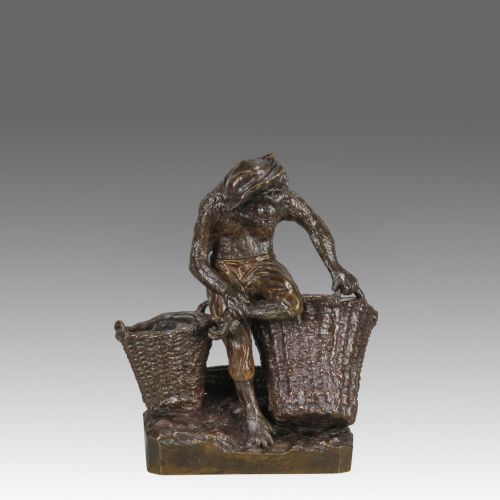
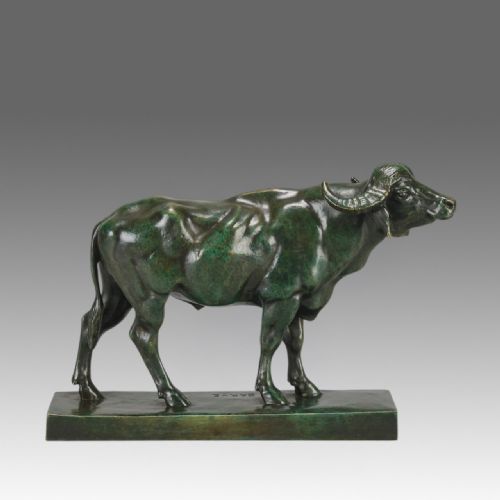
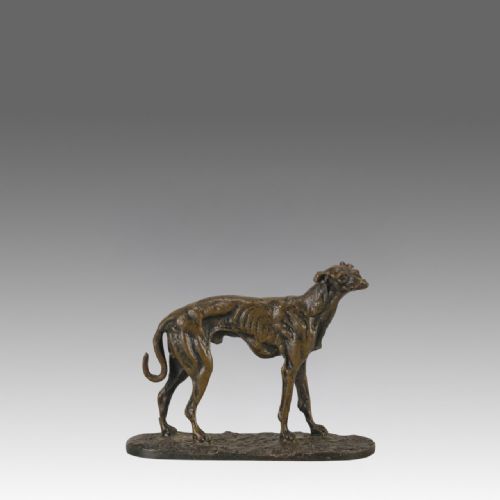
Collectors encounter everything from heavy naturalistic bulls and greyhounds to small painted mice and terriers. Each object relies on metal casting to preserve fine details of fur, skin and posture.
Materials and construction methods
These items are produced primarily through metal casting, utilising bronze as the core medium alongside brass and occasional wooden mounts. Foundries poured molten metal into moulds to form the primary shape of each creature.
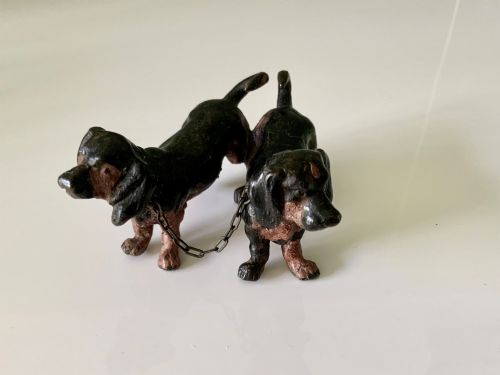
Surface finish varies through the application of dark patinas, natural metal polish and cold-painted enamel. Cold-painted pieces received fine layers of colour applied directly onto the bronze after casting.
Mice and pigs stand shoulder to shoulder with greyhounds and pelicans in this metal menagerie.
Distinguishing finer examples
Quality rests in the precision of the casting and the crispness of anatomical detail visible across the surface. Finer sculptures retain sharp definition in musculature, fur texture and facial expression without softening from worn moulds.
The integrity of the surface finish dictates overall merit, whether through a rich patination or well-preserved cold-painted enamel colours. Maker stamps, foundry marks and artist signatures provide further indication of origin.
Christophe Fratin·Antoine L Barye·P J Mêne·Edith Parsons·Franz Bergman·Barbedienne
The Collectable Bronze Animal Glossary
- Animalier
- A nineteenth-century artistic movement dedicated to the realistic portrayal of animals in sculpture. Practitioners focused heavily on anatomical accuracy and dynamic movement.
- Vienna bronze
- Small Austrian bronze figurines produced during the late nineteenth and early twentieth centuries. These pieces are frequently cold-painted with vibrant enamel colours.
- Patina
- The surface sheen or colour developed on bronze through age, chemical treatment or handling. It protects the metal and adds depth to the appearance.
- Cold-painted
- A technique where enamel paint is applied to a cold bronze object rather than fired in a kiln. This method allows for high detail but remains vulnerable to scratching.
- Mascot
- A small sculptural figure mounted on a vehicle radiator cap or displayed independently. These decorative objects often depict animals in stylised forms.
Collectable Bronze Animal: Frequently Asked Questions
What is a collectable bronze animal?
It is a small cast metal sculpture or figurine depicting domestic or wild creatures, produced primarily by European artists and foundries during the nineteenth and twentieth centuries.
These pieces range from naturalistic nineteenth-century animalier studies to whimsical twentieth-century cold-painted novelties and vehicle mascots.
How do I identify Vienna bronze?
Vienna bronze pieces are typically small, highly detailed animal figures characterised by distinctive cold-painted enamel finishes.
Many examples carry foundry stamps or registration marks such as Geschützt, indicating Austrian origin from the late Victorian or Edwardian eras.
What does animalier mean?
Animalier refers to a nineteenth-century school of sculpture focused specifically on the realistic depiction of animals.
Artists within this movement studied anatomy closely to capture creatures in motion or repose, utilising bronze as their primary medium.
How should I care for cold-painted bronze?
Cold-painted bronze requires gentle dusting with a soft, dry cloth and protection from direct sunlight and moisture.
Avoid liquid cleaners or chemical polishes, as these substances can damage the delicate enamel pigments applied to the metal surface.