

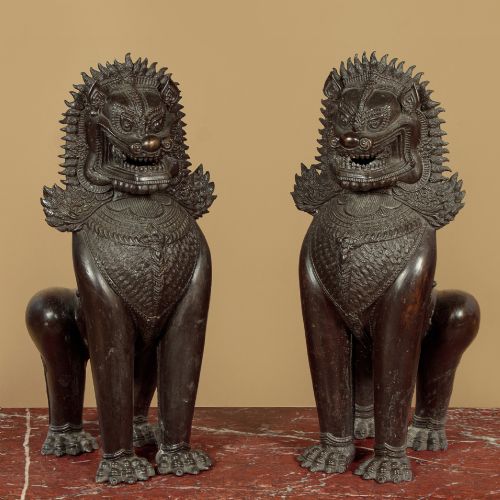
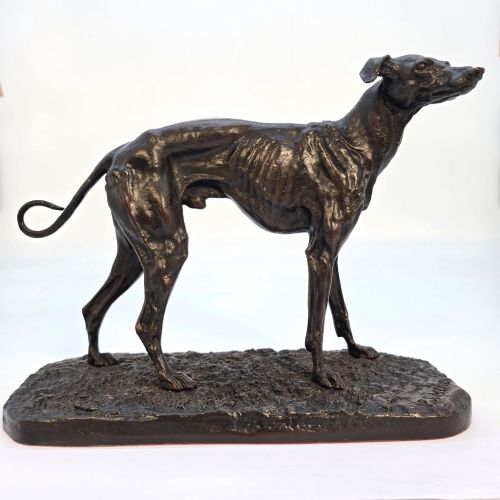
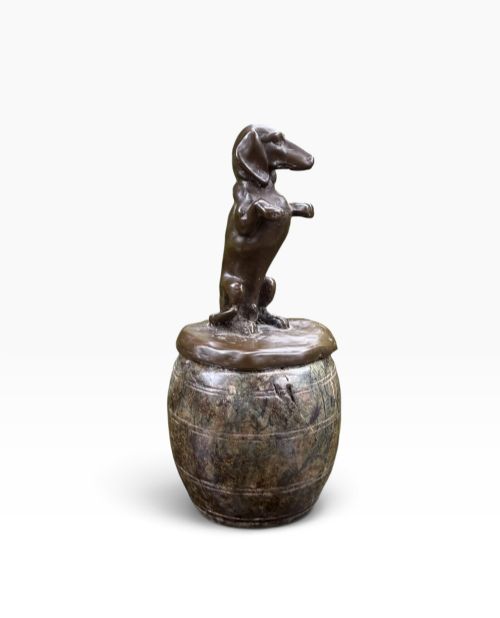
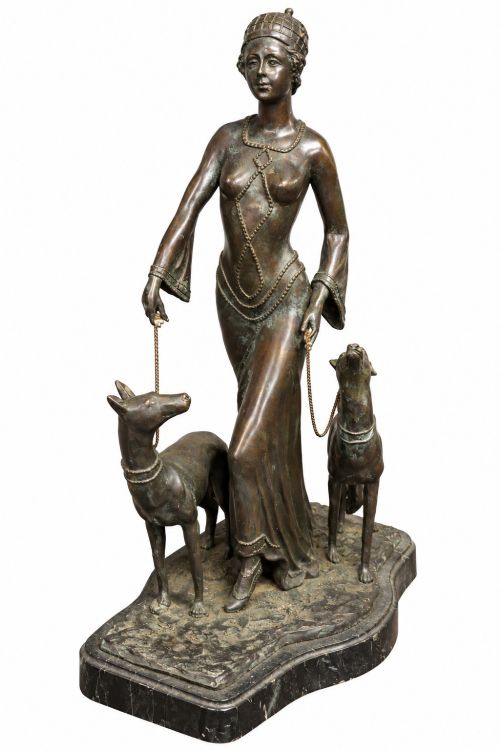





Dark Bronze Dog
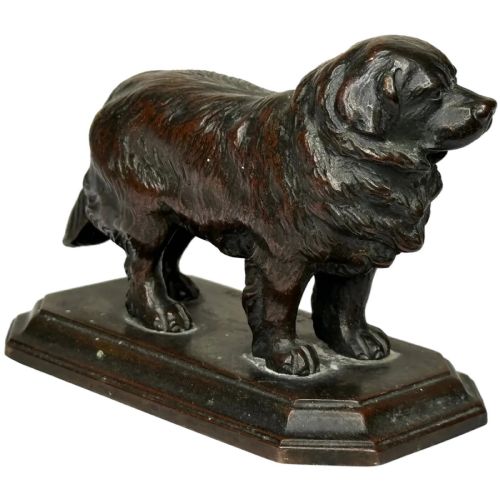
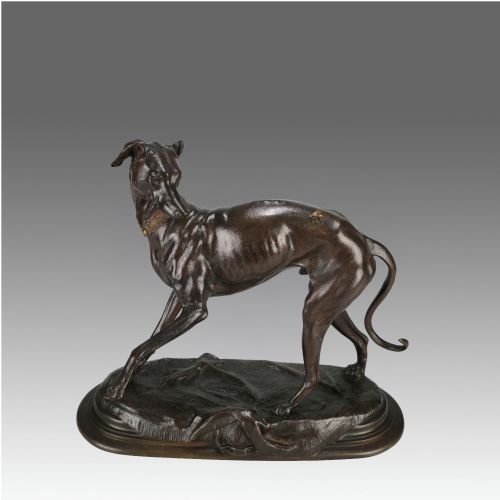
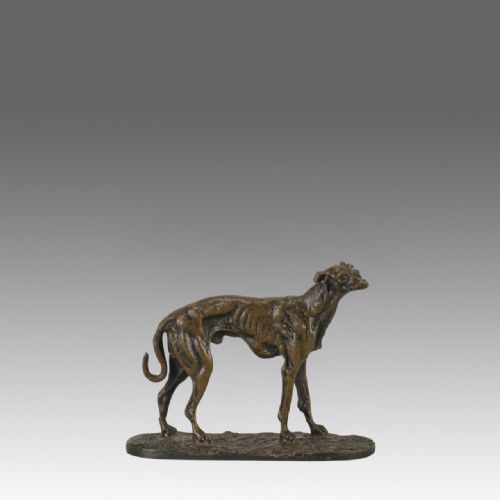
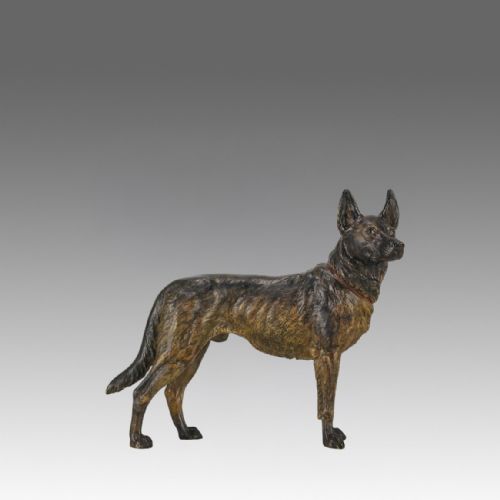
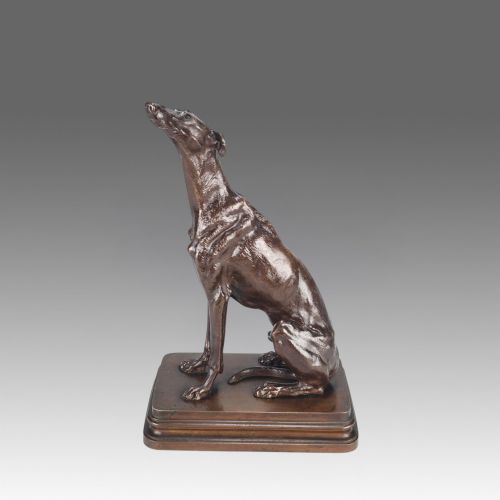
A dark bronze dog brings the tension of the hunt or the patience of the hound into a room through nineteenth-century metalwork.
Dark Bronze Dog
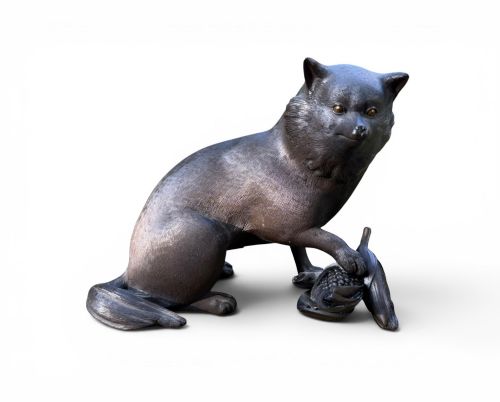
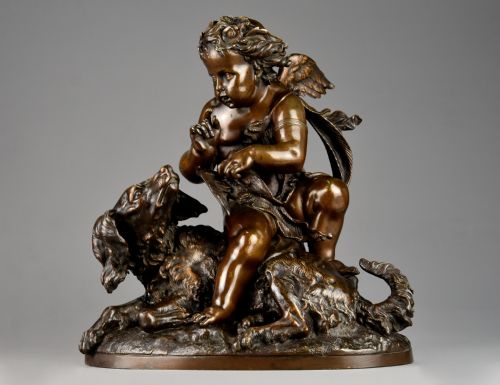
A dark bronze dog is a sculptural study of canine form, most frequently cast during the nineteenth century by European animalier sculptors or Japanese meiji period metalworkers.
Buyers look for these pieces to capture anatomical realism, capturing breeds from greyhounds and setters to terriers and spaniels in patinated bronze.
The version most commonly met on this page is a French animalier casting, often mounted on a marble base or integrated into desk ornaments and fireside accessories.
How they were made
Foundries shaped these works using the lost-wax casting method, allowing intricate detail in muscle, fur and collar to transfer from the clay or wax model into molten metal.
Makers applied chemical patination to the finished bronze surface to achieve deep brown, black or greenish tones that mimic natural ageing.
Some Vienna pieces received cold-painted enamel finishes applied directly over the bronze base rather than firing in a kiln.
Dark Bronze Dog Retail Price Guide 2026
Typical asking prices for dark bronze dog among the pieces listed under this phrase on Sellingantiques today, from the lower quarter to the upper quarter. They describe what is for sale here now, not the wider market.
Some hounds rest on marble bases while others double as paperweights or car mascots.
What varies in quality
Quality depends upon the crispness of the chase-work, where a skilled hand has sharpened the fur texture and facial expression after casting.
The fidelity of the canine anatomy separates standard decorative items from masterworks by recognised animalier sculptors who studied live animals closely.
Weight, density and the subtlety of the chemical patina distinguish a deeply nuanced bronze from a flatly finished commercial casting.
Alfred Dubucand·Alfred Barye·Franz Bergman·P J Mêne·Prosper Lecourtier·Jules Moigniez·Antoine Louis Barye
The Dark Bronze Dog Glossary
- Animalier
- A nineteenth-century artistic movement focused on the realistic portrayal of animals, particularly predators, horses and hounds.
- Patinated bronze
- Metal treated with chemical solutions to produce a specific surface colour, ranging from warm chocolate brown to dark black.
- Cold-painted bronze
- A technique where polychrome oil or enamel paints are applied to cold bronze without kiln firing, common in Austrian tabletop pieces.
- Okimono
- A Japanese freestanding ornamental carving or casting designed for display on a shelf or tokonoma alcove.
- Lost-wax casting
- A traditional method where a wax model is melted out of a mould to create a cavity for poured molten metal.
Dark Bronze Dog: Frequently Asked Questions
How do I identify animalier bronzes?
Animalier bronzes show realistic musculature and naturalistic postures, frequently depicting dogs, horses or wild animals in active or resting states.
Look for foundry stamps or artist signatures cast directly into the bronze base or plinth.
Where were these dog sculptures made?
The majority of nineteenth-century European pieces originated in French foundries where animalier specialists worked closely with casters.
Other notable examples stem from Japanese meiji period metalwork workshops and Austrian studios producing cold-painted novelties.
How should I clean a bronze dog?
Dust the surface gently with a soft, dry microfibre cloth to remove accumulated particles without disturbing the underlying chemical patination.
Avoid using water, soap or metal polishes, as abrasive cleaning agents strip away historic patinas and ruin the finish.
Are marble bases original to the bronzes?
Many nineteenth-century French animalier bronzes were mounted onto polished marble or slate bases by the foundry to provide stability and visual weight.
Inspect the fit between the metal paws and the stone surface to ensure the mounting is contemporary to the cast.