
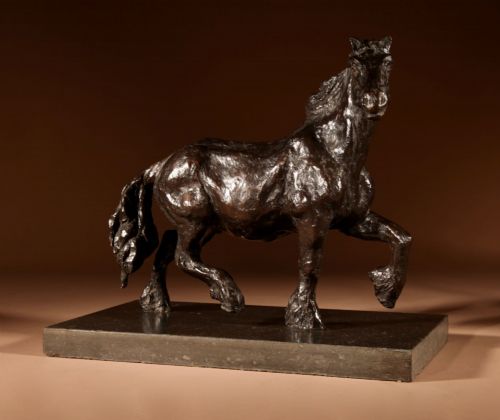


Heavy Bronze Figurine
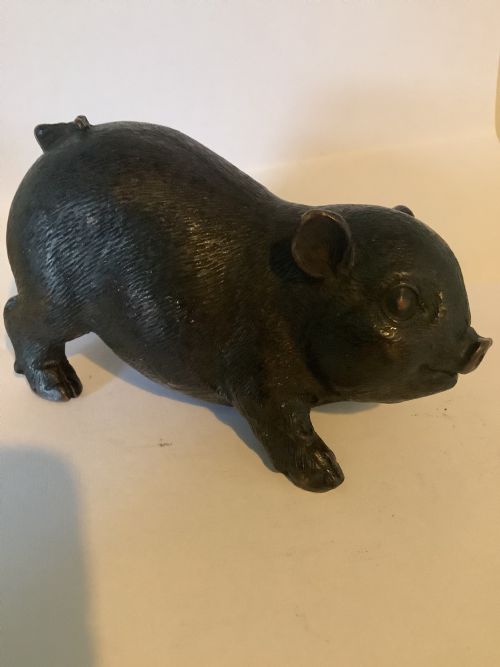
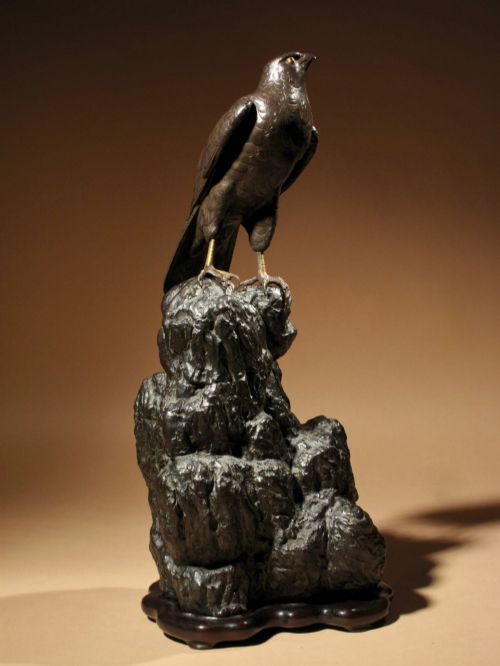
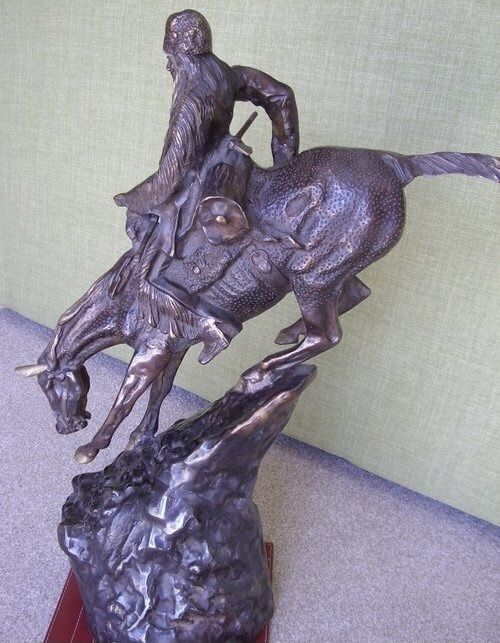
A heavy bronze figurine is a solid metal sculpture prized for its substantial weight and detailed casting, making it a tactile addition to any desk or mantelpiece.
Heavy Bronze Figurine
A heavy bronze figurine represents solid metal casting shaped into animals, figures, or decorative objects, answering the demand for substantial sculptural art. When exploring a heavy bronze figurine, collectors encounter works ranging from nineteenth-century animalier subjects to mid-century modernist pieces.
The selections span various eras from the Victorian period to later than nineteen-sixty, featuring domestic animals, wildlife, and human forms. These pieces often incorporate practical functions, appearing as desk ornaments, doorstops, companion sets, or jewellery boxes alongside pure sculptures.
How they were made
The primary construction relies on bronze casting, frequently utilising the hot cast method to achieve sharp detail and substantial heft. Alternative materials such as cast iron appear in similar forms, sometimes treated with a bronze finish patina.
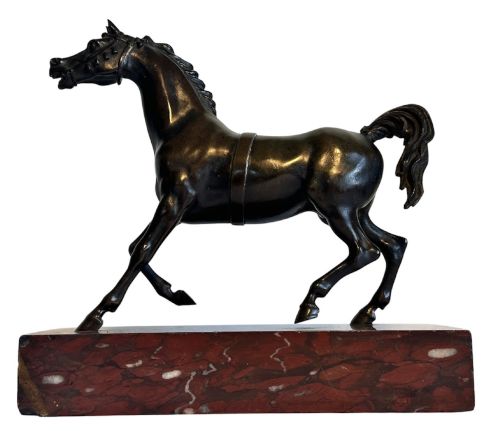
Many works incorporate secondary materials to provide a stable foundation or added texture. Marble bases support several sculptures, while cold-painted enamel and applied paint add colour to specific surfaces.
Materials recorded across the selection include bronze, cast iron, marble, stone, wood, and cold-painted enamel.
What varies in quality
The finish and patination significantly influence the character of the piece. Masterful patination enhances the contours of the metal, whereas inferior surfaces appear flat or obscure the underlying detail of the casting.
Frederic Remington·Luigi Secchi·Antonio Merente·Philip Blacker·Franze Bergman
The Heavy Bronze Figurine Glossary
- Animalier
- A nineteenth-century artistic movement focusing on the realistic depiction of animals, particularly horses, dogs, and wildlife. Sculptors in this tradition studied anatomy closely to capture creatures in motion.
- Cold-painted bronze
- A technique where bronze sculptures are painted with cold enamel rather than fired in a kiln. This method demands careful surface preparation so the paint adheres securely to the metal.
- Patina
- The surface coloration and sheen developed naturally over time or applied chemically by the foundry. A good patina accentuates the depth and texture of the bronze.
- Hot cast bronze
- A traditional foundry method where molten bronze is poured into a mould to create a dense, durable sculpture. This technique captures the finest details of the original model.
- Companion set
- A matched group of hearth or desk accessories designed to be used and displayed together. These sets combine utility with decorative metalwork.
Heavy Bronze Figurine: Frequently Asked Questions
How do I care for a heavy bronze figurine?
Dust the surface regularly with a soft, dry cloth to prevent the accumulation of grime in the recessed details of the casting.
Avoid using harsh chemical polishes or abrasive cleaners, which can strip away the original patina and damage the metal.
Are these figures solid bronze?
Many examples are produced using hot cast bronze, resulting in a solid and heavy construction appropriate for their size. Some listings incorporate alternative metals like cast iron or apply finishes to achieve a similar appearance.
Checking the weight and examining the underside can help determine the underlying material of the piece.
What is an animalier sculpture?
Animalier sculptures focus primarily on the realistic portrayal of animals, capturing them in dynamic poses or natural rest. This style gained significant popularity during the nineteenth century among European artists.
Pieces in this tradition often depict horses, dogs, and bears with careful attention to anatomical accuracy.
How do I identify the age of a bronze?
Age can often be estimated through stylistic indicators, casting techniques, and the character of the surface wear or patina. Nineteenth-century works frequently display specific foundry marks or distinct patination styles compared to mid-century examples.
Signatures or attribution marks inscribed into the base also provide clues to the period of origin.