



Bronze Horse Ornament
A bronze horse ornament captures equine strength and spirit, bringing finely detailed metalwork and sculptural presence directly into any room.
Bronze Horse Ornament
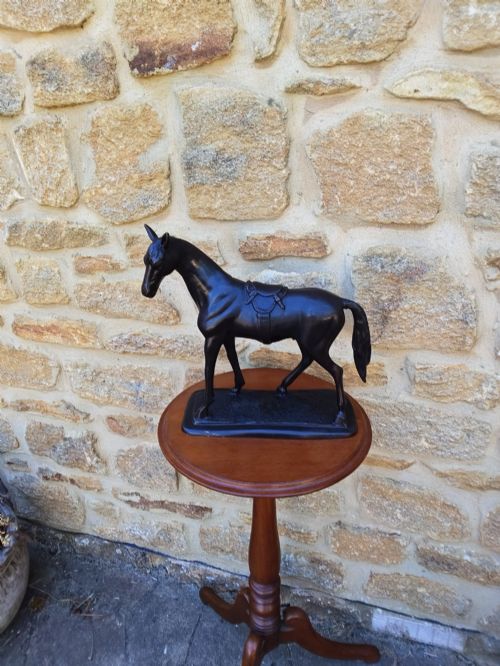
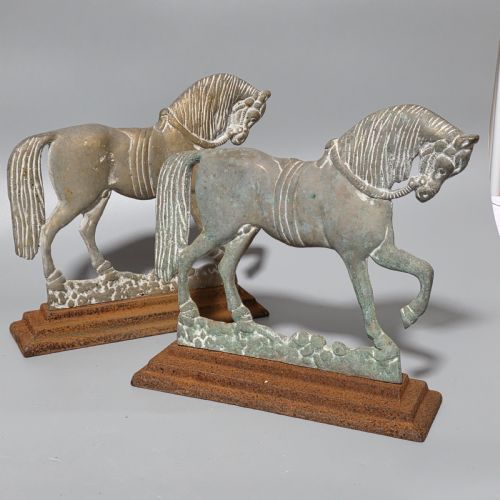
A bronze horse ornament is a sculptural representation of the equine form, ranging from small cabinet figures to substantial desk ornaments and doorstops. When you search for a bronze horse ornament, you encounter pieces spanning the nineteenth and twentieth centuries, produced across Britain, France, Austria, and beyond.
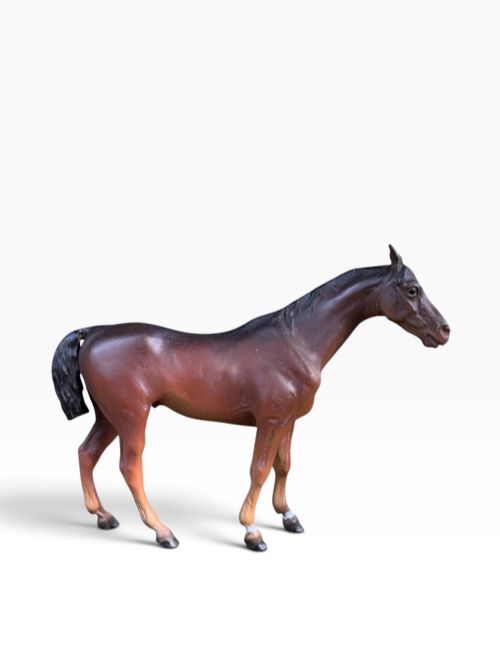
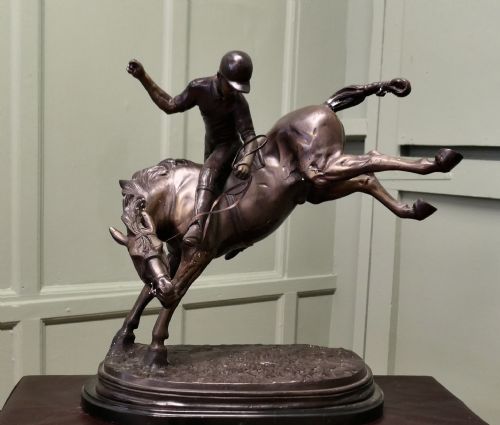
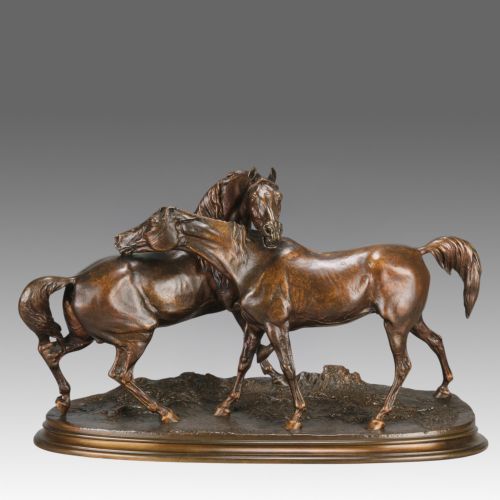
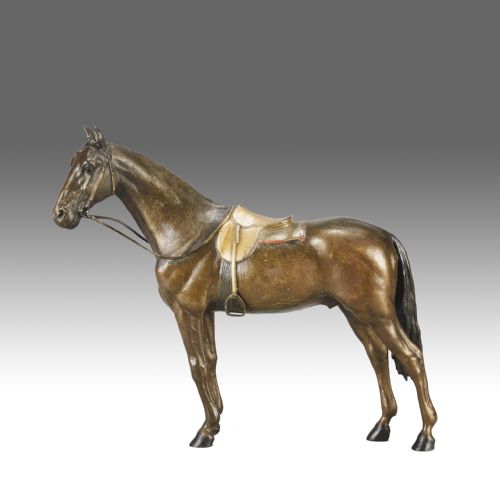
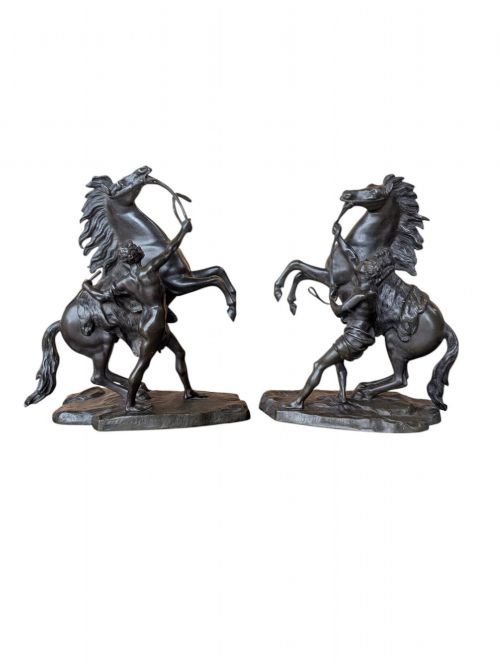
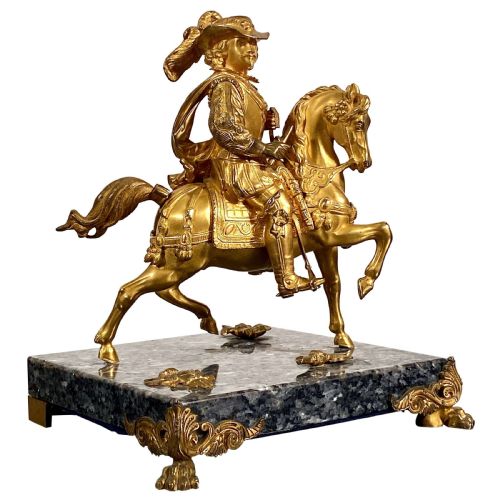
The most frequent examples on this page are French Animalier bronzes and Austrian cold-painted figures from the Victorian and Edwardian eras. These pieces capture horses in action, from draft animals and polo ponies to spirited stallions and mounted historical figures.
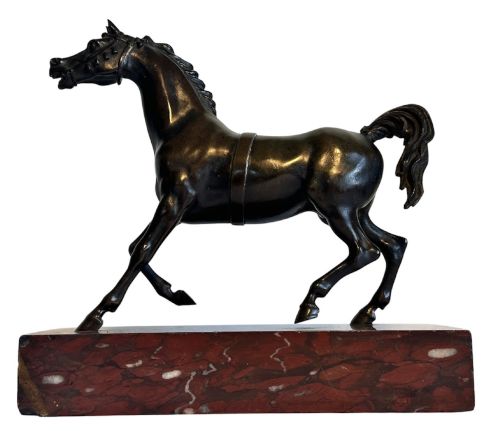
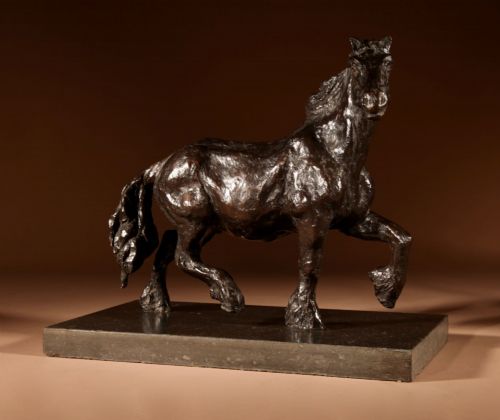
Makers and foundries utilised various bases, including marble and stone, to support these heavy metal sculptures. Whether styled in the manner of the French School or Art Deco modernism, each bronze horse ornament reflects the prevailing artistic tastes of its period of origin.
Materials and methods
Foundries created these objects primarily through traditional metal casting using bronze, brass, and gilt bronze, occasionally pairing the metal with marble or stone bases. Many nineteenth-century works received a patinated or cold-painted surface treatment to enhance the naturalistic texture of the horse coat.
Artisans applied polychrome paint by hand on cold-painted Austrian pieces, while French Animalier works relied on subtle patination to emphasise muscle and movement. Gilt bronze and ormolu finishes provided a bright, reflective surface suitable for Grand Tour ornaments and decorative desk pieces.
The selection includes subjects ranging from draft horses and polo ponies to historical figures on horseback.
Distinctions in quality
The standard of a cast rests on the crispness of detail in the musculature, mane, and tack, separating refined studio work from commercial output. Fine chasing and smoothing after casting remove the visible seams of the mould, leaving a clean surface.
The richness of the patination or the precision of the cold-painted colours determines visual depth. Furthermore, the selection of supporting materials, such as heavy veined marble bases, elevates the presence of the ornament.
M.S·P J Mêne·Franz Bergman·Charles Crozatier·Philip Blacker·Pierre Jules·Paul Joseph Gayrard
The Bronze Horse Ornament Glossary
- Animalier
- A nineteenth-century artistic movement focused on the realistic portrayal of animals. Sculptors in this tradition studied anatomy closely.
- Cold painted
- A technique where paint is applied to cold bronze rather than fired in a kiln. This method allows for fine polychrome surface detail.
- Ormolu
- Finely ground high-carat gold applied to bronze objects using a mercury amalgamation process. It yields a rich, durable golden finish.
- Patination
- The chemical colouring of a metal surface over time or through treatment. A good patina adds depth and highlights the underlying bronze.
- Grand Tour
- A cultural journey undertaken by wealthy young Europeans visiting historical sites. They often brought back small bronzes as souvenirs.
Bronze Horse Ornament: Frequently Asked Questions
How do I identify an Animalier bronze horse?
Animalier bronzes focus on anatomical accuracy and natural movement, depicting horses in realistic poses like trotting, rearing, or resting.
These sculptures often bear the signature or foundry mark of the artist on the bronze base, dating from the nineteenth century.
What is cold-painted bronze?
Cold painting involves applying polychrome pigments directly onto a cold bronze casting without subsequent kiln firing. This technique was favored by Austrian workshops for colourful animal figures.
Over time, handling can cause minor wear to the paint layers, which helps confirm the age and authenticity of the piece.
Where were these horse ornaments displayed?
In period interiors, bronze horse ornaments sat on library desks, mantelpieces, and side tables as decorative statements. Wealthy collectors also placed them in cabinets alongside other small sculptures and objets d'art.
Larger versions functioned as floor-standing statues or sturdy doorstops in grand hallways.
How should I clean a vintage bronze horse?
Dust the surface gently with a soft, dry cloth to prevent the accumulation of grit in the crevices of the mane and musculature. Avoid using metal polishes or harsh chemical cleaners, as these can strip away the original patina.
An occasional application of microcrystalline wax helps protect the metal from moisture and handling wear.