
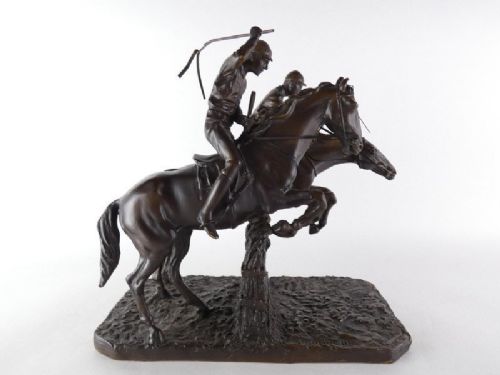


Dark Bronze Horse
A dark bronze horse captures the raw power and motion of the animal through centuries of foundry traditions.
Dark Bronze Horse
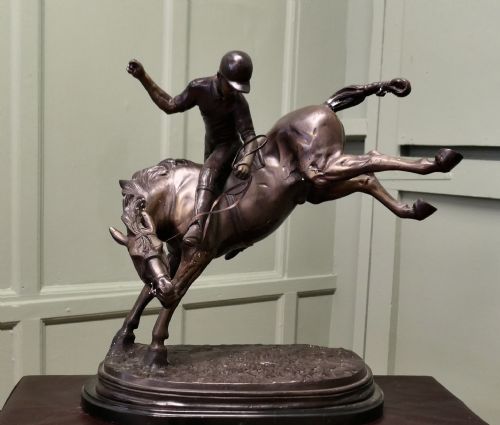
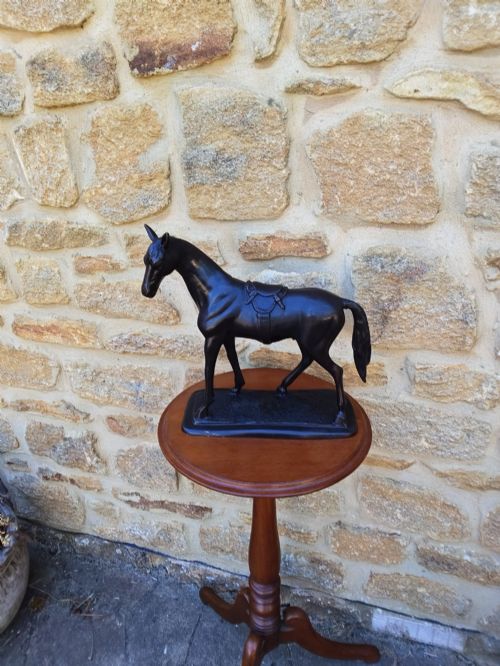
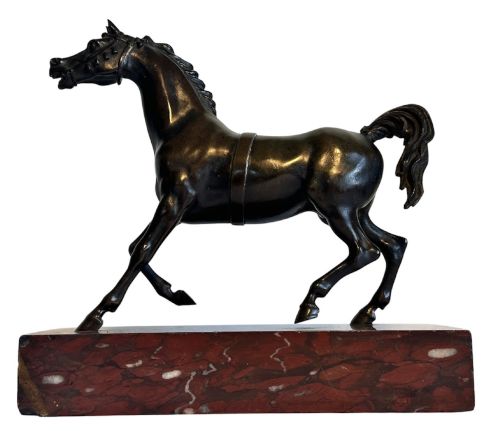
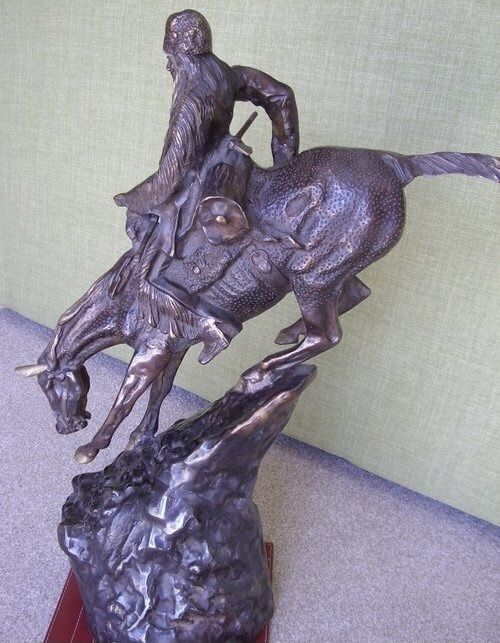
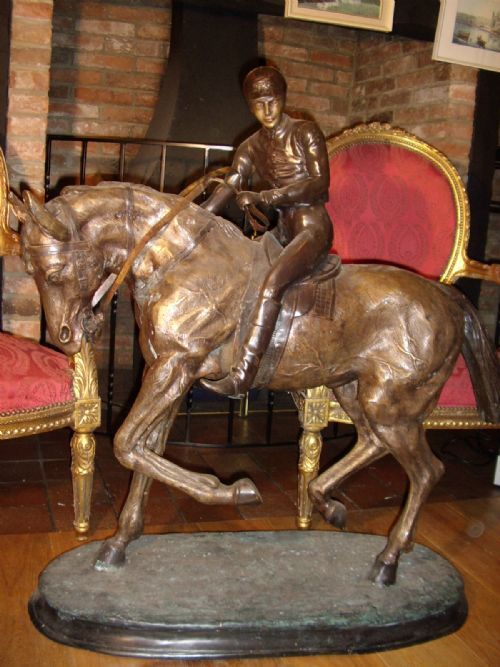
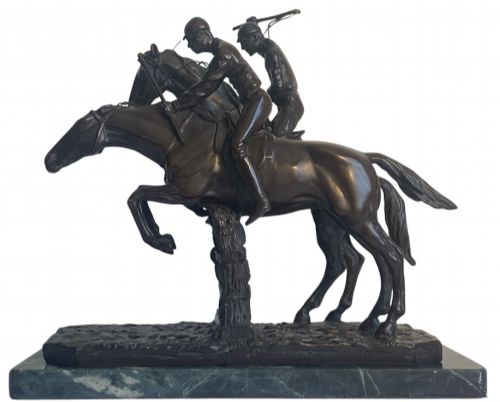
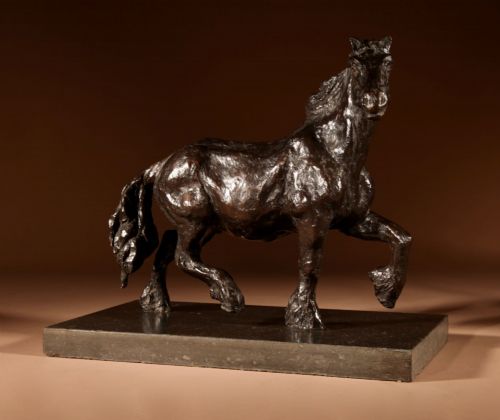
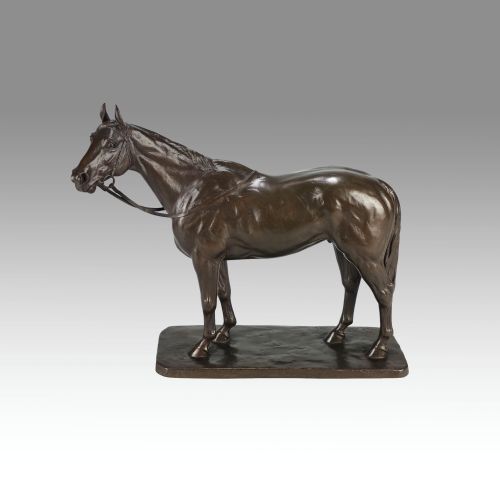
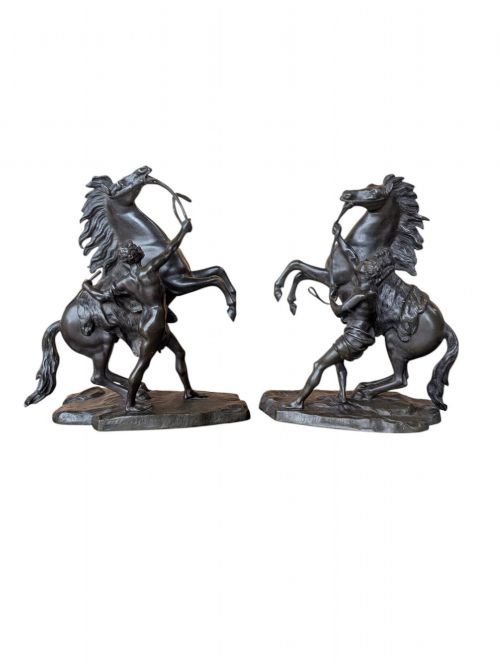
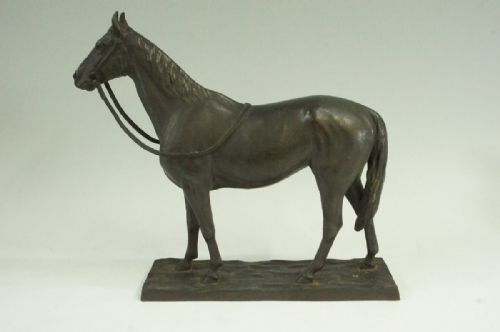
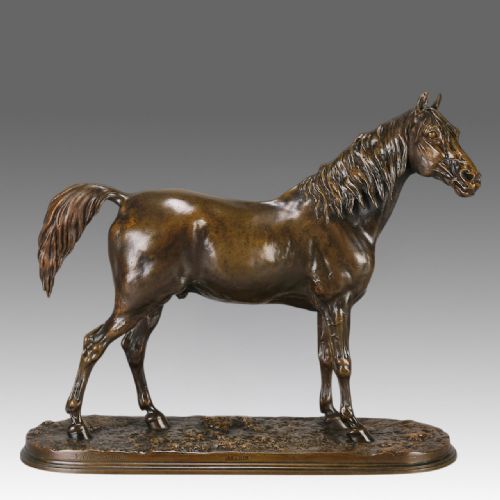
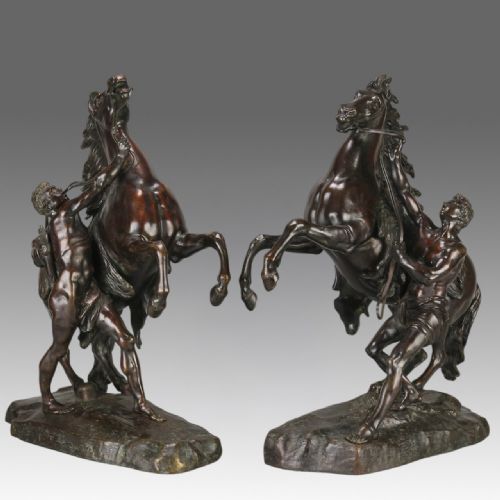
A dark bronze horse brings the dynamic movement of equines into three dimensions, capturing subjects from racing thoroughbreds and working draft animals to classical figures on horseback. When exploring a dark bronze horse on this page, buyers encounter pieces spanning the nineteenth and early twentieth centuries alongside Japanese Meiji period examples and grand tour souvenirs.
The sculptural forms range from solitary rearing stallions and racing steeplechasers to complex groups featuring jockeys, grooms, and historical riders. These works draw heavily on French Animalier traditions and classical models like the Marly Horses, reflecting diverse origins from European foundries to Japanese workshops.
Materials and casting methods
Foundries utilised traditional lost-wax or sand casting techniques to shape molten bronze into intricate animal forms, often finishing the metal with chemical patinas to achieve rich dark tones. Many sculptures incorporate heavy stone supports, mounting the metal figures upon marble bases or plinths.
Surface details receive careful attention through hand-chasing and tooling after the cast cools, while select pieces incorporate cold-painted pigments or highlights directly onto the metal surface.
Several horses wear full racing tack while others gallop entirely bareback.
Distinctions in quality
Quality rests upon the crispness of the chase work and the fidelity of the musculature, where superior casts preserve the tension in sinews and veins rather than softening under heavy patination. The depth and warmth of the dark patina also dictate visual success, separating master foundry output from commercial secondary casts.
Integration with the base material matters equally, as finer pieces feature custom-fitted marble plinths or stable structural mounts that support the weight of the bronze without awkward gaps.
Pierre Jules Mene·Kunio Ito·Franz Bergman·John Willis Good·Isidore Jules Bonheur
The Dark Bronze Horse Glossary
- Animalier
- A nineteenth-century artistic movement dedicated to the realistic portrayal of animals, particularly in bronze. Sculptors in this tradition focused on capturing anatomical accuracy and natural movement.
- Patina
- The surface coloration and sheen developed on bronze either naturally over time or artificially through chemical treatments. Dark patinas are frequently achieved using acid solutions.
- Grand Tour
- A traditional trip through Europe undertaken by upper-class young men in the eighteenth and nineteenth centuries. Souvenirs included small-scale bronze sculptures of classical monuments and horses.
- Lost-wax casting
- A historical method of metal casting where a molten metal is poured into a mould that has been created by means of a wax model. This technique allows for exceptional detail in sculptural work.
- Chasing
- The process of hand-finishing a metal casting using hammers and punches to refine details and remove mould lines. Skilled chiselling distinguishes finer bronze works from mass production.
Dark Bronze Horse: Frequently Asked Questions
How do I care for a bronze horse?
Dust the surface gently with a soft, dry brush to prevent particulate accumulation.
Apply a microcrystalline wax occasionally to protect the dark patina from moisture and handling oils.
Where were these sculptures made?
Foundries across France, Italy, Austria, and Japan produced these equestrian bronzes during the nineteenth and early twentieth centuries.
Japanese workshops created notable works during the Meiji and Taisho periods for both domestic and export markets.
What is an animalier bronze?
An animalier bronze depicts animals in realistic anatomical poses, capturing their energy and behaviour.
This sculptural style gained immense popularity across Europe during the Victorian era.
How are periods identified?
Dating relies upon foundry marks, signatures, casting techniques, and stylistic conventions associated with specific decades.
Base materials and mounting styles also provide strong chronological indicators for nineteenth-century works.