


Heavy Bronze Sculpture
Heavy bronze sculpture brings substantial weight and enduring metalwork to desk accessories, bookends, and animal figures across multiple periods.
Heavy Bronze Sculpture
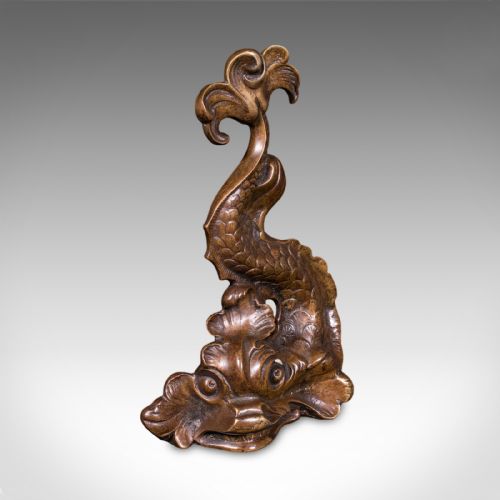
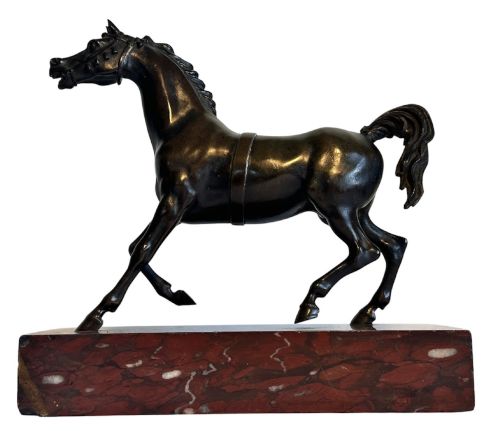
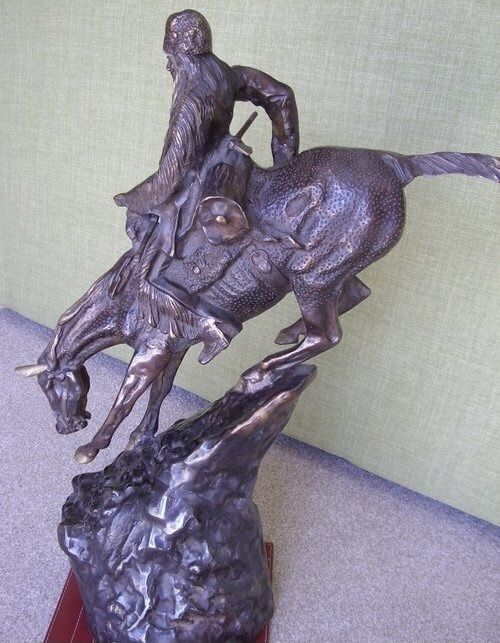
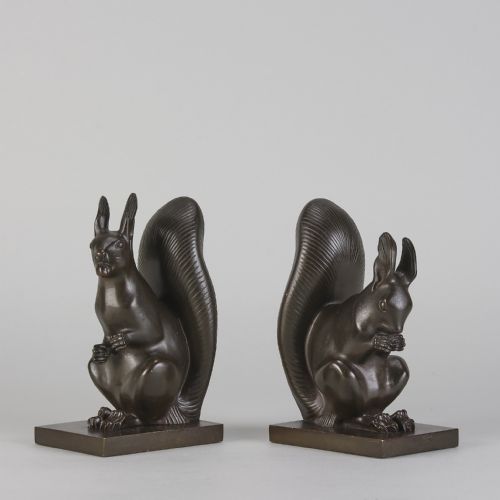
When you search for heavy bronze sculpture, you encounter a diverse array of metalwork objects spanning from nineteenth century animalier figures to early twentieth century bookends. These pieces take the form of freestanding statues, desk accessories, doorstops, and figural inkwells cast in solid metal.
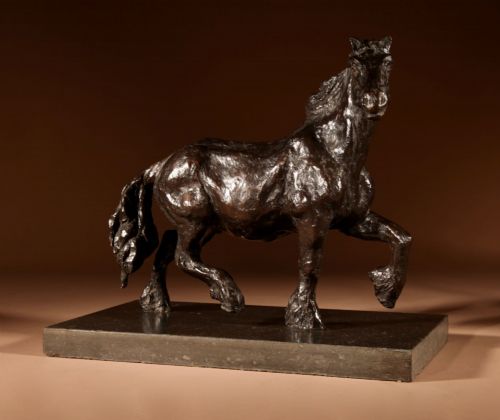
The selections on this page lean heavily towards animal subjects, including horses, dogs, and lions, alongside human figures and mythical creatures. You meet works originating from English, French, Austrian, Chinese, Japanese, and African workshops, reflecting diverse cultural traditions of casting.
Dated examples stretch from the Regency period through Victorian times and into the modernist movements of the twentieth century. Animalier realism and Art Deco stylisation dominate the aesthetic range of the items gathered here.
How they were made
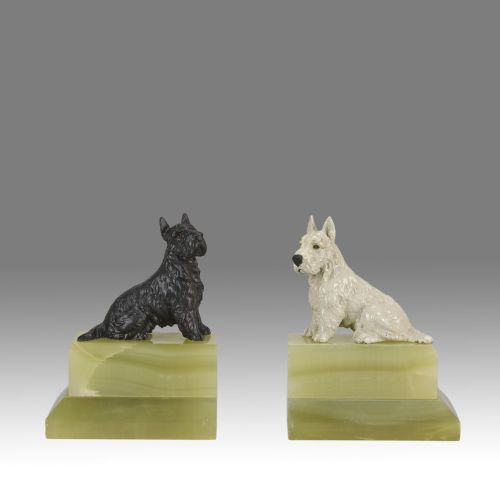
The physical substance of these works relies principally on cast bronze, frequently mounted on bases of marble, stone, onyx, or wood to provide stability for the heavy metal above. Certain items utilise brass or iron with a bronze finish patina, while others employ cold-painted techniques on the metal surface.
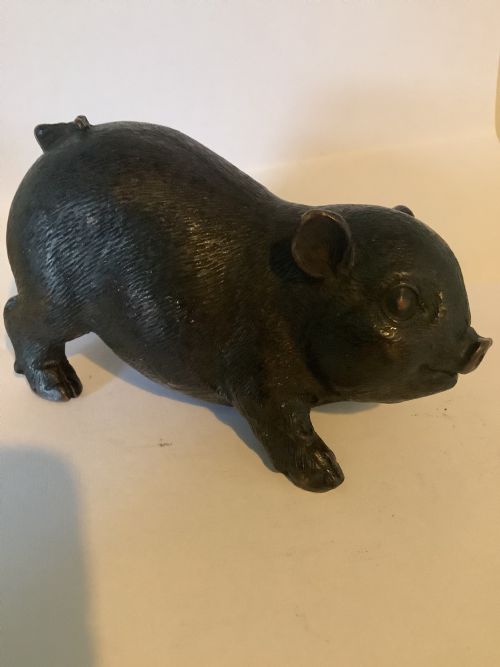
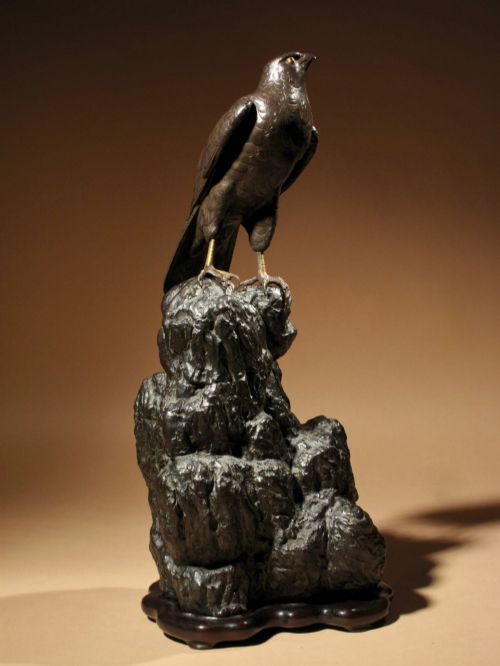
Foundries employed traditional casting methods to capture fine details in figures such as horses, birds, and human subjects. The resulting metal forms exhibit substantial mass, with weights extending to significant proportions in larger temple lions and statue groups.
Several heavy bronze animals serve dual lives as stern bookends, keeping unruly volumes in check.
What varies in quality
The quality of the patination and the integrity of the base materials, such as heavy marble or onyx plinths, differentiate standard production items from masterworks. Signed pieces and works bearing foundry marks command greater attention through verified authorship and superior finishing.
Franz Gruber·C Omin·Philip Blacker·Ernest Louis Adnin·Franz Bergman
The Heavy Bronze Sculpture Glossary
- Bronze
- An alloy consisting primarily of copper, traditionally mixed with tin, used for durable metal casting. It develops an attractive surface patina over time.
- Animalier
- A nineteenth century artistic style and movement focusing on realistic depictions of animals, particularly in sculpture. Practitioners captured beasts in motion or repose with anatomical precision.
- Patina
- The surface coloration and sheen acquired by bronze through age and chemical treatment. This chemical layer protects the underlying metal and adds visual depth.
- Cold-painted bronze
- A technique where colour is applied to a bronze casting using oil or enamel paints without firing the object in a kiln. Austrian workshops utilised this method extensively for small figures.
- Bookends
- A pair of heavy objects placed at the ends of a row of books to keep them upright. In heavy metalwork, these often take the form of matching animal figures.
Heavy Bronze Sculpture: Frequently Asked Questions
How do I clean a bronze sculpture?
Dust the metal gently with a soft, dry cloth to remove surface particles without disturbing the underlying patina.
Avoid using harsh chemical polishes or water, which can strip the historic surface finish from the metal.
What periods do these sculptures cover?
The inventory spans the nineteenth century through the twentieth century, incorporating Regency, Victorian, and Art Deco eras.
Earlier pieces often reflect traditional animalier or classical motifs, while later examples embrace modernist interpretations.
Why are some pieces mounted on marble?
Marble, stone, and onyx bases provide essential structural weight and a stable foundation for heavy metal sculptures.
These plinths also enhance the visual presentation of the bronze figure by creating a formal boundary.
Are these sculptures solid metal?
Many items consist of substantial cast bronze or hot-cast metal, contributing to significant overall object weight.
Certain desk accessories and larger statues combine solid casting techniques with fitted bases of stone or wood.