
Cast Bronze Animal
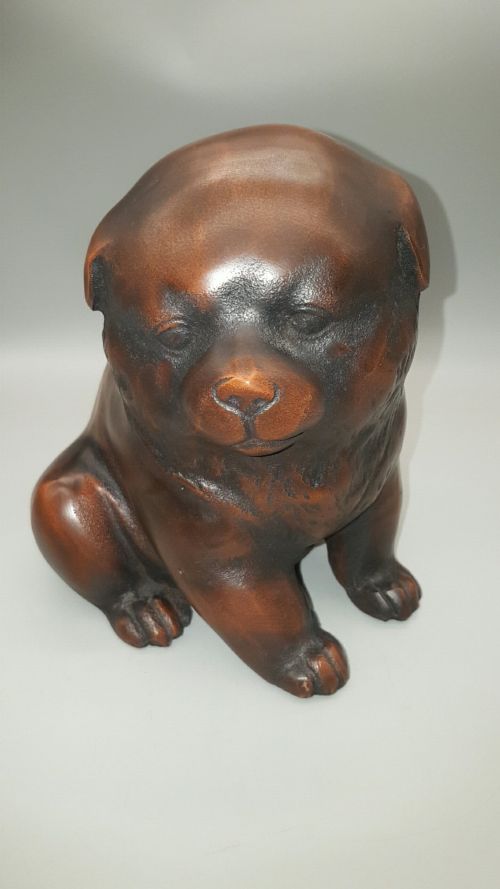
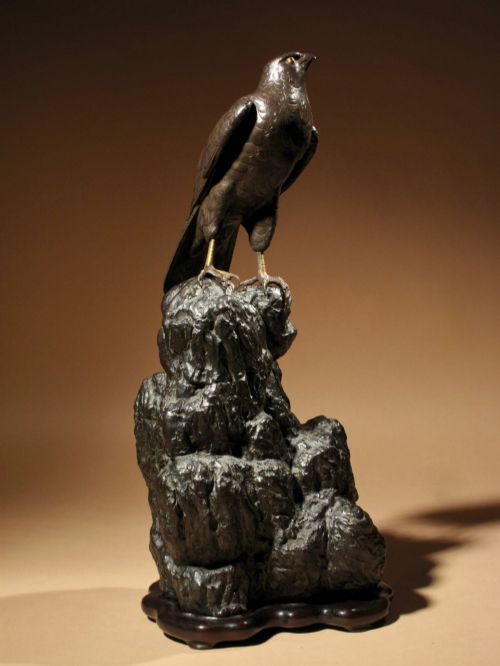
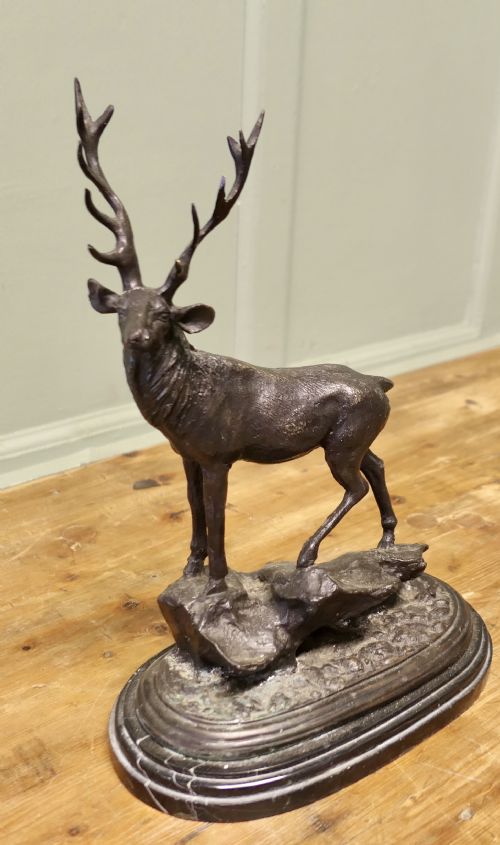
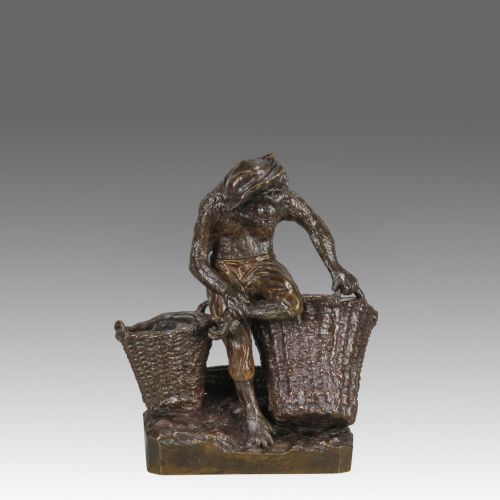
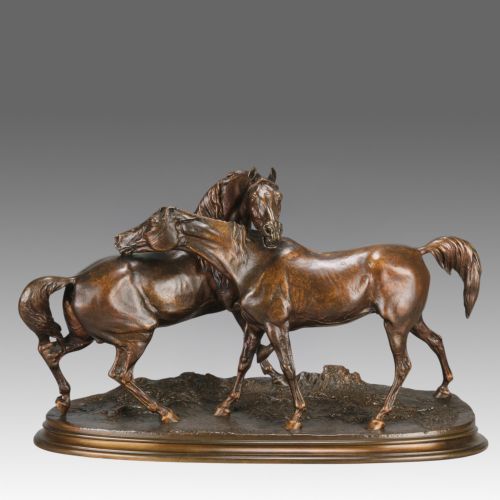
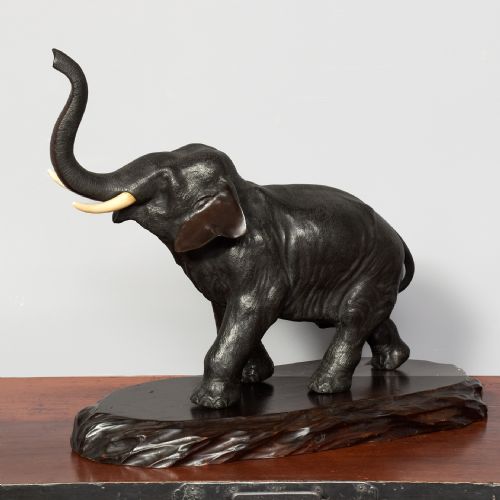
These cast bronze animal figures range from French Animalier hounds to Meiji period Japanese elephants, capturing natural movement in heavy metal.
Cast Bronze Animal
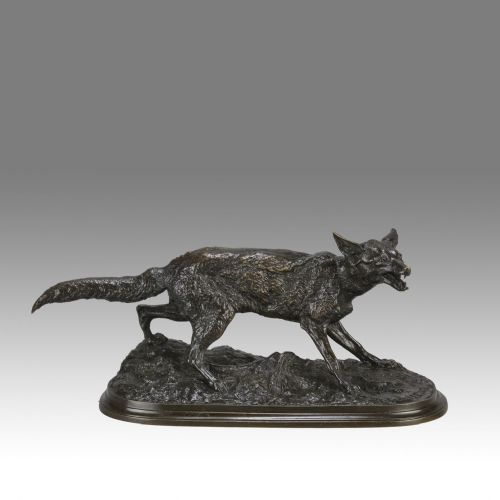
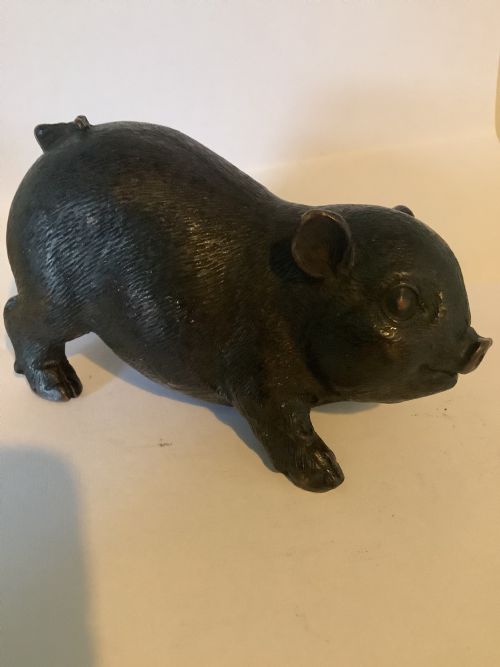
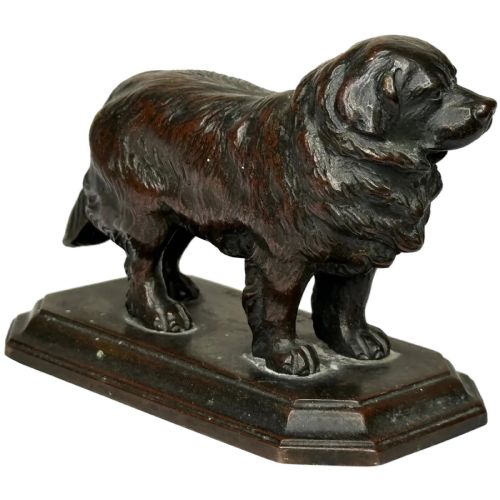
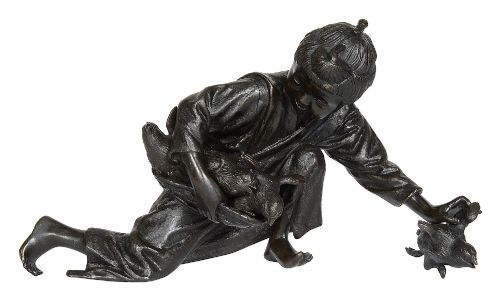
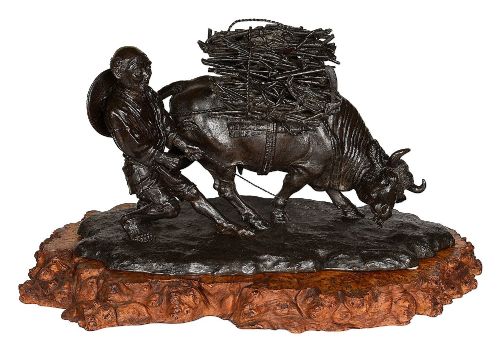
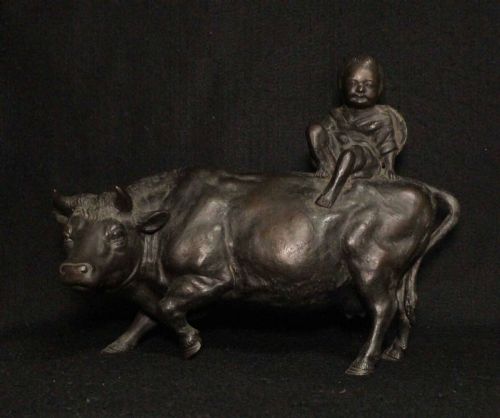
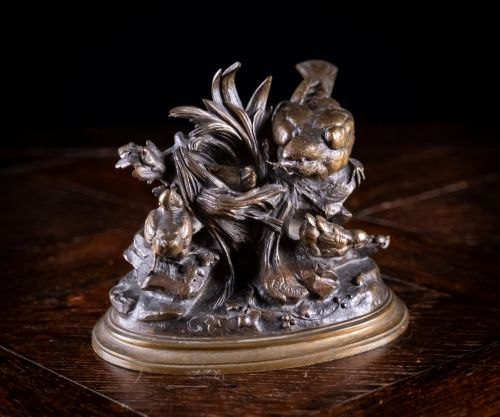
A cast bronze animal piece is a sculptural work depicting wildlife, domestic pets, or livestock, produced in various dimensions from small desk ornaments to large garden figures. When exploring cast bronze animal options, collectors frequently encounter nineteenth-century European Animalier subjects alongside Meiji period Japanese okimono castings.
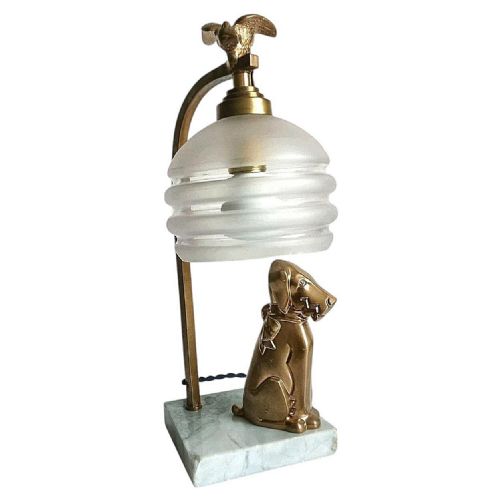
The selection encompasses diverse utilitarian and decorative forms, including bookends, table lamps, incense burners, and fountain spouts. Subjects span working dogs, big cats, birds, and farm animals, often mounted on marble plinths or naturalistic bases.
European examples typically reflect nineteenth-century academic realism, whilst Japanese works from the Meiji era demonstrate meticulous detail in depicting native fauna and domestic scenes.
How they were made
Foundries primarily utilised the lost-wax casting method to capture fine anatomical details, fur textures, and feather patterns in molten bronze. After casting, artisans chased the metal surface with chisels and files to refine the contours before applying chemical patination.
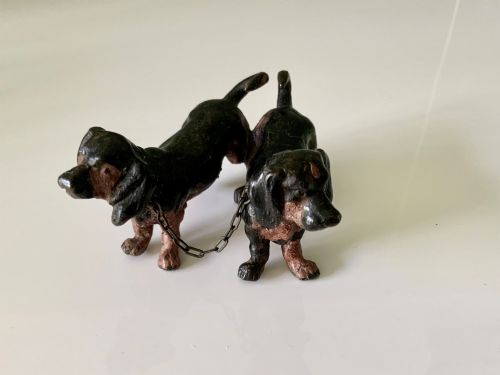
Certain Austrian workshops applied polychrome cold paint directly onto the cured bronze surface, creating vibrant coloration on birds and dogs without firing. Mixed media elements occasionally appear, incorporating carved ivory tusks, wood bases, or marble plinths to complement the main metal body.
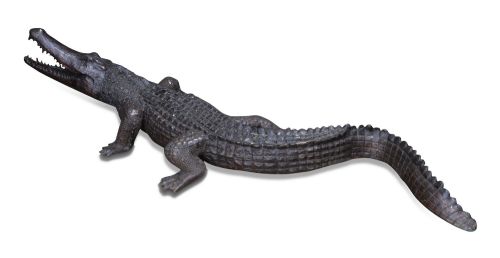
A life-size bronze crocodile measuring nearly three metres long waits alongside miniature bronze dachshunds.
What varies in quality
Casting sharpness dictates the fidelity of musculature, expression, and texture, distinguishing superior studio output from secondary workshop editions. Crisp definition in the chasing work reveals the hand of a skilled artisan rather than a blunt secondary mould.
The nuance and depth of the patinated bronze surface significantly affect the visual impact, ranging from flat, uniform dark tones to layered, warm brown hues with subtle highlights. Original cold-painted surfaces retain their pigment integrity better when handled with care over decades.
P J Mêne·Christophe Fratin·Antoine L Barye·Franz Bergman·Alfred Barye·Alfred Dubucand·Franz Gruber
The Cast Bronze Animal Glossary
- Animalier
- A nineteenth-century artistic movement focused on the realistic portrayal of animals, particularly predators and horses. Practitioners studied live specimens closely in menageries.
- Cold-painted bronze
- A technique where oil paint is applied to a cold bronze casting without subsequent firing. This method was widely used in Vienna for colourful bird and animal figures.
- Okimono
- A Japanese decorative figurine designed for display on a shelf or in a tokonoma alcove. These pieces often depict animals, figures, or daily scenes from the Meiji period.
- Patina
- A thin layer that forms on the surface of bronze through oxidation or chemical treatment. Artists manipulate this chemical reaction to achieve specific brown, green, or black surface tones.
- Lost-wax casting
- A metalworking process where a molten metal is poured into a mould that has been created by means of a wax model. The wax is melted and drained away prior to pouring.
Cast Bronze Animal: Frequently Asked Questions
What is an animalier bronze?
An animalier bronze is a nineteenth-century sculpture focused on realistic animal anatomy and behaviour. These pieces were produced primarily in France by artists who observed subjects in menageries.
They capture creatures in motion or repose, ranging from heavy draught horses to hunting dogs and big cats.
What is a Meiji period bronze?
A Meiji period bronze originates from Japan between eighteen sixty-eight and nineteen twelve. These works often take the form of detailed okimono depicting elephants, bears, or daily village life.
Japanese founders achieved remarkable surface textures and incorporated mixed media elements like ivory or wood.
How were these bronzes used originally?
These figures served as decorative mantel ornaments, desk accessories, and functional items such as bookends and incense burners. Larger examples stood in gardens as fountain spouts or courtyard sculptures.
Smaller desk figures brought natural forms into nineteenth-century domestic interiors.