







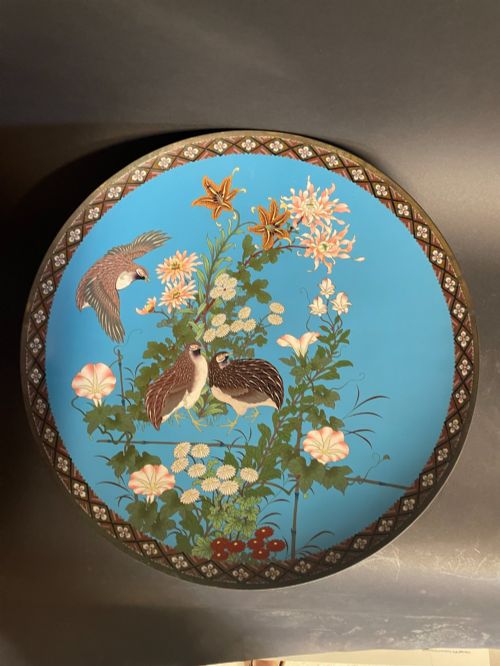
Antique Ceramic Wall Dish
An antique ceramic wall dish brings centuries of painted tin-glazed earthenware, porcelain and delicate enamel into the home.
Antique Ceramic Wall Dish
When you search for an antique ceramic wall dish, you encounter substantial chargers and decorative plates spanning multiple centuries and global kilns. These objects were originally made for display on tables or sideboards, and many feature old mounting holes or wire fixtures added later to secure them directly to walls.
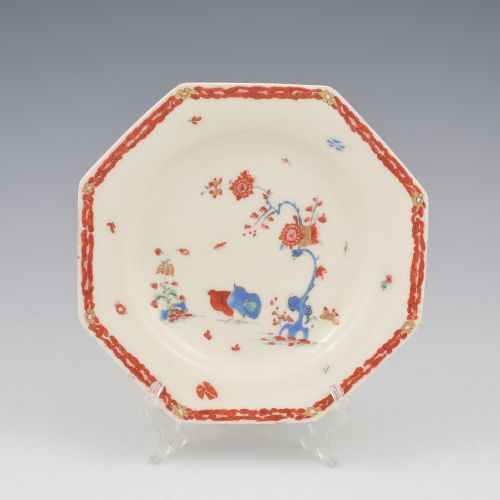
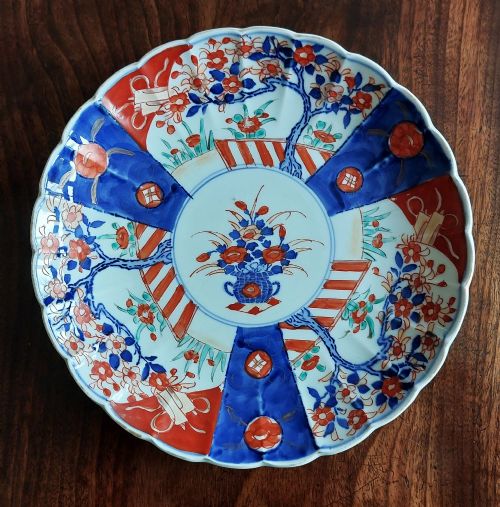
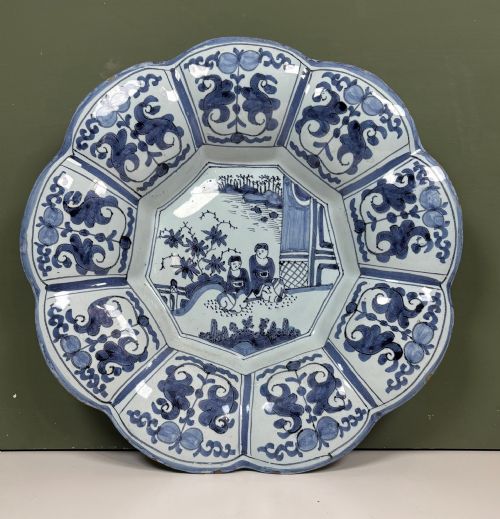
The most common examples on this page are eighteenth-century Delftware chargers and nineteenth-century Japanese Imari porcelain plates. You will also find eighteenth-century English soft-paste porcelain dishes and tin-glazed earthenware from Dutch and French workshops.
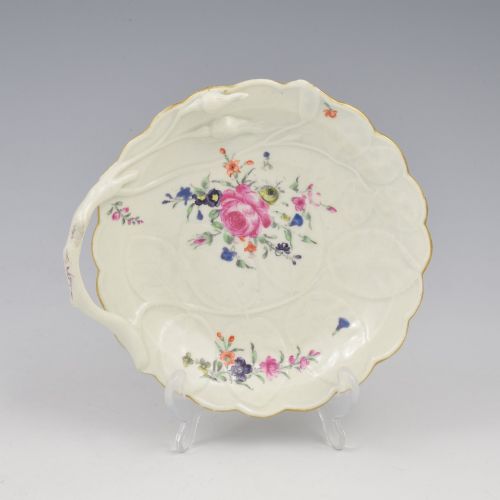
Forms range from deep circular chargers to scalloped dessert dishes, square plates, and lobed display pieces. Each style reflects the prevailing tastes of its period, from Chinese export designs to European Chinoiserie and Japanese Meiji aesthetics.
Materials and manufacture
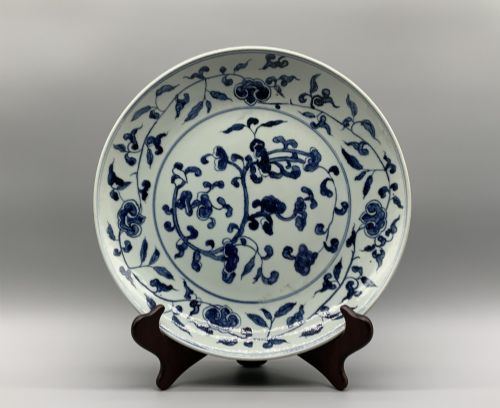
Makers shaped these pieces using either earthenware bodies requiring a tin glaze or fine soft-paste and hard-paste porcelain. Tin-glazed earthenware provided an opaque white surface suitable for cobalt blue painting, while porcelain bodies allowed for crisp, translucent forms.
Painters applied mineral pigments by hand before firing the pieces in kilns, often using cobalt for blue and white designs or polychrome enamels for brighter palettes. Gilding with gold leaf was frequently added to high-status cabinet plates during later decorative stages.
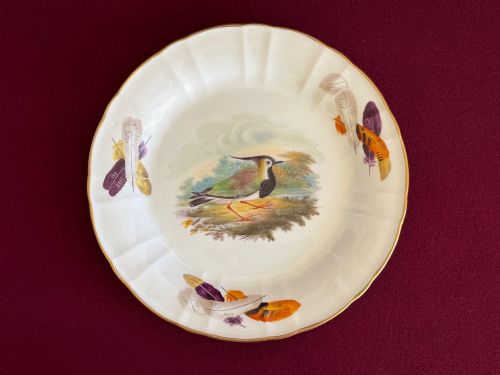
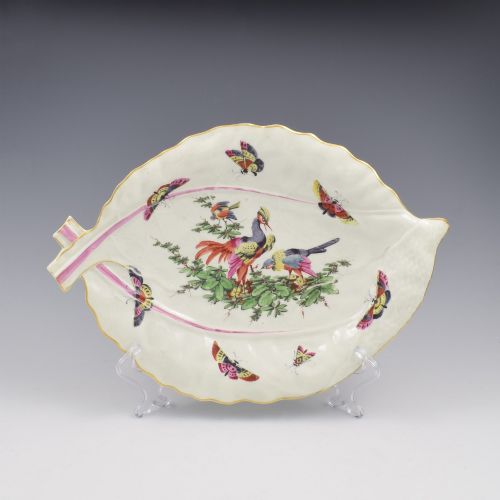
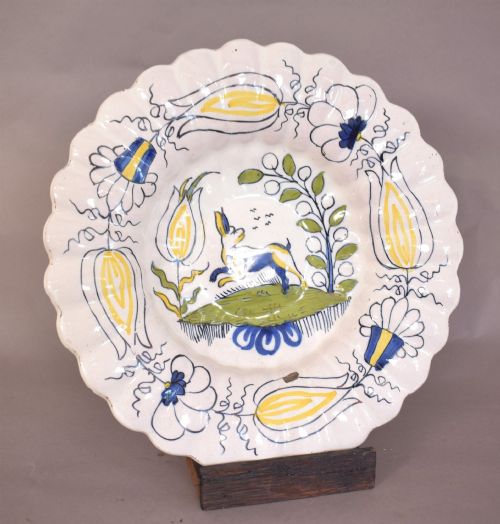
Several plates depict exotic birds and bears, proving that historical potters enjoyed wild fauna just as much as formal florals.
Assessing quality and execution
Quality in these ceramics rests primarily on the crispness of the hand-painted decoration and the precision of the glaze. Finer pieces display confident brushwork and well-balanced compositions, whereas lower-tier examples show hasty application and muddy colours.
The purity of the porcelain paste and the stability of the glaze during firing also separate standard production wares from exceptional cabinet pieces. Well-preserved surfaces with minimal kiln stilt marks or firing distortion indicate superior workshop standards.
Wedgwood Bone China·Royal Worcester·Royal Crown Derby·John Davenport of Longport
The Antique Ceramic Wall Dish Glossary
- Charger
- A large decorative plate, typically exceeding thirty centimetres in diameter, designed for display on a wall or sideboard rather than daily dining.
- Tin-Glazed Earthenware
- Pottery coated with an opaque white glaze containing tin oxide, which provides a smooth canvas for painted decoration.
- Soft-Paste Porcelain
- A ceramic composition made from a mixture of clay, glass, and ground minerals, fired at lower temperatures than hard-paste porcelain.
- Imari
- A style of Japanese export porcelain characterised by a palette of underglaze blue, iron red, and gold, highly popular in European interiors.
- Chinoiserie
- European artistic interpretations of Chinese and East Asian artistic traditions, frequently seen on eighteenth-century earthenware and porcelain.
Antique Ceramic Wall Dish: Frequently Asked Questions
How do I hang a heavy ceramic charger safely?
Most antique chargers require a coated wire spring hanger that grips the rim securely without causing friction damage to the glaze. Ensure the wall fixing is anchored directly into solid masonry or a timber stud rather than relying on standard plasterboard plugs.
For exceptionally large or deep pieces, a custom wooden bracket or professional museum mount provides better weight distribution. Check the stability of the hanging wire periodically to prevent accidental slips.
Were these dishes originally meant for walls?
Few of these pieces were hung on walls when first made; most began life as table service items, serving platters, or sideboard display chargers. Pierced foot rings for suspension were sometimes added at the factory, but owners frequently drilled holes into the foot rim later to display them.
As interior decoration tastes shifted toward cabinet displays and wall arrangements, dealers and collectors adapted these functional vessels for visual appreciation.
How do I tell eighteenth century Delft from nineteenth century copies?
Eighteenth-century Delftware typically exhibits a slightly irregular tin glaze with minor pitting, pooling, and subtle variations in the hand-painted cobalt blue tones. The clay body beneath is usually softer, heavier, and more porous than later industrial ceramics.
Nineteenth-century revival pieces often feature a brighter, more uniform glaze, a harder ceramic body, and a rigid accuracy in the painted motifs that lacks the spontaneous hand of earlier makers.