


Blue White Ceramic Display
Blue white ceramic display pieces bring centuries of international trade and skilled hand painting into contemporary rooms.
Blue White Ceramic Display
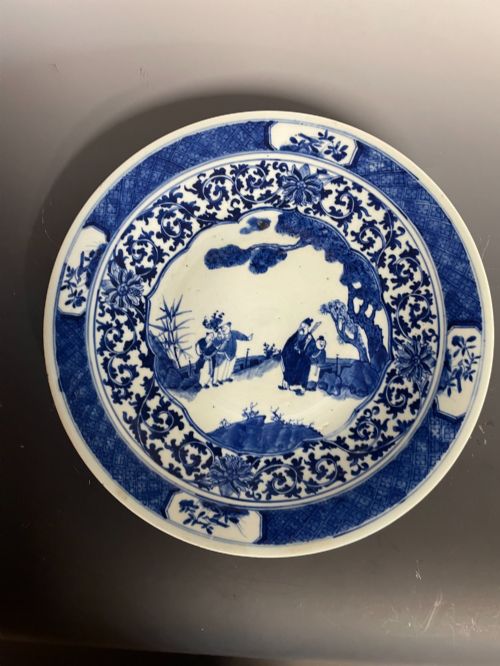
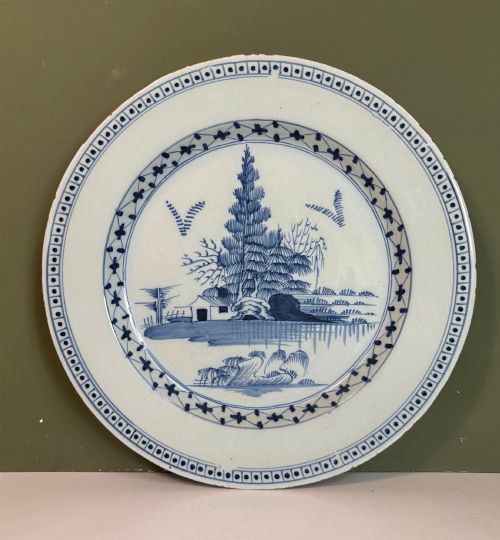
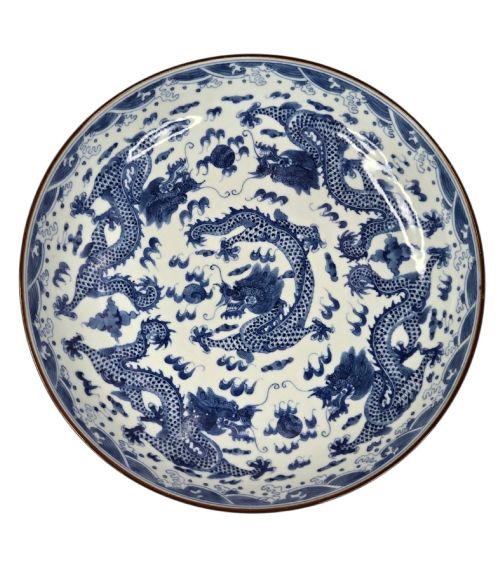
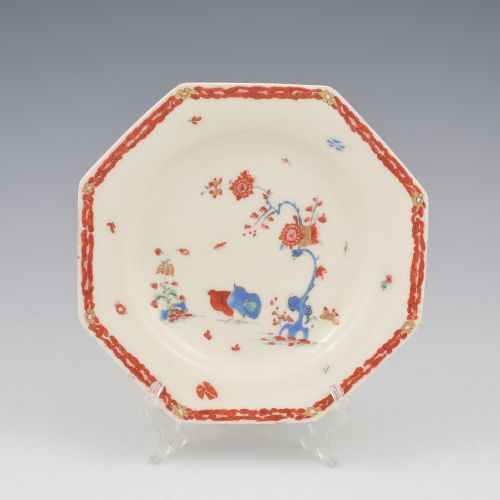
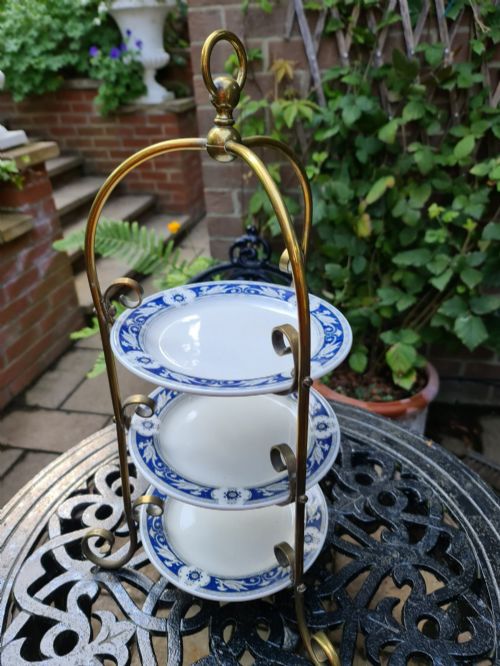
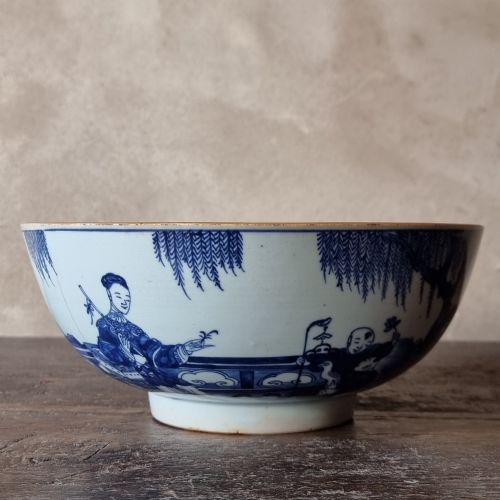
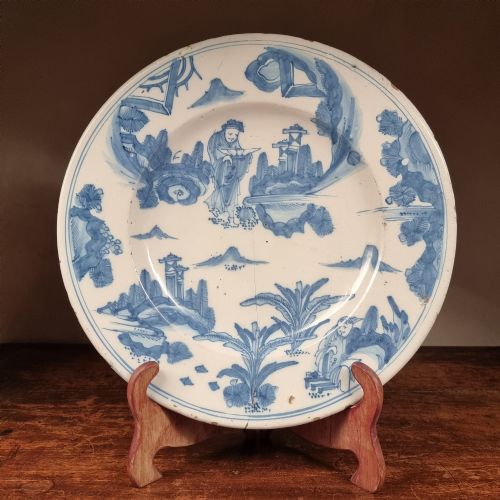
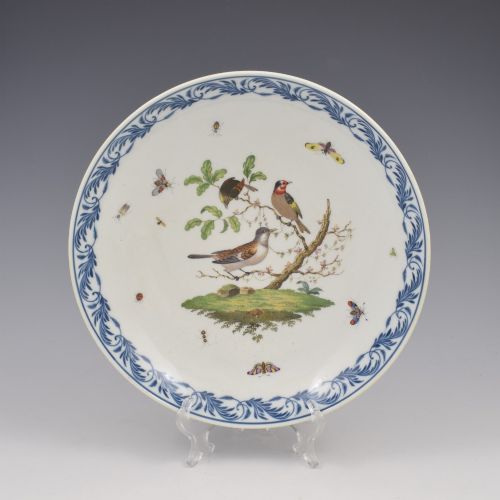
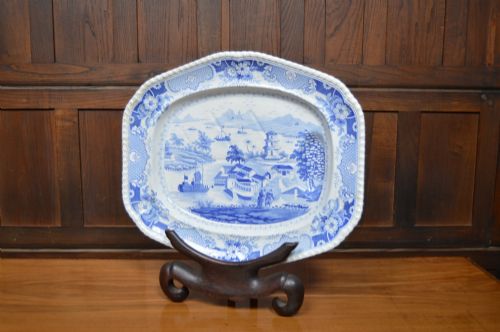
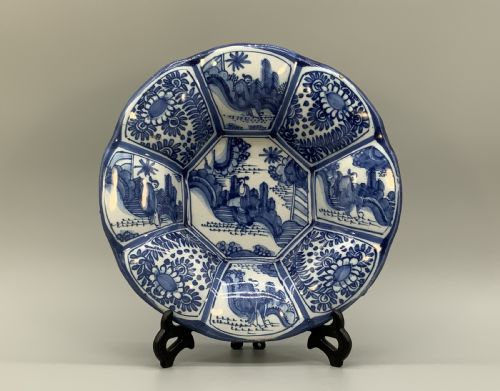
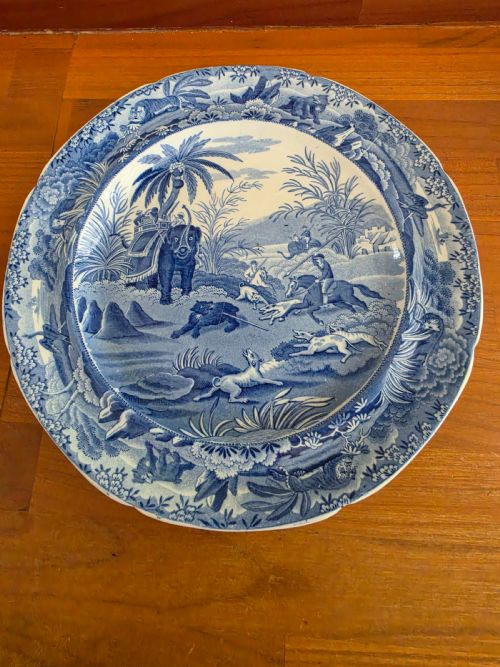
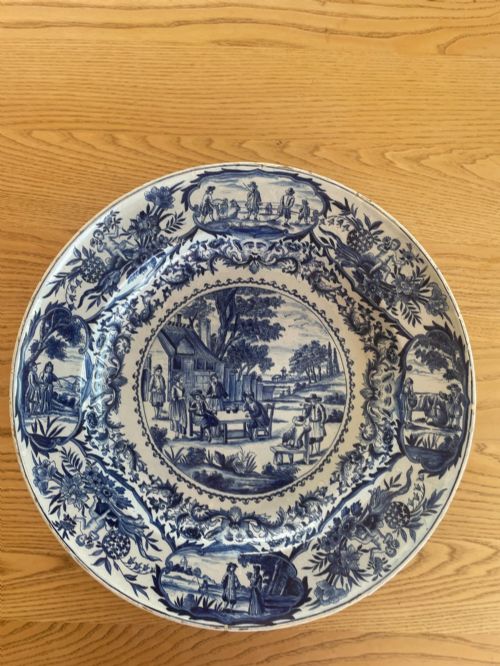
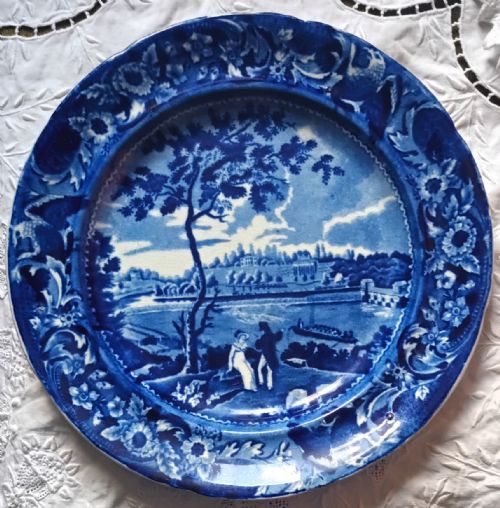
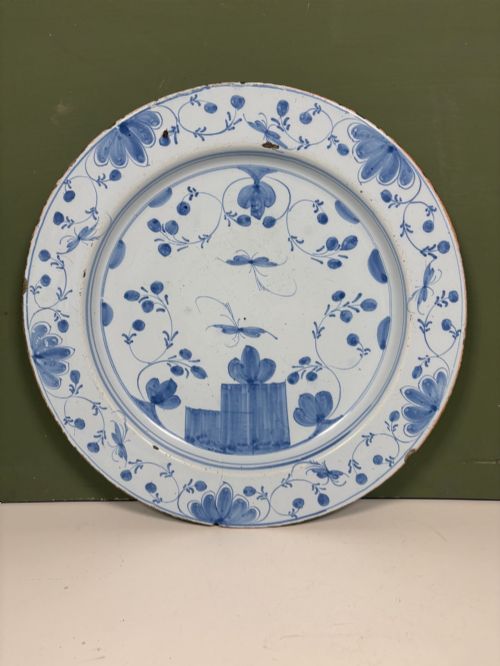
A blue white ceramic display collection gathers plates, chargers, bowls, dishes and vases made across European and Asian potteries. Buyers find items ranging from seventeenth-century Delftware and Qing Dynasty plates to nineteenth-century transferware and Japanese Imari chargers.
The most common forms on this page are decorative plates, chargers and bowls shaped for visual impact. These pieces rely on cobalt pigment applied under or over the glaze to form botanical, figurative and armorial motifs.
Materials and production methods
Potters shaped porcelain, earthenware and stoneware bodies before applying tin glaze, enamel or transparent glaze finishes. Cobalt pigment provided the deep blue coloration that reacted to high kiln temperatures.
Workers painted intricate Chinoiserie, floral and landscape designs by hand or used transfer printing techniques on later English wares.
Listings feature porcelain, earthenware, and tin glaze across periods spanning from the seventeenth century to the twentieth century.
Assessing quality in blue and white ceramics
Quality rests on the crispness of the cobalt brushwork and the stability of the glaze during firing. Early pieces show depth in hand-painted motifs, whilst later transfer-printed wares depend on the clarity of the line.
The weight of the ceramic body and the complexity of edge profiling, such as lobed or scalloped rims, distinguish standard production items from superior works.
Bow Porcelain·John Ridgway·Stubbs·Meissen·Worcester·Spode
The Blue White Ceramic Display Glossary
- Charger
- A large decorative plate or platter designed primarily for display on walls or sideboards rather than dining use.
- Delftware
- Tin-glazed earthenware produced in Dutch and English potteries, notable for its opaque white surface and blue painted decoration.
- Imari
- Japanese porcelain decorated in underglaze blue and overglaze iron red and gold, originating from the Arita region.
- Transferware
- Pottery decorated by pressing a printed design from an engraved copper plate onto the ceramic surface via tissue paper.
- Kraak
- Chinese porcelain exported during the Ming dynasty, characterised by panelled borders and central landscape or bird motifs.
Blue White Ceramic Display: Frequently Asked Questions
How do I hang a heavy charger?
Heavy ceramic chargers require specialised wall brackets or spring-loaded wire hangers that distribute weight evenly across the base and rim. Avoid adhesive discs for older earthenware.
Ensure the mounting hardware fastens securely into wall studs to prevent accidental slips in busy rooms.
Are these pieces safe for food?
Older tin-glazed earthenware and antique porcelain are best reserved for display rather than daily dining. Historic glazes can be porous or sensitive to modern detergents.
Hand washing in lukewarm water preserves the cobalt pigment and prevents crazing in the ceramic body.
How do I date a Delft plate?
Dating relies on body thickness, tin glaze opacity, and rim characteristics. Seventeenth-century examples often display thicker earthenware bodies and subtle irregularities.
Examining the foot ring and pigment tone helps differentiate between eighteenth-century Dutch production and later revivals.
What is the difference between porcelain and earthenware?
Porcelain uses refined kaolin clay fired at extremely high temperatures until vitrified, producing a hard, non-porous white body. Earthenware utilises coarser clay fired at lower temperatures.
Tin-glazed earthenware requires an opaque white lead or tin glaze to cover the darker clay body beneath.