






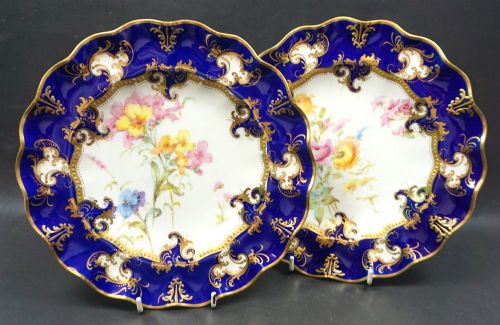

Cobalt Blue Wall Plates
Cobalt blue wall plates bring together centuries of ceramic art, offering deep blue pigments on porcelain, earthenware, and tin glaze for display.
Cobalt Blue Wall Plates
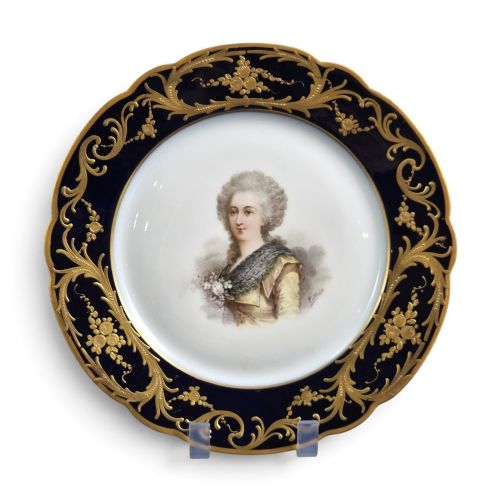
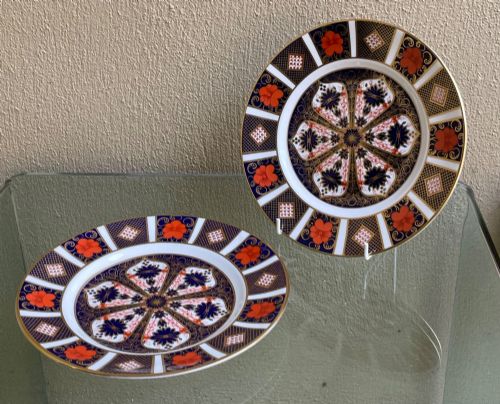
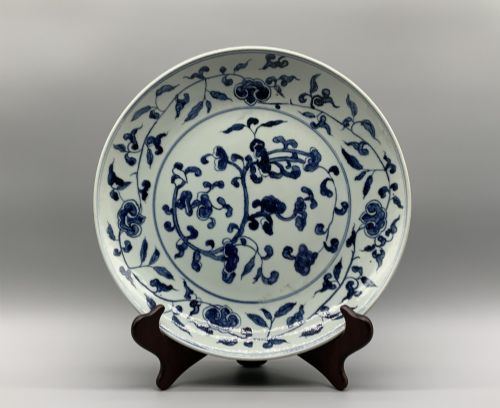
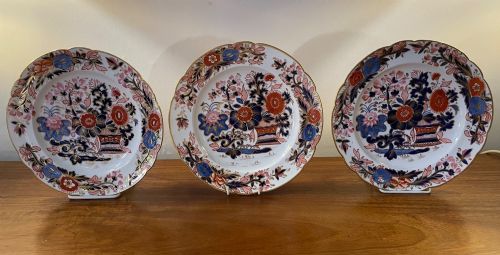
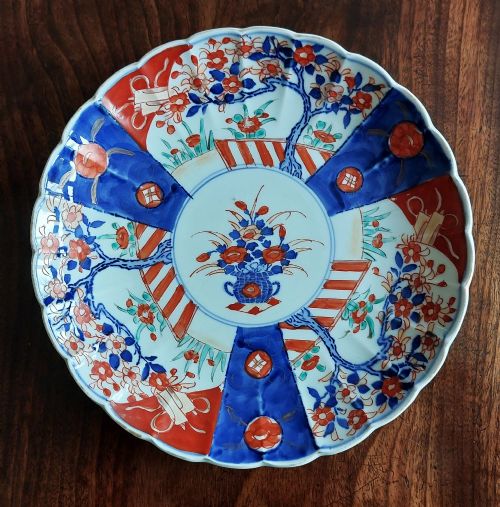
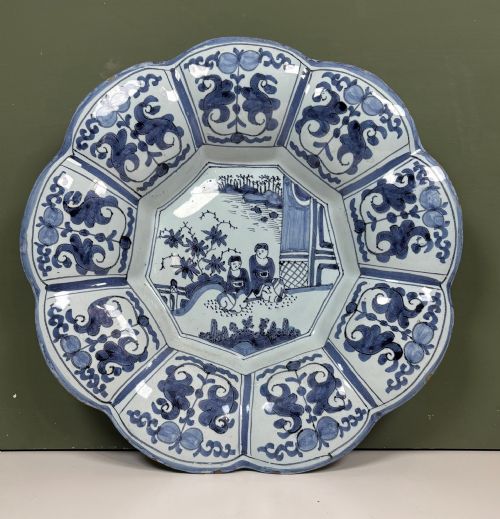
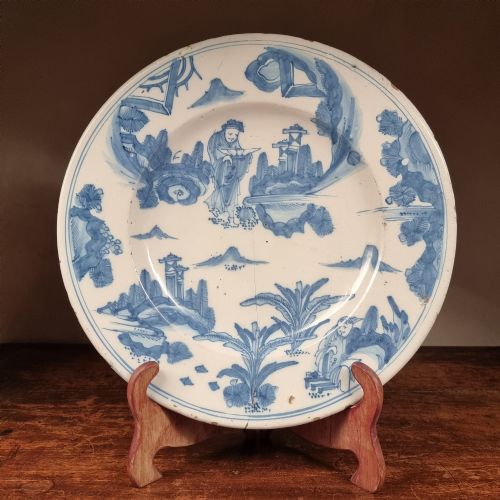
Cobalt blue wall plates encompass cabinet plates, chargers, and decorative dishes created across the eighteenth, nineteenth, and twentieth centuries. When searching for cobalt blue wall plates, buyers encounter forms ranging from large Dutch and English delft chargers to Japanese Imari plates and Royal Worcester fruit painted cabinet plates.
The selection on this page draws heavily from Japanese Meiji period Imari wares, eighteenth-century delftware, and nineteenth-century English ironstone and porcelain. These items were originally made for dining or display, and today they function primarily as decorative elements mounted on walls or set on sideboards.
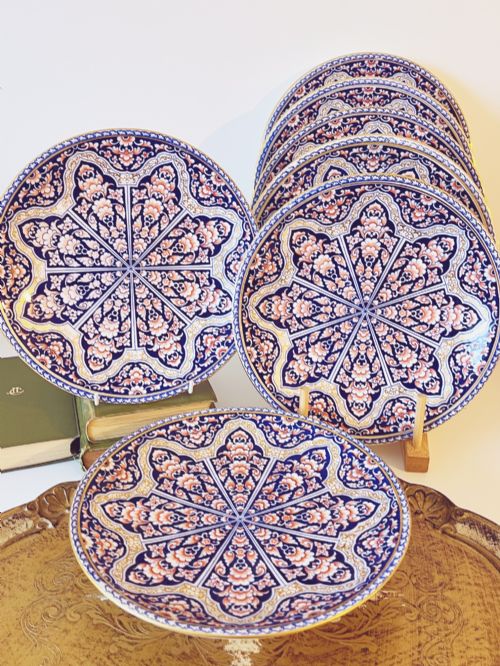
Origins span diverse workshops and traditions, including continental European factories, traditional English potteries, and East Asian kilns. Collectors find both single display dishes and matched pairs or larger sets.
How they were made
Makers utilised porcelain, earthenware, and bone china as the ceramic base for these items, applying tin glaze or clear glaze to seal the surface. Cobalt oxide provided the deep blue pigment, often supplemented with gold leaf, gilt, or enamel details painted over or under the glaze.
Techniques varied from the hand-painted brushwork found on delft chargers and Royal Worcester fruit plates to the intricate blue and iron-red underglaze designs characteristic of Japanese Imari porcelain.
Some antique plates feature exotic birds staring intently across the cobalt border, seemingly unimpressed by centuries of changing interior decor.
What varies in quality
Quality rests in the crispness of the hand-painted cobalt pigment and the precision of the glaze application. Finer examples display steady brush control, vibrant secondary colours such as iron red or gilt, and well-balanced forms without distortion from the kiln.
The distinction between standard domestic wares and superior cabinet pieces also lies in the reputation of the maker or painter, such as signed Royal Worcester fruit plates or finely potted Kangxi period chargers.
Royal Crown Derby·Royal Worcester·John Davenport of Longport·Royal Bonn
The Cobalt Blue Wall Plates Glossary
- Charger
- A large decorative plate or dish, traditionally used for display on walls or sideboards rather than dining.
- Tin Glaze
- An opaque white glaze containing tin oxide, providing a smooth white background for painted blue designs on delftware.
- Imari
- A style of Japanese porcelain featuring a palette of cobalt blue, iron red, and gold, widely replicated in Europe.
- Cabinet Plate
- A high-quality decorative plate made primarily for display in a cabinet or on a wall rather than practical use.
- Ironstone
- A heavy, durable type of earthenware developed in nineteenth-century England to imitate porcelain.
Cobalt Blue Wall Plates: Frequently Asked Questions
How do I hang these plates on a wall?
Most decorative plates and chargers use spring-loaded brass wall hangers that grip the rim securely without causing damage to the ceramic body.
Ensure the wall fixing is rated to take the weight of heavier earthenware or porcelain chargers before mounting.
What is the difference between delft and Imari?
Delft pieces originate from European tin-glazed earthenware traditions, typically presenting blue and white designs inspired by Chinese export porcelain.
Imari refers to Japanese porcelain decorated in distinct palettes of cobalt blue, iron red, and gold.
Can I use these plates for dining?
Antique wall plates and chargers are generally intended for decorative display rather than daily service, particularly older delftware and fine cabinet plates.
Surface glazes on historical ceramics may be vulnerable to cutlery marks, acidic foods, and modern dishwashers.
How do I identify the age of a plate?
Age is determined by examining the ceramic body, glaze characteristics, backstamps, and painted style markers associated with specific periods like the Meiji era or eighteenth century.
Pottery marks and date ciphers stamped into the base offer precise manufacturing years for many nineteenth and twentieth-century English pieces.