

Tin Glaze Earthenware Plates
Tin glaze earthenware plates are striking ceramic vessels carrying hand-painted pigments over an opaque white surface, prized for their centuries of historical character.
Tin Glaze Earthenware Plates
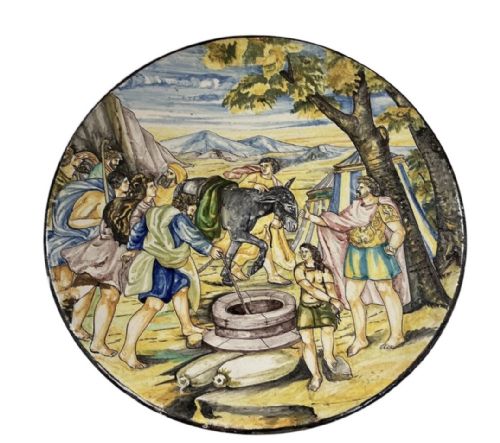
Tin glaze earthenware plates span centuries of ceramic tradition, encompassing chargers, dishes, and platters produced across England, Holland, France, Spain, and Italy. These objects range from modest domestic dinnerware to large decorative wall chargers intended for display.
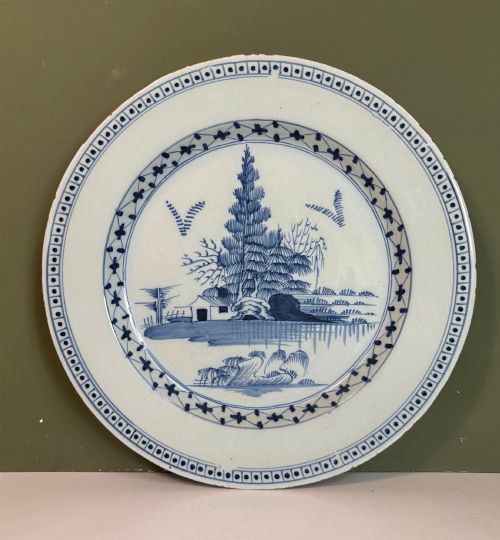
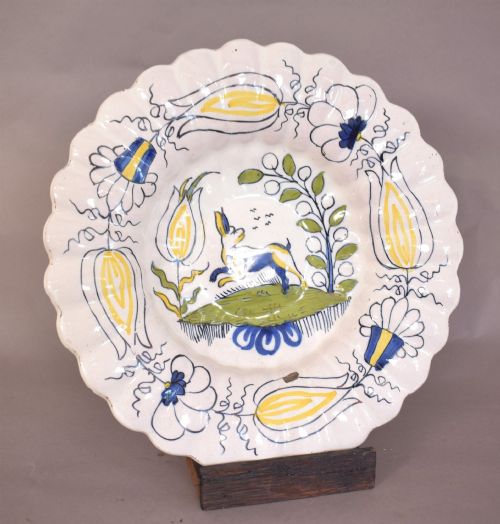
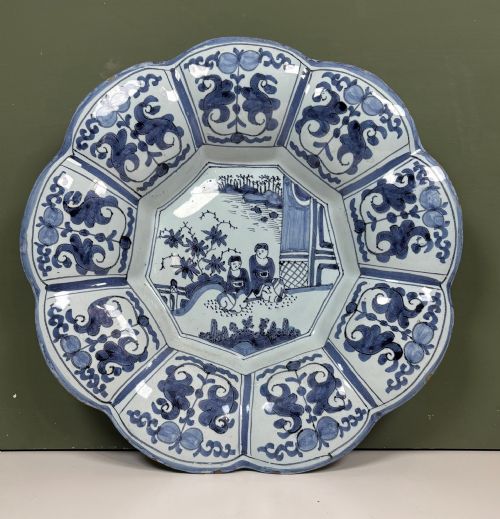
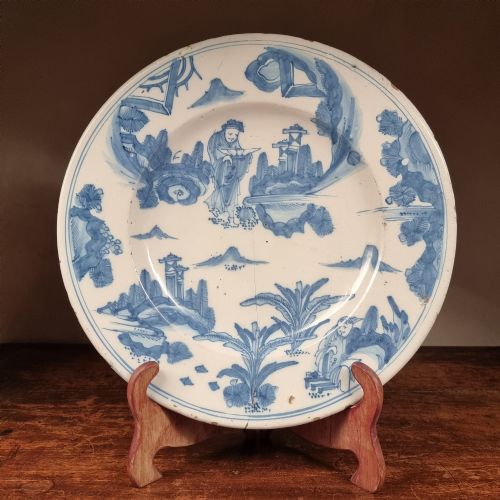
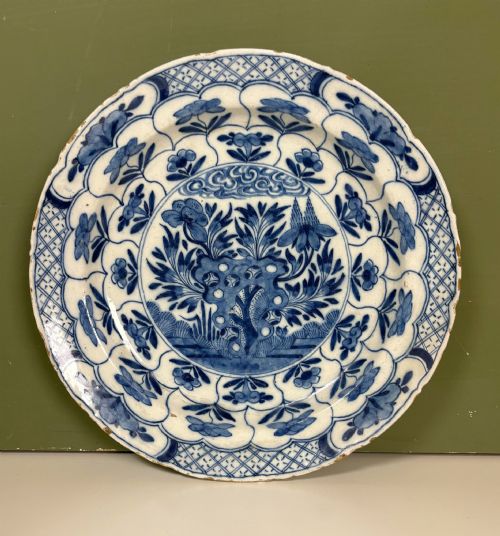
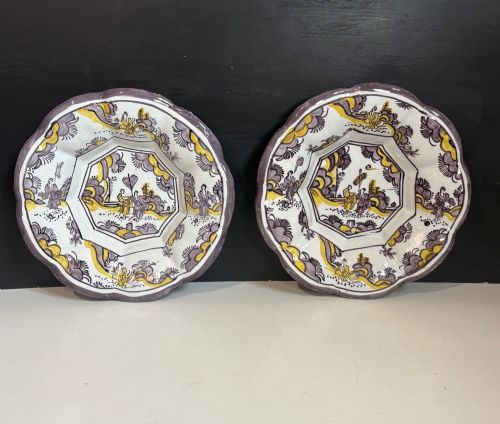
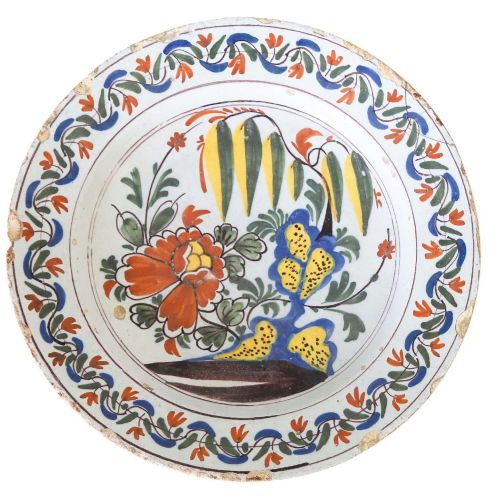
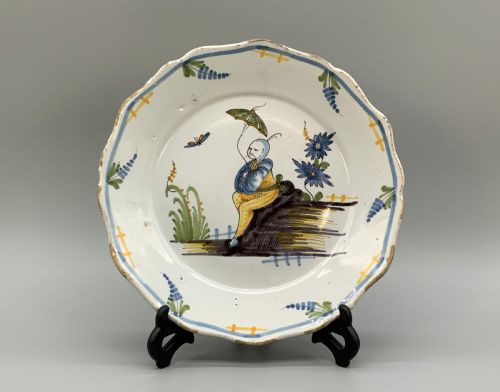
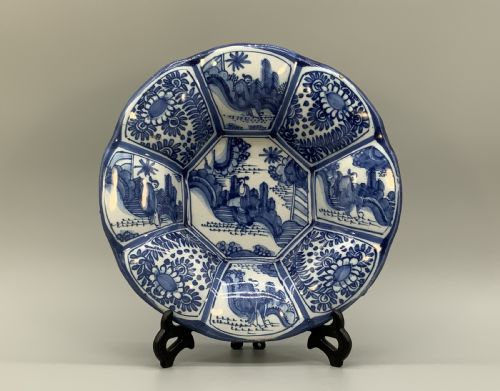
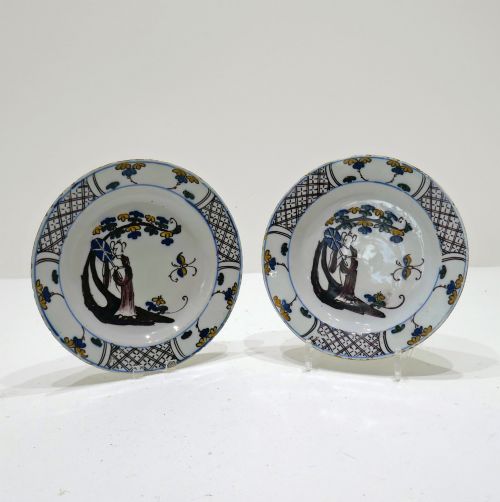
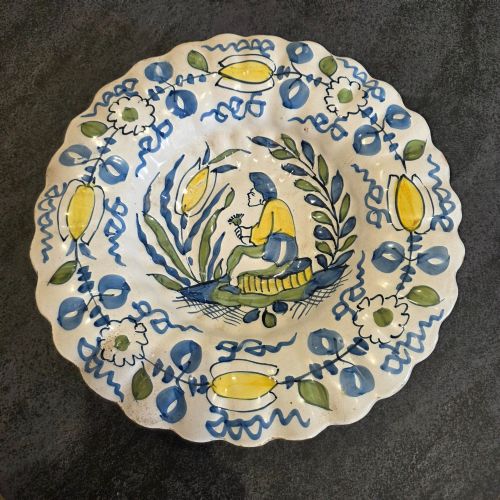
The version most commonly encountered on this page is the 18th-century Delftware charger, often featuring blue and white or polychrome floral, geometric, or Chinoiserie motifs. English, Dutch, and continental European workshops dominate the selection, showing styles from Dutch Baroque to French Rococo.
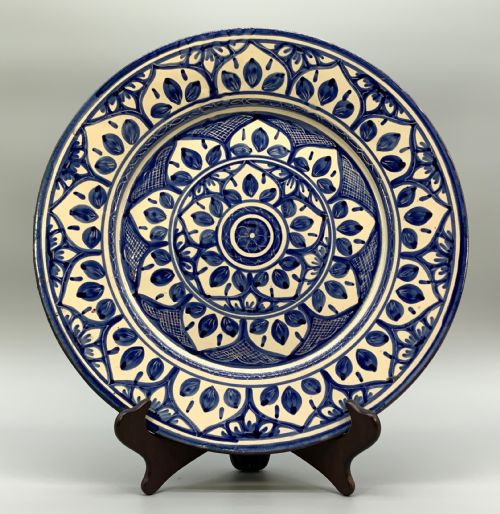
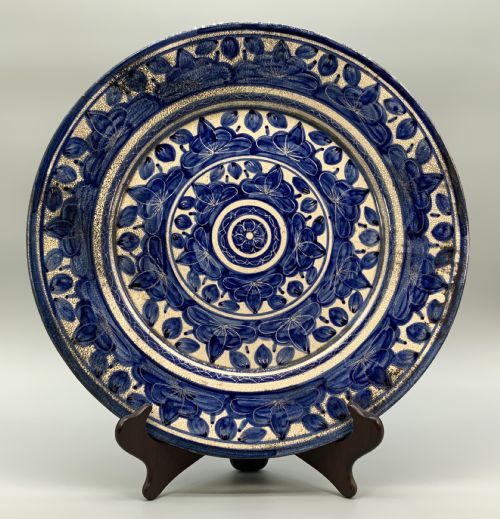
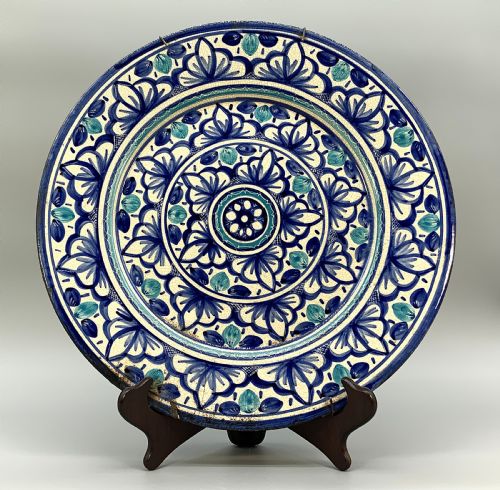
Collectors also find pieces from the 17th century and later revival periods, including Moorish and Renaissance styles. Forms vary from shallow bowls and lobed dishes to massive display platters with hand-painted scenes.
How they were made
Potters formed the body from coarse or refined earthenware clay, which was then fired once to create a porous bisque base. This body received a liquid glaze containing tin oxide, which dried to a chalky, opaque white surface ready to receive decoration.
Artists painted pigments such as cobalt oxide, manganese, and polychrome enamels directly onto the absorbent unfired glaze. The piece underwent a final kiln firing, during which the metallic oxides melted into the glaze to lock the colours permanently in place.
Listings feature tin-glazed earthenware spanning the 17th, 18th, and 19th centuries, alongside mid-20th-century continental interpretations.
What varies in quality
Quality rests primarily in the crispness and confidence of the brushwork applied to the tin glaze. Master painters achieved fluid, dynamic lines in their floral, Chinoiserie, or historical scenes, whereas lesser examples display stiff or muddy execution.
The stability of the glaze and the harmony of the palette distinguish superior items. Well-fired pieces exhibit a smooth, glossy surface with minimal kiln distortion, allowing the cobalt pigment or polychrome enamels to retain strong contrast against the white background.
The Tin Glaze Earthenware Plates Glossary
- Tin-Glazed Earthenware
- Pottery covered with a lead glaze made opaque by the addition of tin oxide. This technique provides the white canvas essential for traditional Delftware and faience painting.
- Charger
- A large decorative plate or platter intended for display on a sideboard or wall rather than for use at the dining table. These sizable pieces often showcase the most ambitious painting.
- Polychrome
- Decoration employing multiple colours rather than a single pigment like blue. On these plates, palette additions typically include yellow, green, manganese, and red.
- Chinoiserie
- European artistic interpretation of Chinese and East Asian decorative motifs. Potters frequently adapted these exotic landscapes and figures onto domestic dishes and bowls.
- Grand Feu
- A high-temperature firing technique used for tin-glazed pottery that allowed pigments to fuse directly into the raw glaze. This method produced characteristic soft blurring of the painted lines.
Tin Glaze Earthenware Plates: Frequently Asked Questions
How were tin glaze earthenware plates used?
Many of these large chargers served as ornamental display pieces on walls or sideboards during the seventeenth and eighteenth centuries, rather than for dining. Smaller plates saw use at the table for serving food before modern hard-paste porcelains took over.
Over generations, the role shifted entirely to display and collection. Their vibrant pigments and historic forms make them focal points in traditional and modern interiors alike.
How do you care for antique ceramic plates?
Keep these historic ceramics away from direct sunlight and areas prone to heavy moisture or rapid temperature changes. Dust them gently with a soft, dry brush and avoid washing them in water, particularly if hairline cracks are present.
Display them securely using padded plate hangers or stable stands designed for heavy chargers. Structural support protects the earthenware body and delicate tin glaze from accidental strain.
What is the difference between Delftware and faience?
Delftware specifically refers to tin-glazed earthenware made in the Netherlands, particularly in and around the town of Delft from the seventeenth century onward. The term encompasses both traditional blue and white pieces and polychrome wares.
Faience is the broader continental term used for tin-glazed earthenware produced in France, Spain, and other European regions. While the chemical composition and glazing technique remain similar, regional painting styles distinguish them.
How do you date an antique ceramic plate?
Dating relies on examining the characteristics of the earthenware body, the tone of the tin glaze, and the palette of the pigments. Earlier seventeenth-century pieces often feature thicker bodies and specific Kraak or Baroque influences, while eighteenth-century items lean toward refined Rococo or Chinoiserie designs.
brushwork styles, palette choices like manganese purple or vibrant polychrome enamels, and any existing maker marks or kiln scars provide further clues. Comparing a piece to documented examples helps narrow down its decade of origin.