





Antique Blue Painted Dish
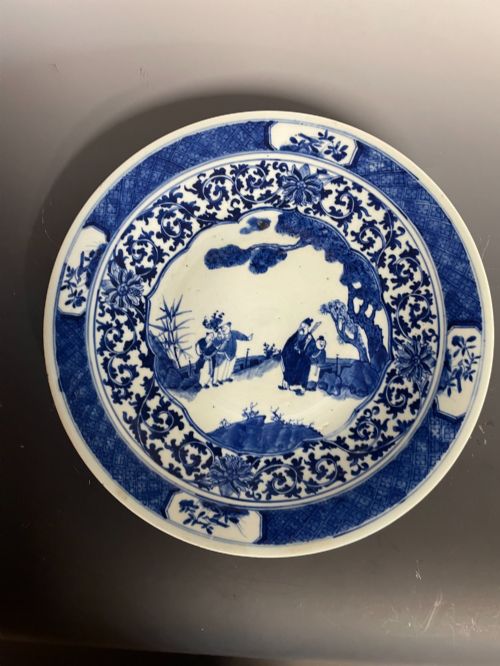
When you search for an antique blue painted dish, you are looking at ceramics shaped by centuries of cobalt pigments and hand application.
Antique Blue Painted Dish
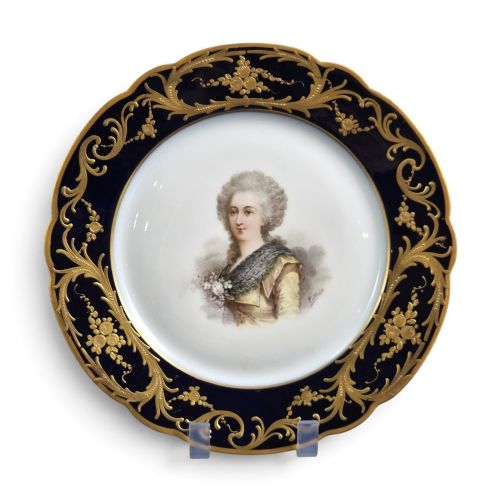
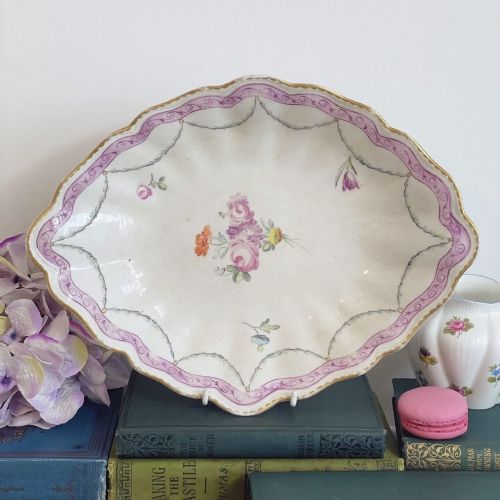
An antique blue painted dish encompasses a wide variety of ceramic forms, from cabinet plates and chargers to serving dishes and bowls produced across the eighteenth, nineteenth, and twentieth centuries. These vessels served both utilitarian dining purposes and purely decorative displays in domestic interiors.
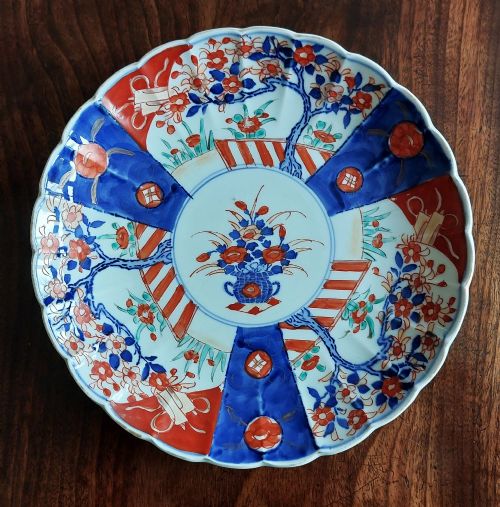
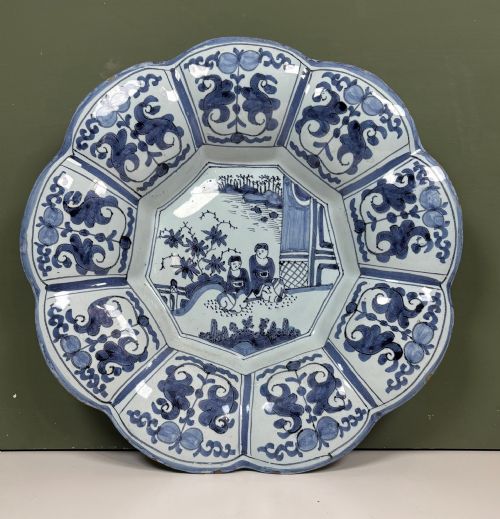
The selections available span multiple geographical origins and traditions, including English factories, continental European porcelain houses, Chinese export wares, and Japanese Imari creations. Buyers will frequently encounter Delft earthenware chargers alongside porcelain plates adorned with cobalt or polychrome motifs.
Pieces from this category draw upon stylistic influences ranging from Japanese Meiji aesthetics and Dutch Baroque to French Rococo Revival and Georgian designs. Their primary unifying characteristic is the presence of blue painted decoration upon a ceramic, earthenware, or porcelain ground.
How they were made
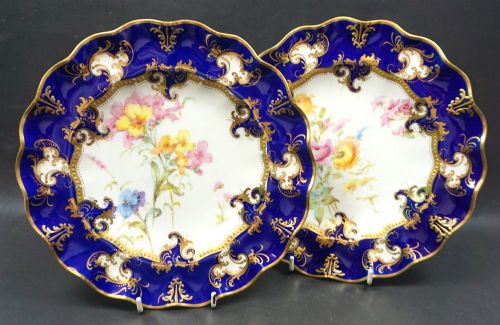
Makers utilised porcelain, earthenware, and ceramic bodies, often applying tin glaze or clear glaze over cobalt blue pigments before firing at high temperatures. Many items feature supplementary details such as gilding, gold leaf, or enamel highlights applied over the glaze.
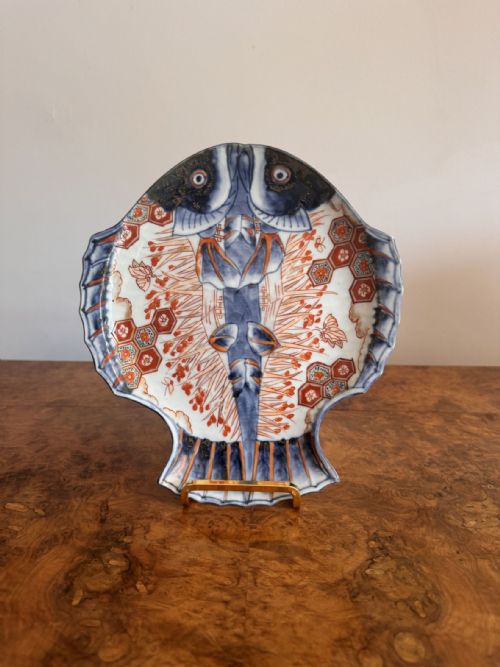
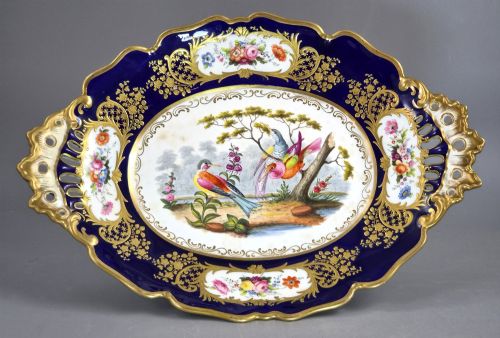
Decoration relied on hand-painted techniques, evident in the brushwork of floral patterns, birds, and architectural scenes. Potters shaped these dishes into round, scallop edge, square, oval, and fish or shell forms using traditional moulding and throwing methods.
Design styles span Japanese Imari, Dutch Baroque, Georgian, and French Rococo Revival forms.
What varies in quality
The refinement of the ceramic body and the precision of the hand-painted brushwork distinguish standard productions from exceptional examples. Finer pieces demonstrate superior control of cobalt underglaze tones and more intricate pictorial compositions, such as detailed ornithological studies or portraiture.
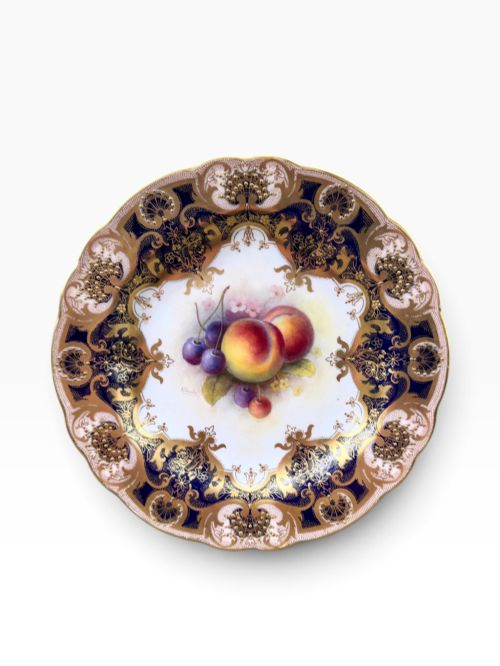
The presence of specialised maker marks, specific period signatures, and supplementary gilding or enamel work elevates the standing of individual dishes. Structural complexity, such as moulded fish or shell contours and lobed rims, also influences the character of the piece.
Royal Worcester·Royal Crown Derby·Coalport·Meissen·Hicks And Meigh
The Antique Blue Painted Dish Glossary
- Cobalt
- A metallic oxide used to produce a deep blue colour under the glaze of ceramics. It remains stable at high kiln temperatures.
- Charger
- A large decorative plate or dish, typically displayed on a wall or sideboard rather than used for dining. These items often feature prominent painted scenes.
- Imari
- A style of Japanese porcelain exported to the West, characterised by a palette of cobalt blue and iron red, frequently accented with gold. Production flourished during the Meiji period.
- Delftware
- Tin-glazed earthenware originating in the Netherlands and England, known for its opaque white surface and blue painted decoration. It imitates Chinese porcelain styles.
- Tazza
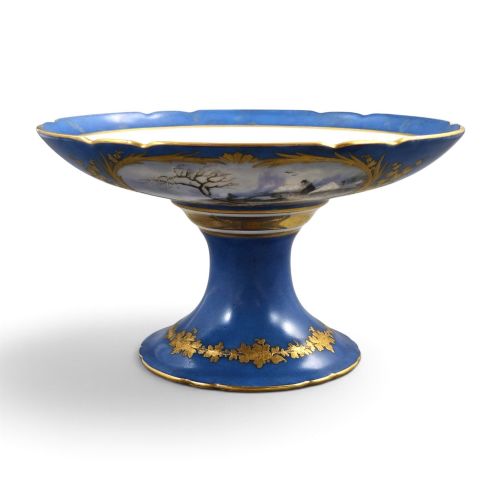
- An Italian term for a shallow bowl or cup raised on a high foot or pedestal. These are typically utilised as centrepieces or dessert dishes.
Antique Blue Painted Dish: Frequently Asked Questions
How do I identify Delft chargers?
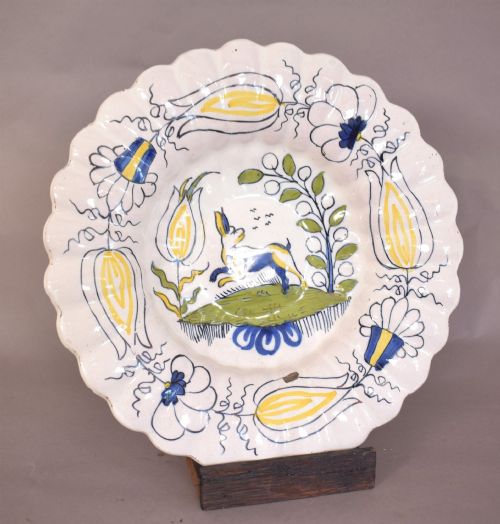
Delft chargers typically present a tin-glazed earthenware body with opaque white surfaces that support blue painted floral or figurative motifs. They often date to the eighteenth century or earlier.
These pieces feel heavier than porcelain and may show minor glaze chipping along the raw earthenware edges.
What defines Japanese Imari plates?
Japanese Imari plates combine cobalt blue underglaze painting with iron red and gold leaf highlights over the glaze. They frequently incorporate scalloped edges and complex panel designs.
Such ceramics reflect Meiji period craftsmanship and export traditions destined for European markets.
How should I display cabinet plates?
Cabinet plates and chargers suit wall mounting using specialised wire hangers or placement on sturdy plate stands within enclosed display cabinets. This protects the painted surfaces and gilding from accidental damage.
Keeping them away from direct sunlight preserves the vibrancy of the blue pigments and enamel colours.
Can I use antique dishes for dining?
Most antique painted dishes function best as decorative objects rather than active tableware, particularly those featuring overglaze enamel or delicate gold leaf. Utensil use can easily scratch the historical glaze.
Gentle hand washing in lukewarm water without harsh detergents suffices if cleaning becomes necessary.