

Georgian Ceramic Wall Plate
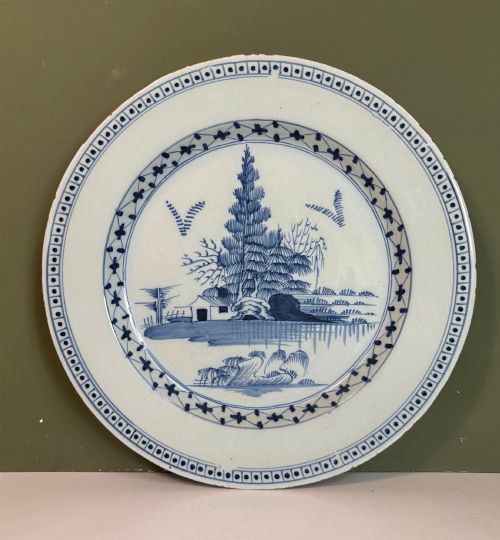
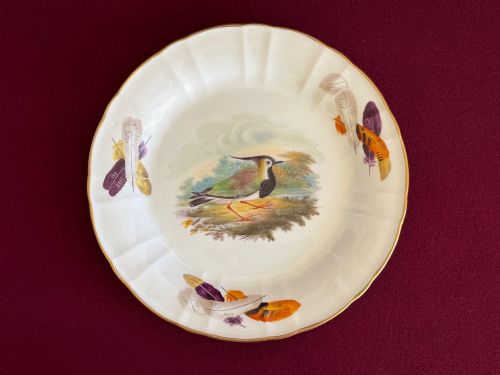
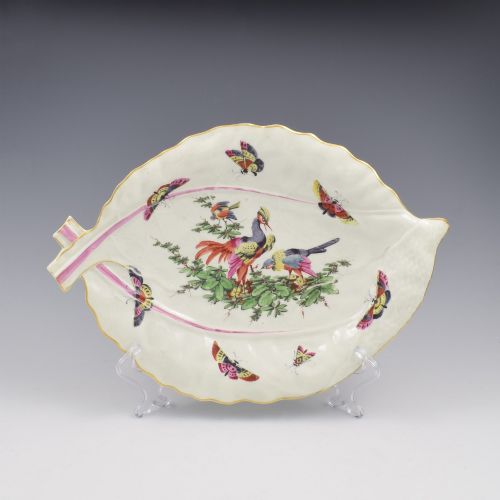
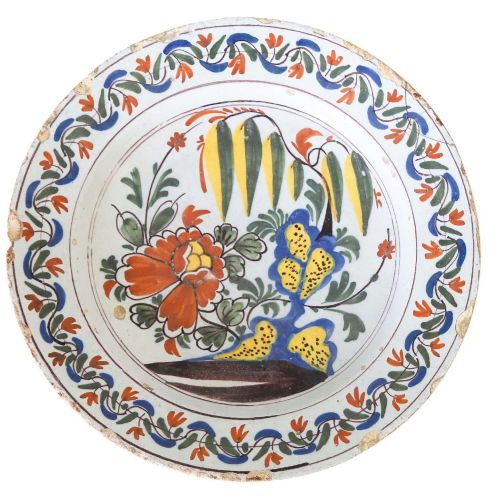
When you search for a georgian ceramic wall plate, you meet tin-glazed earthenware chargers and soft-paste porcelain dessert dishes that bring 18th-century tables onto the wall.
Georgian Ceramic Wall Plate
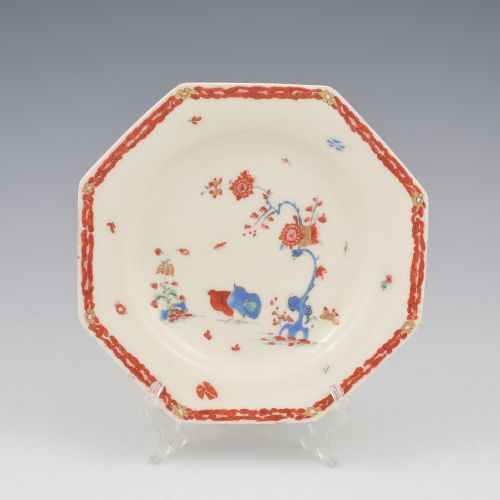
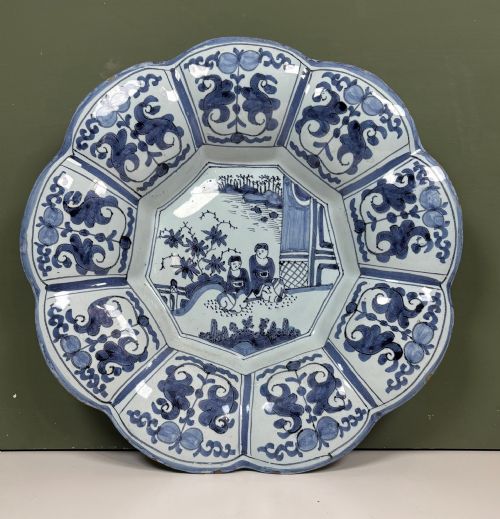
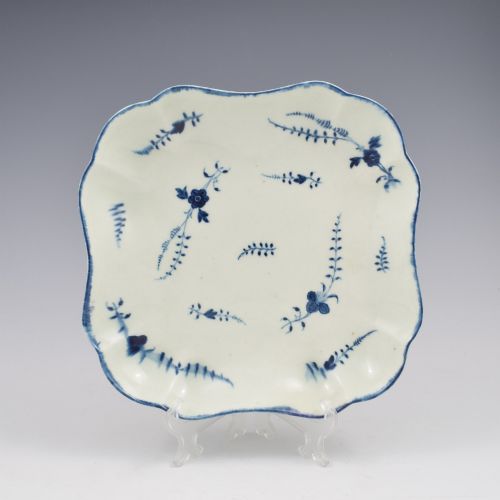
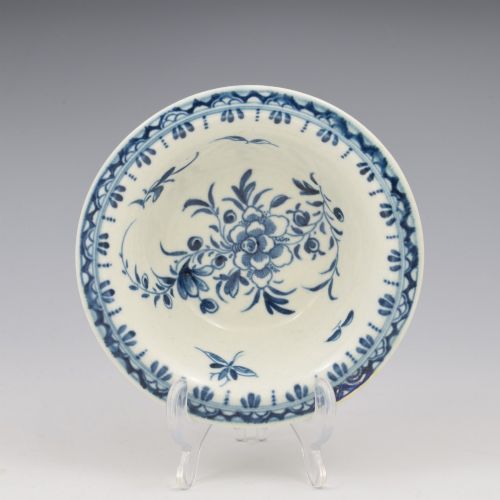
A georgian ceramic wall plate encompasses chargers, cabinet plates, and dessert dishes originating predominantly in the eighteenth century and the early nineteenth century. The selection ranges from robust tin-glazed earthenware chargers to delicate soft-paste porcelain dishes designed for display or formal dining.
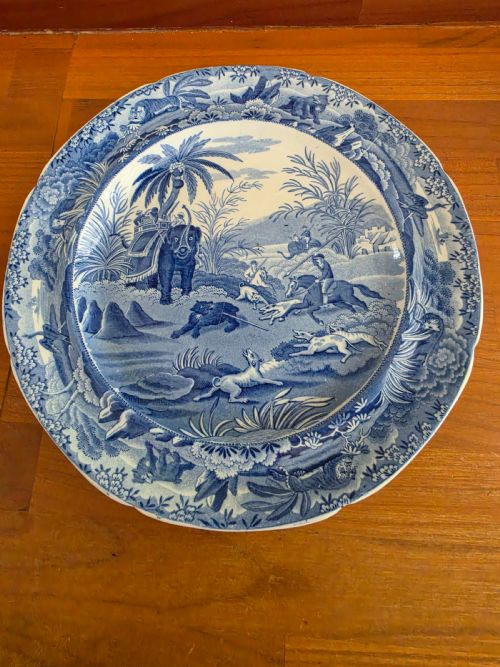
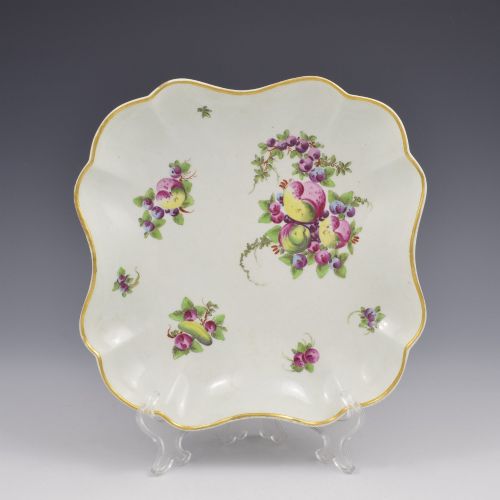
Makers utilised various ceramic bodies, including bone china, pearlware, and ironstone, decorated with hand-painted polychrome motifs or blue and white transfer printing. Forms extend from octagonal plates and square dessert dishes to large circular chargers meant to be hung or set upon a sideboard.
How they were made
Potters shaped these objects using earthenware, soft-paste porcelain, and ironstone bodies, often applying tin glaze to create an opaque white surface for hand-painted pigments. Cobalt blue, enamel colours, and occasional gold leaf were applied over or under the glaze before high-temperature firing.
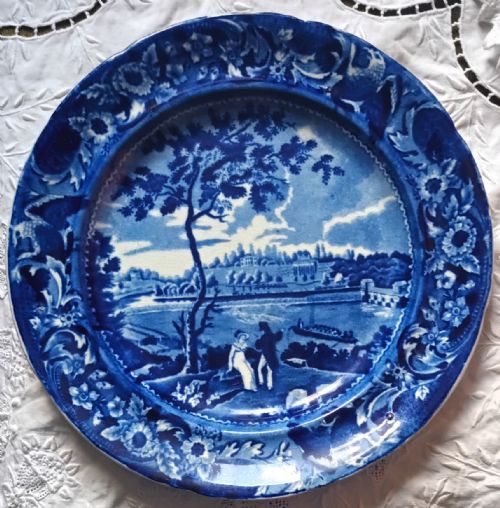
Transfer printing allowed workshops to apply complex pictorial designs, such as landscapes and historical scenes, onto pearlware and ironstone plates with consistent detail. Skilled hands added polychrome enamels and floral borders over the printed outlines to enrich the palette.
Listings feature earthenware, soft-paste porcelain, and ironstone across periods from the mid-eighteenth century through the Victorian era.
What varies in quality
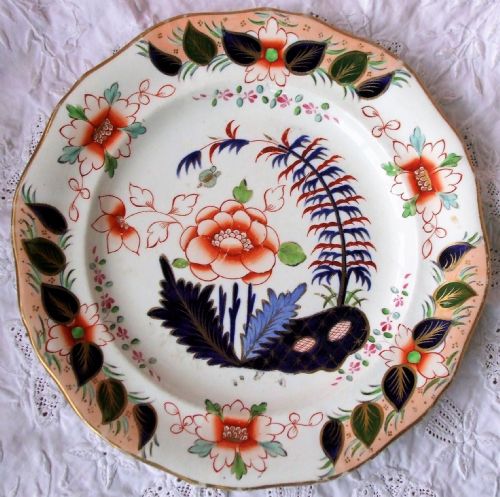
The sophistication of the painted or printed decoration separates standard domestic wares from exceptional cabinet pieces produced by leading factories. Crispness in transfer printing, precision in hand-painted polychrome details, and the complexity of patterns like Kakiemon or Imari indicate higher workmanship.
The stability of the ceramic body and the smoothness of the glaze influence the overall preservation of the surface over centuries of handling and display. Early porcelain dishes with translucent bodies and intricate moulded shapes command greater attention than simple utility plates.
Wedgwood Bone China·John Davenport of Longport·Stubbs·Chamberlain's Worcester·Minton Porcelain·Caughley·Flight, Barr & Barr
The Georgian Ceramic Wall Plate Glossary
- Tin Glaze
- An opaque white glaze containing tin oxide, used primarily on earthenware to provide a smooth ground for painted decoration.
- Charger
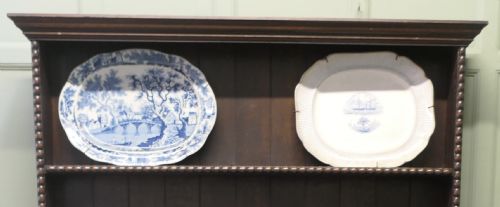
- A large decorative plate or dish, typically exceeding standard dinner plate dimensions, frequently displayed upright on walls or dressers.
- Soft-Paste Porcelain
- A ceramic composition made from white clay and glass frit, fired at lower temperatures than hard paste and possessing a warm, slightly creamy translucency.
- Pearlware
- A refined earthenware developed in the late eighteenth century featuring a thin glaze with a faint bluish tint that pooled in recesses to mimic Chinese porcelain.
- Imari Palette
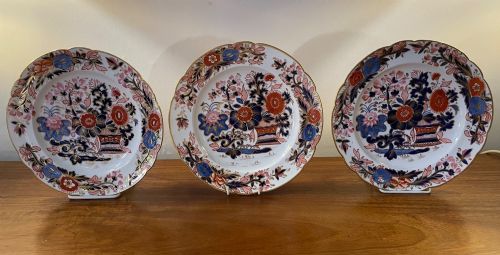
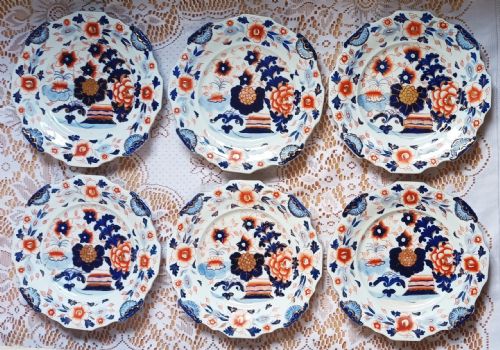
- A decorative scheme employing underglaze blue, iron red, and gilt, inspired by Japanese export porcelains and widely adopted by British potteries.
Georgian Ceramic Wall Plate: Frequently Asked Questions
How do I hang a wall plate safely?
Displaying a georgian ceramic wall plate securely requires a spring-loaded brass hanger with rubber-tipped prongs that distribute pressure evenly across the rim. Avoid adhesive discs that pull at old earthenware or soft-paste bodies.
Ensure the wall fixing is anchored firmly into plaster or studwork, as heavier chargers and ironstone plates carry substantial weight.
Were these plates used for dining or display?
Many items began as functional dessert plates, cabinet plates, or large chargers used during formal eighteenth and nineteenth-century meals. Over time, collectors and homeowners transitioned them to wall display to showcase intricate hand-painted patterns.
Larger chargers were frequently manufactured specifically for decorative sideboard display rather than everyday dining table service.
How do I distinguish Delftware from porcelain?
English and Dutch Delftware consists of a porous earthenware body covered in an opaque tin glaze that chips to reveal buff or pinkish clay beneath. Porcelain possesses a dense, vitreous, and often translucent body that does not absorb moisture and rings when gently tapped.
Delft pieces usually date to the mid-to-late eighteenth century, whereas soft-paste porcelain dishes from factories like Worcester emerged slightly later.
What is the Imari pattern on these plates?
The Imari style imitates Japanese export porcelain by combining deep underglaze cobalt blue with iron red enamel and gold leaf accents. British makers adopted this vibrant palette during the Georgian and Regency periods for ironstone and porcelain services.
Plates featuring this design display dense floral and geometric motifs intended for wealthy households.