

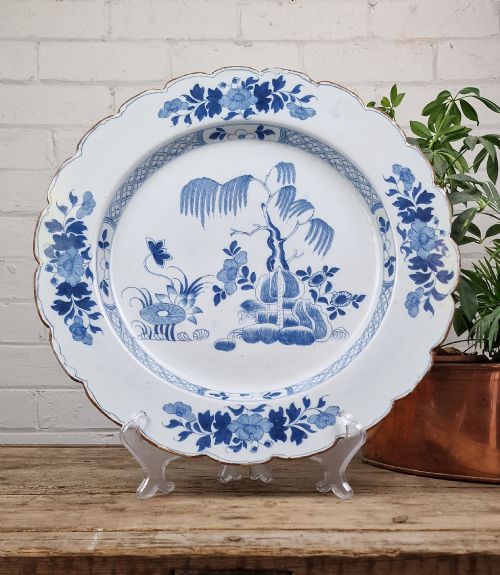


Chinoiserie Earthenware Dish
These porcelain-mimicking plates and chargers bring exotic landscapes and oriental motifs directly to the table.
Chinoiserie Earthenware Dish
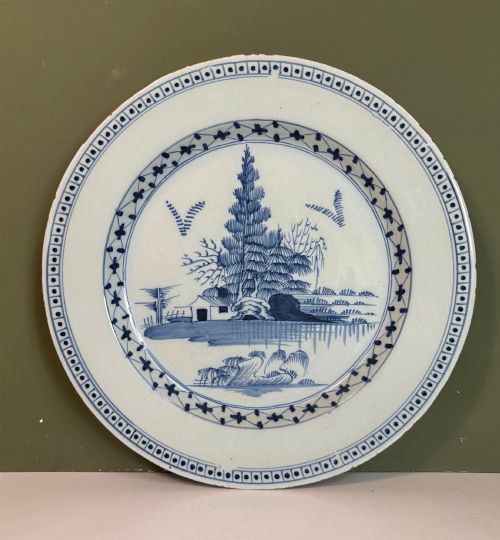
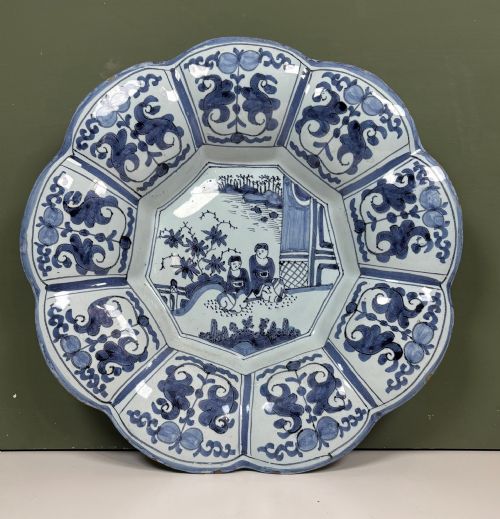
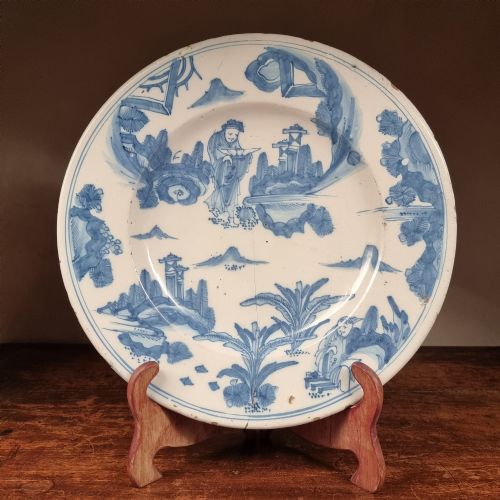
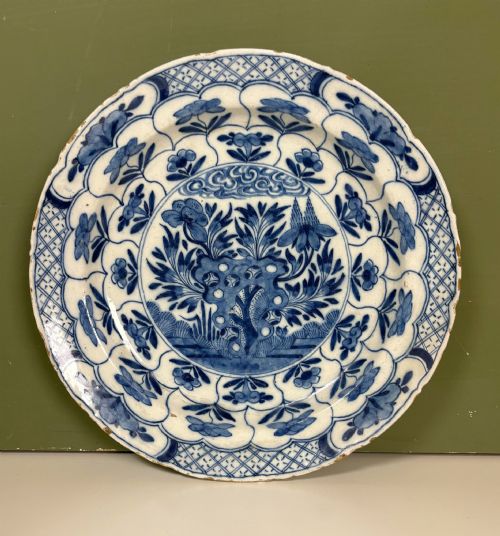
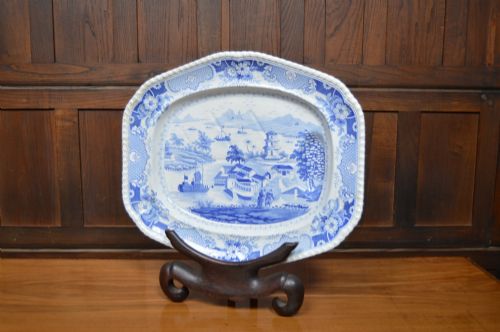
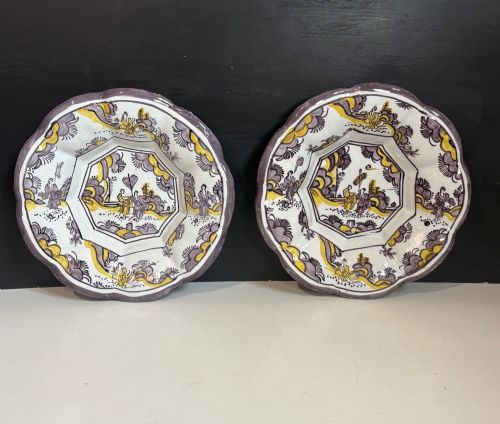
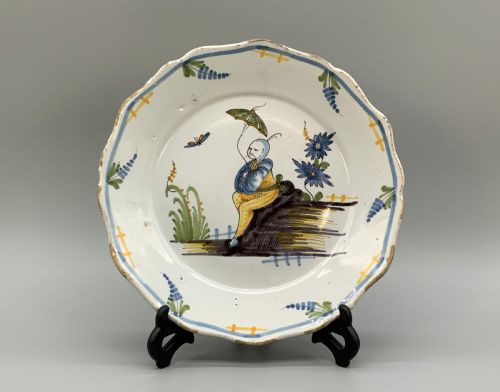
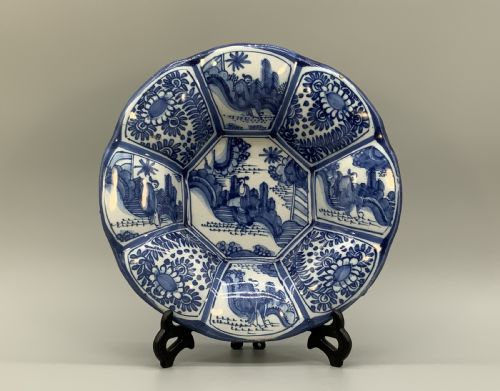
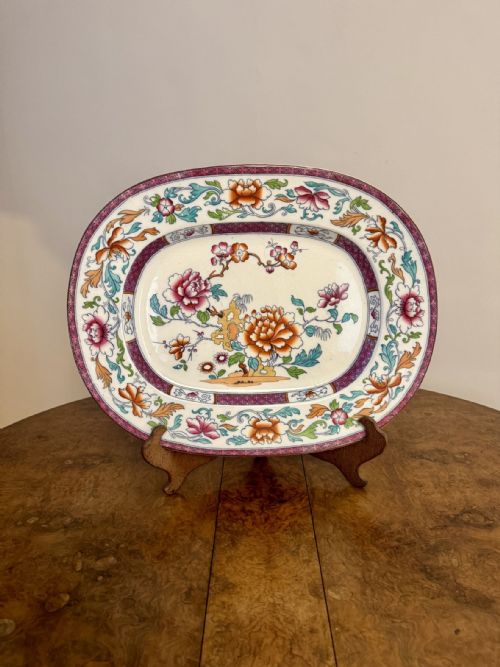
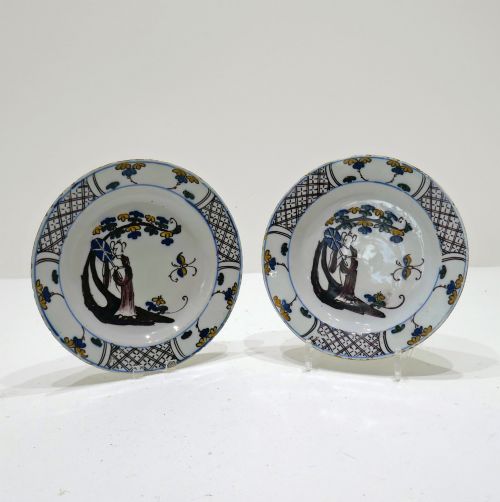
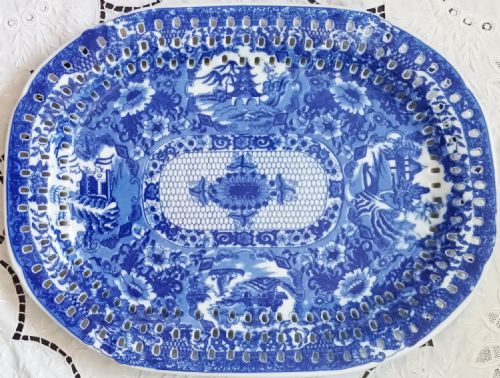
A chinoiserie earthenware dish combines utility with fantasy, presenting European interpretations of Asian landscapes, figures, and pagodas on a ceramic base. Buyers seeking these pieces will encounter forms ranging from large decorative chargers and deep serving platters to everyday dining plates.
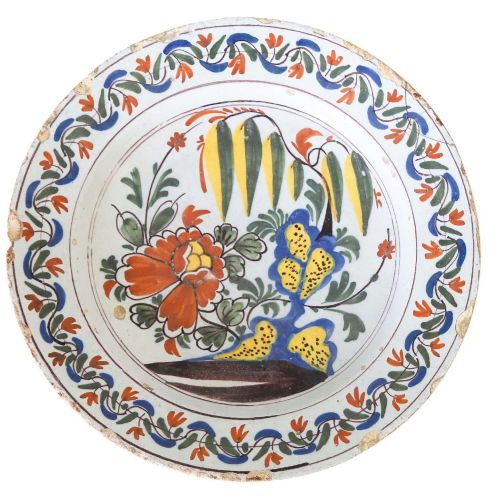
The objects span multiple centuries of production, appearing in both tin-glazed earthenware and later transfer-printed pearlware or ironstone. Eighteenth-century examples often lean toward tin-glazed delftware depicting hand-painted scenes, whereas nineteenth-century pieces frequently utilise transfer printing methods for complex patterns.
Originating across English, French, and Dutch potteries, these vessels served practical roles at feasts before transitioning into wall-hung decorative chargers or cabinet pieces. The selection on this page captures both utilitarian meat plates and large display dishes reflecting historic European fascination with Eastern aesthetics.
Measures of quality
Quality rests heavily on the crispness of the painted or transferred design and the stability of the glaze against crazing or chipping. Finely potted bodies with thin, even rims sit at the upper end of the scale compared to heavy, thick-walled domestic ware.
The artistic merit of the hand-painted brushwork or the precision of the transfer print dictates the desirability of an individual piece. Earlier tin-glazed items show subtle variations in tone from the kiln, whereas later transfer-printed wares rely on uniformity and detailed borders.
Listings feature earthenware dishes spanning from the early eighteenth century through the Victorian era, encompassing both hand-painted delftware and nineteenth-century transfer-printed ironstone.
C.J. Mason·Minton·Wedgwood·Elkington·Copeland & Garrett
The Chinoiserie Earthenware Dish Glossary
- Charger
- A large decorative plate, typically exceeding twelve inches in diameter, meant for display on a wall or sideboard rather than daily dining.
- Tin Glaze
- An opaque white ceramic coating containing tin oxide, which provides a smooth canvas for hand-painted blue and polychrome designs.
- Transferware
- Pottery decorated by applying a printed paper design from an engraved copper plate onto the unglazed or bisque ceramic body.
- Pearlware
- A refined, light-coloured earthenware developed in the late eighteenth century with a subtle blue-tinted glaze designed to mimic Chinese porcelain.
- Polychrome
- Decoration employing multiple distinct colours, commonly utilising greens, yellows, reds, and manganese alongside standard cobalt blue.
Chinoiserie Earthenware Dish: Frequently Asked Questions
What is a chinoiserie earthenware dish?
It is a ceramic plate or platter decorated with European fantasies of East Asian landscapes, architectural pavilions, and exotic flora. These pieces range from eighteenth-century tin-glazed chargers to nineteenth-century transfer-printed serving dishes.
Potters utilised earthenware bodies as an affordable alternative to imported Chinese porcelain, painting or printing intricate scenes that appealed to collectors of Asian-inspired domestic goods.
How were these dishes used historically?
Many of the larger platters and chargers served practical functions at dining tables for presenting meats, poultry, or side dishes during grand meals. Large chargers were frequently displayed on sideboards or hung on walls to demonstrate household refinement.
Over time, surviving examples transitioned entirely into decorative display pieces due to their age and the delicate nature of historic ceramic glazes.
Can I use antique platters for serving food?
Using antique earthenware for active dining is generally discouraged because centuries-old ceramic bodies and glazes can absorb liquids, stain easily, or suffer further damage from modern cutlery and dishwashers. Hairline fractures and historic repairs weaken the structural integrity of the dish.
Displaying these objects on stands or hanging them securely on walls preserves their condition and allows the printed or painted patterns to be appreciated safely.