
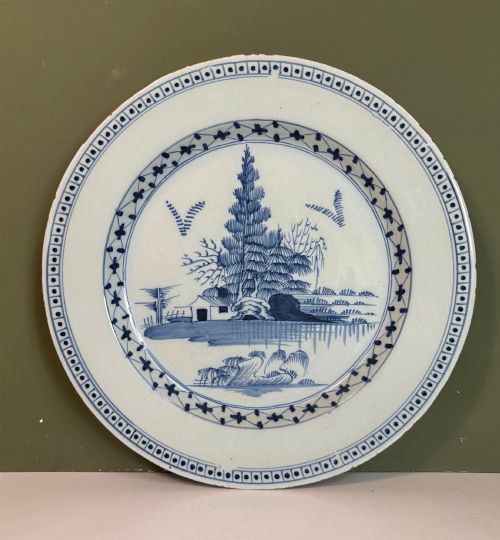


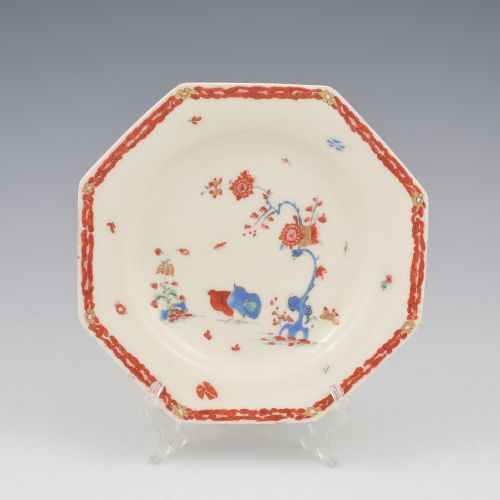
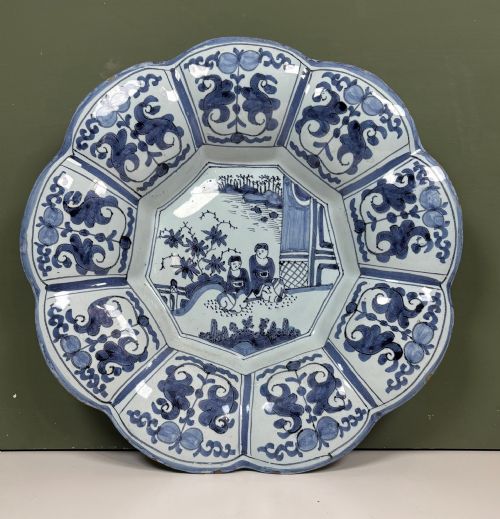
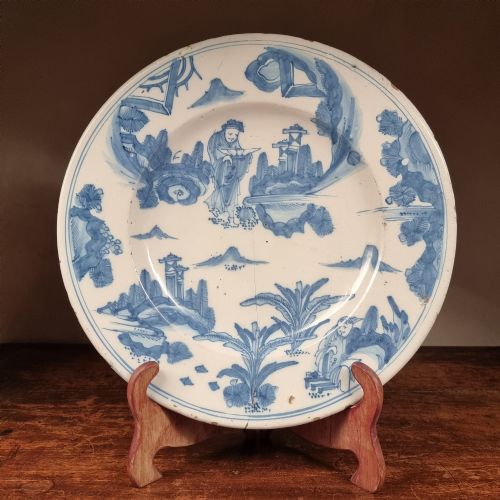
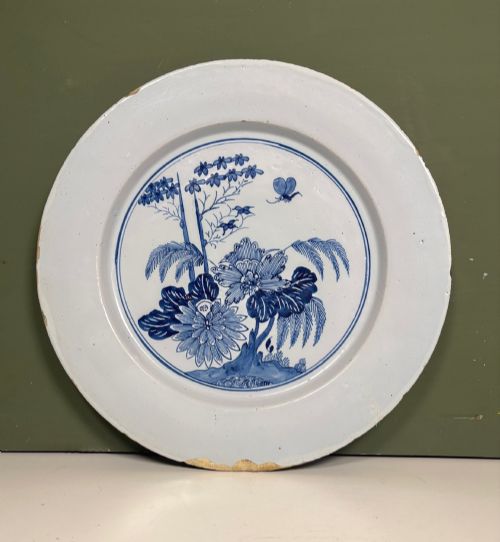
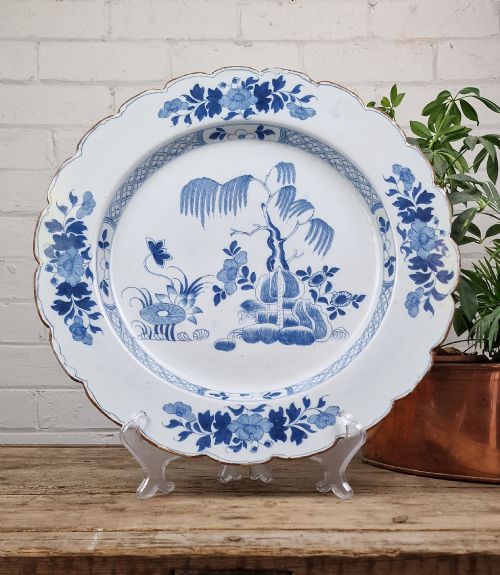


Blue White Chinoiserie Plate
These pieces of blue white chinoiserie plate bring together European earthenware and porcelain with imaginative interpretations of East Asian motifs.
Blue White Chinoiserie Plate
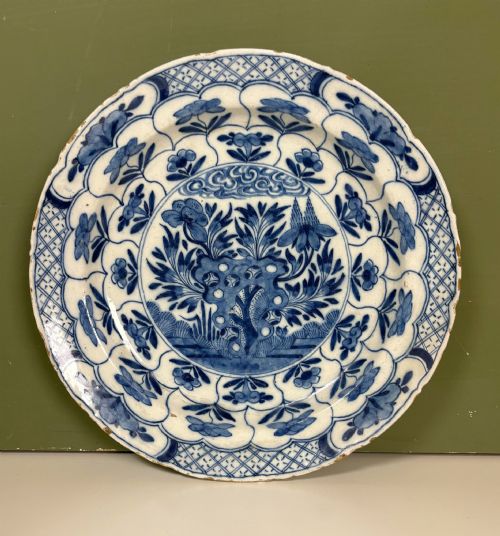
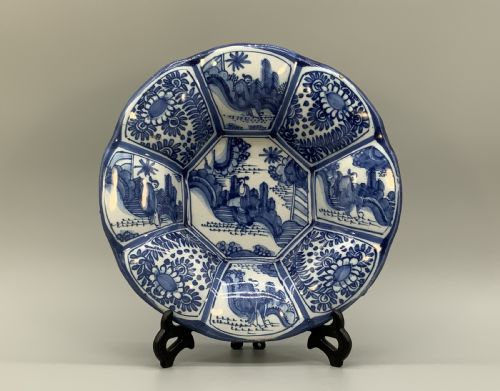
A blue white chinoiserie plate is primarily encountered in the form of tin-glazed earthenware dishes, delft chargers, and transferware plates originating from the seventeenth, eighteenth, and nineteenth centuries. These items serve both functional dining purposes and decorative display, with larger chargers designed to make a strong visual statement on walls or dresser backs.
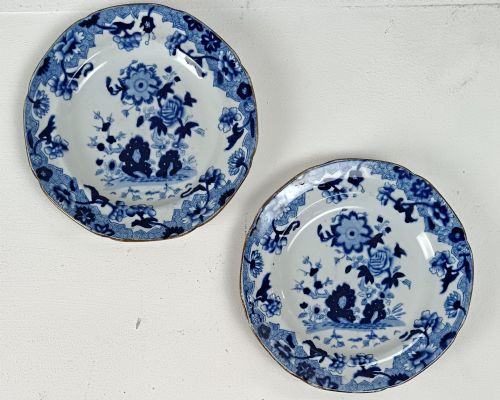
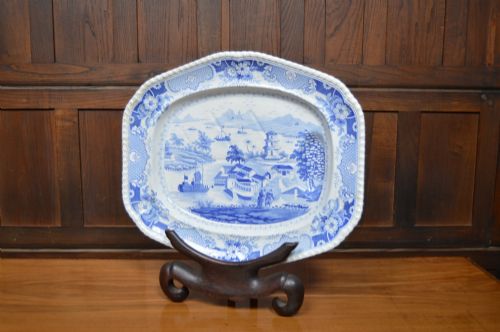
The selection ranges from early seventeenth-century delftware and eighteenth-century English delft plates to nineteenth-century Victorian transferware and stoneware chargers. Buyers will frequently find pieces decorated with classical pagoda scenes, willow patterns, and stylized oriental landscapes executed in cobalt pigment.
Makers span diverse British and European potteries, including regional English delftworks, Caughley, Minton, and Spode. The forms include standard tea plates, meat platters, lobed dishes, and broad chargers, providing a comprehensive view of how European kilns interpreted Chinese export aesthetics over three centuries.
How They Were Made
Potters relied on earthenware, pearlware, stone china, and porcelain bodies, which were then coated in glazes such as tin glaze or standard ceramic glaze. Cobalt oxide and cobalt pigment provided the deep blue colour used to paint or transfer the intricate chinoiserie designs directly onto the surface before firing.
Early pieces feature hand-painted cobalt decoration applied skillfully onto raw tin glaze, while later nineteenth-century examples often utilise copper-plate transfer printing to achieve complex patterns like the willow pattern with remarkable consistency.
What Varies in Quality
The clarity and depth of the cobalt pigment dictate much of the visual success, ranging from blurred, pooled washes to crisp, vibrant brushwork or sharply registered transfer printing. Control over the kiln firing temperature also determines whether the white ground remains clean or suffers from discoloration and kiln ash.
The finesse of the ceramic body itself sets examples apart, distinguishing thick, heavy earthenware platters from delicate, thin-walled porcelain plates and refined pearlware bodies. Hand-painted pieces rely entirely on the confidence and skill of the decorator's brush, whereas printed wares depend on the precision of the initial copper engraving.
John Ridgway·Copeland And Garrett·Mason·Minton·Spode
The Blue White Chinoiserie Plate Glossary
- Chinoiserie
- European artistic interpretation of Chinese and East Asian stylistic motifs, prevalent in decorative arts from the seventeenth century onwards. This aesthetic guides the fanciful landscapes and architectural elements seen across these plates.
- Tin Glaze
- An opaque white glaze containing tin oxide, applied to earthenware to provide a smooth canvas for painted decoration. It is characteristic of traditional delftware production.
- Transferware
- Pottery decorated by transferring a printed design from an engraved copper plate onto the ceramic surface using a tissue paper intermediary. This technique allowed for intricate, repeatable patterns during the nineteenth century.
- Charger
- A large decorative plate or dish, typically measuring over twelve inches in diameter, used historically for ceremonial service or prominent wall display. They form some of the most striking visual pieces in early ceramics.
- Pearlware
- A refined earthenware developed in the late eighteenth century featuring a clear glaze with a subtle bluish tint that pools in crevices. It was designed to mimic the appearance of Chinese export porcelain more closely than standard creamware.
Blue White Chinoiserie Plate: Frequently Asked Questions
What is a blue white chinoiserie plate?
It is a ceramic dish decorated with blue pigment depicting European fantasies of East Asian scenery, architecture, and flora. These items span various historic periods and ceramic bodies.
Potters across England and Europe produced these wares to satisfy a continuous fascination with oriental design. They range from hand-painted delft chargers to nineteenth-century transfer-printed plates.
How were these plates used historically?
Many of these pieces functioned as tableware for serving meat, tea, or everyday meals in prosperous households. Large chargers and platters were frequently displayed on sideboards or hung on walls for decoration.
Over time, utility shifted toward decorative display as ceramic techniques evolved. Compotes and large platters also served grand dining tables during formal Georgian and Victorian dinners.
How do I date a delft plate?
Dating relies on examining the ceramic body, glaze characteristics, and the style of the cobalt painting. Early pieces often feature heavier earthenware bodies and specific tin-glaze formulations unique to seventeenth and eighteenth-century kilns.
Backstamps, impressed marks, and specific patterns help narrow down the production era for nineteenth-century transferware. Comparing pieces to documented archives provides further chronological accuracy.
Can I use antique plates for dining?
While technically possible with sturdier ironstone or stone china, older earthenware and delft pieces are generally reserved for display. Historic glazes and porous bodies require careful preservation to prevent modern wear.
Gentle hand washing is necessary if used occasionally, avoiding dishwashers entirely. Most collectors prefer to mount chargers on walls or place them in cabinets to protect the surface.