


Antique English Pearlware
Antique English pearlware offers the collector a refined earthenware body bathed in a subtle bluish glaze, spanning Georgian and Regency domestic forms.
Antique English Pearlware
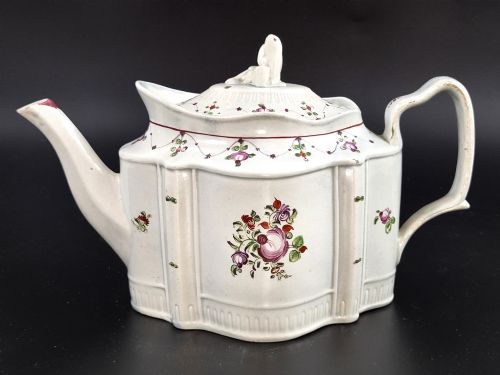
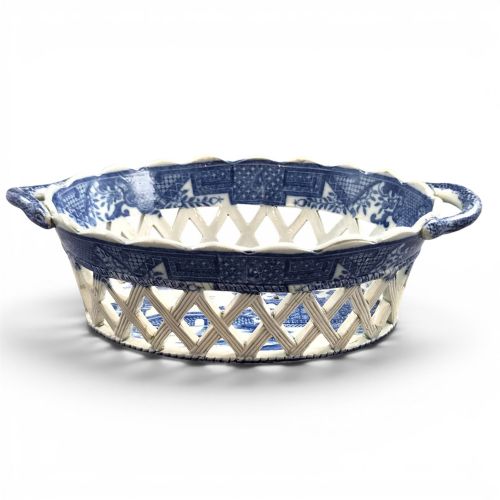
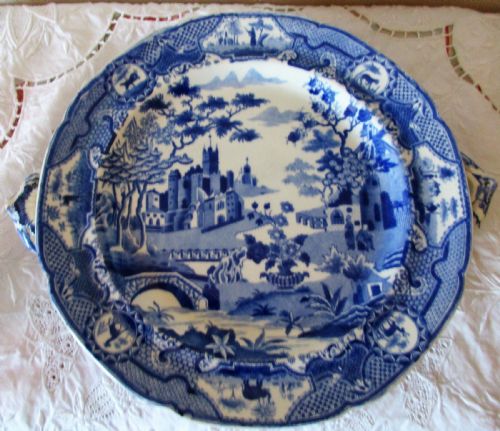
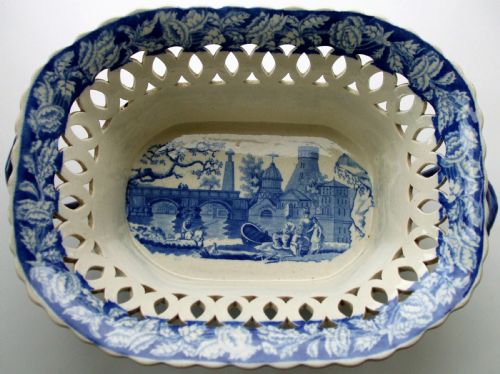
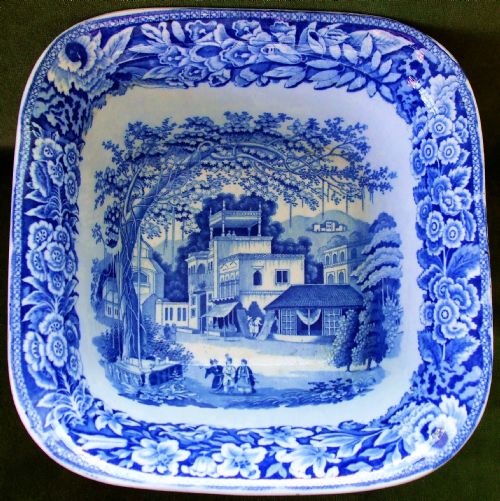
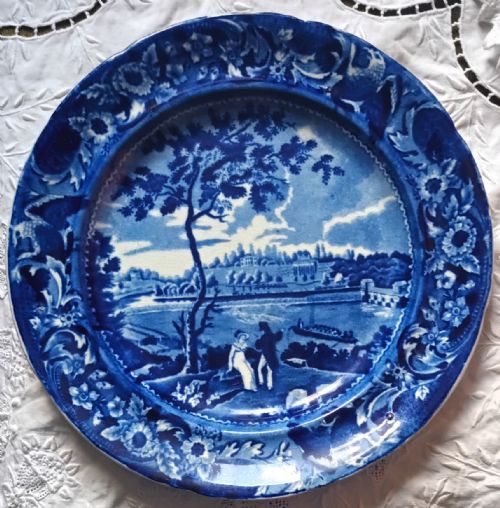
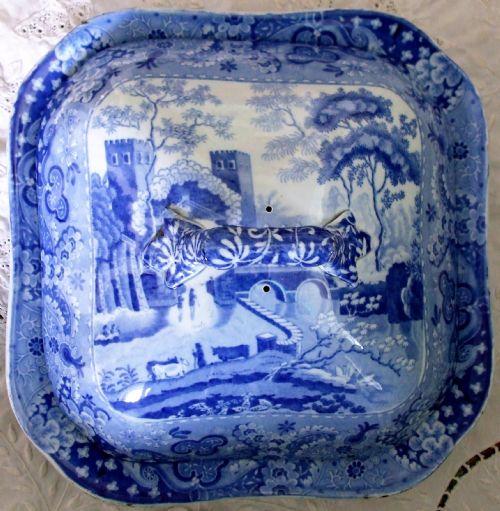
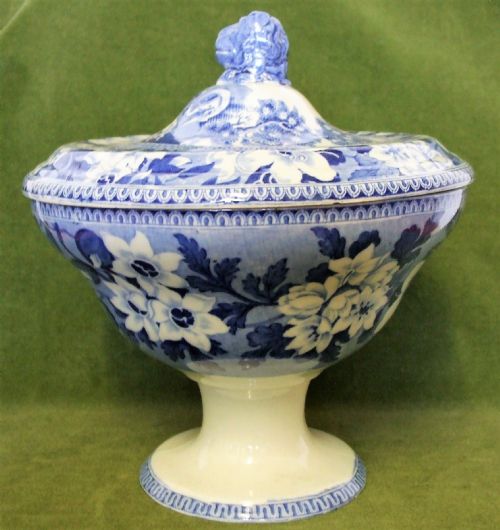
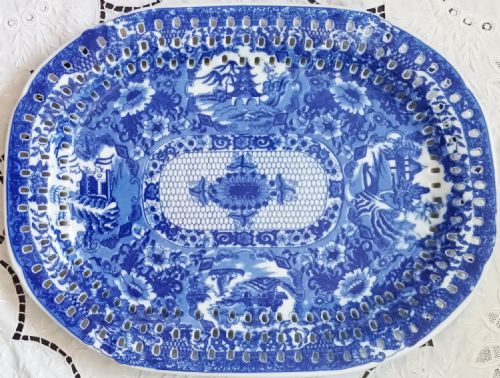
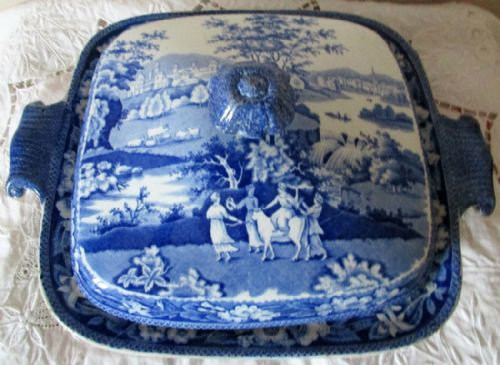
Antique English pearlware encompasses a diverse range of domestic ceramics developed in the late eighteenth and early nineteenth centuries to rival true porcelain. When exploring antique English pearlware, buyers encounter blue and white transfer-printed plates, figural groups, moulded jugs, and reticulated chestnut baskets originating from Staffordshire and northern potteries.
The objects span the Georgian, Regency, and early nineteenth-century periods, showcasing forms from utilitarian vegetable tureens and hot-water plates to whimsical frog mugs and decorative figures. These pieces reflect both industrial mass-production and folk-art traditions, bridging formal dining wares and everyday household items.
How They Were Made
Potters constructed these items from refined earthenware bodies, subsequently dipping them into a specialised ceramic glaze containing small amounts of cobalt oxide to create a characteristic bluish pooling effect in crevices. Decoration was applied through hand-painting in enamel palettes or by transferring engraved designs onto the surface before a final kiln firing.
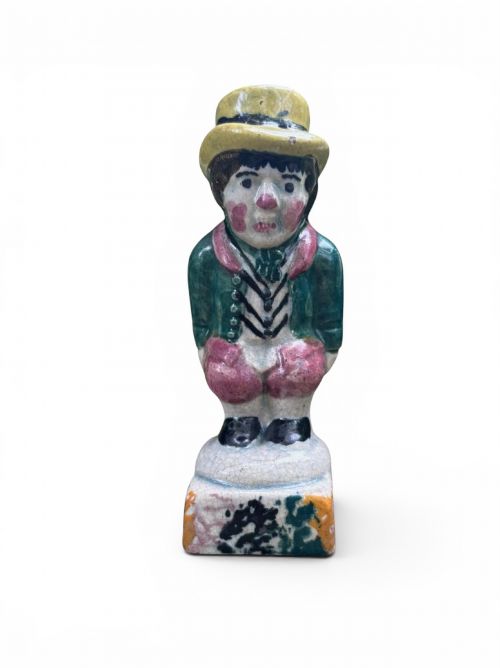
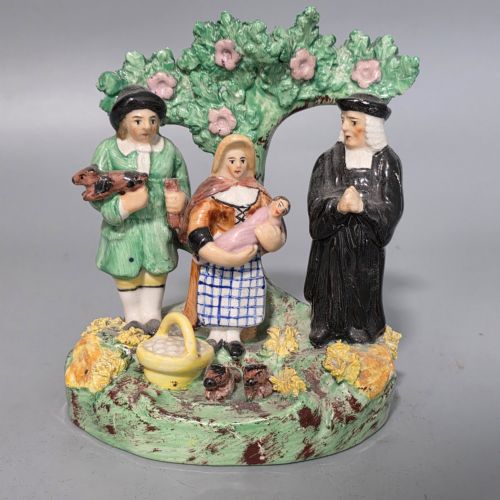
Moulding techniques permitted the creation of intricate relief patterns, such as cabbage leaf motifs on jugs, pierced lattices on serving dishes, and sculptural figures of animals and literary characters.
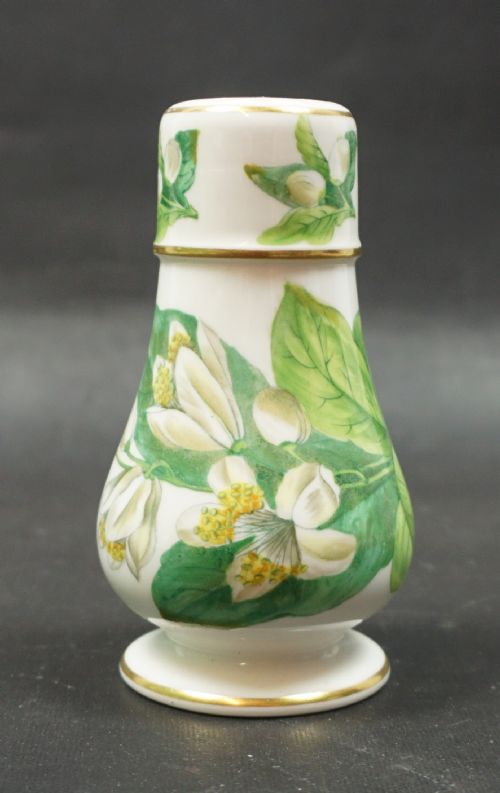
Listings feature earthenware bodies decorated with cobalt glaze, enamel, and gold leaf across forms from plates to chestnut baskets.
What Varies in Quality
Quality in these ceramics rests primarily on the crispness of the transfer printing or the dexterity of the hand-painted enamels, alongside the evenness of the pale glaze. Pieces with sharp, unblurred blue and white transfer details or expressive modelling in figural groups command greater appreciation among collectors.
The complexity of the form also dictates standing, particularly where reticulated baskets or multi-piece tureens require advanced technical skill during shaping and firing.
Spode·J. and R. Clews·J. and R. Riley·Stubbs·John Rogers and Son·John Davenport of Longport·Thomas and John Carey·Sewell·William Adam
The Antique English Pearlware Glossary
- Pearlware
- A refined earthenware developed by Josiah Wedgwood and others, characterised by a white body and a thin glaze containing cobalt that pools blue in recessed areas. This innovation successfully bridged the gap between creamware and true porcelain.
- Transfer printing
- A method of decorating ceramics by applying an engraved copperplate design onto tissue paper and pressing it onto the biscuit or glazed surface. This technique allowed intricate pictorial scenes to be replicated consistently.
- Prattware
- Earthenware decorated under the glaze with characteristic muted colours, typically blue, ochre, green, and brown, often associated with figures and utilitarian vessels. The style flourished during the late eighteenth and early nineteenth centuries.
- Reticulated
- Describes ceramic work featuring an openwork or pierced lattice design, frequently seen on chestnut baskets and fruit dishes. Such decoration required delicate hand-cutting of the clay before firing.
- Lustreware
- Pottery finished with a metallic glaze that produces an iridescent sheen, often incorporating copper, silver, or gold tones. Sunderland examples frequently paired this technique with moralizing verses or maritime transfer prints.
Antique English Pearlware: Frequently Asked Questions
How do I clean antique pearlware?
Wash these ceramics gently by hand in warm water using a mild, non-abrasive detergent, avoiding dishwashers entirely to protect the delicate glaze and any surface enamel or gold leaf.
Dry each piece thoroughly with a soft cloth to prevent moisture damage, keeping them away from harsh scrubbing implements that might scratch the historical body.
Were these blue and white pieces used daily?
Many transfer-printed plates, dishes, and tureens were made for active service on dining tables during the Georgian and Regency eras, handling everyday meals alongside formal gatherings.
Utilitarian items like jugs, mugs, and pepper pots saw frequent domestic service in kitchens and taverns across England.
How can I tell pearlware from creamware?
Inspect the pooled areas of the glaze, such as around foot rims or handles, where pearlware exhibits a distinct bluish tint due to the cobalt content added to mask the cream-coloured clay body.
Creamware, by contrast, presents a warm buttery or yellow hue across the entire surface without this cool blue pooling.
Can I display these pieces on walls?
Plates and shallow dishes featuring pictorial transfer scenes or botanical motifs lend themselves well to traditional wall display using appropriate, non-damaging brass hangers.
Ensure the mounting hardware distributes the weight evenly and avoids placing items in areas subject to strong direct sunlight or excessive temperature fluctuations.