



18th Century English Pottery
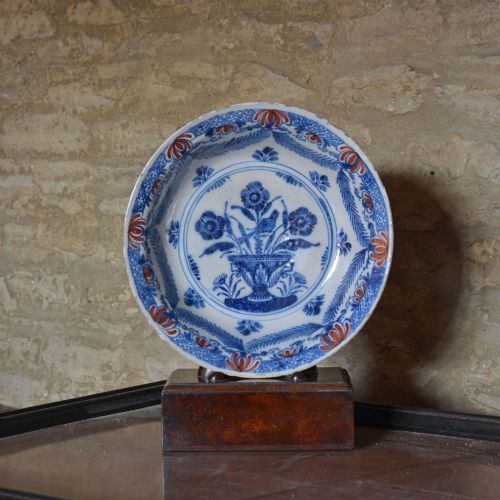
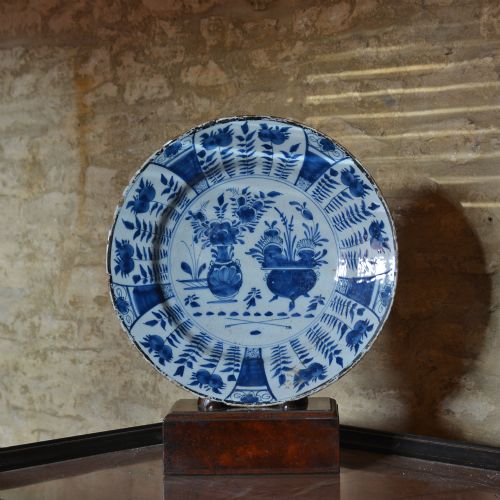
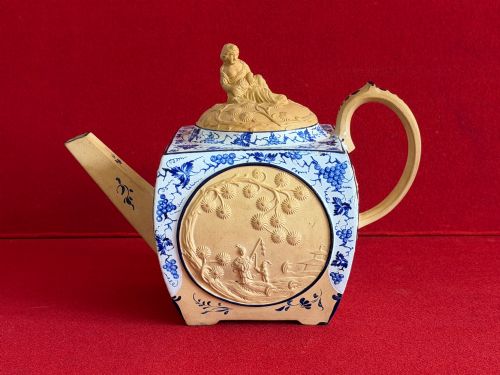
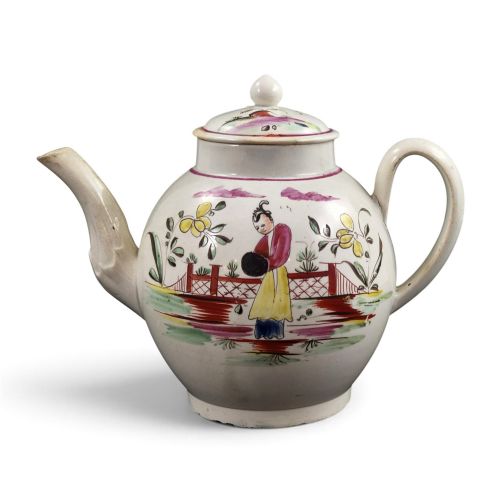
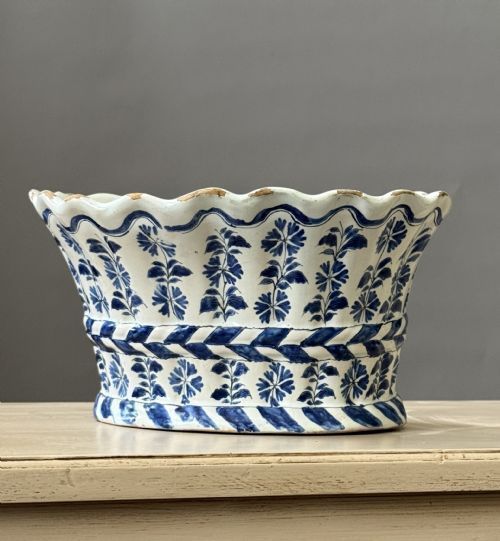
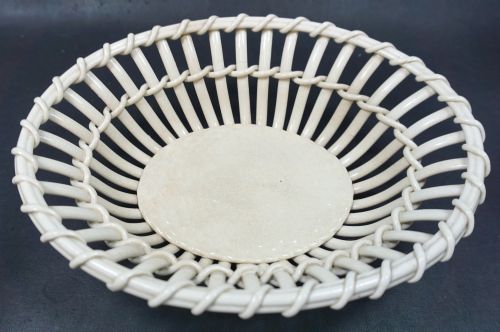
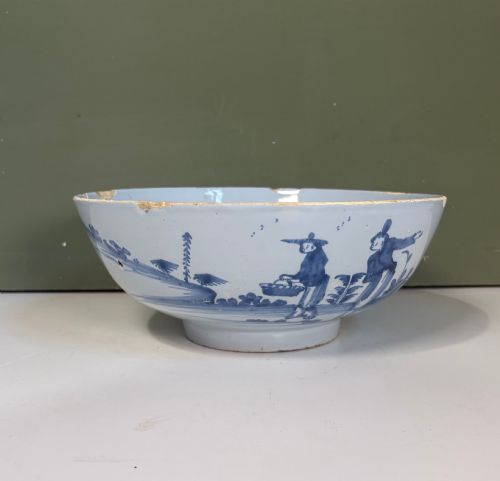
These pieces of 18th century english pottery encompass tin-glazed earthenware, creamware, and pearlware made for everyday use and display.
18th Century English Pottery
18th century english pottery spans utilitarian vessels and decorative objects created during the Georgian period, including plates, chargers, bowls, jugs, and teapots. Buyers searching for 18th century english pottery encounter tin-glazed delftware alongside creamware and pearlware bodies.
The most common forms on this page are blue and white or polychrome delft plates and chargers, alongside creamware tableware and moulded jugs. These pieces originate from historic production centres such as Lambeth, Bristol, and Staffordshire potteries.
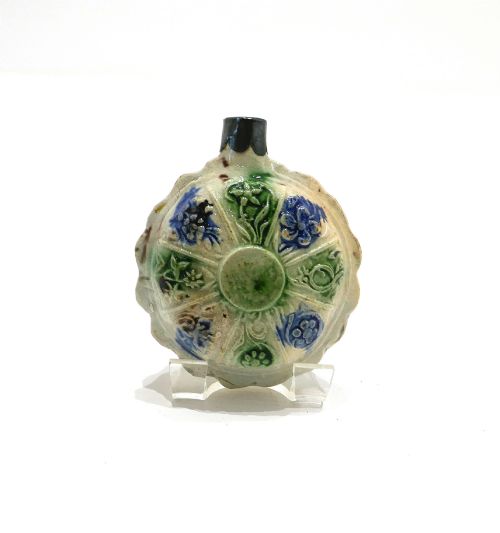
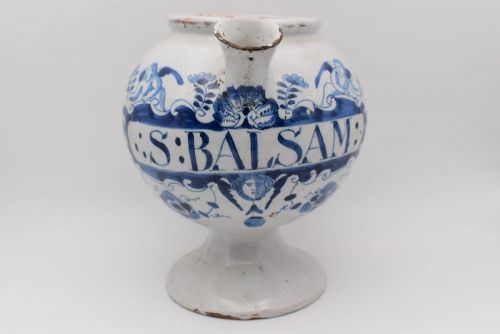
Vessels range from apothecary wet drug jars and posset pots to armorial dinner plates and tea wares. Surviving examples demonstrate the shift from tin glaze towards refined cream-coloured earthenwares and pearlware bodies.
How They Were Made
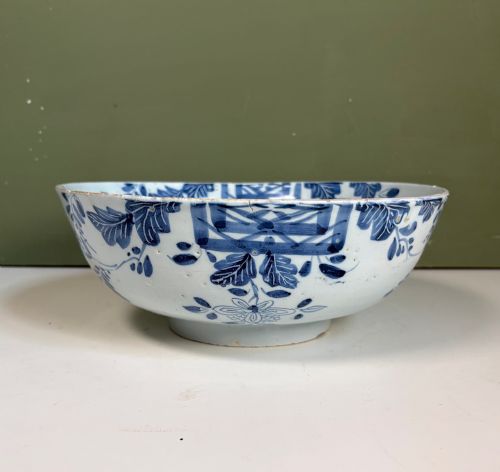
Makers utilised earthenware bodies coated in tin glaze for delftware, decorated with cobalt pigment or enamel colours. Creamware and pearlware utilised refined white clays, sometimes shaped with cabbage leaf moulding or finished with blue and white printing.
Firing techniques required kilns where pots were stacked in saggers to protect the tin glaze or creamware surfaces from direct flame. Hand painting with cobalt oxide or polychrome enamels decorated the raw glaze before the final glaze firing.
18th Century English Pottery Retail Price Guide 2026
Typical asking prices for 18th century english pottery among the pieces listed under this phrase on Sellingantiques today, from the lower quarter to the upper quarter. They describe what is for sale here now, not the wider market.
Listings feature earthenware, creamware, and pearlware bodies decorated with cobalt pigment, enamel, and transfer printing across the 18th Century and Georgian periods.
What Varies In Quality
Quality rests in the crispness of the hand-painted cobalt pigment or enamels, and the smoothness of the tin glaze or creamware surface. Superior pieces display confident brushwork on delft chargers or sharply defined cabbage leaf moulding on pearlware jugs.
Form and proportion dictate the desirability of holloware such as posset pots, bough pots, and apothecary jars. Intricate detailing in armorial crests or transfer printing separates standard utility wares from exhibition pieces.
Wedgwood·Caughley·Spode·Whieldon·Leeds Pottery
The 18th Century English Pottery Glossary
- Delftware
- Tin-glazed earthenware produced in England, typically decorated in blue and white or polychrome pigments. This tin glaze creates an opaque white surface suitable for hand-painted motifs.
- Creamware
- A refined cream-coloured earthenware developed in Staffordshire and Leeds during the mid-to-late eighteenth century. It superseded much of the earlier tin-glazed pottery due to its durability.
- Pearlware
- A fine earthenware introduced towards the end of the eighteenth century, featuring a pale bluish glaze designed to mimic Chinese porcelain. It often carried blue printed patterns.
- Polychrome
- Decoration employing multiple enamel colours on ceramic surfaces. It contrasts with blue and white painting by incorporating greens, yellows, and reds.
- Posset pot
- A spouted vessel with handles used for serving posset, a hot drink made of milk curdled with wine or ale. Surviving examples often include matching lids.
18th Century English Pottery: Frequently Asked Questions
How do I date 18th century english pottery?
Dating relies on stylistic changes, such as the shift from tin-glazed earthenware to creamware and pearlware by the end of the century. Shape, decorative palette, and manufacturing marks provide further chronological clues.
Examining the glaze type and potting technique helps distinguish early Georgian delftware from later pearlware and creamware productions.
What is the difference between delftware and creamware?
Delftware uses an opaque tin glaze over a buff earthenware body, suited for painted tin-glaze decoration. Creamware is a refined, thin-walled earthenware with a warm transparent glaze.
Creamware emerged later in the period, offering a more durable surface for domestic dining tables than traditional delft plates.
How were apothecary jars used?
Apothecary wet drug jars held syrups, oils, and liquid medicines in dispensaries and apothecaries. They featured painted labels denoting the contents, such as herbal balsams.
These storage vessels sat on shelves in rows, their tin-glazed bodies protecting the medicinal contents from contamination.
Can I use these plates for dining?
Most surviving 18th century plates and chargers are intended for display rather than modern use. The soft earthenware bodies and historical glazes require careful preservation.
Gentle handling protects the delicate tin glaze and enamel colours from wear and thermal shock.