



Antique Ceramic Basket Bowl
An antique ceramic basket bowl brings woven forms into porcelain, earthenware and majolica for table display.
Antique Ceramic Basket Bowl
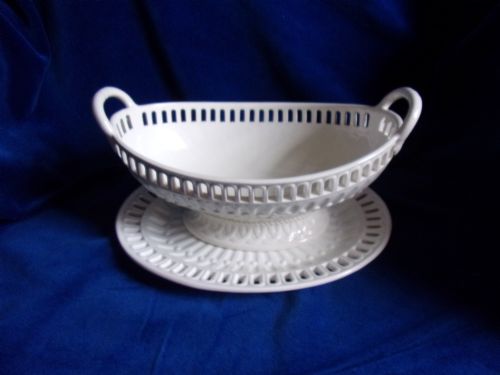
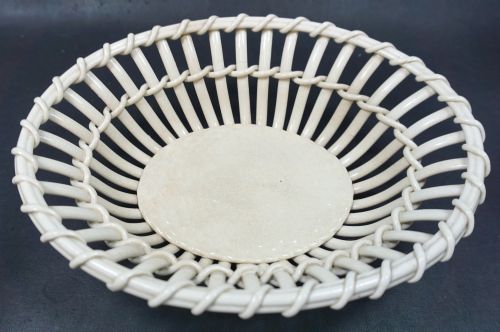
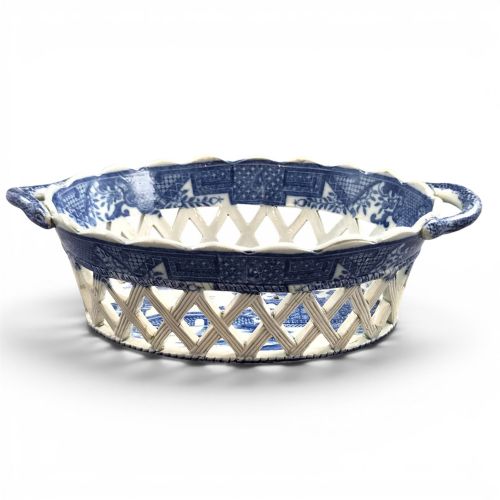
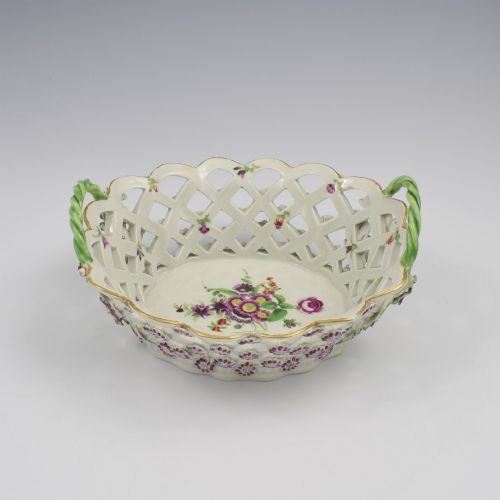
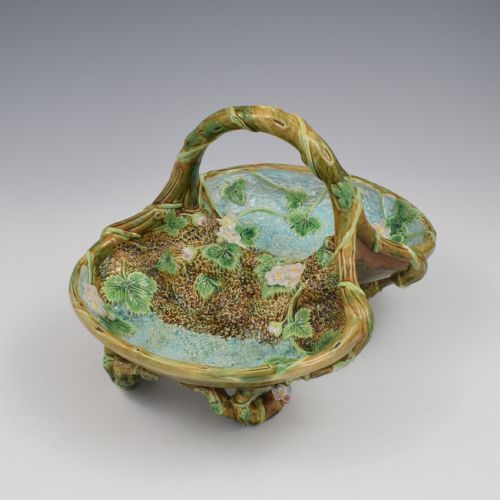
An antique ceramic basket bowl combines the openwork appearance of wicker with the permanence of fired clay. These pieces range from Georgian chestnut baskets and sweetmeat dishes to Victorian majolica fruit holders and centrepieces.
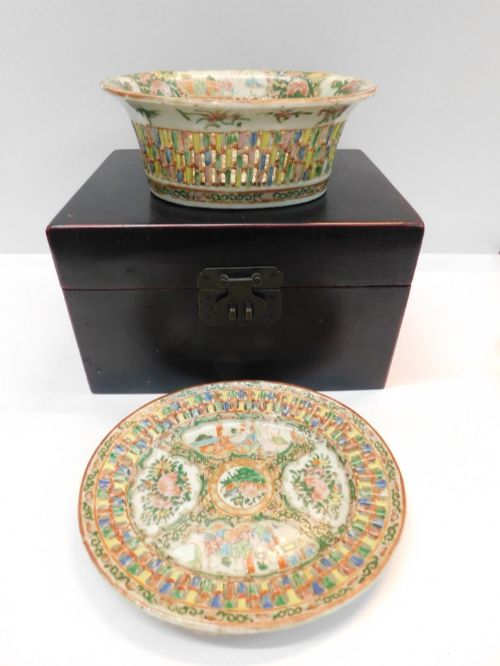
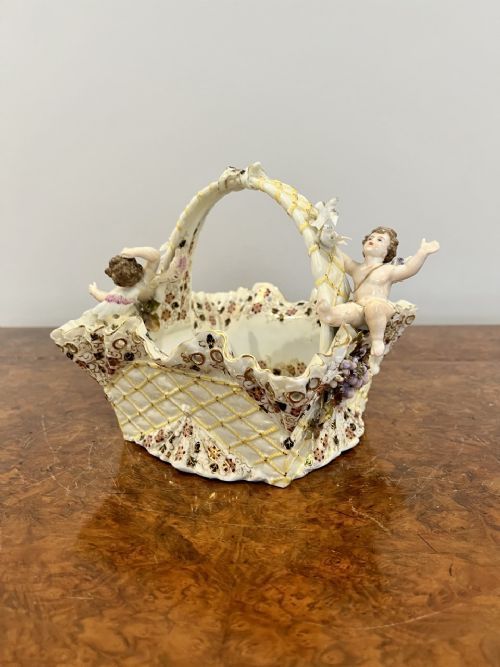
The selections on this page span the eighteenth, nineteenth and early twentieth centuries, drawing on English, continental and Chinese traditions. Forms include pierced circular vessels with matching stands, handled dishes and figural compositions.
Makers utilised earthenware, creamware, pearlware and fine porcelain, decorating surfaces with transfer printing, polychrome enamels and applied floral details. Buyers encounter both utilitarian serving forms and purely decorative table centrepieces.
Materials and production methods
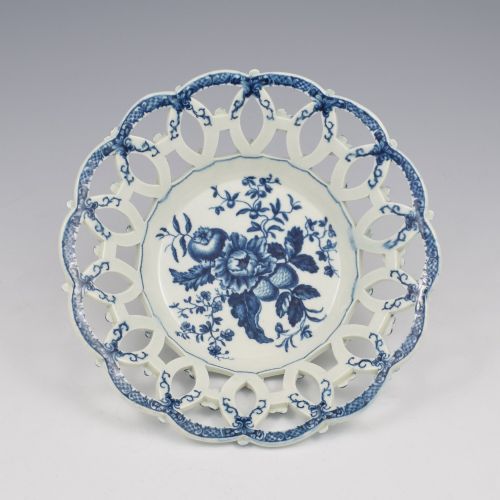
Potters shaped these objects using soft paste and hard paste porcelain, creamware, ironstone and earthenware. Pierced or reticulated sides required cutting clay while leather-hard, creating intricate lattice patterns that demanded considerable skill during firing.
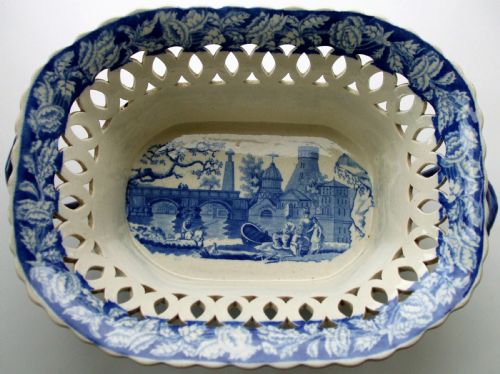
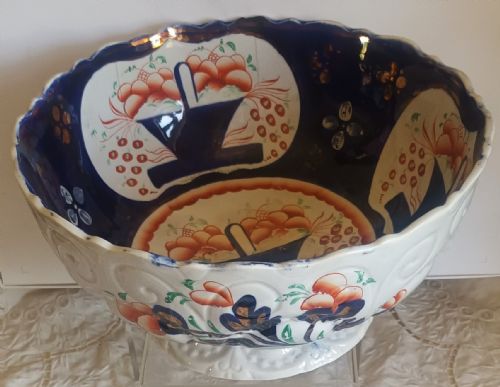
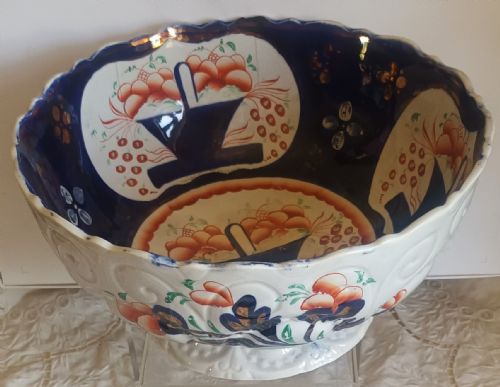
Surface decoration involved hand-painting in polychrome enamels, blue and white transfer printing in patterns such as the Willow pattern, and the application of moulded flowers and leaves. Glazes ranged from clear lead glazes to rich majolica tin-glazes and pearl glazes.
Antique Ceramic Basket Bowl Retail Price Guide 2026
Typical asking prices for ceramic basket bowl among the pieces listed under this phrase on Sellingantiques today, from the lower quarter to the upper quarter. They describe what is for sale here now, not the wider market.
Several Victorian chickens and silkie hens stand ready on nests to hold breakfast eggs.
Distinctions in quality
Quality rests upon the crispness of the reticulation and the delicacy of applied elements like flowers and figures. Finer examples display precise piercing without warping and hand-painted details executed with steady control.
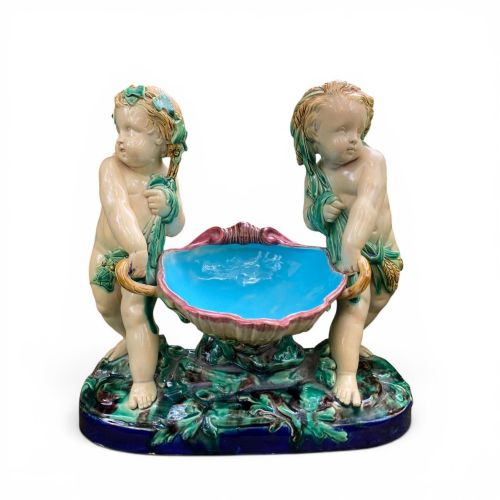
The distinction between standard production and top tier work shows in the depth of the glaze and the complexity of the form, such as integrated stands, covers and sculptural supports including cherubs or maidens.
J. and R. Clews·C.G. Schierholz and Sohn·Royal Dux
The Antique Ceramic Basket Bowl Glossary
- Reticulated
- Pierced in a net-like or lattice pattern to simulate woven wicker. This technique is common in chestnut baskets and sweetmeat dishes.
- Chestnut basket
- A specialised lidded bowl designed for serving roasted chestnuts at the table. These often include an under-tray or stand.
- Majolica
- A type of earthenware glazed with opaque tin enamels and brightly coloured lead glazes. It gained popularity during the Victorian era for fruit and strawberry baskets.
- Transfer printing
- A method of applying intricate designs to pottery from an engraved copper plate using tissue paper. Blue and white river and willow scenes frequently utilise this technique.
- Comport
- A raised dish or bowl used for serving fruit or sweets as part of a table centrepiece. Examples appear in porcelain and pearlware.
Antique Ceramic Basket Bowl: Frequently Asked Questions
What were antique ceramic basket bowls used for?
These vessels served functional roles on the dining table for presenting seasonal fruits, roasted chestnuts, sweetmeats and biscuits during formal meals. Many included matching stands or covers to keep food warm and catch crumbs.
Over time, larger examples transitioned into permanent table centrepieces filled with applied porcelain flowers or figures, shifting from dining room utility to drawing room display.
How do I distinguish eighteenth-century pieces from Victorian ones?
Eighteenth-century examples often display fine porcelain bodies, delicate hand-painted polychrome or blue and white underglaze decoration, and crisp reticulation associated with factories like Worcester, Derby and Meissen.
Victorian pieces frequently utilise heavier earthenware, majolica glazes with vibrant greens and browns, or moulded botanical motifs, reflecting the industrial expansion and changing aesthetic tastes of the nineteenth century.
Are all basket bowls meant to hold food?
While many early chestnut baskets and sweetmeat dishes were made for actual dining use, large centrepieces, figural compositions and heavily encrusted floral vessels were strictly decorative ornaments.
The presence of delicate applied flowers or open lattice work without practical interior depth indicates a primary purpose as a parlour or table decoration.
How should I care for an antique ceramic basket bowl?
Display these pieces away from direct sunlight and areas of heavy vibration, especially items featuring applied floral elements or delicate handles which remain vulnerable to impact.
Dust gently with a soft brush rather than washing, as moisture can penetrate unglazed areas, old repairs or hairline cracks in aged ceramic bodies.