

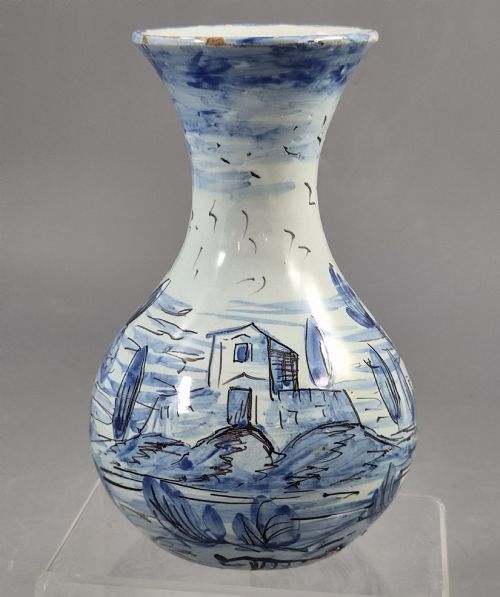
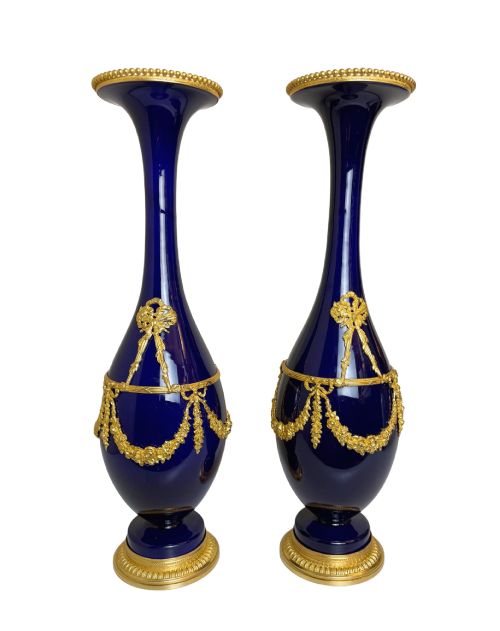
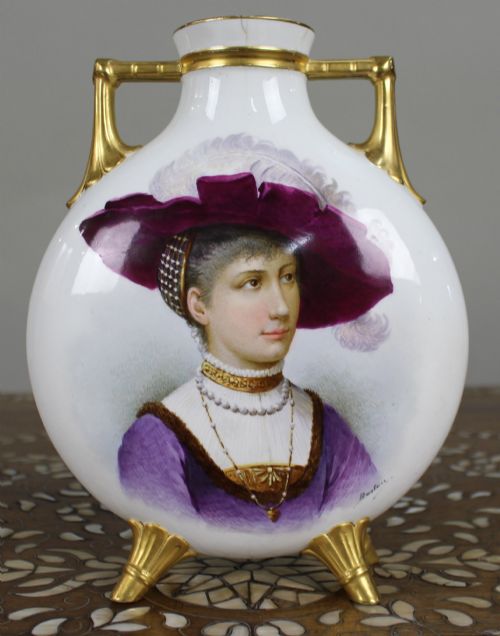
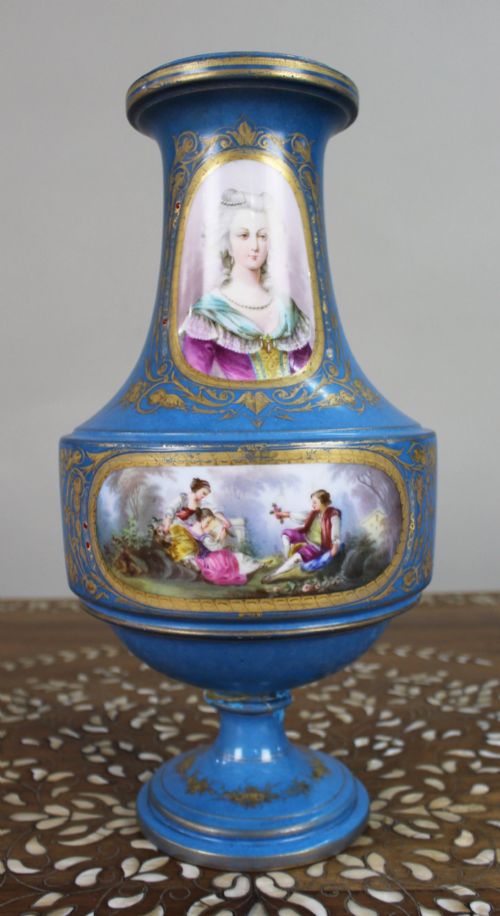
19th Century Porcelain Vase
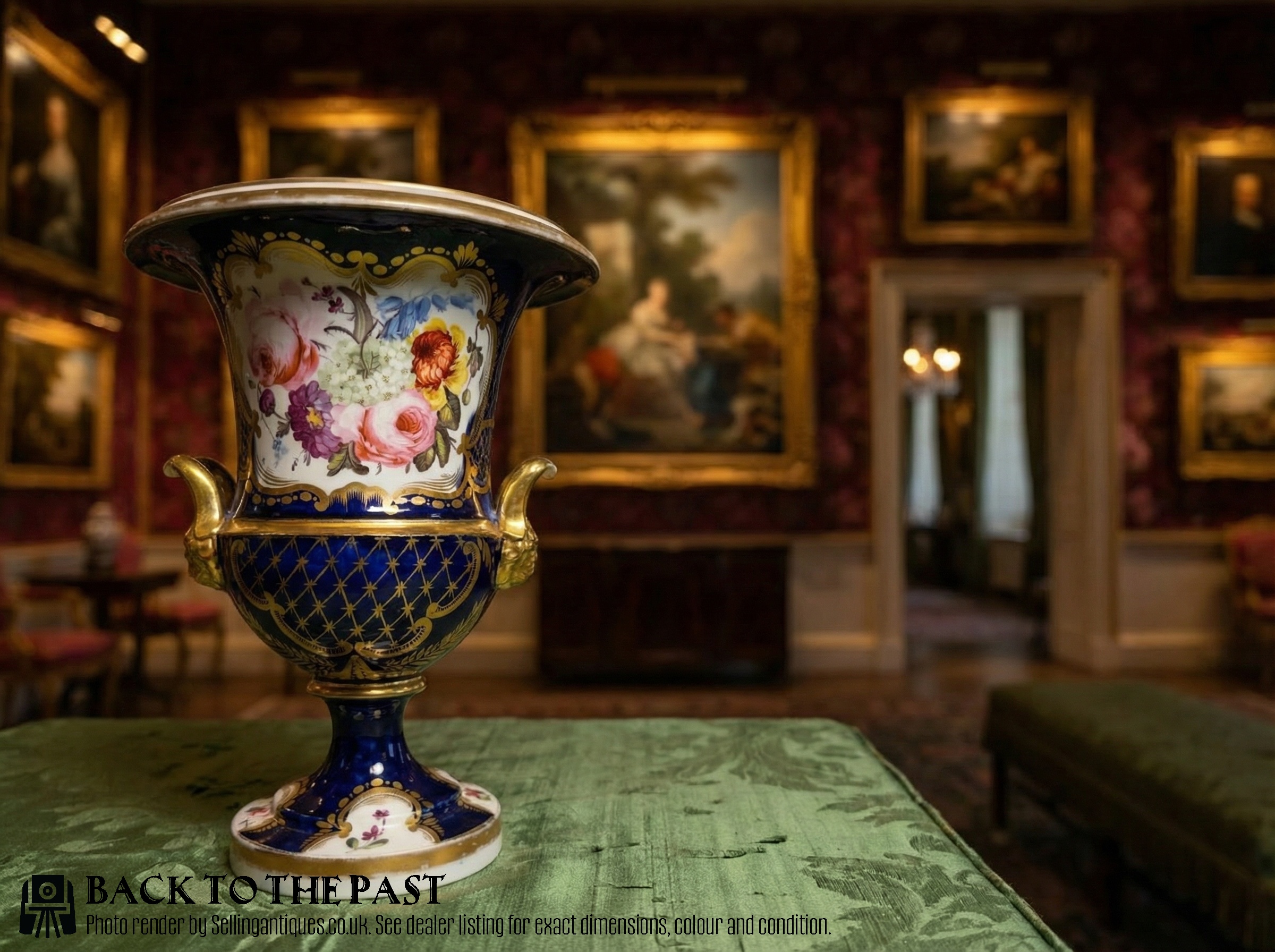
A 19th century porcelain vase brings cabinet-level artistry into a room through hand-painted scenes, rich gilding and varied global aesthetics.
19th Century Porcelain Vase
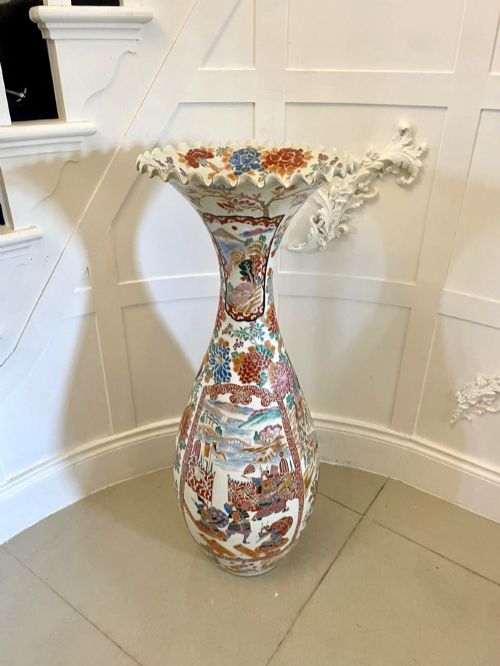
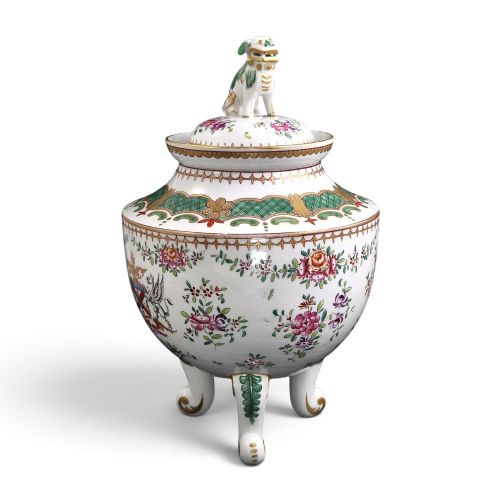
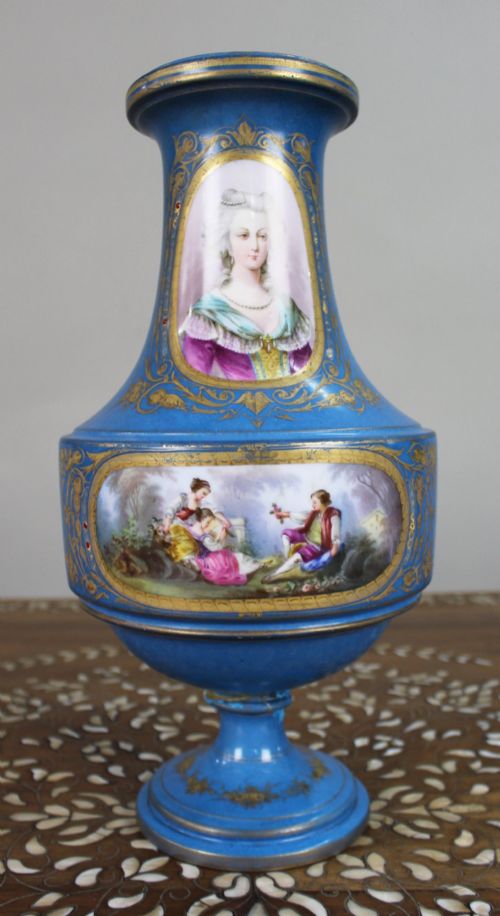
When searching for a 19th century porcelain vase, collectors encounter everything from monumental Japanese Imari floor vessels and delicate English cabinet urns to French Sèvres-style garnitures. These objects reflect a period of immense stylistic cross-pollination, spanning Georgian elegance, Victorian ornamentation and Qing Dynasty traditions.
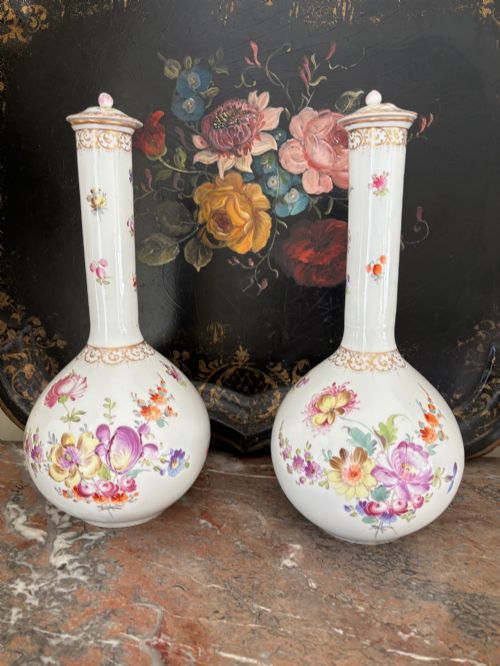
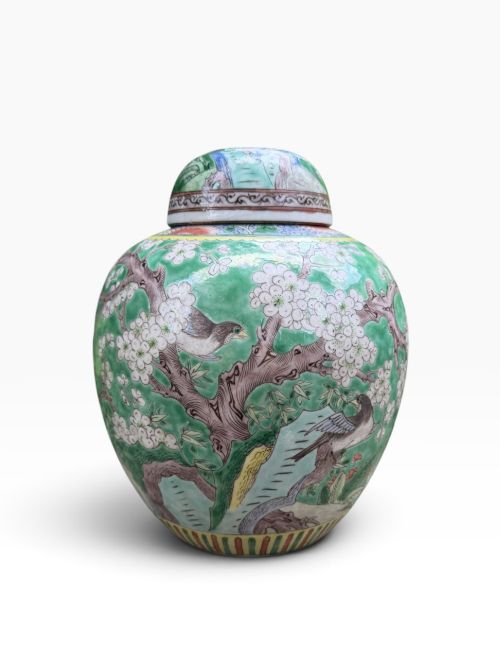
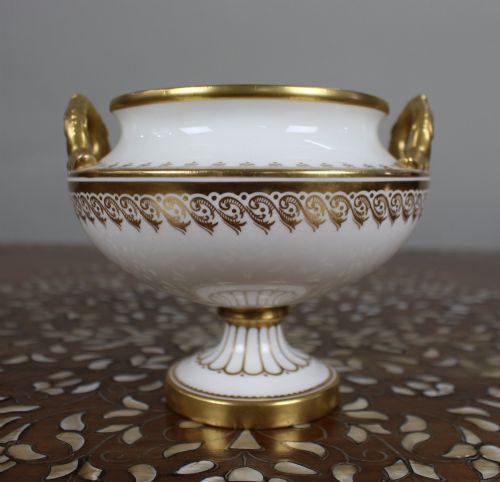
The physical forms vary widely across the inventory, encompassing bulbous ginger jars, slender spill vases, twin-handled table urns and tall floor pieces. Many English and continental examples take inspiration from classical shapes, while Eastern imports introduce intricate famille rose and Satsuma palettes.
Makers ranged from major European porcelain houses like Worcester and Derby to Parisian workshops producing revival wares, alongside Japanese kilns exporting during the Meiji period. This creates a diverse landscape where domestic mantelpieces share space with grand decorative centrepieces.
Materials and Construction Techniques
The primary fabric is fine ceramic paste, finished with vitreous glazes that provide either a high-gloss sheen or a smooth matte surface. Artisans applied hand-painted enamels directly over or under the glaze, often integrating gold leaf and heavy gilding to highlight floral motifs and crests.
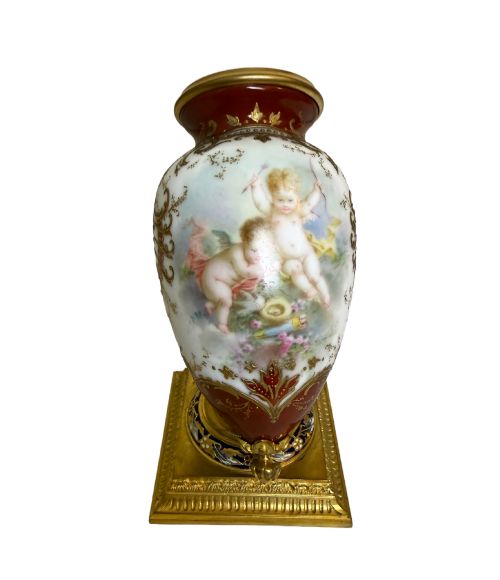
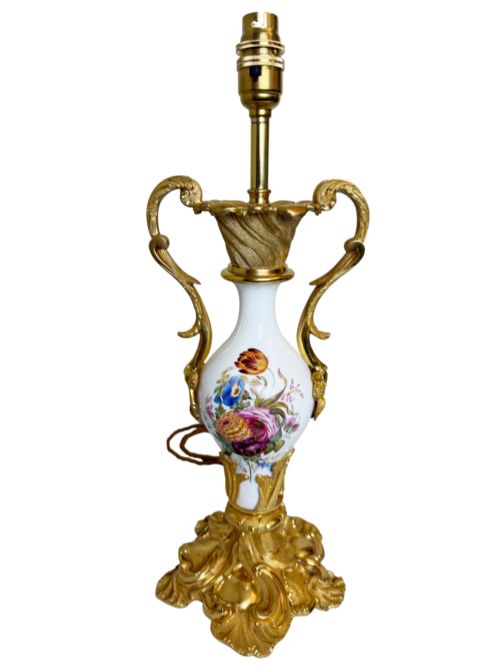
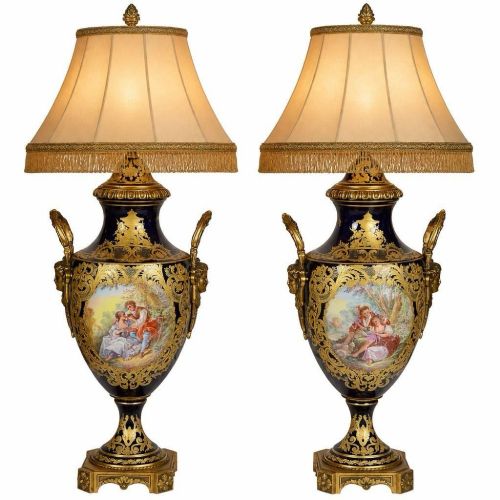
Mounts and structural elements frequently incorporate gilt bronze, brass or ormolu, framing the ceramic body with cast metal bases, handles and rims. Some specialised pieces also utilise cloisonné techniques or delicate earthenware elements alongside the core porcelain body.
19th Century Porcelain Vase Retail Price Guide 2026
Typical asking prices for 19th century porcelain vase among the pieces listed under this phrase on Sellingantiques today, from the lower quarter to the upper quarter. They describe what is for sale here now, not the wider market.
Common supplementary materials include gilt bronze, enamel, gold leaf, and brass paired with traditional ceramic bodies.
Distinctions in Execution and Finish
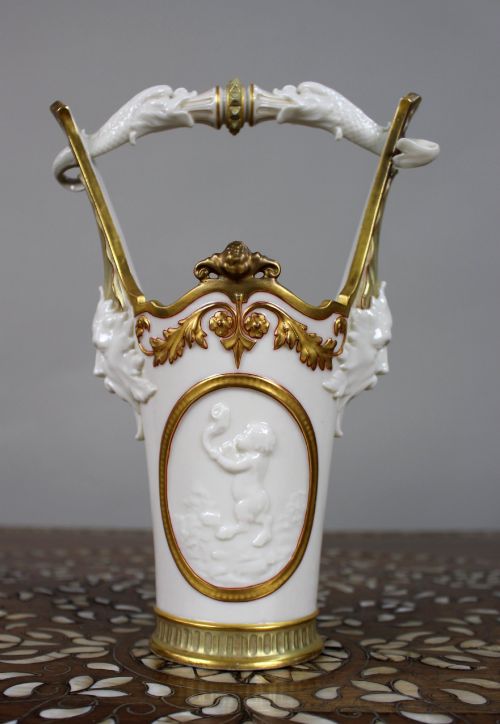
Superior examples distinguish themselves through the precision and delicacy of the hand-painted brushwork, particularly in figurative scenes, ornithological studies and complex armorial designs. Finer works display meticulous registration of enamel colours and heavy, burnished gold leaf rather than flat, painted-on metallic paint.
The quality of the secondary materials - such as the crispness of cast gilt bronze mounts or the clarity of the underlying porcelain body - separates standard production wares from pieces destined for international exhibitions and high-end retail.
Royal Worcester·Samson of Paris·Barr Flight and Barr·Sitzendorf·Helena Wolfsohn
The 19th Century Porcelain Vase Glossary
- Gilt Bronze
- An alloy of copper and zinc finished with a layer of gold amalgamation, used extensively for decorative mounts, handles and bases on European vases.
- Famille Rose
- A major palette of Chinese ceramic glazes introduced in the Qing Dynasty, distinguished by opaque pink or rose enamel derived from colloidal gold.
- Imari
- A style of Japanese export porcelain characterised by a strong palette of underglaze blue, iron red, and supplementary gold over white porcelain.
- Bleu Céleste
- A vibrant turquoise-blue ground colour developed at the Sèvres porcelain factory in France and later emulated by nineteenth-century continental workshops.
- Spill Vase
- A slender cylindrical vessel designed to hold taper candles or wooden spills used for lighting fires and lamps in period domestic settings.
19th Century Porcelain Vase: Frequently Asked Questions
How were nineteenth-century porcelain vases used?
These vessels served primarily as decorative garnitures on mantelpieces, central ornaments on cabinet tables, or as functional containers for fresh blooms and dried arrangements in wealthy homes.
Larger scaled pieces often functioned as floor-standing decor or were later adapted with internal wiring to serve as table lamps in domestic interiors.
How can I tell French Sèvres style from genuine pieces?
Many nineteenth-century continental workshops produced pieces in the Sèvres taste, utilising similar turquoise grounds and gilt bronze mounts to honour the famous French royal manufactory.
Distinguishing between them often relies on examining specific factory marks, the quality of the enamel application, and the character of the associated bronze mounts.
What defines Japanese Imari porcelain?
Imari ceramics are recognised by a distinct decorative scheme combining deep underglaze blue with striking iron red and supplementary gilding over a white porcelain body.
These pieces were produced primarily for export during the nineteenth century, blending traditional Japanese motifs with forms suited to Western drawing rooms.
How should I care for antique porcelain?
Dust these decorative objects gently with a soft, dry brush to prevent the accumulation of particles within recessed hand-painted enamel and gilt details.
Avoid using liquid cleaners or abrasive cloths on gilded surfaces, and keep pieces away from direct sunlight to preserve the vibrancy of the hand-applied pigments.