

19th Century Porcelain Dishes
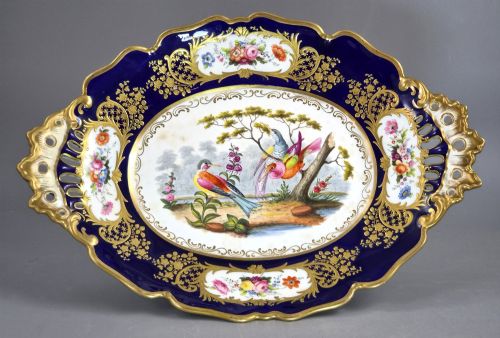
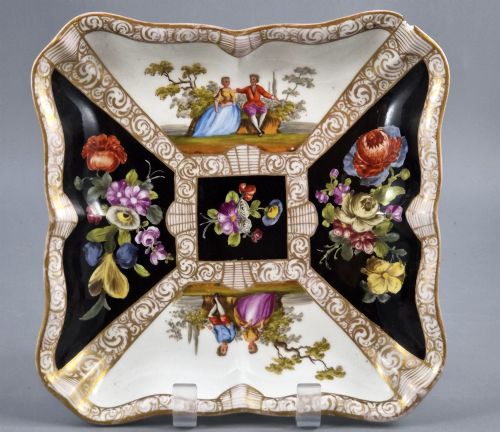
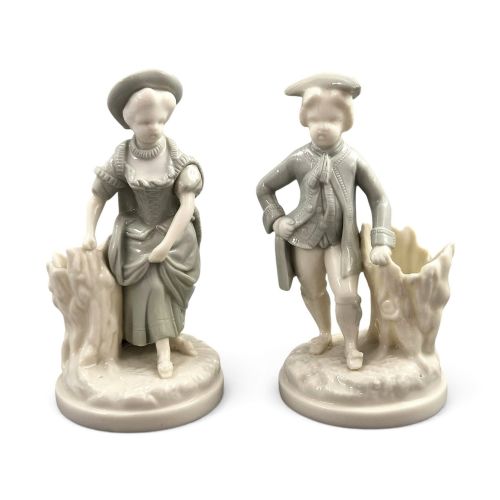
These 19th century porcelain dishes bring painted floral scenes, gilt borders and intricate shapes to tables and cabinets.
19th Century Porcelain Dishes
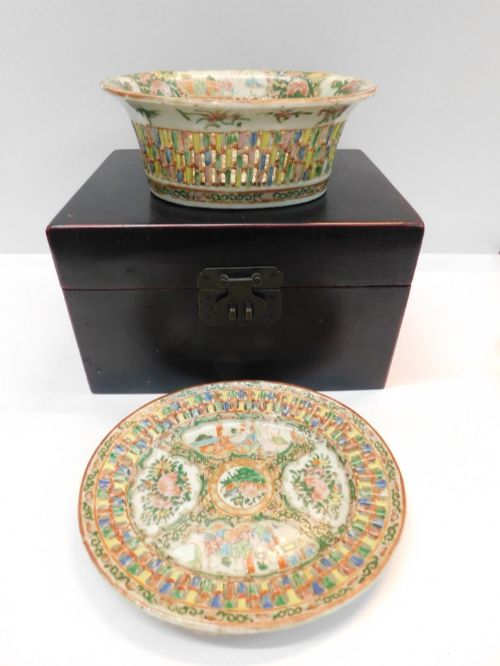
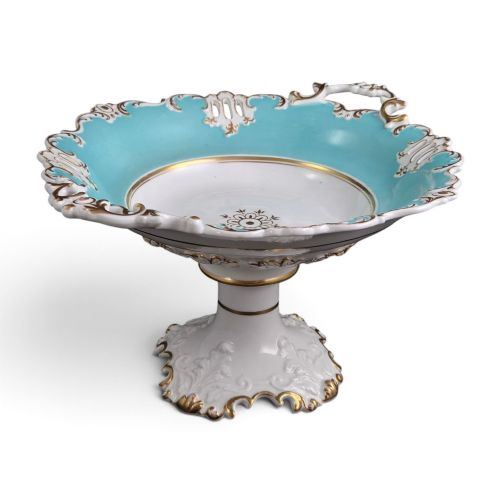
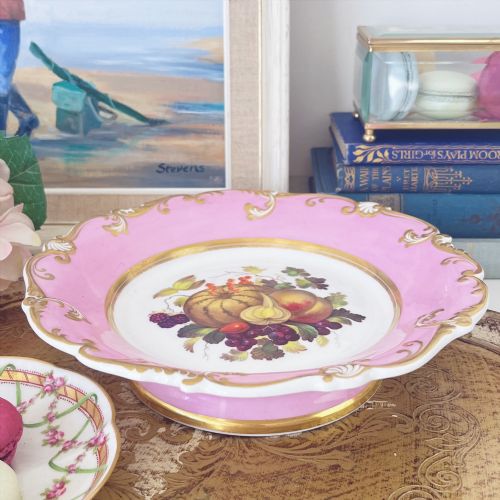
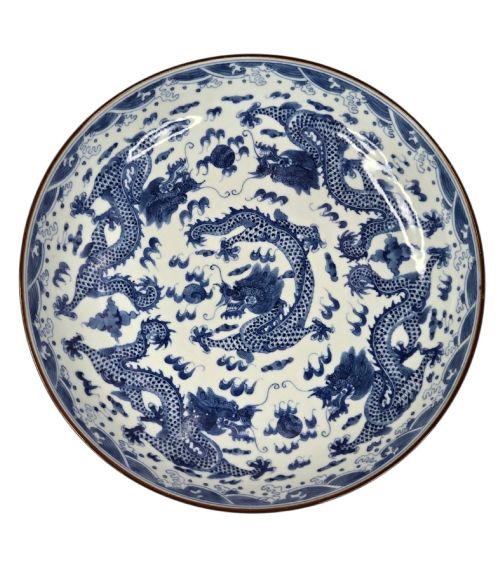
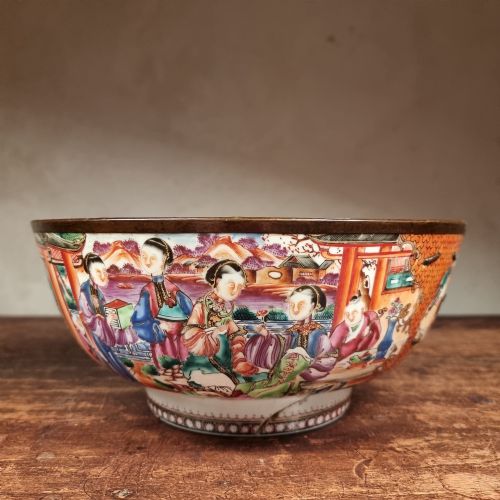
When searching for 19th century porcelain dishes, buyers encounter a wide variety of serving vessels, dessert plates, tazzas and decorative bowls spanning the Georgian, Regency and Victorian eras. English factories, continental European makers and Qing Dynasty kilns all contributed to the forms available on this page.
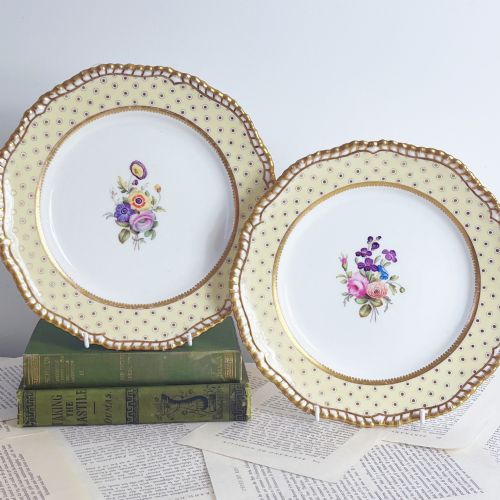
The most common versions met here include English bone china dessert plates, Japanese Imari chargers and French painted porcelain services. Items range from everyday dining wares to elaborate cabinet pieces intended purely for display.
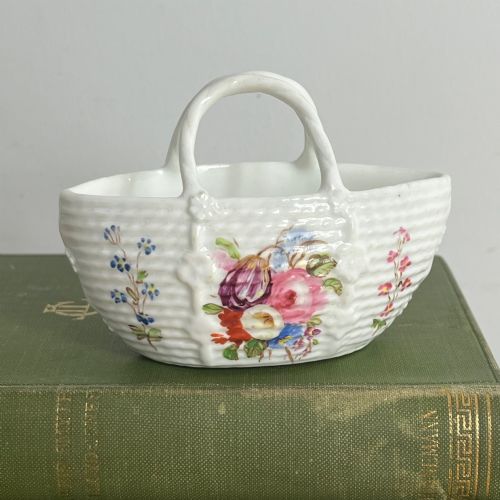
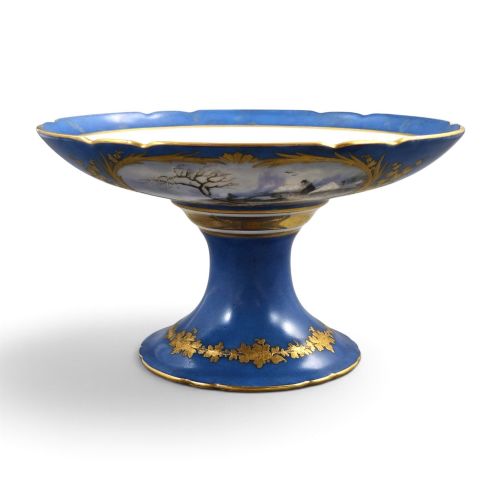
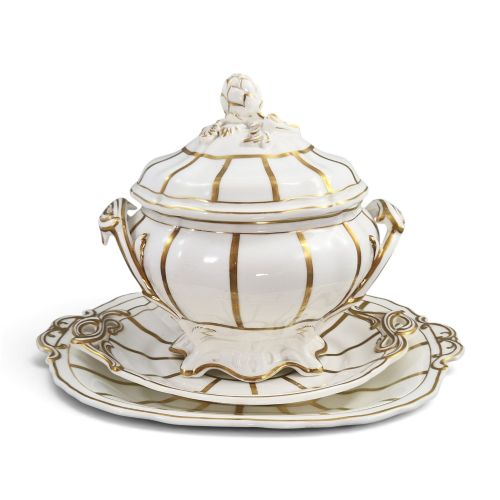
Forms extend from simple round plates to reticulated baskets, footed comports, sauce tureens and square dishes. Each piece reflects the dominant revival styles and international trade tastes of the 1800s.
How they were made
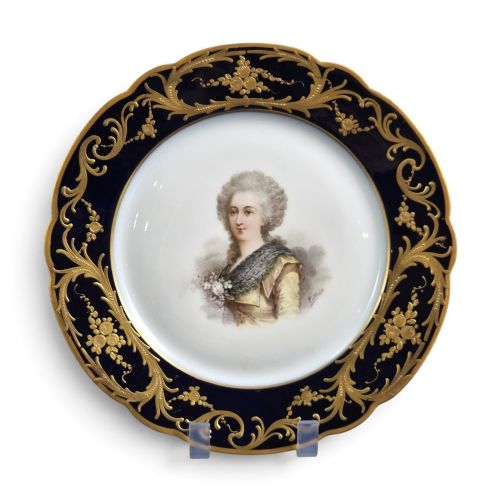
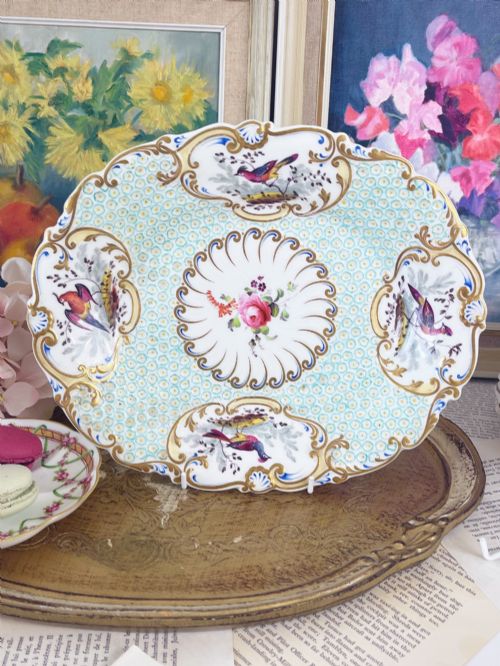
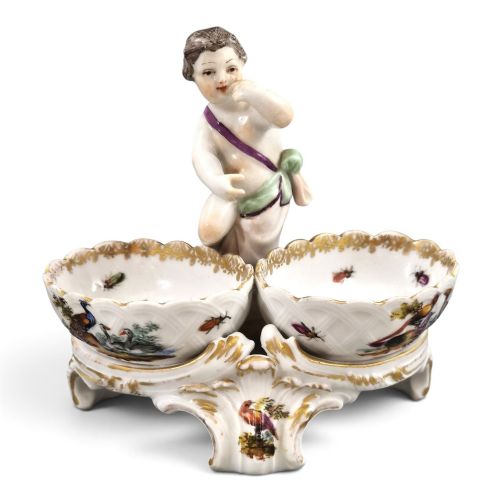
Potters shaped these objects using hard-paste porcelain, bone china or felspar porcelain, often applying a smooth glaze before decoration. Artisans then handpainted botanical scenes, birds or portraits directly onto the surface using enamel colours.
Gilding with gold leaf or liquid gold was frequently added to rims and handles, requiring a secondary firing to bond the metal to the glaze. Moulded details, reticulated pierced work and bronze mounts completed more complex serving vessels and centrepieces.
19th Century Porcelain Dishes Retail Price Guide 2026
Typical asking prices for 19th century porcelain dishes among the pieces listed under this phrase on Sellingantiques today, from the lower quarter to the upper quarter. They describe what is for sale here now, not the wider market.
Listings feature hard-paste porcelain, bone china and enamel materials spanning the 19th Century, Victorian, Georgian and Regency periods.
What varies in quality
The distinction between ordinary and exceptional examples rests upon the precision of the handpainting and the crispness of the porcelain moulding. Finely detailed bird or botanical studies executed by named artists elevate a piece above standard factory output.
The preservation of the original gilding and enamel colours also dictates the standing of a dish. Rich cobalt grounds, heavy gold leaf application and undamaged reticulated basketwork signal superior production standards from major kilns.
Spode·Flight Barr and Barr·Coalport·H and R Daniel·Meissen·Royal Worcester·Davenport·KPM Berlin·Derby·Limoges·Hicks and Meigh·Minton·Chamberlains Worcester·Doe and Rogers
The 19th Century Porcelain Dishes Glossary
- Bone china
- A type of soft-paste or hybrid porcelain incorporating bone ash to achieve a whiter, more translucent body. It became a staple of English factories like Spode and Coalport.
- Tazza
- A shallow bowl or plate raised upon a stem and foot, used traditionally for serving fruit or small sweetmeats at dessert. They appear frequently in Victorian table settings.
- Imari
- A style of Japanese export porcelain characterised by a palette of underglaze blue, iron red and gilt highlights. These designs heavily influenced European ceramic manufacturers.
- Gilding
- The application of gold leaf or powdered gold to the surface of porcelain for decorative borders and highlights. It is often worn on pieces that saw heavy use.
- Reticulated
- Describes ceramic work featuring an openwork or pierced pattern formed into the clay before firing. This technique requires great skill to prevent warping in the kiln.
19th Century Porcelain Dishes: Frequently Asked Questions
Are these porcelain dishes safe for daily use?
Most of these antique vessels are best reserved for display or light service rather than everyday dining. Historic glazes and delicate handpainted enamels can wear down with frequent washing.
Handwashing in warm water without abrasive detergents helps preserve the original gilding and surface decoration over time.
How do I identify the period of a porcelain dish?
Makers' marks stamped, painted or impressed on the underside offer the most reliable guide to date and origin. Stylistic clues such as Regency shapes or Aesthetic Period motifs also help narrow down the decade.
Comparing pattern numbers and paste types against factory records confirms the likely manufacturing era.
How should I display antique porcelain dishes safely?
Wall-mounted hangers or specialist plate stands provide secure support without placing undue stress on the ceramic body. Keeping pieces away from direct sunlight prevents the handpainted enamels from fading.
Cabinets with glass doors also protect delicate reticulated rims and protruding handles from accidental knocks.