


Antique Ceramic Dessert Serving
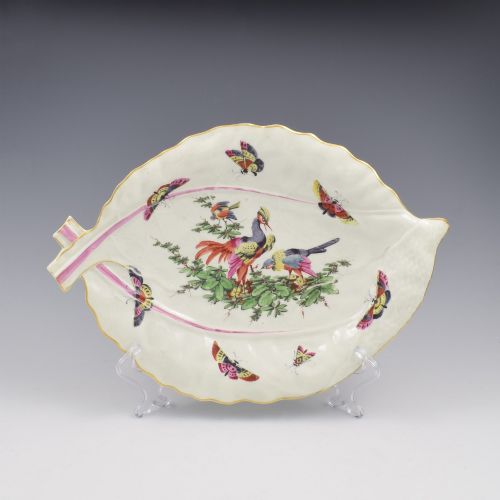
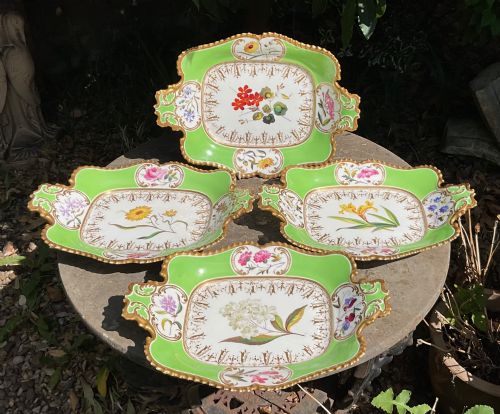
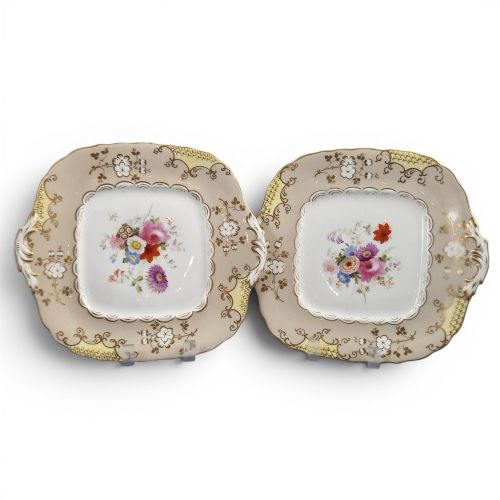
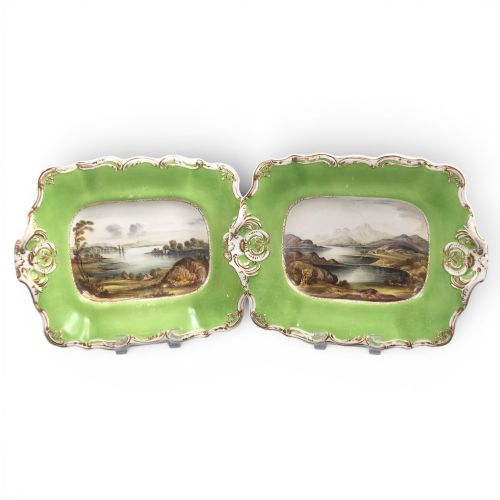
These antique ceramic dessert serving pieces are table wares designed for the final course of a meal, bringing hand-painted botanical and avian scenes to the dining room.
Antique Ceramic Dessert Serving
When you search for antique ceramic dessert serving pieces, you encounter items designed for presenting fruit and sweets at the conclusion of a formal meal. These wares appear in forms such as individual dessert dishes, larger serving dishes, and complete dessert services.
The selection ranges across the eighteenth and nineteenth centuries, taking in periods like the Georgian era, the Regency period, and the Edwardian era. You will frequently find pieces originating from notable English porcelain works.
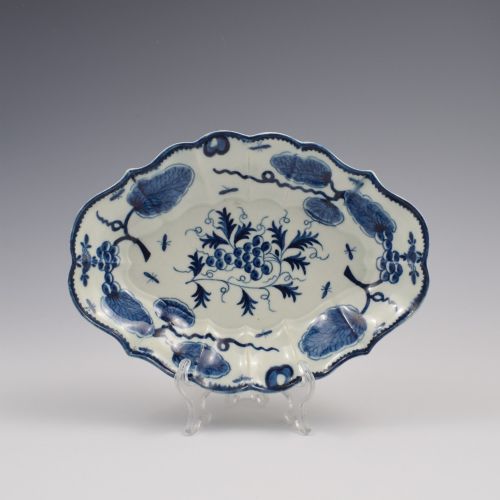
Forms include square lobed dishes, leaf-moulded shapes, and oval platters. Each piece reflects the formal dining habits of past centuries, when the final course warranted dedicated tableware.
Materials and production
Potters utilised materials such as porcelain, bone china, soft-paste porcelain, and ironstone to form these vessels. The body was shaped either by throwing on a wheel or by pressing into moulds to achieve decorative outlines.
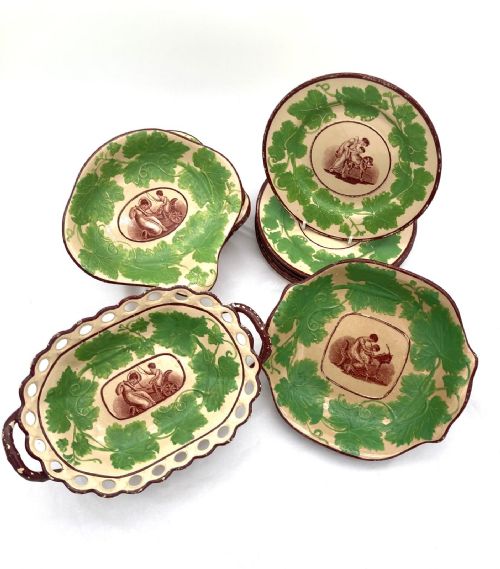
Decoration relied on hand-painted enamel colours, transfer printing, and applied gold leaf or gilding. Glaze was applied to seal the ceramic body before final firing in the kiln.
Listings span the eighteenth, nineteenth, and early twentieth centuries, incorporating Georgian, Regency, and Edwardian periods.
Distinctions in quality
Quality rests upon the execution of the hand-painting, particularly in botanical studies and bird motifs where brushwork displays precision and fine detail. The crispness of moulded relief work on leaf dishes and shaped borders also indicates superior manufacture.
The integration of rich gilding and the preservation of enamel colours over centuries distinguish finer examples from standard production wares.
Chamberlains Worcester·Coalport·Copeland and Garrett·John Ridgway·Rockingham Pottery·Royal Worcester·Masons Patent Ironstone·Barr Flight and Barr·Bloor Derby·Wedgwood
The Antique Ceramic Dessert Serving Glossary
- Soft-paste porcelain
- An early ceramic composition fired at lower temperatures than hard-paste, producing a warm texture.
- Ironstone
- A durable type of earthenware patented in the nineteenth century for heavy household use.
- Gilding
- The application of gold leaf or gold paint to ceramic edges and motifs.
- Enamel
- Vitreous coloured paints fused to the glazed surface of the ceramic during firing.
- Transfer printing
- A mechanical method of applying engraved patterns to pottery using paper transfers.
Antique Ceramic Dessert Serving: Frequently Asked Questions
How were dessert serving dishes used?
These dishes held fruit, sweetmeats, and confections served during the final course of a formal dinner party. They were passed around the table or arranged as a centrepiece.
Matching sets allowed hosts to present a unified display, while individual dishes held portions for guests.
What materials make up these items?
Potters used porcelain, bone china, soft-paste porcelain, and ironstone for these wares. Enamel colours and gold leaf provided decorative surface detail.
A transparent glaze covered the ceramic body to seal the material.
How do I identify eighteenth-century pieces?
Eighteenth-century examples often feature soft-paste porcelain bodies with hand-painted bird or fruit studies. Markings and specific forms such as lobed leaf dishes point to this earlier period.
Stylistic influences from Japanese Kakiemon patterns also help date these items.
Can I use these antiques daily?
Antique ceramic dessert serving pieces require careful handling due to their age and delicate enamel or gilt decoration. Hand washing is essential to preserve the painted surfaces.
Many collectors choose to display them on walls or in cabinets rather than using them for modern dining.