


Gilt Floral China Dishes
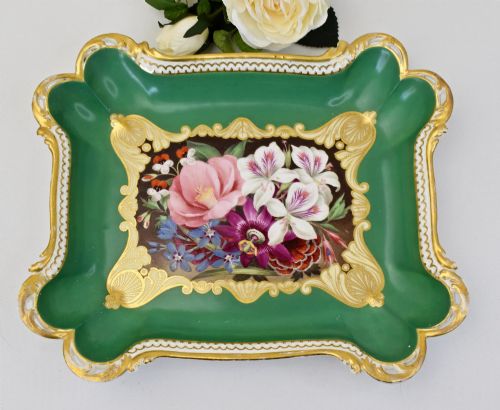
These gilt floral china dishes bring together centuries of painted blooms and bright metal leaf, catching the light on any table.
Gilt Floral China Dishes
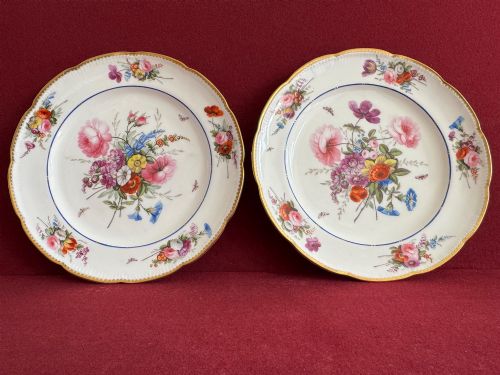
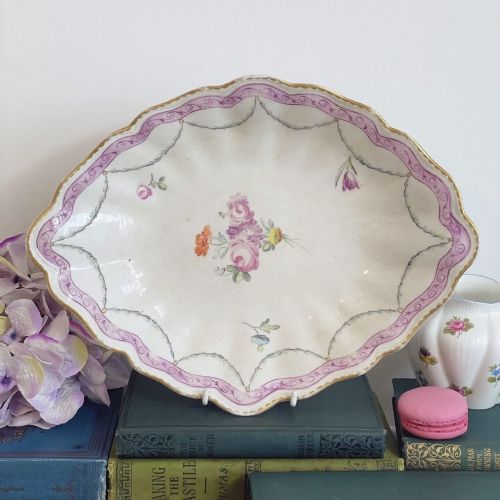
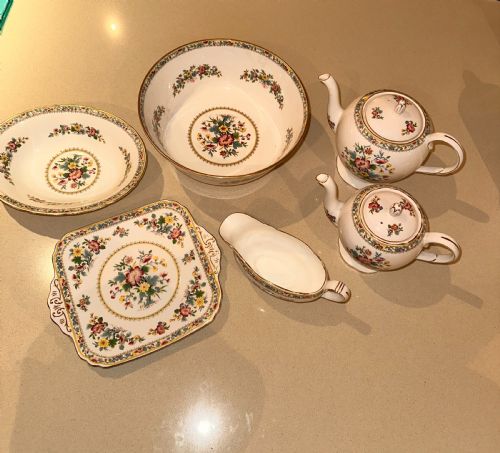
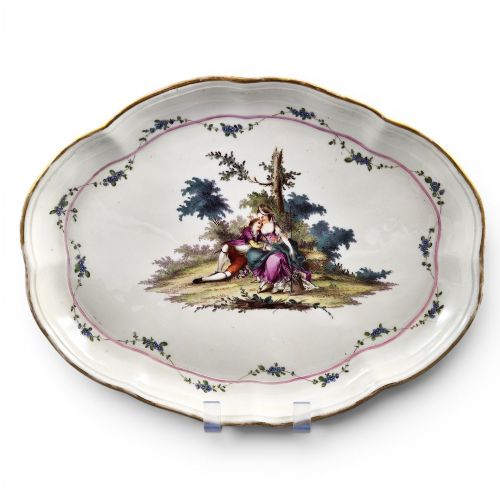
When you search for gilt floral china dishes, you enter a world of porcelain and ironstone serving pieces adorned with botanical paintings and metallic trim. The selection spans the eighteenth through to the early twentieth century, taking in English bone china, continental porcelain, and sturdy ironstone.
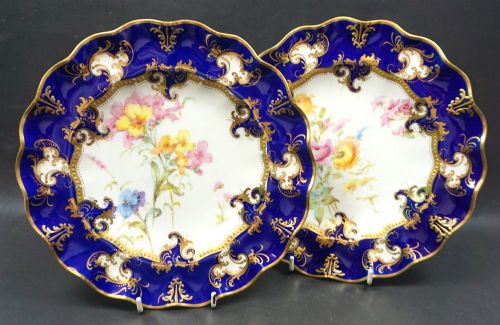
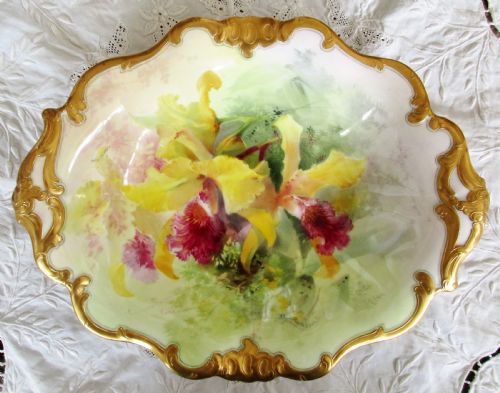
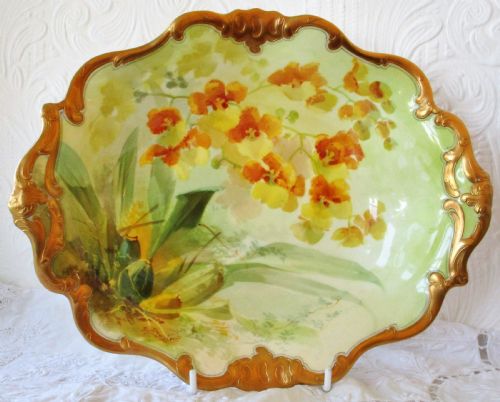
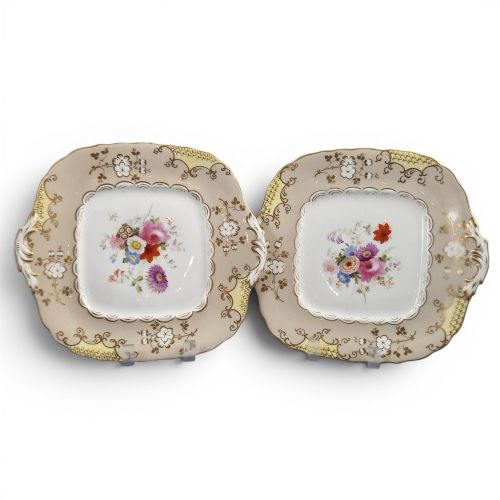
You are most likely to meet cabinet plates, serving dishes, and dessert plates from the Victorian and Edwardian eras, often bearing hand-painted roses, orchids, and Saxon bouquets. These pieces range from solitary cabinet plates to parts of grand dinner services.
Origins stretch from Staffordshire potteries and Worcester porcelain works to German and French factories like Meissen and Sèvres. Each piece reflects the decorative taste of its period, from Regency restraint to Rococo Revival exuberance.
Materials and technique
Makers shaped these items from porcelain, bone china, and ironstone, firing the clay bodies before applying intricate hand-painted floral motifs in enamel colours. Artisans then added gold leaf, gilt, or liquid gilding to rims, handles, and borders.
Kiln firing fixed the enamel pigments and the precious metal leaf to the glazed ceramic surface, producing a durable finish. Many workshops employed specialist botanical artists to paint individual flower studies by hand.
Continental and English factories are represented, including Meissen, Sèvres, Royal Worcester, and Minton.
Quality variations
The standard of the hand-painting dictates the upper tier of these pieces, where artists captured botanical specimens with precision and shading. Simpler factory wares relied on transfer printing with minimal hand-applied colour touches.
The application of the gilding also marks the difference between standard and superior output, with tooled and burnished gold leaf outlasting simple painted-on gilt. The fineness of the porcelain body and the reputation of the pottery shape the overall standing of each dish.
Royal Crown Derby·Royal Doulton·John Davenport·Coalport·Worcester·Meissen·Minton·Royal Worcester·Wedgwood
The Gilt Floral China Dishes Glossary
- Cabinet plate
- A decorative plate intended for display in a cabinet rather than for daily dining use.
- Ironstone
- A dense, durable type of ceramic developed in the nineteenth century as a robust alternative to porcelain.
- Gilding
- The application of gold leaf or gold powder to the surface of ceramic wares for decorative effect.
- Polychrome
- Decoration employing a variety of different colours, seen particularly in hand-painted floral bouquets.
- Imari
- A decorative style featuring distinctive blue, iron-red, and gilt patterns inspired by Japanese export wares.
Gilt Floral China Dishes: Frequently Asked Questions
How were these dishes used originally?
Many of these pieces served desserts, fruits, or sweetmeats during formal nineteenth-century dining routines. Fine cabinet plates and trays were often kept on display in reception rooms rather than used for food.
Larger services catered for multi-course meals, while smaller dishes functioned as serving items for side tables and cabinets.
Can I use them for everyday dining?
Most antique porcelain and ironstone dishes require gentle handling due to their age and delicate hand-painted gilt surfaces. Hand washing in warm water preserves the enamel colours and prevents the gold leaf from wearing away.
Items with extensive gilding should stay out of dishwashers and microwaves to protect the metallic finish.
How do I tell different periods apart?
Stylistic clues and pottery marks help date each item, from eighteenth-century painted scenes to Victorian Rococo Revival moulding. Early pieces often feature hand-painted factory ciphers or workman numbers beneath the glaze.
Later Victorian and Edwardian items frequently show impressed registry marks or printed company names that pinpoint the decade of manufacture.
What does Imari pattern mean on ironstone?
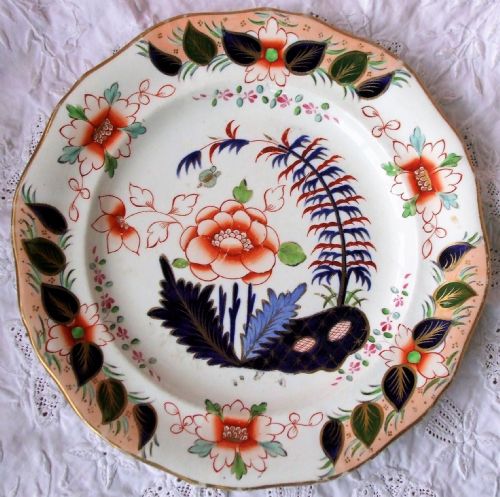
The Imari style draws on Japanese export porcelain traditions, using a palette of cobalt blue, iron red, and abundant gilt. English potteries adopted this aesthetic during the Georgian and nineteenth-century periods.
These pieces combine sturdy ironstone bodies with rich oriental-inspired floral and geometric layouts.