


Chinese Export Style Porcelain
Chinese export style porcelain comprises decorative ceramics made in Asia for Western markets alongside European interpretations spanning multiple centuries.
Chinese Export Style Porcelain
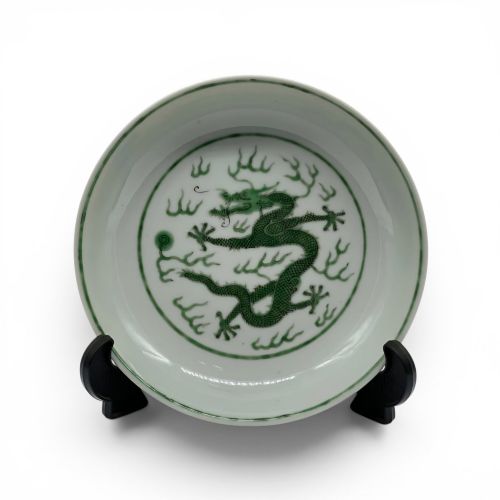
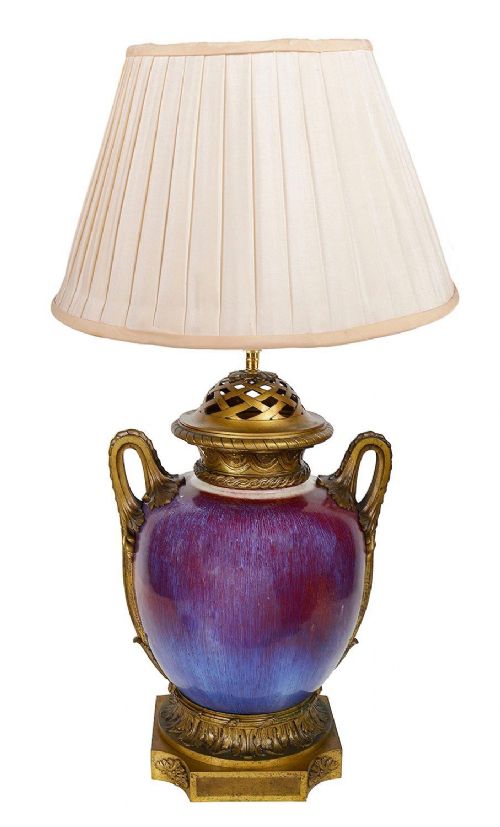
When searching for chinese export style porcelain, collectors encounter various domestic and decorative forms including vases, plates, punch bowls, garden seats and table lamps.
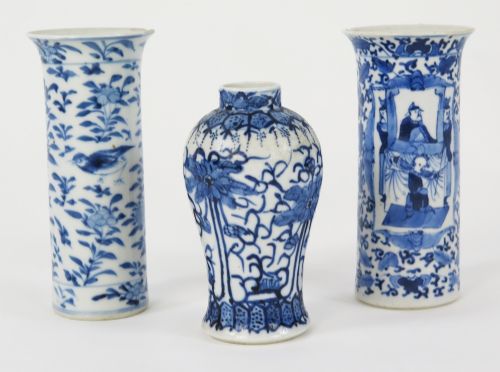
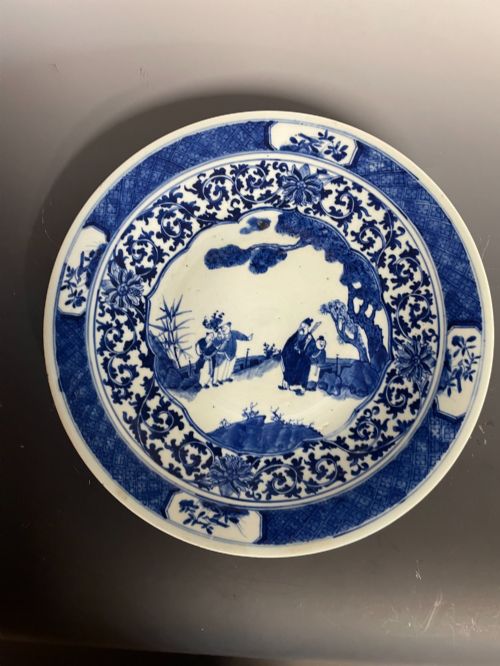
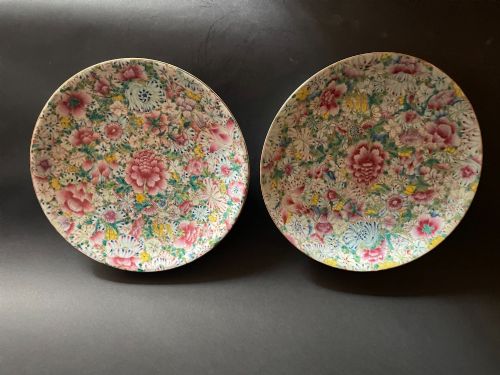
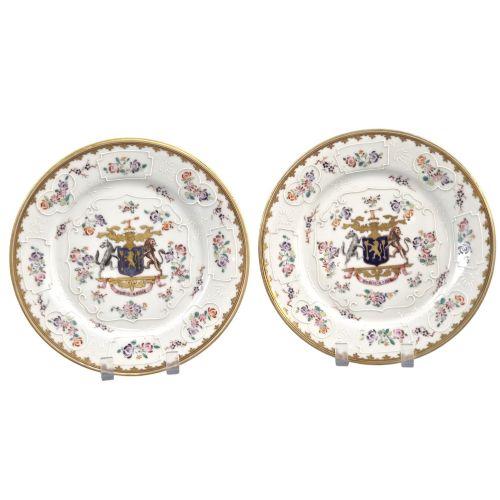
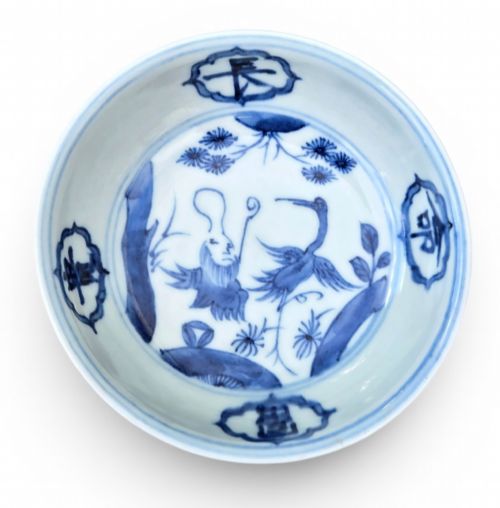
The selection ranges from traditional blue and white vessels carrying Kangxi marks to vibrant famille rose bowls, armorial dishes and European studio interpretations.
Dated examples stretch from the eighteenth century through the nineteenth century, reflecting enduring Western fascination with Eastern decorative motifs.
Materials and Technique
Makers shaped refined ceramic clay into delicate vessels before applying cobalt underglaze, polychrome enamel pigments and occasional gold leaf accents.
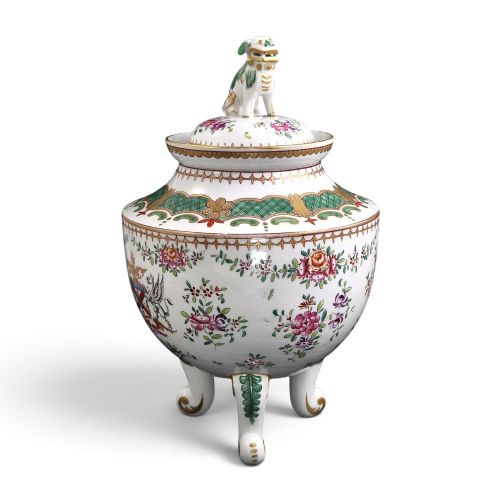
Kiln firing set the vitreous glaze, while later European adaptations sometimes incorporated brass mounts, ormolu or wooden stands.
Many items required meticulous hand painting to render intricate botanical patterns, figurative scenes and heraldic crests.
Materials recorded across these listings include cobalt underglaze, enamel, gold leaf, brass and padouk wood.
Craftsmanship and Execution
The distinction between ordinary production and superior work lies in the precision of the brushwork and the clarity of the enamel colours.
Compositional balance across complex motifs such as the hundred antiques or armorial crests separates accomplished studio output from simpler commercial wares.
Edmé Samson et Cie·C.J. Mason
The Chinese Export Style Porcelain Glossary
- Famille Rose
- A polychrome ceramic palette dominated by opaque pink enamel introduced during the Qing dynasty. Artisans utilised this soft pink alongside turquoise and yellow to render elaborate floral and figural compositions.
- Armorial
- Ceramic tableware decorated with European family coats of arms. Wealthy foreign traders commissioned these bespoke services directly from overseas kilns.
- Clobbered
- Decorated porcelain that received secondary overglazing and firing in European workshops, usually to add heavier colours or gilding to older blue and white imports.
- Celadon
- A transparent pale green glaze applied over a white clay body, creating subtle crackle effects that mimic jade.
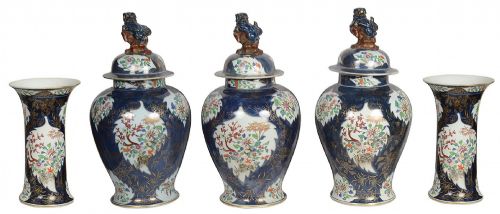
- Garniture
- A matching set of three or more vases and jars displayed symmetrically on mantelpieces or cabinets during the eighteenth and nineteenth centuries.
Chinese Export Style Porcelain: Frequently Asked Questions
How do I identify Chinese export style porcelain?
Look closely at the decorative motifs, glaze consistency and potting style to determine regional origins. Many pieces combine traditional Eastern iconography with Western shapes and heraldry.
Examine the foot rims and base markings for studio signatures, period indicators or signs of European adaptation such as ormolu mounts.
What is the difference between export ware and European revival pieces?
Export ceramics were produced in Asia specifically for Western trade, reflecting eastern manufacturing techniques and native clay composition. European revival pieces were created by domestic potteries imitating those aesthetic traditions.
Nineteenth-century French houses frequently produced faithful reproductions using local paste while replicating historic armorial designs.
How were these decorative ceramics used originally?
Wealthy households displayed large punch bowls, garnitures and armorial plates during formal dining occasions to signal global trade connections and social status. Smaller dishes and vases served purely aesthetic functions in drawing rooms.
Many surviving vessels have subsequently been adapted with electrical fittings to serve as table lamps while retaining their original ceramic bodies.
How should I care for antique porcelain?
Keep delicate ceramics away from direct sunlight and fluctuating temperatures to protect fragile enamels and gold leaf detailing. Dust gently with a soft, dry brush.
Avoid using chemical cleaning agents or submerging pieces with metallic mounts or wooden bases in water.