



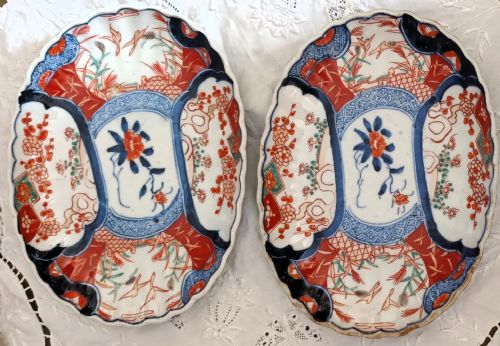
Pair of Ceramic Plates
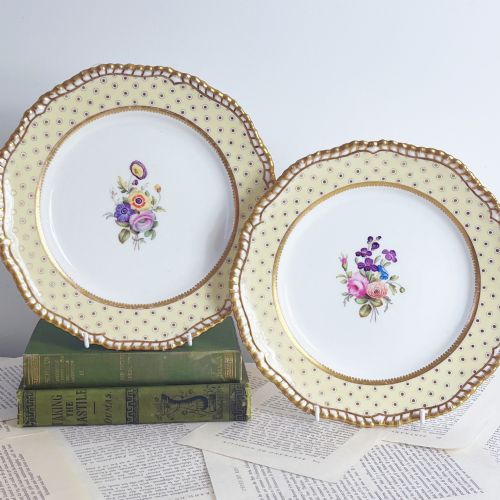
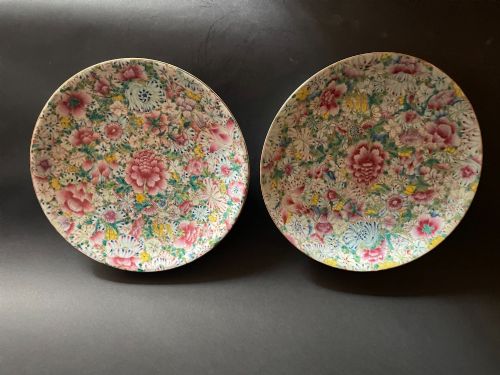
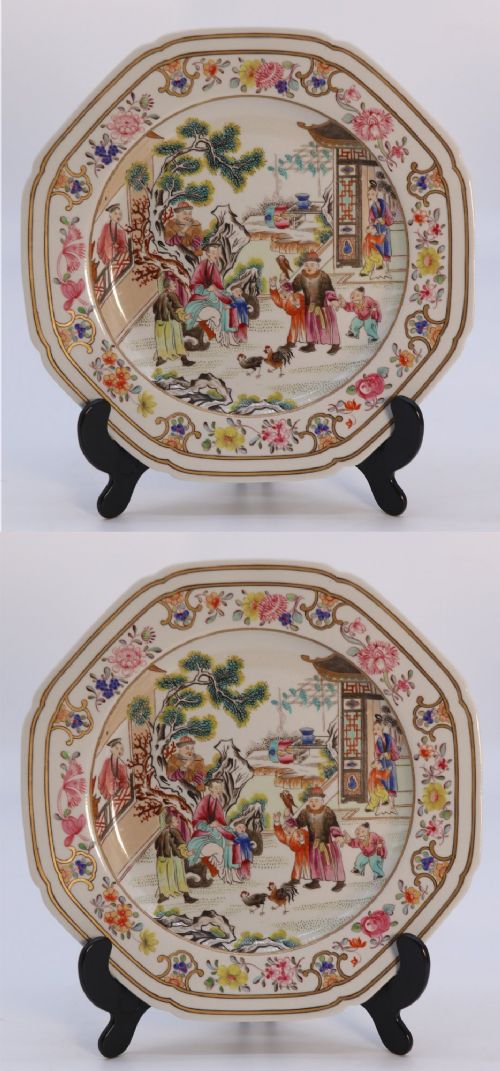
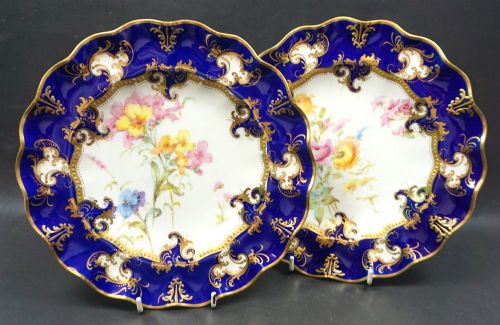
A pair of antique ceramic plates brings symmetry and history to a room, offering matching design work from periods spanning three centuries.
Pair of Ceramic Plates
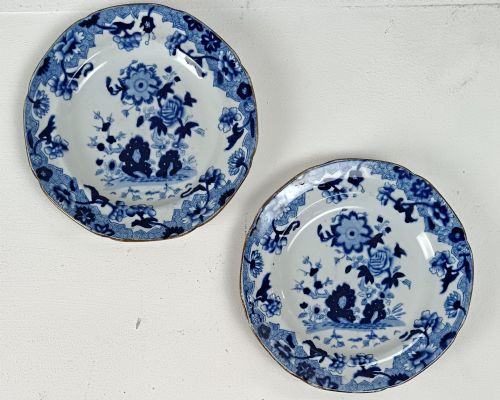
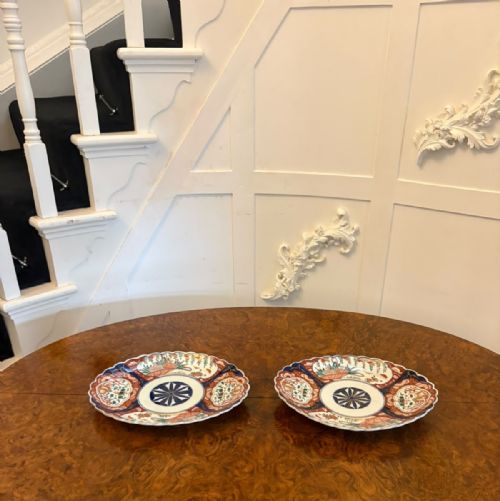
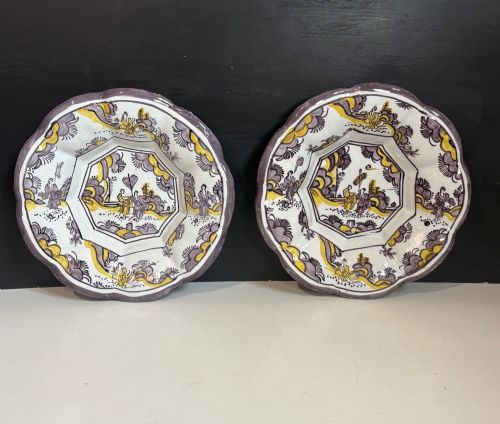
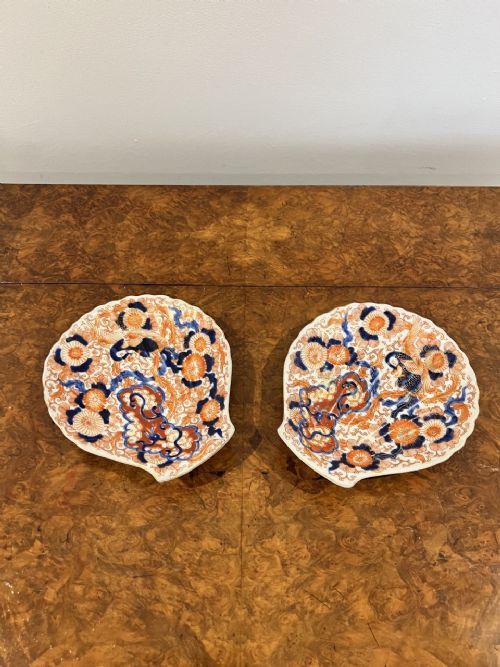
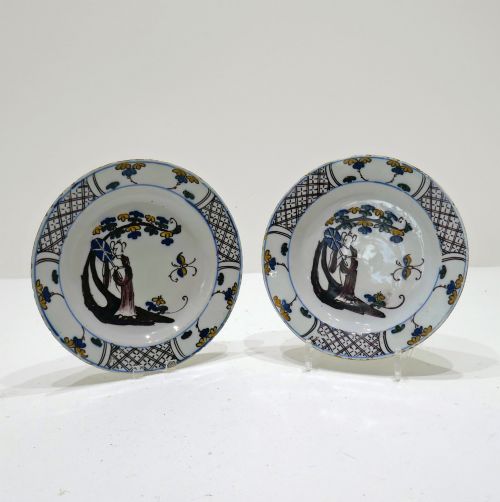
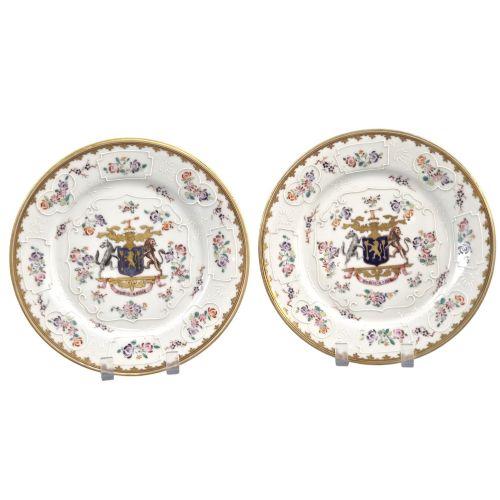
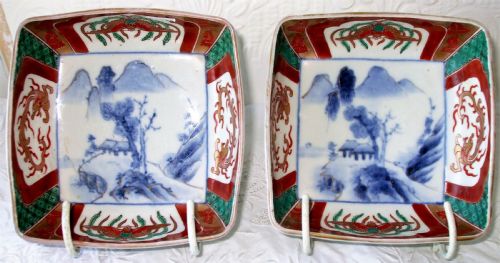
A search for a pair of antique ceramic plates reveals matching sets designed for display, dessert, tea, or formal dining. These items emerge from various periods including the Georgian and Victorian eras, alongside 18th-century workshops and the Japanese Meiji period.
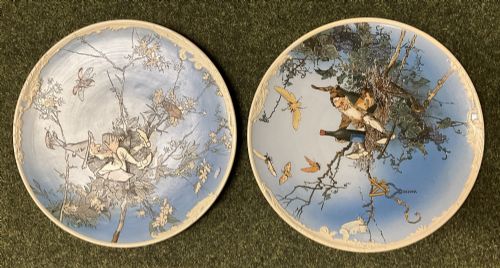
The selections span different physical forms, taking shape as cabinet plates, chargers, dessert plates, tea plates, and wall plaques. Buyers encounter English porcelain and earthenware alongside Japanese Arita Imari wares and Chinese dishes.
Makers represented in the evidence include English factories like Spode, Royal Crown Derby, and Minton, alongside continental makers such as Edmé Samson and Cie and Mettlach. Japanese and Chinese ceramic traditions form a substantial portion of the available pairs.
How they were made
Potters shaped these items using porcelain, earthenware, and stone china, applying tin glaze or standard ceramic glaze across the surfaces. Many examples incorporate hand-painted pigments, underglaze blue, and polychrome details.
Gilding and gold leaf accent select English and Asian pieces, while specific 18th-century examples utilise tin glazing characteristic of Delft and faience production techniques.
Materials recorded across these items include porcelain, earthenware, tin glaze, and gold leaf applied to plates, dishes, and chargers.
What varies in quality
Quality separates through the precision of the hand-painted brushwork and the clarity of the underlying glaze. Pieces from established makers demonstrate superior control over firing temperatures and pigment application.
The depth of the decorative scheme, the crispness of moulded edges such as basketweave patterns or scalloped rims, and the preservation of gilding distinguish standard production items from finer cabinet plates and large chargers.
Spode·Royal Crown Derby·Mettlach·Barr Flight And Barr·Minton·Copeland And Garrett
The Pair of Ceramic Plates Glossary
- Imari
- A style of Japanese porcelain featuring a palette of underglaze blue, iron red, and gold, named after the port of export. These wares gained widespread popularity in European collections during the 18th and 19th centuries.
- Tin Glaze
- A ceramic glaze made opaque by the addition of tin oxide, providing a white surface for painted decoration. This technique defines European delftware and faience production.
- Cabinet Plate
- A decorative plate intended for display in a cabinet or on a wall rather than for practical dining use. These items typically exhibit finer painted scenes or heavier gilding.
- Charger
- A large decorative plate used historically as a base setting or displayed upright on a sideboard. They provide an expansive surface for complex pictorial scenes.
- Stone China
- A durable ceramic body developed by English potteries in the early 19th century to compete with imported Asian porcelain. It combined clay and ground stone for increased strength.
Pair of Ceramic Plates: Frequently Asked Questions
How were antique ceramic plates used?
Plates served functional roles at the dining table for tea, dessert, or large meat courses, depending on their size and shape. Many decorative chargers and cabinet plates were made specifically for visual display in dining rooms.
Over time, matched pairs became prized for symmetrical arrangement on sideboards, walls, or inside display cabinets, preserving their decorative schemes.
How do I tell an 18th-century plate from a Victorian one?
Eighteenth-century examples often display tin glazes, delftware characteristics, or hand-painted polychrome scenes influenced by early porcelain traditions. Victorian and later 19th-century pieces frequently show industrial refinements, standardised registry marks, or dense transfer-printed and gilded patterns.
Examining the foot ring, the weight of the ceramic body, and the style of the painted motifs helps distinguish the earlier production periods from later Victorian outputs.
What is Japanese Imari ware?
Japanese Imari ware refers to porcelain produced in the Arita area and exported through the port of Imari. These pieces typically feature a distinct palette combining underglaze cobalt blue with iron red and gold leaf.
Meiji period examples demonstrate the continuation of these traditional decorative techniques into the late 19th and early 20th centuries.
How do I care for antique plates?
Antique ceramic plates require gentle handling and should be washed by hand in lukewarm water using mild soap when cleaning is necessary. Dishwashers and abrasive sponges will damage fragile overglaze enamels and delicate gold leaf.
For wall-mounted plates, utilise padded wire hangers specifically designed for ceramics to prevent edge chipping and secure the weight properly.