



Edme Samson Ceramics
Edme samson ceramics are accomplished European reproductions of historical hard-paste porcelain, offering the charm of eighteenth-century factories for the nineteenth-century collector.
Edme Samson Ceramics
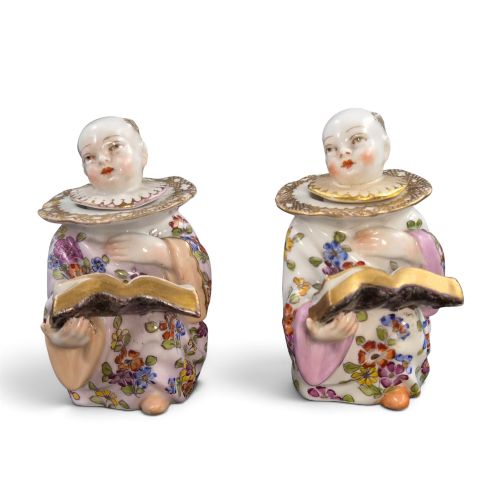
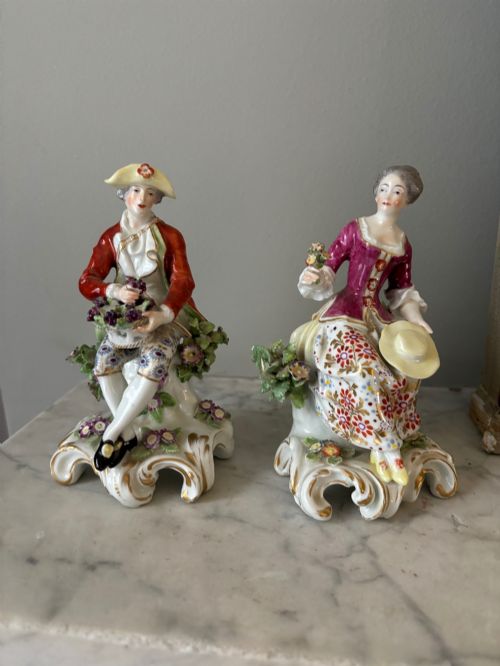
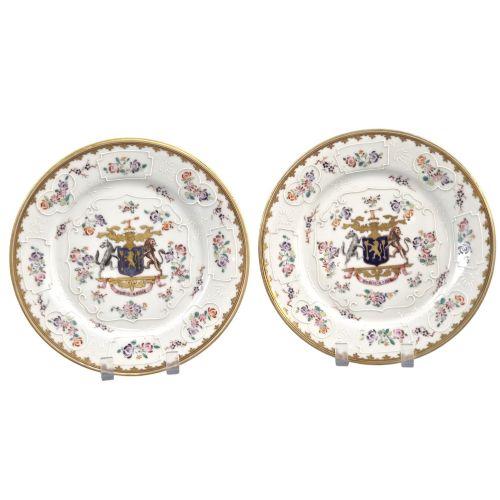
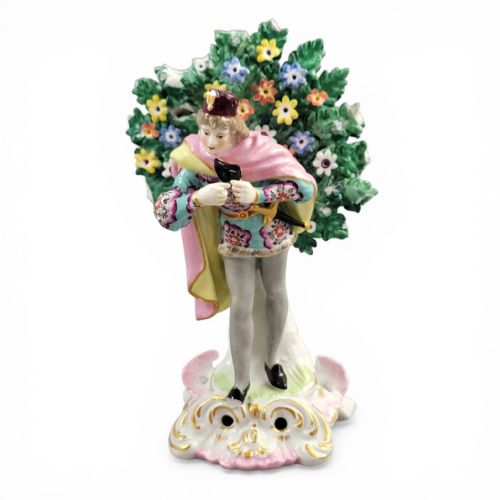
When you search for edme samson ceramics, you encounter nineteenth-century decorative works produced in Paris by the Samson firm. The selection here spans figures, vases, inkwells, plates, and bowls created across the nineteenth century.
Most pieces date from the Victorian era and the decades around eighteen-eighty. You meet figural groups, armorial plates, and decorative trays reflecting earlier European and Asian styles.
The objects frequently emulate historic porcelain from Chelsea, Derby, and Chinese export wares. They serve as collectible decorative items rather than utilitarian tablewares.
How they were made
Makers utilised fine porcelain shaped into figures, vessels, and trays. Artisans applied polychrome enamel pigments by hand to replicate earlier factory palettes.
Gilding, gold leaf, and gilt bronze accents enhance many surfaces. Some works incorporate gilt metal mounts or detailed hand-painted scenes in the manner of eighteenth-century porcelain.
Samson porcelain includes cheerful figures of singing boys and putti with goats, bringing eighteenth-century pastoral whimsy directly into the Victorian parlour.
What varies in quality
The crispness of the porcelain modelling and the application of gilding influence the overall character. Pieces that capture the spirit of their historic prototypes with steady execution command greater attention.
Edmé Samson & Cie
The Edme Samson Ceramics Glossary
- Hard-paste porcelain
- A durable ceramic material composed of kaolin and petuntse fired at high temperatures. It forms the solid body characteristic of these nineteenth-century Parisian works.
- Polychrome enamel
- Glass-based colours fused to the glazed porcelain surface through secondary firings. These paints provide the vibrant hues seen on figures and armorial plates.
- Gilding
- The application of gold leaf or powdered gold onto the ceramic or metal mount. This technique highlights rims, handles, and decorative borders.
- Campana vase
- An open-bell-shaped vessel derived from classical antiquity. Samson utilised this classical form for decorative armorial pieces.
- Bonbonniere
- A small decorative box designed to hold sweets or trinkets. These lidded vessels often take figurative or whimsical shapes.
Edme Samson Ceramics: Frequently Asked Questions
What are edme samson ceramics?
Edme samson ceramics are nineteenth-century French porcelain works created by the Parisian firm of Samson. They emulate historic styles from factories such as Chelsea, Derby, and Meissen.
The workshop specialised in historicist pieces, producing decorative figures, armorial plates, and vases that reinterpreted earlier ceramic traditions.
How can I date these pieces?
Dating relies on stylistic clues, historical factory marks, and the materials employed in production. Most items date from the Victorian period between eighteen-fifty and nineteen-hundred.
Changes in porcelain body composition and enamel brightness help distinguish mid-century works from later nineteenth-century output.
Are these pieces reproductions?
Yes, the Samson firm deliberately reproduced historic ceramic forms and decorative styles. They replicated eighteenth-century European porcelain and Chinese export wares for collectors.
While historicist in intent, these ceramics are now appreciated as quality nineteenth-century works of art in their own right.
How should I display them?
These decorative objects suit display cabinets, mantelpieces, or dedicated shelving where their hand-painted details remain visible. Protection from direct sunlight preserves the polychrome enamels and gilding.
Figurines, inkwells, and small trays pair well with traditional interiors and nineteenth-century collections.
What styles do they imitate?
The firm drew inspiration from Rococo revival, Neoclassical revival, Chinoiserie, and Japonisme aesthetics. Figures often follow eighteenth-century English models from Chelsea and Derby.
Vases and plates frequently incorporate French Rococo motifs, armorial designs, and hand-painted Watteau scenes.