


19th Century Meissen Porcelain
These 19th century meissen porcelain pieces bring the refined artistry of German ceramic history straight to your room.
What 19th century meissen porcelain is
When you search for 19th century meissen porcelain, you encounter a distinct array of decorative items spanning plates, bowls, figures, and garnitures. These objects reflect the enduring output of the famous German ceramic tradition across the nineteenth century.
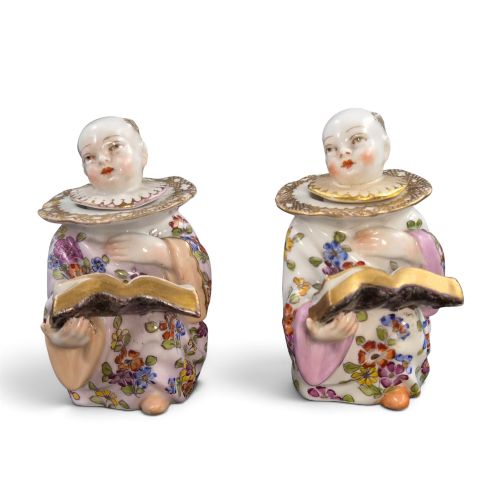
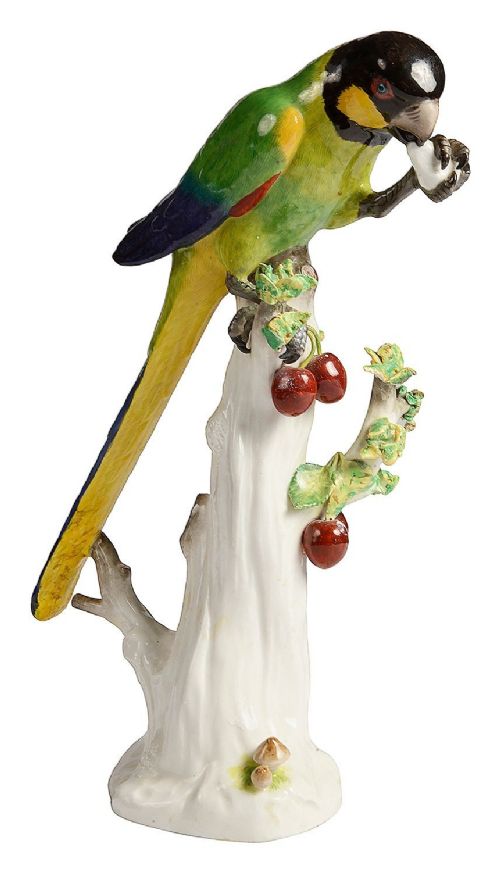
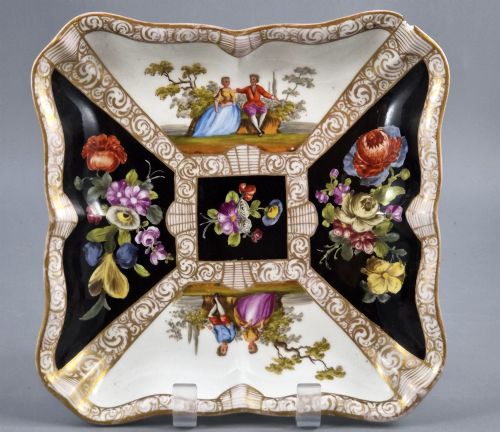
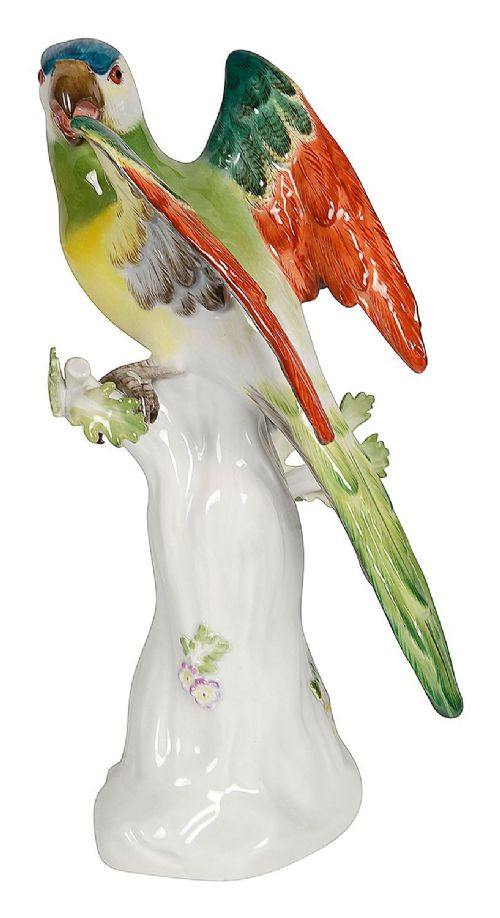
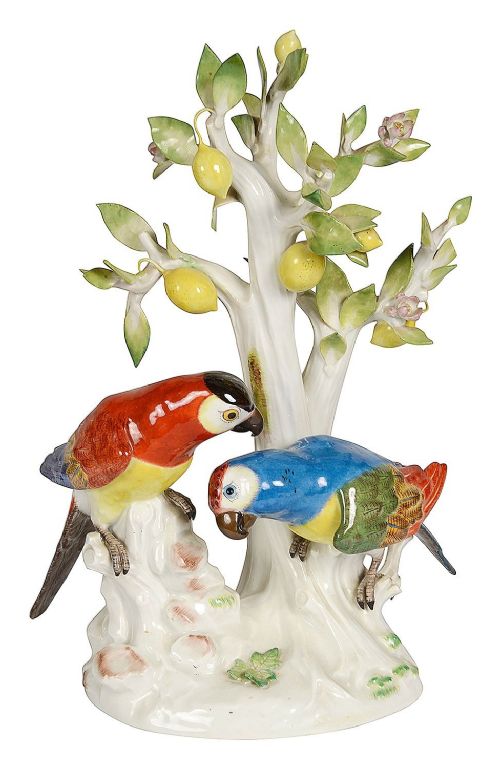
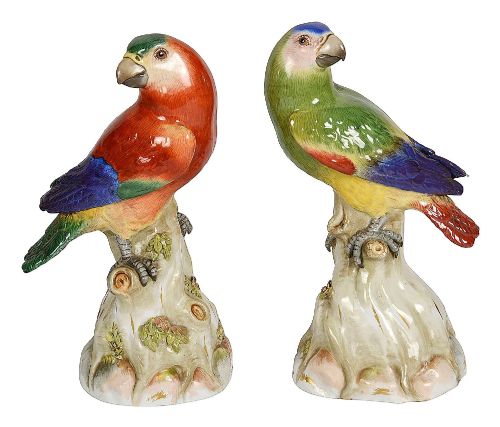
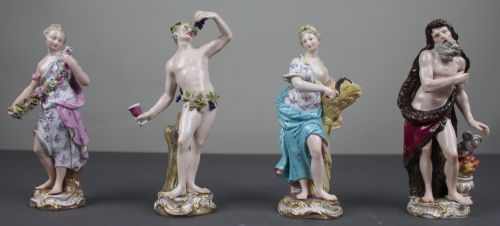
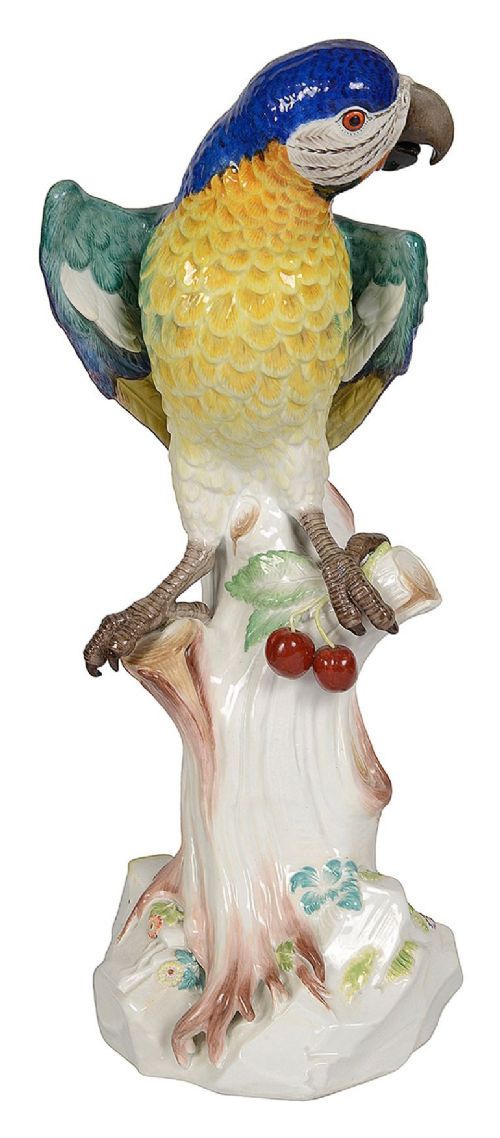
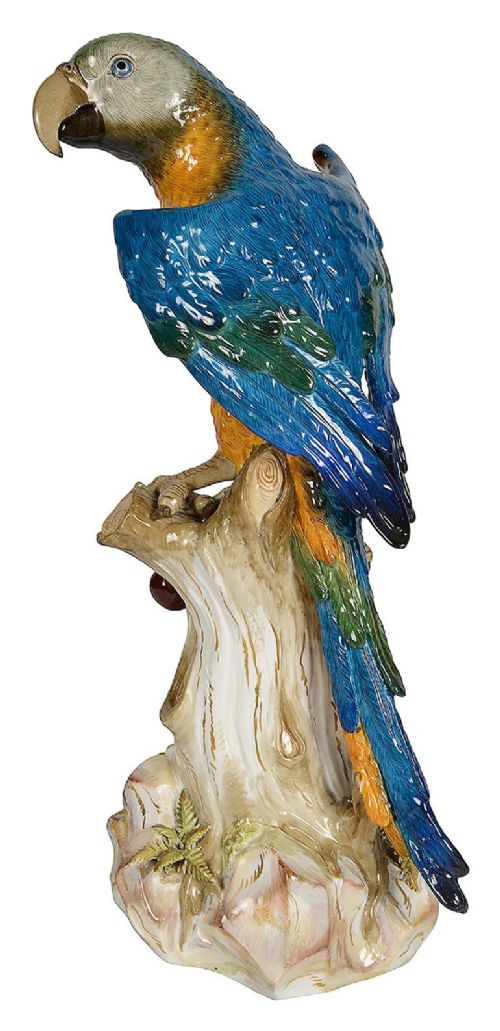
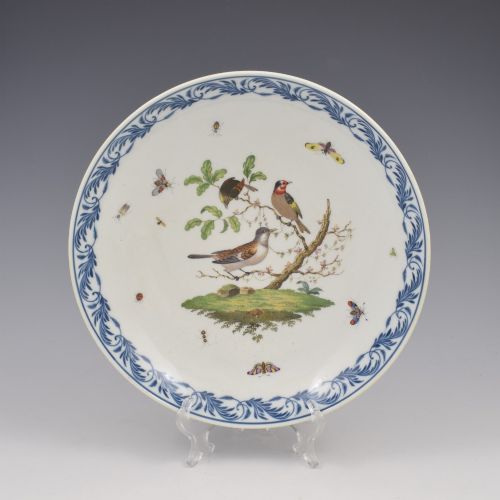
The most common forms you meet on this page include hand-painted plates, cabinet items, decorative bowls, and figural groups such as birds and human figures. Many pieces incorporate elaborate historicising motifs like birds of paradise, exotic birds, and romantic scenes.
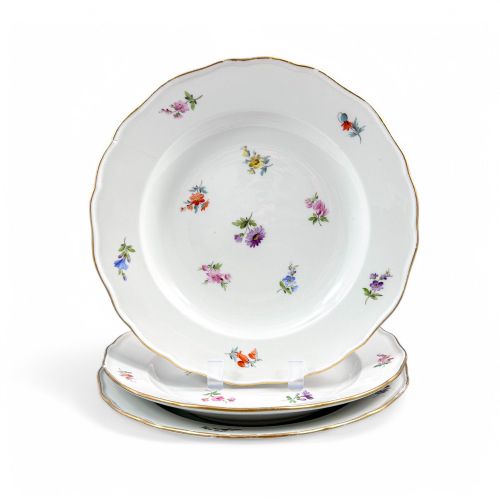
Makers and decorators utilised specific decorative schemes derived from earlier periods, notably Rococo Revival designs featuring gilt details and scalloped rims. The variety ranges from functional small teapots and cups to sculptural pairs of hoopoe birds and clock garnitures.
How they were made
Production relied heavily upon hard-paste porcelain, a durable ceramic material fired at high temperatures to achieve a dense, white body. Artisans then applied vibrant enamel colours and detailed hand-painting to represent birds, insects, and figures.
Gilding played a major role in finishing these items, utilising gold leaf or liquid gilding to accent rims, borders, and sculptural elements. Metal mounts occasionally appeared in combination with porcelain, particularly in garniture sets and clock components.
Retail Price Guide 2026
Typical UK retail prices for 19th century meissen porcelain, calculated from the Sellingantiques database of over a million retail prices indexed since 2003. This retail price guide relies exclusively on Sellingantiques data; no external sources or auction records are used, so the figures do not describe the wider market.
Listings feature hard-paste porcelain across forms including reticulated plates, clock garnitures, figurines, and coffee cups.
What varies in quality
The standard of painting separates ordinary production from superior examples, visible in the precision of brushwork on bird feathers and gallant scenes. Delicate hand-painted details on plates and figures indicate the skill of the individual decorator.
The application and preservation of the gilding also define the grade of a piece, with crisp, intact gold leaf retaining its lustre better than worn surfaces. Sculptural definition in figures and reticulated plate borders demonstrates the technical competence behind the moulding process.
The 19th Century Meissen Porcelain Glossary
- Hard-paste porcelain
- A type of ceramic composed of kaolin and petuntse, fired at high heat to produce a vitreous, translucent body. This substance forms the physical foundation for nearly all the items found in this category.
- Gilt
- A thin layer of gold applied to the surface of the porcelain or metal mounts. It provides decorative contrast to the white ceramic body and painted enamel scenes.
- Rococo Revival
- A nineteenth-century design style that imitates the asymmetrical curves, C-scrolls, and ornamental motifs of the eighteenth century. You see this aesthetic reflected in scalloped rims and figurative pairings.
- Cabinet plate
- A decorative ceramic plate intended for display on a wall or in a cabinet rather than for everyday dining. These items frequently display detailed hand-painted scenes or reticulated borders.
- Garniture
- A set of matching ornamental vases, clocks, or figures designed to sit on a mantelpiece or shelf. These matched groupings create a balanced decorative display within a room.
Frequently Asked Questions
What is a meissen clock garniture?
A clock garniture is a matched set consisting of a central mantel clock accompanied by matching side ornaments such as vases or figures. These sets were designed to sit together on a fireplace mantel or sideboard to create a balanced decorative arrangement.
The pieces share coordinated ceramic bodies, hand-painted details, and gilt highlights characteristic of the factory's output. They served both a practical timekeeping function and a purely decorative role in period interiors.
How do I display cabinet plates?
Cabinet plates are typically shown mounted on walls using specialised plate hangers or displayed upright on plate stands inside glass-fronted furniture. Because they were made for visual appreciation rather than heavy use, keeping them away from high-traffic areas protects the painted surfaces.
Grouping plates with complementary motifs, such as birds or romantic scenes, creates a cohesive wall display. Ensure the mounting hardware securely supports the weight of the hard-paste porcelain without damaging the rim.
Are these porcelain pieces fragile?
Hard-paste porcelain is a durable and dense ceramic material, but the forms feature delicate extremities, thin rims, and applied elements like leaves or bird feathers. Accidental knocks can easily chip protruding details or scratch the enamel and gilding.
Handle each item with clean hands and support the base rather than delicate handles or projecting parts. Proper placement on stable surfaces prevents tipping and accidental damage.