





Antique Meissen Dish
An antique meissen dish brings hard-paste porcelain and hand-painted artistry to a table, offering historic European design.
Antique Meissen Dish
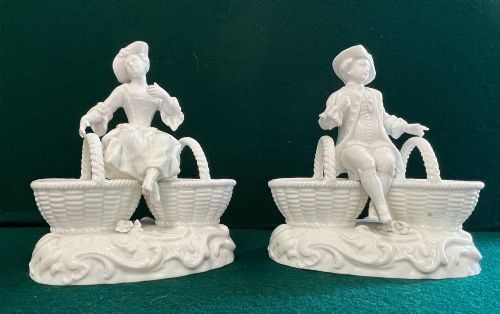
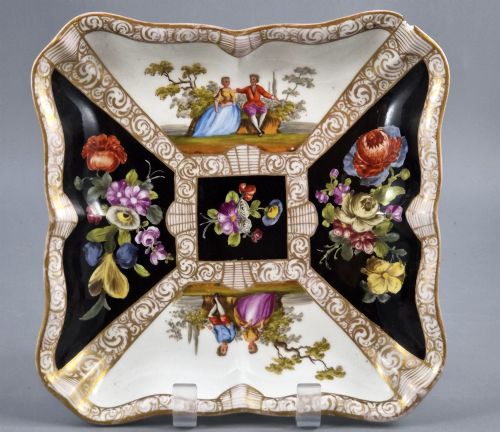
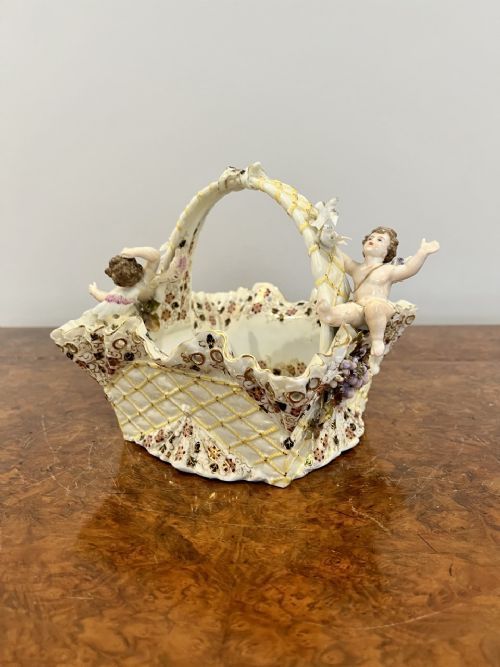
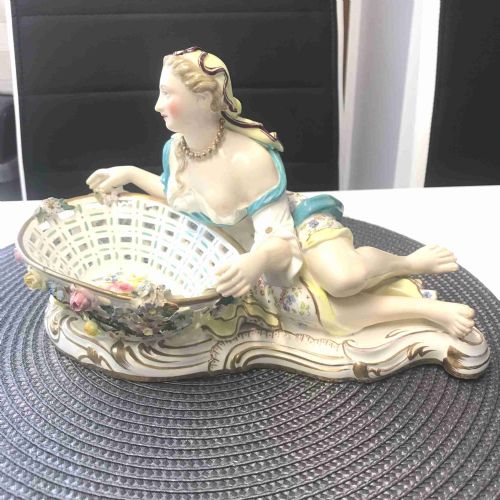
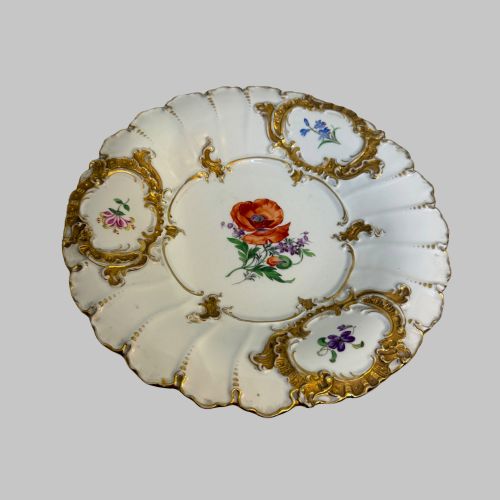
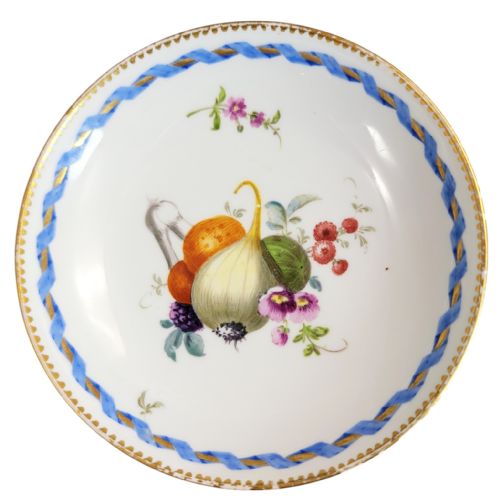
An antique meissen dish encompasses a range of hard-paste porcelain tableware and cabinet pieces spanning the eighteenth century through the early twentieth century. When searching for an antique meissen dish, buyers encounter varied forms including decorative plates, sweetmeat dishes, reticulated baskets, and large platters.
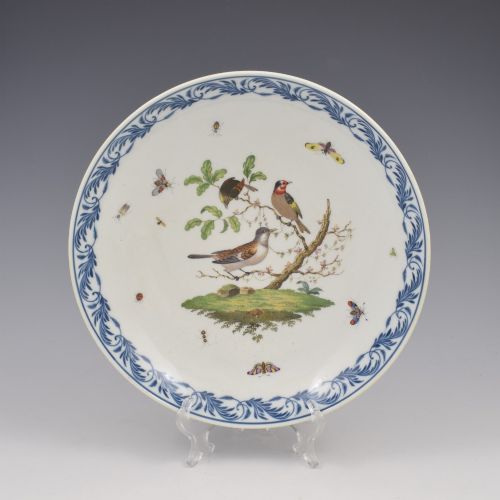
The pieces on this page draw from several historic periods, notably Georgian, eighteenth century, and nineteenth century Victorian revivals. Many items showcase distinct painting and modelling, ranging from floral arrangements and ornithological bird studies to Watteau scenes and Kakiemon patterns.
Makers and decorators utilised traditional German porcelain techniques across eras such as the Rococo Revival, Neoclassical, and Chinoiserie styles. Buyers frequently meet circular plates, square dishes, and figural supports reflecting these European design movements.
Assessing quality
The standard of painting on an antique meissen dish separates simpler production from finer works. Detailed hand-painted ornithological subjects, Watteau scenes, and complex floral compositions demonstrate superior artistic execution by the decorator.
The intricacy of the porcelain body and supplementary embellishments also define the tier of a piece. Reticulated pierced borders, applied figural elements, and well-preserved gilding or gold leaf indicate higher grade manufacturing and design ambition.
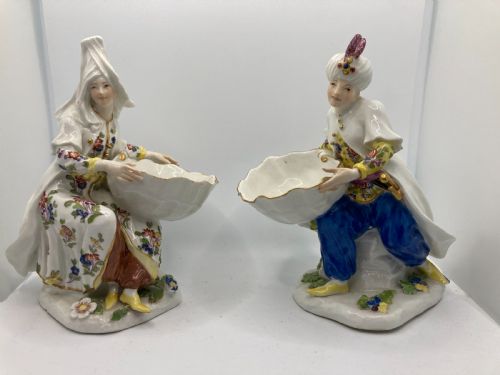
Several pieces feature exotic birds and Turkish figures holding sweetmeat bowls, proving that eighteenth-century dining tables loved a touch of theatrical global charm.
Meissen
The Antique Meissen Dish Glossary
- Hard-paste porcelain
- A type of ceramic composed of kaolin and petuntse fired at high temperatures. It forms a dense, white, vitrified body that resists scratching and absorbs no moisture.
- Overglaze enamel
- Pigments applied on top of the fired glaze and then subjected to a lower temperature kiln firing. This technique allows for a broad palette of bright colours on the finished surface.
- Reticulated
- Describes ceramic or basketwork featuring an open network pattern formed by pierced cut-outs. It requires skilled cutting of the unfired or leather-hard clay body.
- Sweetmeat dish
- A small vessel designed for serving confectionery, nuts, or preserved fruits during formal dining. These pieces often feature figurative supports or ornate handled bowls.
Antique Meissen Dish: Frequently Asked Questions
How do I identify a Meissen mark?
Meissen pieces commonly feature the crossed swords mark painted in blue under the glaze. This emblem indicates production at the Saxon factory in Germany.
Additional impressed or painted numbers and symbols frequently accompany the swords to denote specific model types, decorators, or years of manufacture.
What is hard-paste porcelain?
Hard-paste porcelain is a ceramic material made from china clay and china stone, fired at extremely high temperatures. This process vitrifies the mixture into a solid, impermeable body.
European factories like Meissen utilised this formula to create thin, crisp forms that could hold detailed painted decoration.
How were decorative dishes used?
Historic households utilised these dishes for serving sweetmeats, desserts, or fruits during formal dining courses. Platters and large centrepieces occupied central positions on the table.
Cabinet plates and reticulated baskets were also displayed on walls or furniture to demonstrate the owner's wealth and refined taste.