


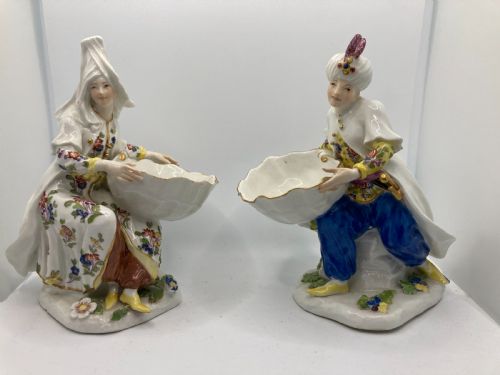


Meissen Porcelain Bowl
A meissen porcelain bowl brings eighteenth-century European elegance to a room through painted motifs and hard-paste ceramic craftsmanship.
Meissen Porcelain Bowl
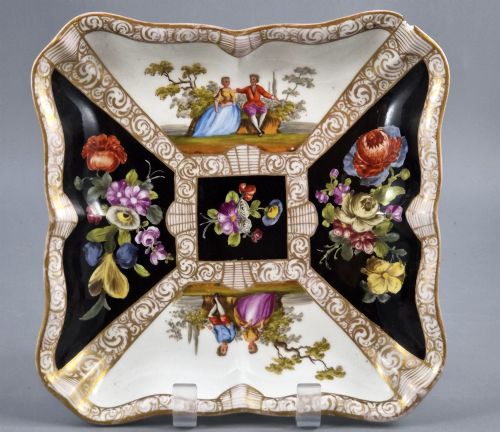
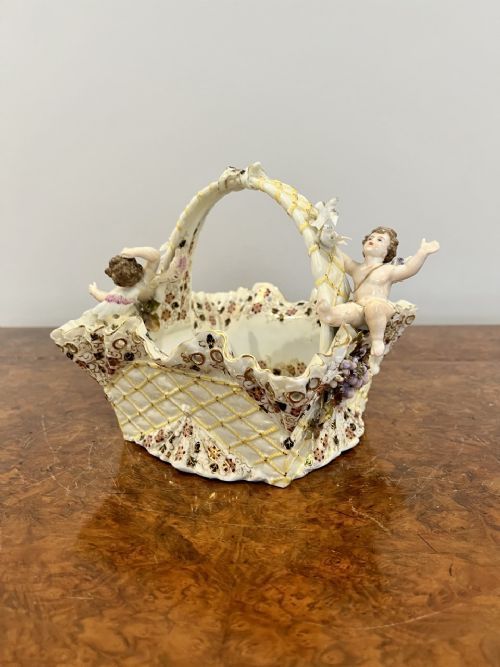
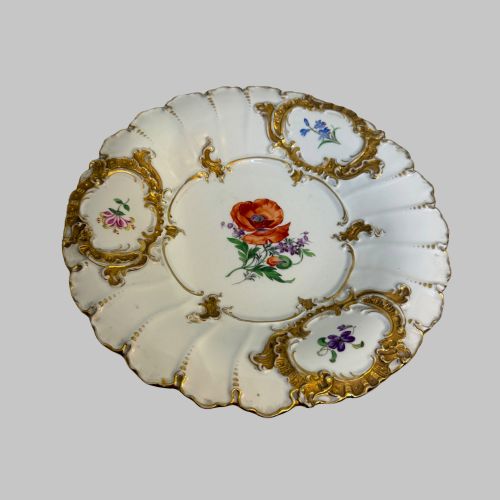
A meissen porcelain bowl encompasses various decorative forms including sweetmeat dishes, comports, and baskets originating from German kilns across multiple centuries. Buyers encounter pieces ranging from eighteenth-century items featuring Watteau or harbour scenes to nineteenth-century Rococo Revival centrepieces.
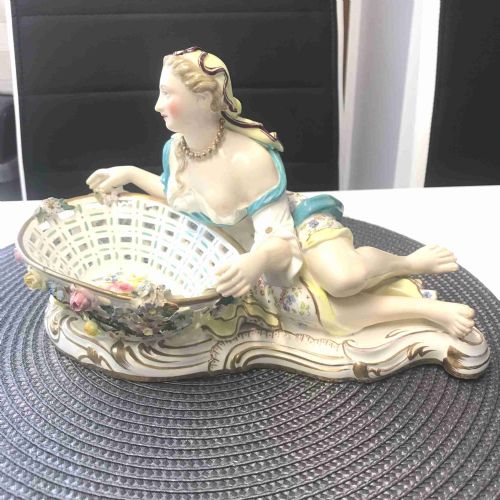
The selection includes specialised vessels such as sugar bowls with covers and figural baskets held by moulded figures. These items serve primarily as decorative table pieces rather than functional kitchenware.
Judging quality
The precision and detail of the hand-painted elements distinguish superior examples from standard production. Crispness in the moulded relief work and careful application of gold leaf further elevate a piece.
The complexity of the form, such as figural supports or pierced basketry, influences the overall accomplishment of the vessel. Preservation of the enamel colours and gilding over centuries remains a primary factor in evaluation.
Object types range from large centrepieces and comports to sweetmeat dishes, figural baskets, and covered sugar bowls.
Meissen·Stadler
The Meissen Porcelain Bowl Glossary
- Hard-paste porcelain
- A dense, vitrified ceramic material composed of kaolin and petuntse fired at high temperatures. This substance forms the durable white body characteristic of these German vessels.
- Polychrome enamel
- Coloured glass paste applied to the glazed ceramic surface and fired again to fuse permanently. These pigments create the detailed floral and figural scenes.
- Gilding
- The application of gold leaf or gold paint to highlight moulded details and rims. This metallic finish adds contrast to the painted scenes.
- Sweetmeat dish
- A small vessel designed for serving confectionery or dried fruits at formal meals. These pieces often feature elaborate handles or moulded basketwork.
- Comport
- A raised decorative dish or bowl used as a centrepiece on dining tables. They elevate fruit or sweetmeats above the table surface.
Meissen Porcelain Bowl: Frequently Asked Questions
How old is my meissen porcelain bowl?
Dating relies upon stylistic markers such as Rococo moulding, painted motifs like Watteau scenes, and recorded production periods spanning the eighteenth to early twentieth centuries.
Examination of the ceramic body and enamel colours helps separate eighteenth-century examples from later nineteenth-century revivals.
Were these bowls used for dining?
Many pieces functioned as decorative centrepieces, sweetmeat dishes, or dessert vessels during formal dining occasions. Sugar bowls and comports held specific dry provisions on the table.
Over time, their role shifted primarily to decorative display rather than daily culinary use.
How do I clean an antique bowl?
Dusting gently with a soft, dry cloth suffices for routine maintenance of painted ceramic surfaces. Harsh detergents and abrasive materials must be avoided to protect hand-painted enamels and gold leaf.
Immersion in water can damage delicate gilding and historical ceramic bodies.
What is hard-paste porcelain?
Hard-paste porcelain is a true ceramic composition fired at extreme heat to create a durable, non-porous white body. It resists scratching and provides an ideal smooth ground for enamel painting.
German manufacturers perfected this formula during the eighteenth century.