
A 2026 Guide by Sellingantiques
Regional craftsmen turned out thousands of these across Europe and rural Britain.
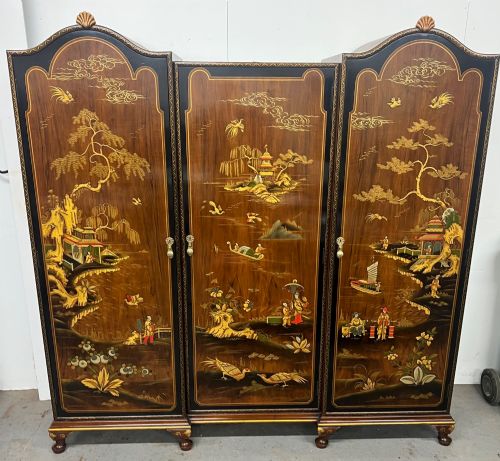
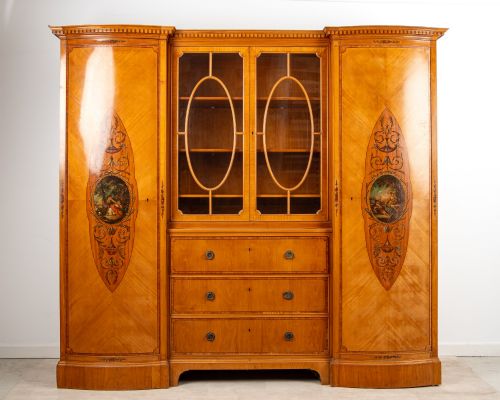
Painting disguised cheaper local timbers. You find them heavily in areas where expensive hardwoods were scarce.
Most early examples stored folded linens on shelves rather than hanging clothes on rails. Hanging rails came later, as fashions evolved.
Antique painted wardrobes often formed part of a marriage dowry. Families commissioned them to hold a new household's textiles.
Changes in domestic architecture drove demand during the nineteenth century. Built-in closets were rare, making movable storage essential for growing middle-class households needing room for large textile collections.
Identifying specific names is difficult. Anonymous rural joiners built the vast majority of antique painted wardrobes.
Peasant communities in central Europe developed distinct regional painting styles. Villages passed down specific floral motifs through generations of craftsmen, creating distinctly localised designs.
Sometimes you find guild marks or dates painted onto the cornice or backboard. These record the year rather than the maker.
The 2026 retail price guide for Antique Painted Wardrobes is drawn from a proprietary archive of over 1.1 million retail prices indexed by Sellingantiques since 2003. This guide relies exclusively on their own internal data; no external sources or auction records are used.
Analysing nearly 25 years of UK antique market history alongside current retail values, the data indicates that typical UK retail prices for Antique Painted Wardrobes range between £800 and £2,700. Entry-level prices generally fall under £800 and premium examples upwards of £2,700.
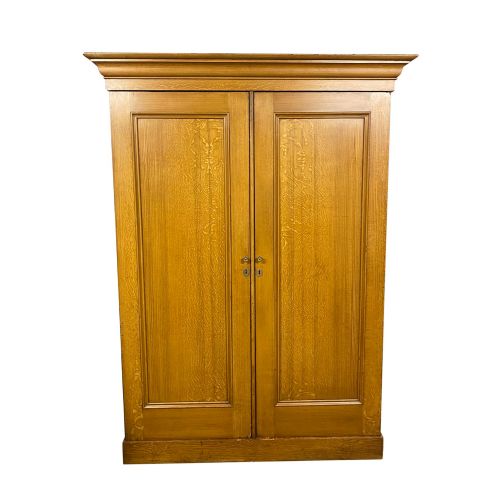
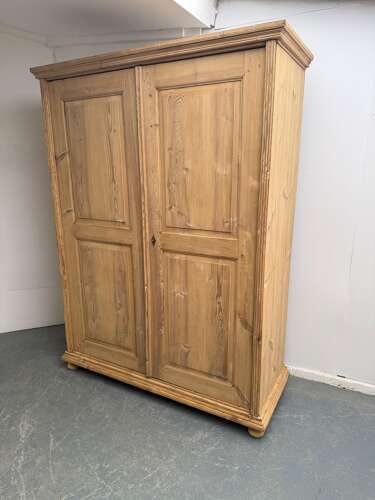
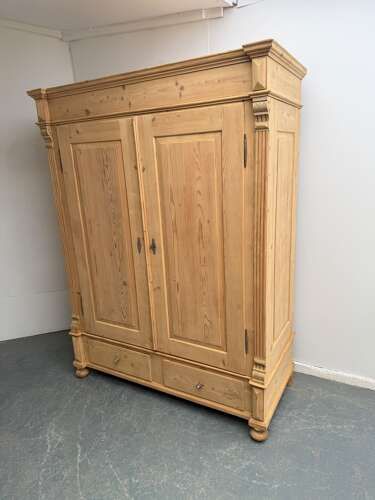
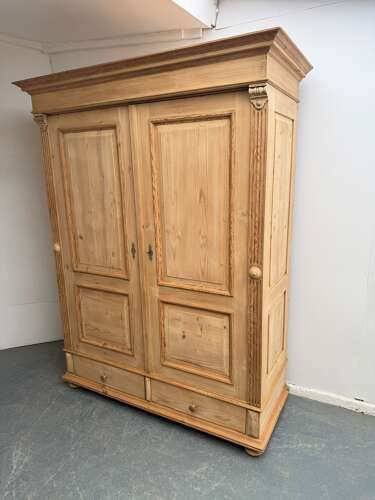
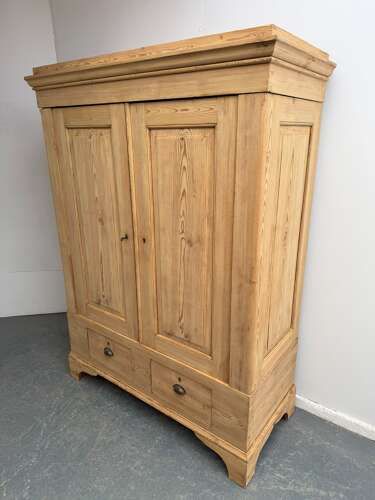
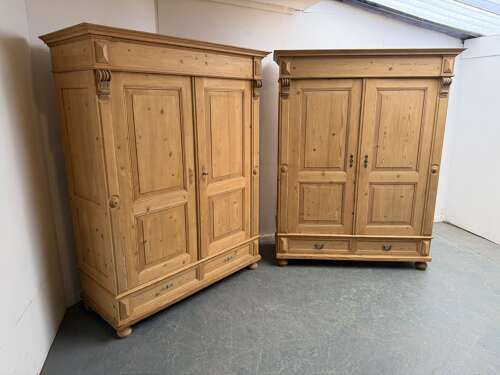
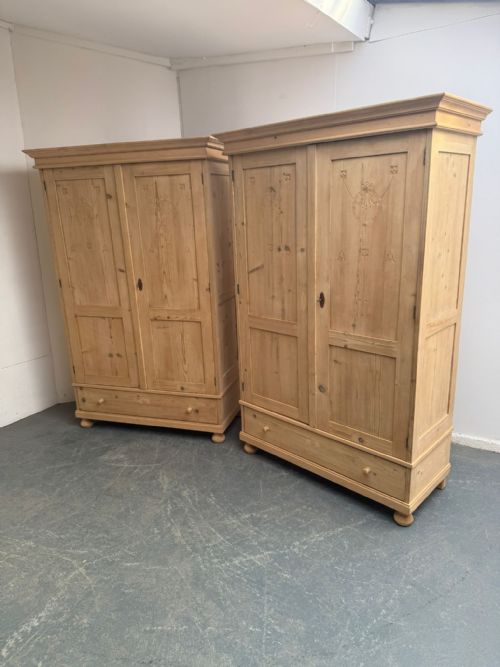
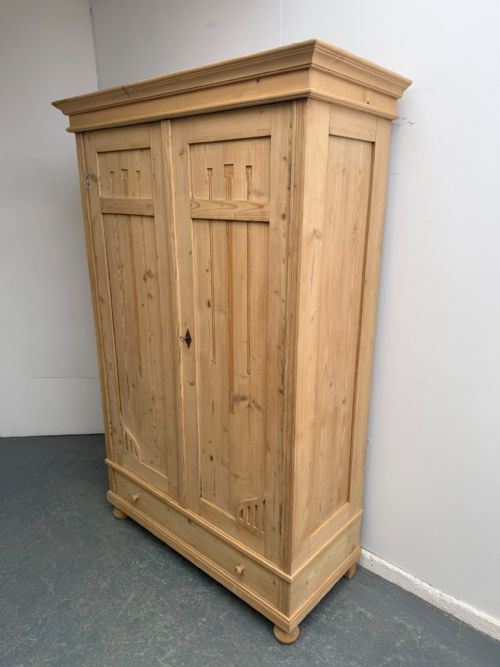
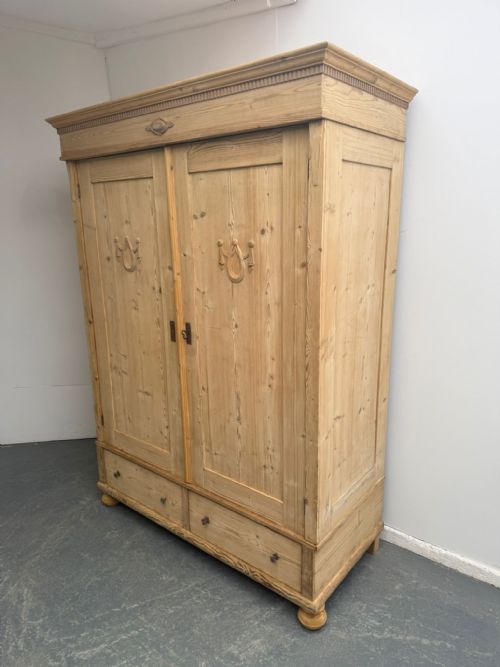
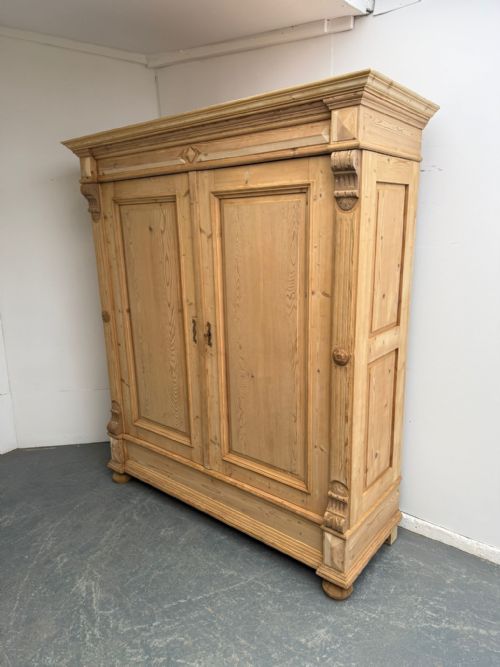
Flat or fielded panels break up the large doors. Essential to prevent the timber from warping across wide spaces.
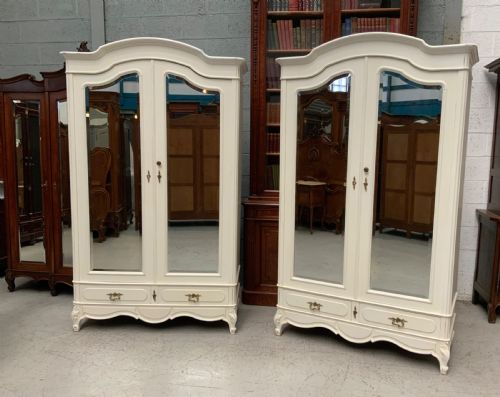
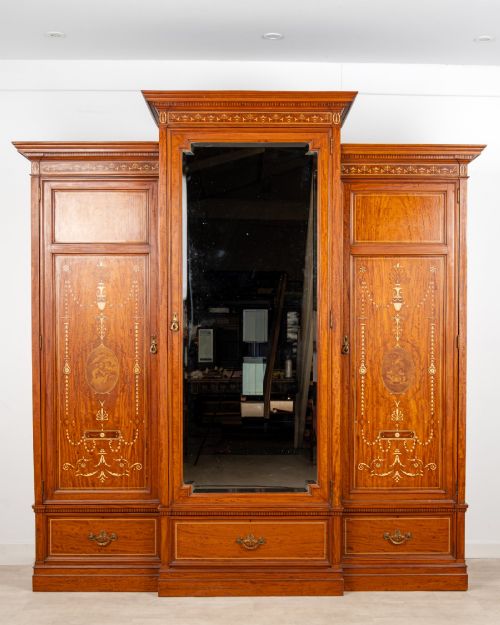
Base sections frequently house a single deep drawer or twin arrangement sitting below.
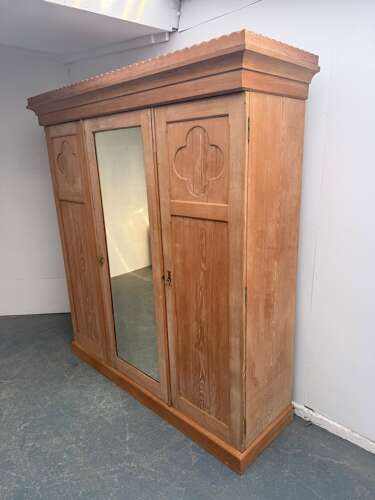
Flared cornices cap the top. They overhang the main body and slide off on wooden runners for transport.
Joined construction relies on mortise and tenon joints pegged with wood. This allows the frame to breathe without splitting.
Later Victorian examples shifted to mass-produced iron screws and nails to secure the backboards and internal runners.
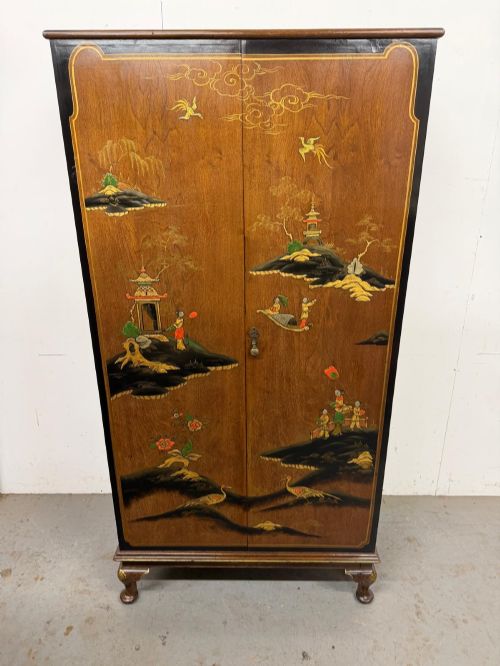
Traditional paint applications used thin washes layered over a gesso ground. This sealed the porous pine before the colour went on.
"Many original finishes survive under layers of modern emulsion. Careful stripping can reveal bright eighteenth-century folk art beneath."
"Interior pegs often tell you how tall the original owners were. They set them at shoulder height for easy reach."
"Certain floral patterns acted as a secret language. Specific blooms promised fertility or prosperity for the newlywed owners."
Based on almost 25 years of Sellingantiques UK antique market data, Antique Painted Wardrobes appeared 922 times (out of 1,100,000 antiques) which gives it a rarity score of 83/100.
This score measures scarcity within the Sellingantiques archive only and is not a survey of the entire antiques market, so these statistics may not be indicative of the general availability of Antique Painted Wardrobes elsewhere.
You can paint over the existing finish if the surface is sound. Light sanding provides a key for the new coat to grip.
Applying chalk paint directly over old wax often causes flaking. Clean the carcase thoroughly with a mild degreaser before starting any brushwork.
Most sizable antique painted wardrobes dismantle into flat sections. Craftsmen designed them as knock-down furniture precisely because rural staircases were tight and difficult to navigate.
The cornice lifts off the top, and the base section separates. The main body usually splits into two vertical halves held together by wooden pegs or large iron screws.
Check inside the door frames for these fixings. If it has a solid backboard nailed straight across both halves, it might be a single fixed unit.
Earlier examples rarely include them. They left the workshop with wooden pegs fitted to the backboards for hanging cloaks.
Later owners often retrofitted brass or wooden rails across the top to hold modern coat hangers.
Timber swells when it absorbs moisture from the air. Pine is particularly porous, so seasonal movement is normal for these pieces.
The doors expand across their width in damp conditions and rub against the central frame. Central heating dries the wood out again, causing it to shrink back to its summer size.
Avoid planing the doors down during winter. They will end up too small once the dry weather returns and leave a permanent gap down the middle.
Please note: This Antique Painted Wardrobes guide and its associated pricing data are provided for general informational purposes only. It does not constitute formal financial, investment, or appraisal advice and should not be relied upon as the sole basis for any commercial activity, purchasing, or sales decisions. Sellingantiques.co.uk accepts no liability for any actions taken in reliance on this information. Always consult with a qualified professional or independent appraiser.
