





A 2026 Guide by Sellingantiques
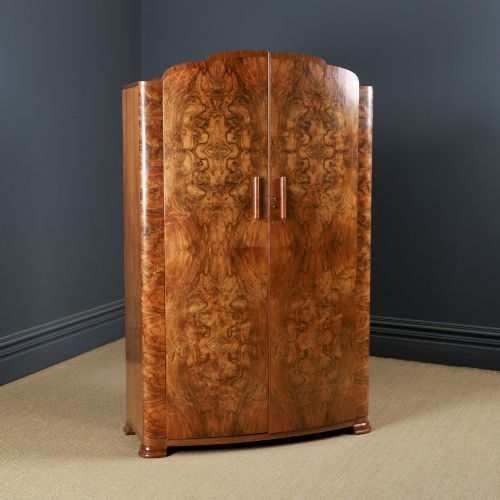
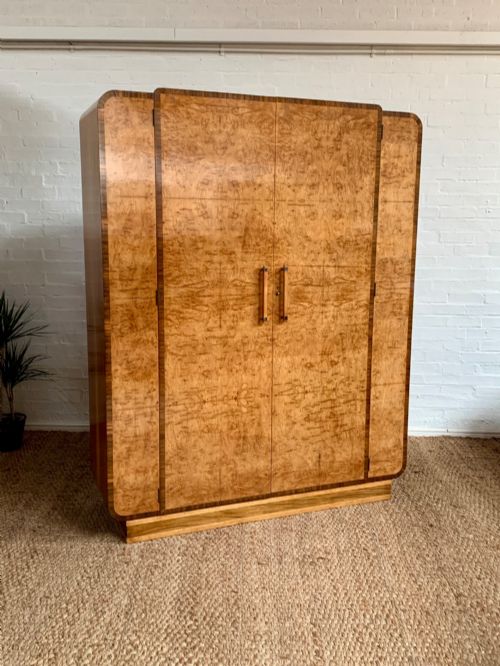
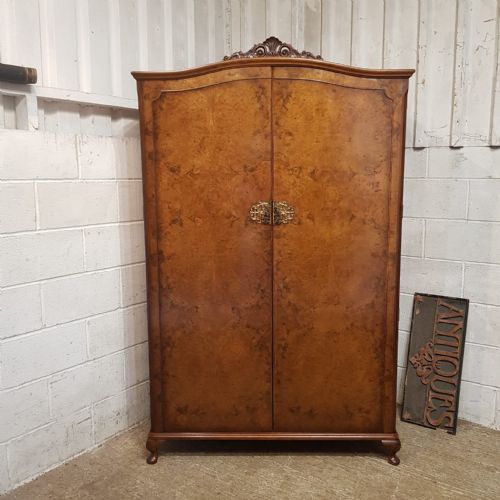
Jean Faure Signed High Art Deco Wardrobe C1920, 1920
Priced at £3,495 from Mews Antiques
Streamlined modernism replaced the heavy Edwardian bedroom suites after the First World War.
Hollywood set design often shaped the look of these geometric pieces.
Look at the shift in scale during the 1930s. Ceilings were getting lower in new suburban houses, forcing makers to drop the overall height.
Mass production techniques meant flashy veneered furniture reached middle-class buyers for the first time.
Epstein produced high-end bedroom suites in London using thick burr walnut veneers.
Look for the stamped marks of Ray Hille. Her firm made striking geometric pieces during the 1930s.
Heal & Son offered understated oak and mahogany versions for buyers wanting a quieter modernism.
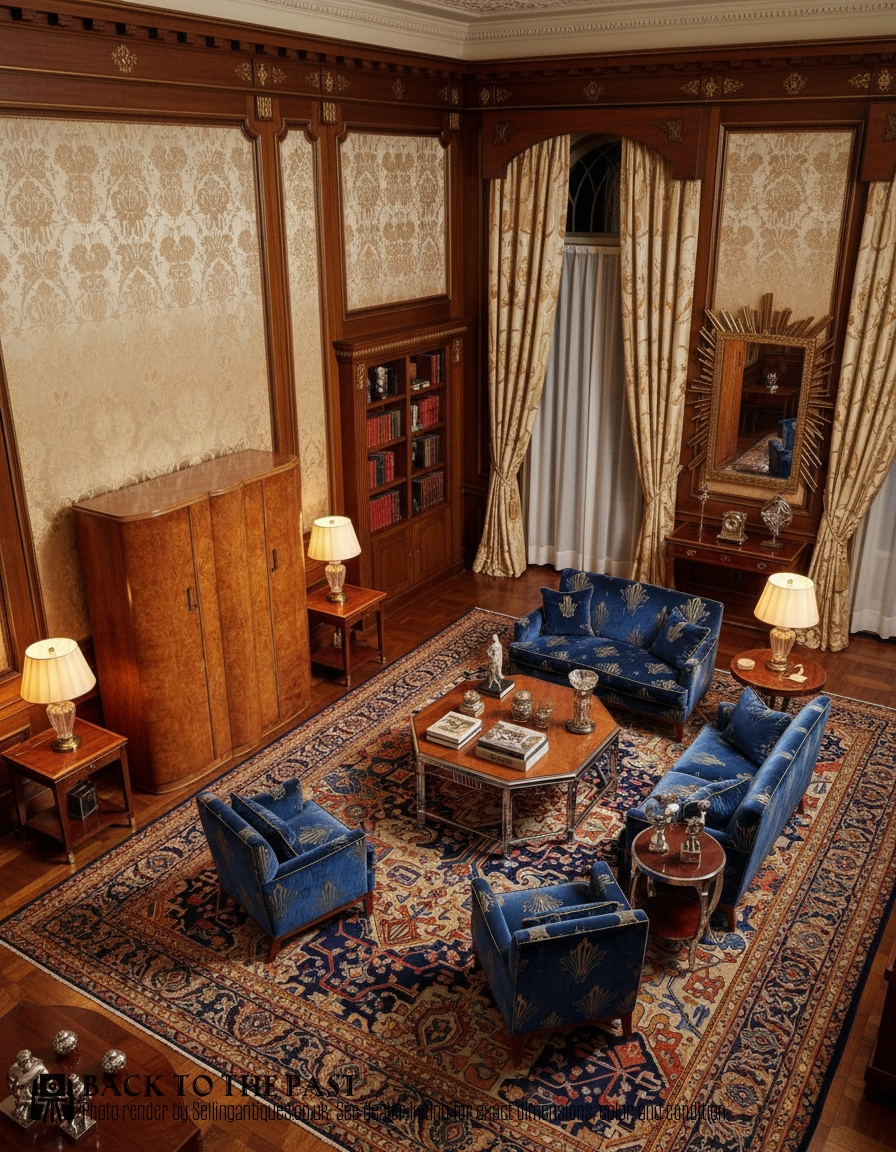
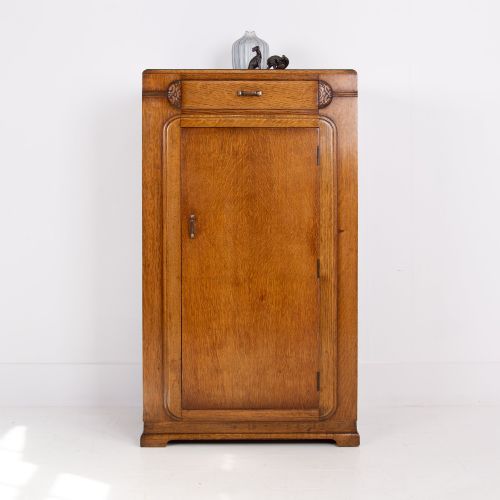
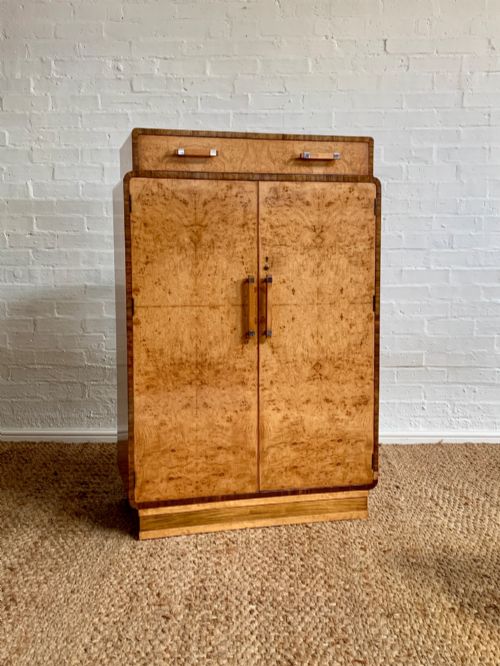
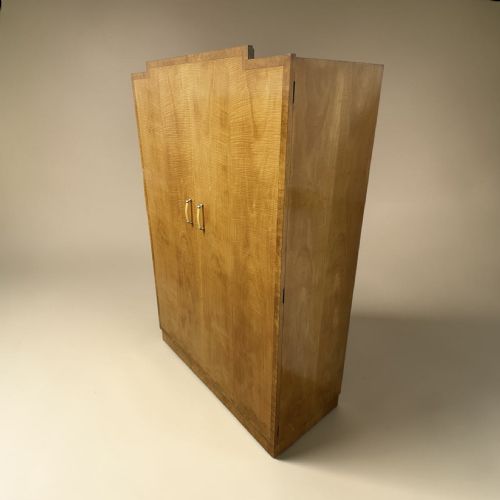
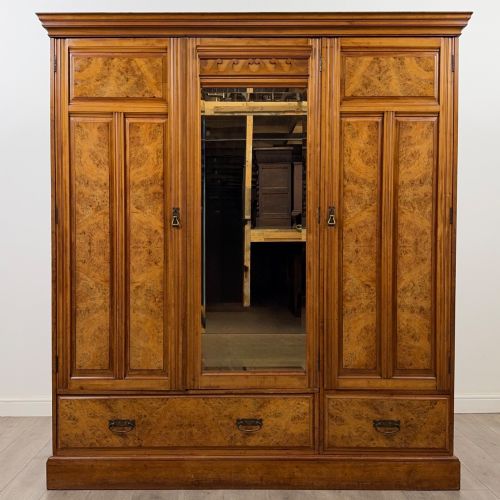
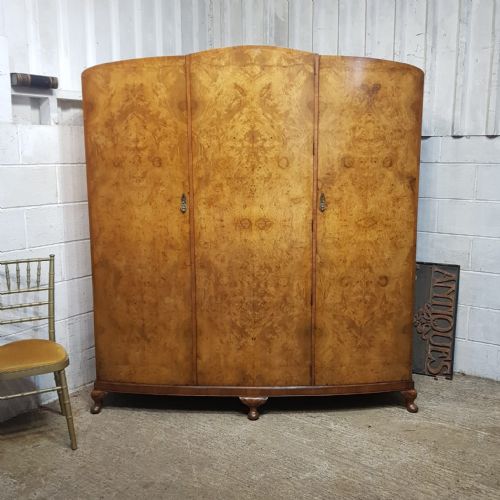
Art Deco Triple Wardrobe, 1930
Priced at £1,950 from Poirot Art Deco
The 2026 retail price guide for Art Deco Wardrobes is drawn from a proprietary archive of over 1.1 million retail prices indexed by Sellingantiques since 2003. This guide relies exclusively on their own internal data; no external sources or auction records are used.
Analysing nearly 25 years of UK antique market history alongside current retail values, the data indicates that typical UK retail prices for Art Deco Wardrobes range between £700 and £2,300. Entry-level prices generally fall under £700 and premium examples upwards of £2,300.
Stepped cornices and striking sunburst veneer patterns dominate the large front panels.
Open the doors to find fitted internal layouts. Hanging rails sit alongside labelled shelves for shirts and small drawers for collars.
Curved corners soften the blocky outlines on many surviving flat-fronted examples.

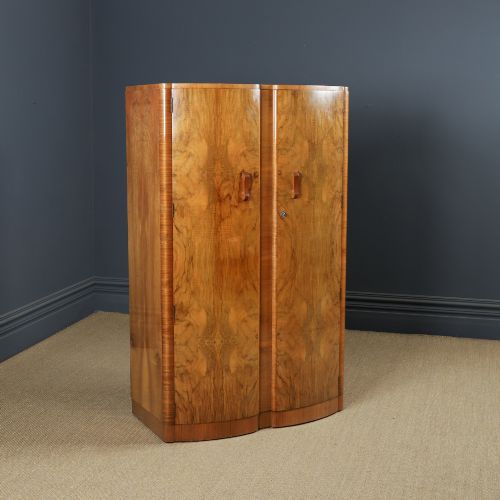
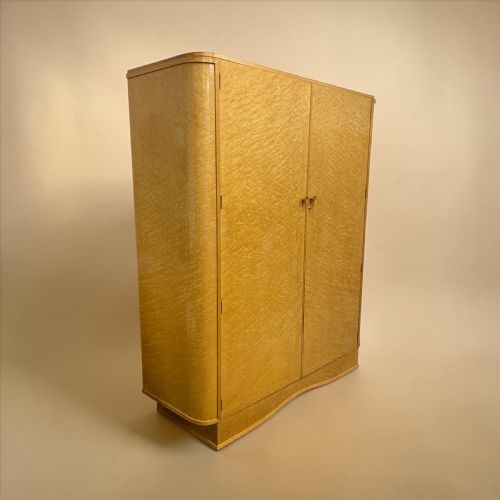
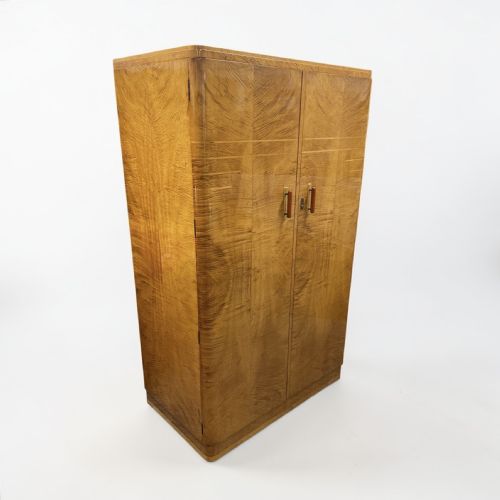
Art Deco Cloud Walnut Small Wardrobe, C1930, 1930
Priced at £1,850 from Art Deco World
Plywood bends easily. Makers used it to form sweeping curved corners and bowed doors before applying the final veneer.
Machinery handled the rough carcase work while craftsmen still matched and laid the complex veneer patterns by hand.
Traditional dovetails often disappear on mass-produced examples. Dowel joints held the cheaper frame boards together instead.
"Some interior fittings pop out completely. You can remove the collar trays and shoe racks to create a single hanging space."
"Hidden compartments exist in the base of certain high-end models. They kept jewellery secure beneath the false floor of a drawer."
"Wardrobe scent blocks were sometimes built into the back panels to keep moths away from wool suits."
Based on almost 25 years of Sellingantiques UK antique market data, Art Deco Wardrobes appeared 731 times (out of 1,100,000 antiques) which gives it a rarity score of 86/100.
This score measures scarcity within the Sellingantiques archive only and is not a survey of the entire antiques market, so these statistics may not be indicative of the general availability of Art Deco Wardrobes elsewhere.
Dust the surface with a dry lint-free cloth. Cellulose finishes scratch easily.
Keep spray polishes away from the wood. A light coat of microcrystalline wax applied twice a year stops the veneer drying out.
Most single models are built as one rigid box. Measure the tight corners on your staircase before moving one.
Larger triple sizes break down into three vertical sections. The cornice and base unscrew to release the main bodies.
It depends on the maker. Many factory models have fixed internal divisions screwed straight through the backboards.
Leave structural shelves alone. You risk warping the carcase if you remove the main horizontal supports.
The carcase is twisting. This happens when the floor under the piece is uneven.
Slide a small wooden wedge under one of the front corners. Watch the door gap as you lift the base.
Stop when the gap is even. The hinges will settle back into their proper alignment.
Please note: This Art Deco Wardrobes guide and its associated pricing data are provided for general informational purposes only. It does not constitute formal financial, investment, or appraisal advice and should not be relied upon as the sole basis for any commercial activity, purchasing, or sales decisions. Sellingantiques.co.uk accepts no liability for any actions taken in reliance on this information. Always consult with a qualified professional or independent appraiser.
