



A 2026 Guide by Sellingantiques
Clothes lay flat in wooden chests for centuries before this form emerged.
Hanging garments forced a new shape of tall furniture to appear during the late eighteenth century, as formal coats grew too stiff to fold.
Early antique single wardrobes often matched the height of bed testers in grand townhouses.
Victorian house builders started putting smaller bedrooms into urban terraced housing.
Space restrictions drove steady demand for these narrow cupboards right through the Edwardian period.
Gillows of Lancaster produced solid mahogany examples during the nineteenth century.
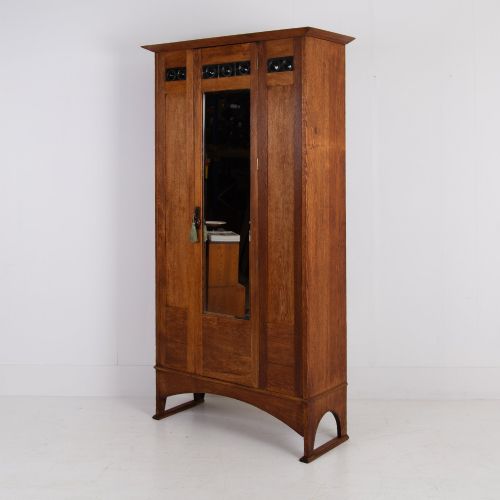
Heal & Son supplied plain ash and oak versions during the late Victorian period, focusing on simple lines rather than heavy carving.
Provincial cabinet makers sometimes stamped their names on the top drawer edge.
The 2026 retail price guide for Antique Single Wardrobes is drawn from a proprietary archive of over 1.1 million retail prices indexed by Sellingantiques since 2003. This guide relies exclusively on their own internal data; no external sources or auction records are used.
Analysing nearly 25 years of UK antique market history alongside current retail values, the data indicates that typical UK retail prices for Antique Single Wardrobes range between £500 and £1,200. Entry-level prices generally fall under £500 and premium examples upwards of £1,200.
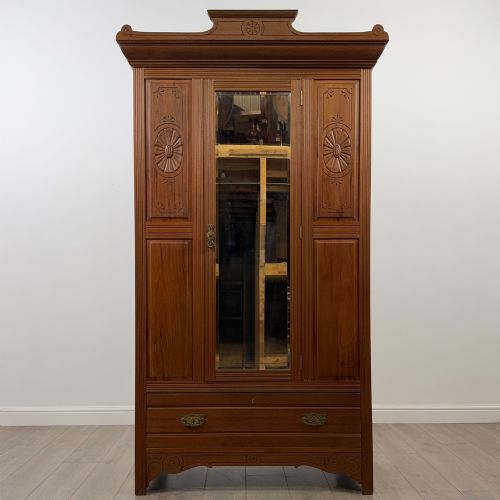
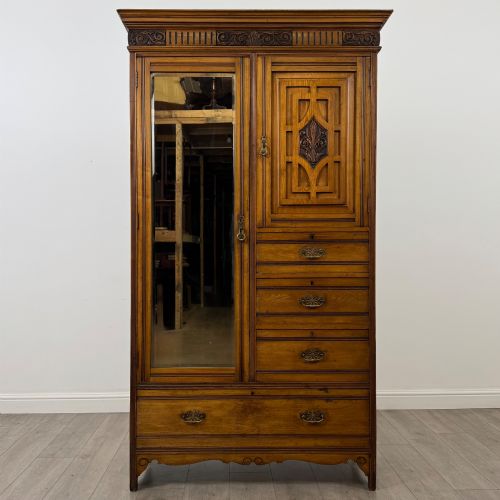
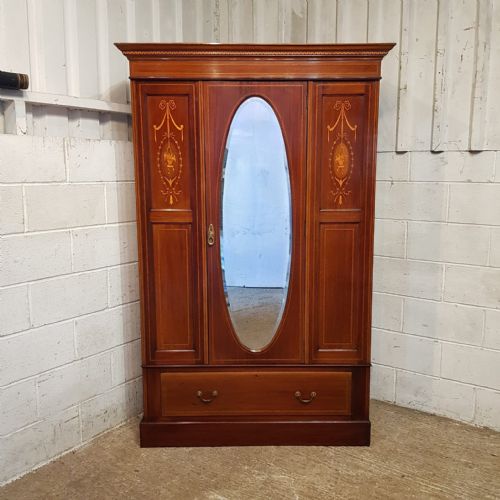
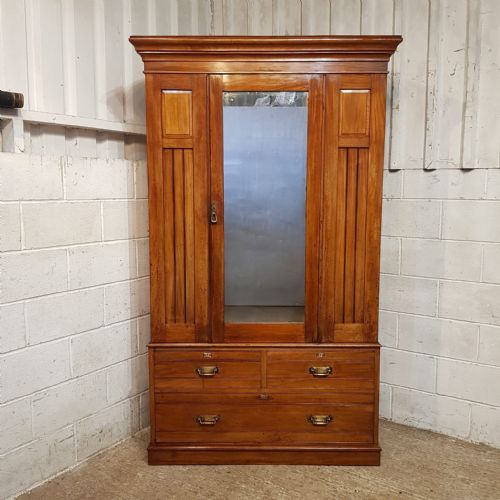
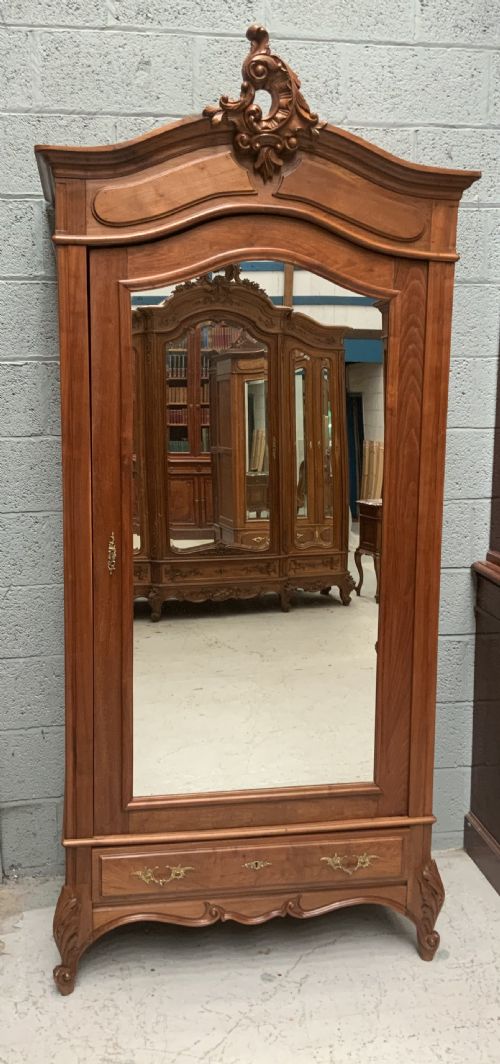
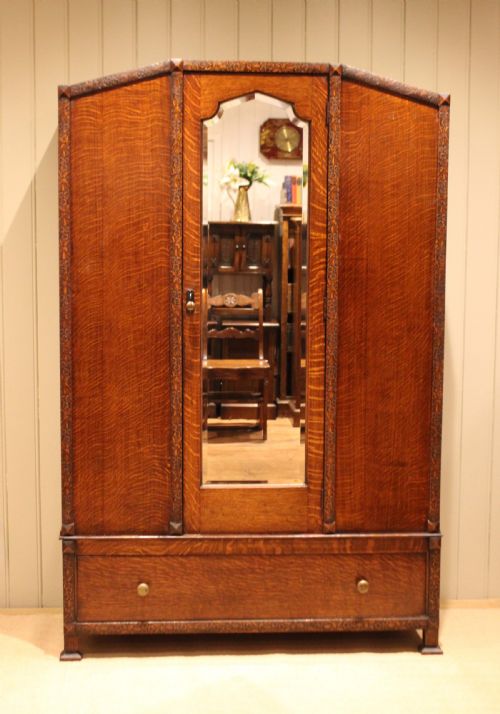
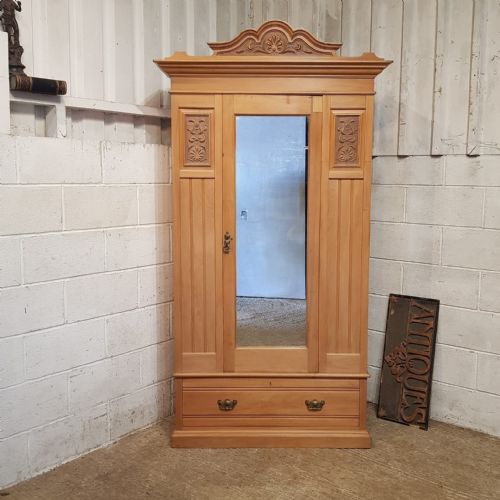
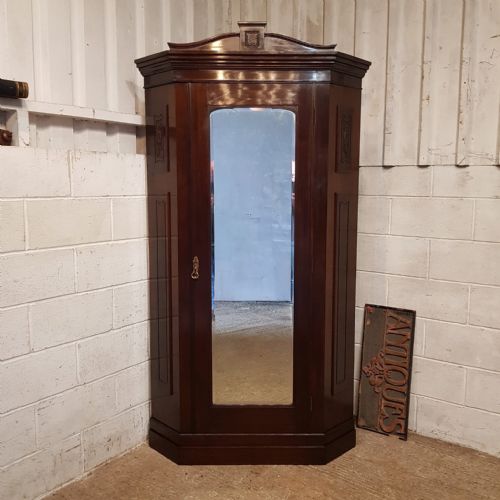
A single door often holds a mirrored plate on the outer face.
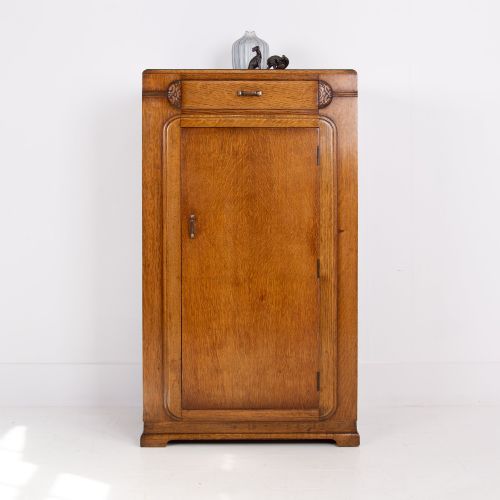
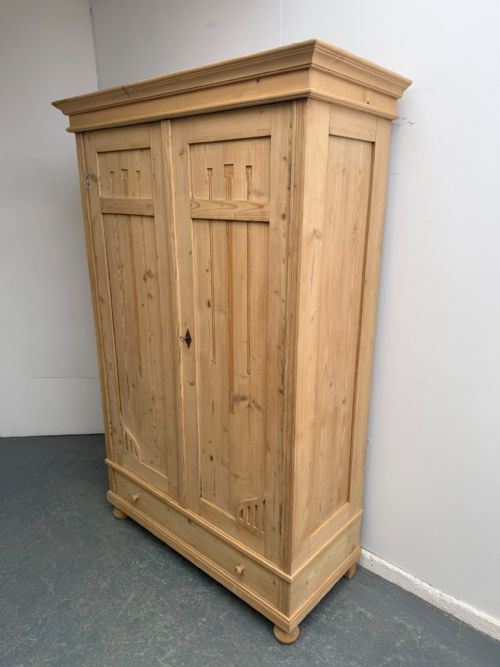
The base section sometimes contains a single deep drawer. This extra compartment lifts the main hanging space higher up, changing the overall proportions of the piece.
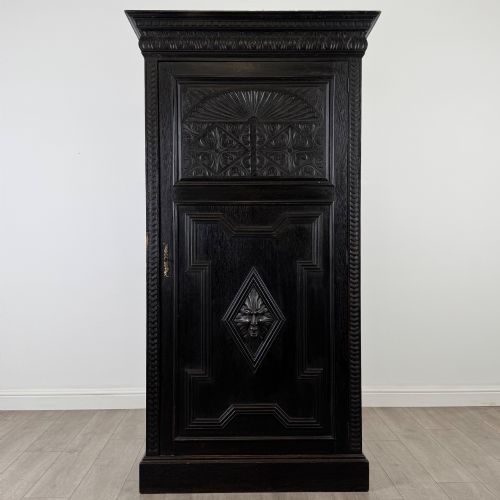
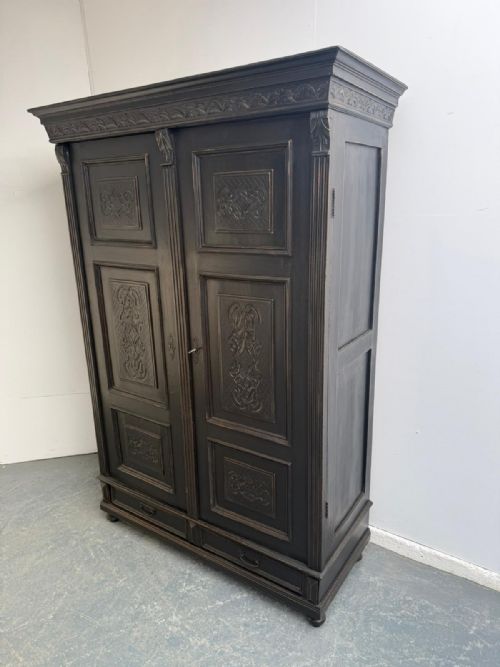
Carved or moulded cornices finish the top edge of the carcase.
Craftsmen cut dovetail joints by hand to secure the base drawer sides. You'll often see slight variations in the pin sizes on older country pieces.
Early nineteenth-century examples feature frame and panel construction to allow wood movement.
Later factory production shifted towards machine-cut joints and thinner wood veneers.
"Brass hooks inside the roof allow for hanging items without a rail."
"Many late Victorian versions break down into three pieces so they're easier to carry up tight stairs. The cornice, main body, and plinth base all separate out."
"Base drawers sometimes feature a full lining of cedar wood. This timber emits a strong scent when you open the compartment."
Based on almost 25 years of Sellingantiques UK antique market data, Antique Single Wardrobes appeared 727 times (out of 1,100,000 antiques) which gives it a rarity score of 86/100.
This score measures scarcity within the Sellingantiques archive only and is not a survey of the entire antiques market, so these statistics may not be indicative of the general availability of Antique Single Wardrobes elsewhere.
Most top sections lift straight up and off the main carcase. They sit on wooden pegs or dowels without any screws holding them down.
Sometimes a couple of blocks hold them from the inside. You just push upwards from the inner roof corners.
Many Victorian and Edwardian examples split into three parts for moving. The cornice lifts off the top, the main body lifts away, and the base drawer section remains separate.
This design evolved specifically to handle tight townhouse stairs. Check the back boards to see if the main body is one solid box or if it unbolts into flat panels. You'll often find old bolts holding the side panels together.
It depends on the hanging depth.
Older pieces often lack the deep space needed for modern plastic hangers to sit straight. You just slant the clothes slightly or buy smaller wire versions instead.
Pleated fabric was a common original feature on Edwardian examples. Cabinet makers used silk or cotton panels behind plain glass to soften the look for bedrooms.
Over the decades, owners often swapped faded fabric for new material. A fresh cotton pleat behind the glass keeps the period look without needing original textiles.
Please note: This Antique Single Wardrobes guide and its associated pricing data are provided for general informational purposes only. It does not constitute formal financial, investment, or appraisal advice and should not be relied upon as the sole basis for any commercial activity, purchasing, or sales decisions. Sellingantiques.co.uk accepts no liability for any actions taken in reliance on this information. Always consult with a qualified professional or independent appraiser.
