


A 2026 Guide by Sellingantiques
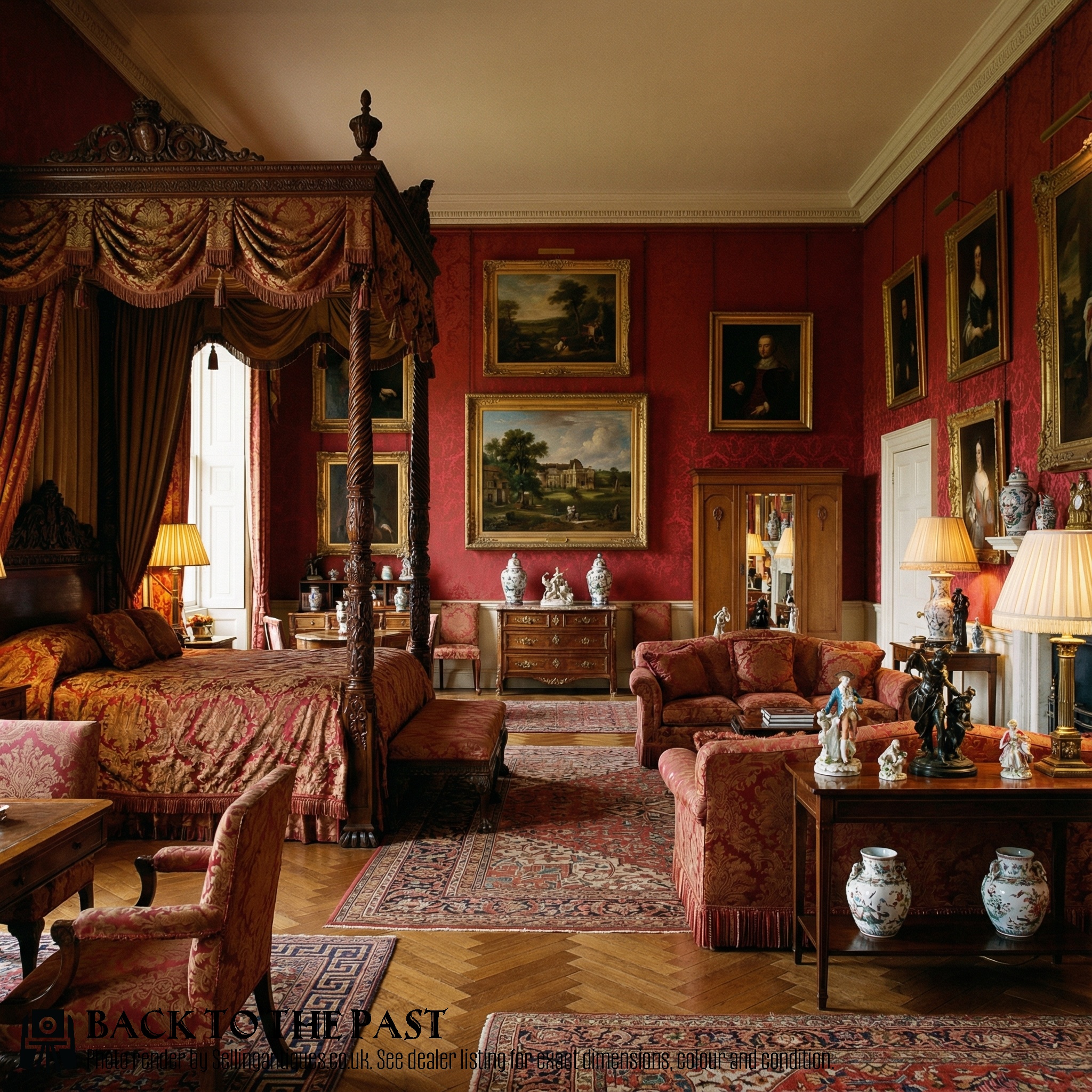
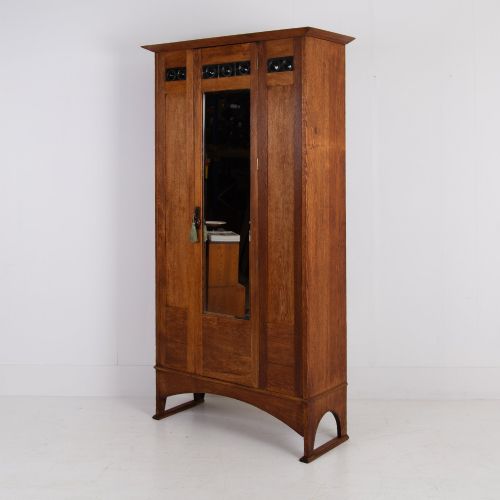
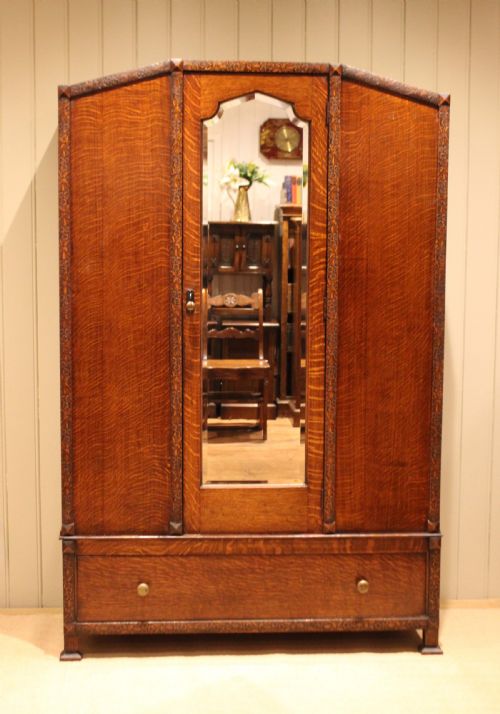
An Edwardian Arts & Crafts Oak Wardrobe C1900, Edwardian
Priced at £495 from Castleforge Antiques Ltd
The movement began in Britain during the late Victorian era as a direct reaction against factory production.
Look for designs that emphasise utility over the heavy carving of earlier nineteenth-century cabinetmaking.
A deliberate shift. Antique Arts And Crafts wardrobes emerged when designers decided furniture should reveal how it was built.
Many pieces reflect a romantic view of medieval guilds, though some workshops adopted machines to meet demand.
Shapland and Petter of Barnstaple produced variations incorporating subtle metalwork or enamel plaques into the door panels.
Plain oak bedroom suites. Heal's offered these to the middle classes throughout the early twentieth century.
Furniture from the Guild of Handicraft rarely turns up but defines the strict hand-made ethos of the period.
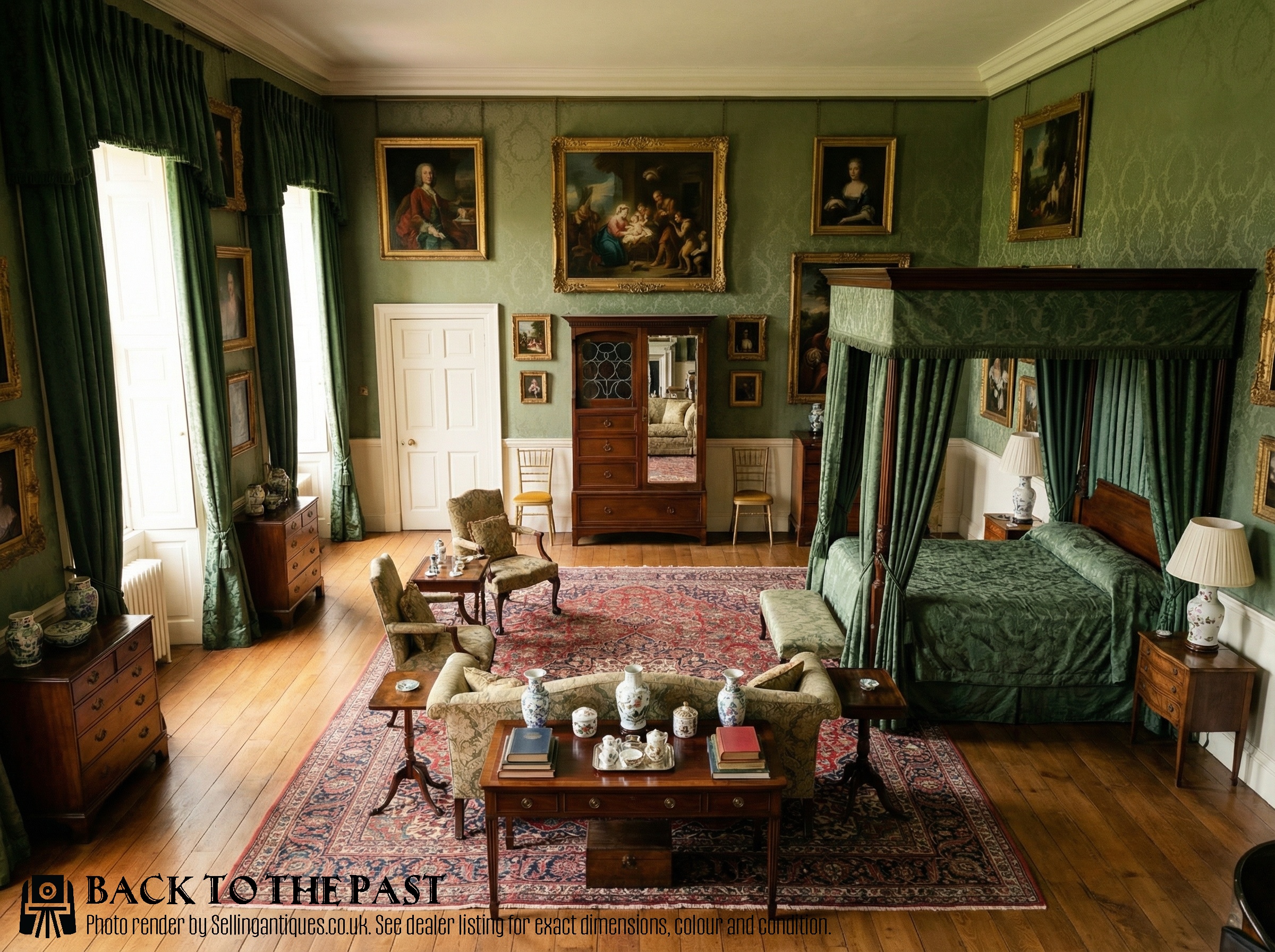
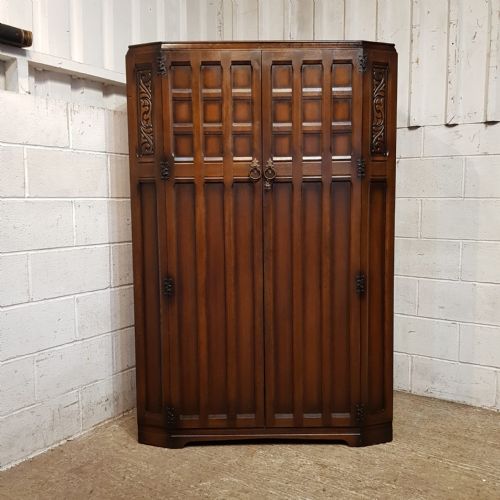
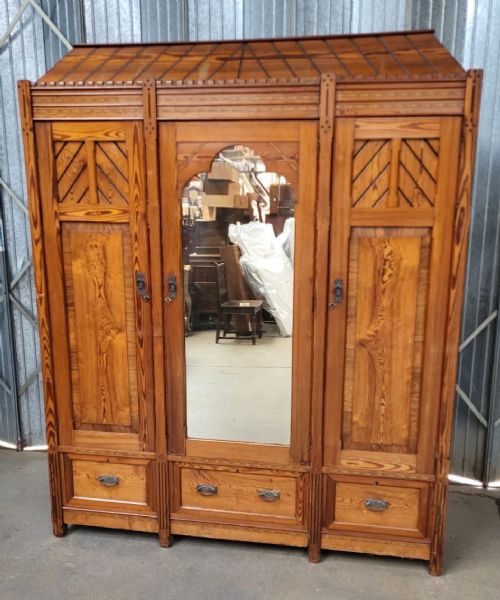
An Antique Arts & Crafts Mahogany Combination Wardrobe C1900, 1900
Priced at £695 from Castleforge Antiques Ltd
The 2026 retail price guide for Antique Arts And Crafts Wardrobes is drawn from a proprietary archive of over 1.1 million retail prices indexed by Sellingantiques since 2003. This guide relies exclusively on their own internal data; no external sources or auction records are used.
Analysing nearly 25 years of UK antique market history alongside current retail values, the data indicates that typical UK retail prices for Antique Arts And Crafts Wardrobes range between £600 and £1,900. Entry-level prices generally fall under £600 and premium examples upwards of £1,900.
Exposed tenon joints often protrude through the side panels, secured with contrasting wooden pegs.
Check the cornice. It usually sits flat and wide, lacking deep classical moulding.
Large mirrored doors. Typically flanked by flat panels with simple vertical grooves.
Makers favoured solid wood panelling over veneers to prove the piece was genuine throughout.
Traditional mortise and tenon joints hold the heavy frames together. Dowels remain visible on the outside.
Open the doors. Hand-cut dovetails join the drawer fronts to the sides.
"Some designs incorporate small cut-outs in the shape of hearts on the upper panels to ventilate the interior."
"Moving them is simple. They often break down into three separate sections for navigating narrow staircases."
"The dark fumed oak finish was achieved by exposing the wood to ammonia fumes in a sealed tent."
Based on almost 25 years of Sellingantiques UK antique market data, Antique Arts And Crafts Wardrobes appeared 522 times (out of 1,100,000 antiques) which gives it a rarity score of 90/100.
This score measures scarcity within the Sellingantiques archive only and is not a survey of the entire antiques market, so these statistics may not be indicative of the general availability of Antique Arts And Crafts Wardrobes elsewhere.
Most antique Arts and Crafts wardrobes are slightly shallower than modern built-in cupboards. Standard wooden hangers used today can sometimes brush against the inside of the door when you close it.
Owners usually get around this by angling the clothes slightly or buying narrower plastic hangers. You can also adjust the hanging rail, moving it back an inch or two if the internal carcase depth allows.
Heights vary across the category. Pieces made for grand country houses can be towering, while suites designed for middle-class townhouses are much more modest. A plain oak model from a maker like Heal's often sits well under two metres.
It always pays to measure the height of your room at the lowest point before considering a purchase. Remember to account for how you plan to assemble it, as tipping a tall section upright requires extra clearance above the cornice.
Solid wood doors can move a little as humidity levels shift between summer and winter. This movement is a natural characteristic of antique timber rather than a structural failure.
Frame and panel construction was specifically designed to absorb most of this expansion. As long as the wardrobe is kept away from direct heat sources like modern radiators, any slight bowing rarely stops the doors from closing and latching normally.
Most dealers prefer to leave the metalwork alone. The dull, oxidised patina on copper and brass fittings took decades to form and is part of the character that collectors look for in this period of furniture.
The makers treated the hardware to darken it artificially before it left the workshop, wanting it to look handmade. Polishing removes that historic finish.
Wiping the metal gently with a soft cloth is usually enough if it looks grimy. Harsh liquid polishes can seep into the surrounding oak and stain the wood.
Please note: This Antique Arts And Crafts Wardrobes guide and its associated pricing data are provided for general informational purposes only. It does not constitute formal financial, investment, or appraisal advice and should not be relied upon as the sole basis for any commercial activity, purchasing, or sales decisions. Sellingantiques.co.uk accepts no liability for any actions taken in reliance on this information. Always consult with a qualified professional or independent appraiser.
