
A 2026 Guide by Sellingantiques
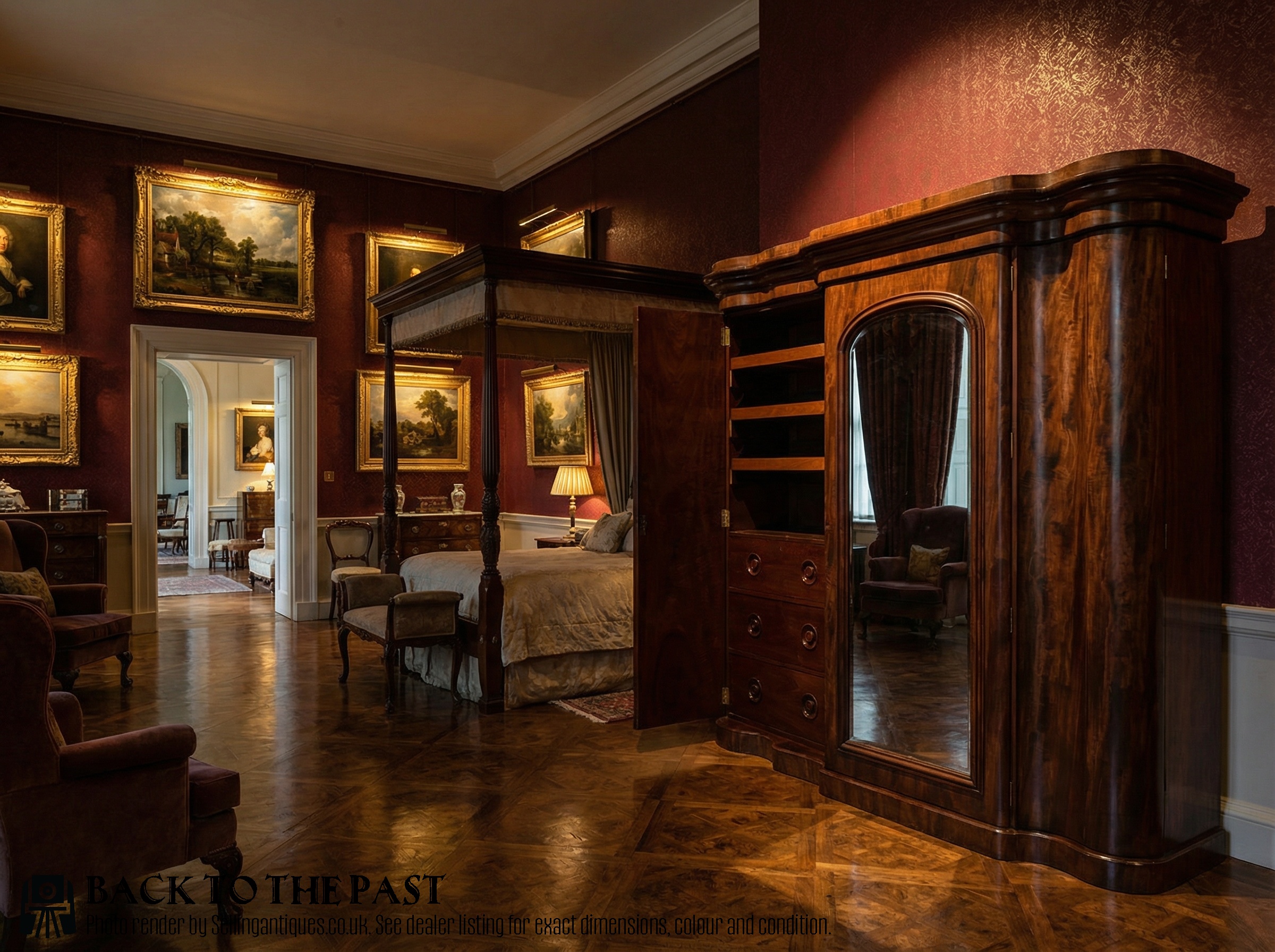
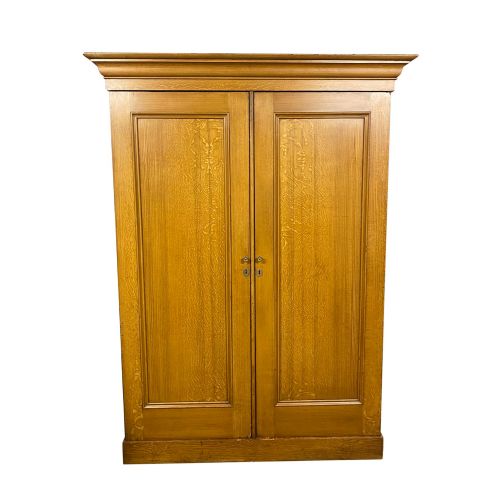
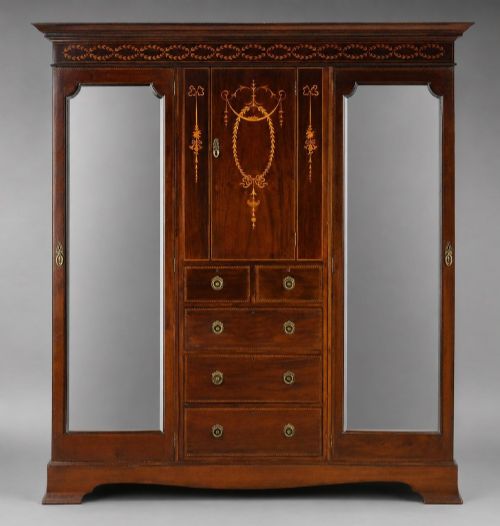
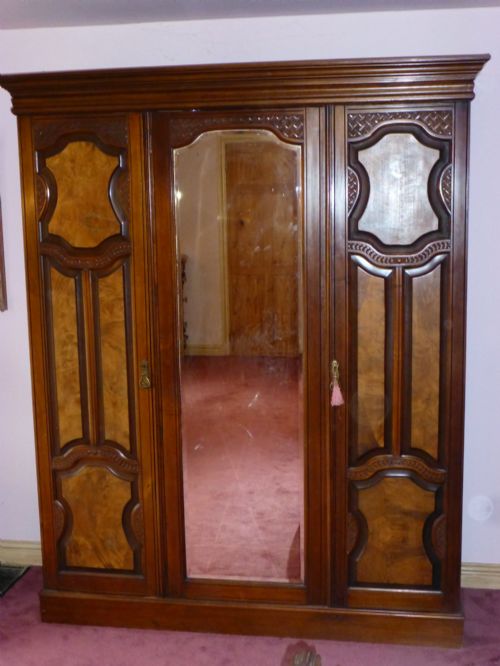
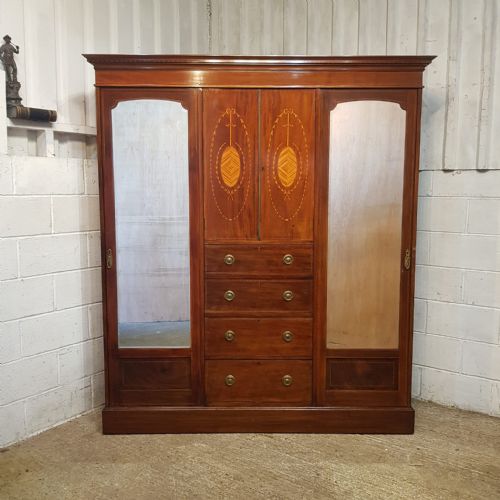
Fabulous Mid Victorian Compactum Wardrobe, Victorian
Priced at £525 from Eclectic Antiques
Demand for all-in-one bedroom storage drove the rise of Antique Compactums during the late nineteenth century.
Watch for a shift from separate presses to these large unified frames.
Town houses simply lacked the floor space for multiple storage pieces.
Often found providing essential storage in middle-class suburban homes across Britain.
The form eventually faded out when fitted cupboards became standard in modern domestic architecture.
Most Victorian and Edwardian Antique Compactums carry no formal maker's mark.
Large London retailers like Maple & Co supplied these to wealthy households during the late nineteenth century.
Regional cabinet trades producing hundreds of variations for local department stores.
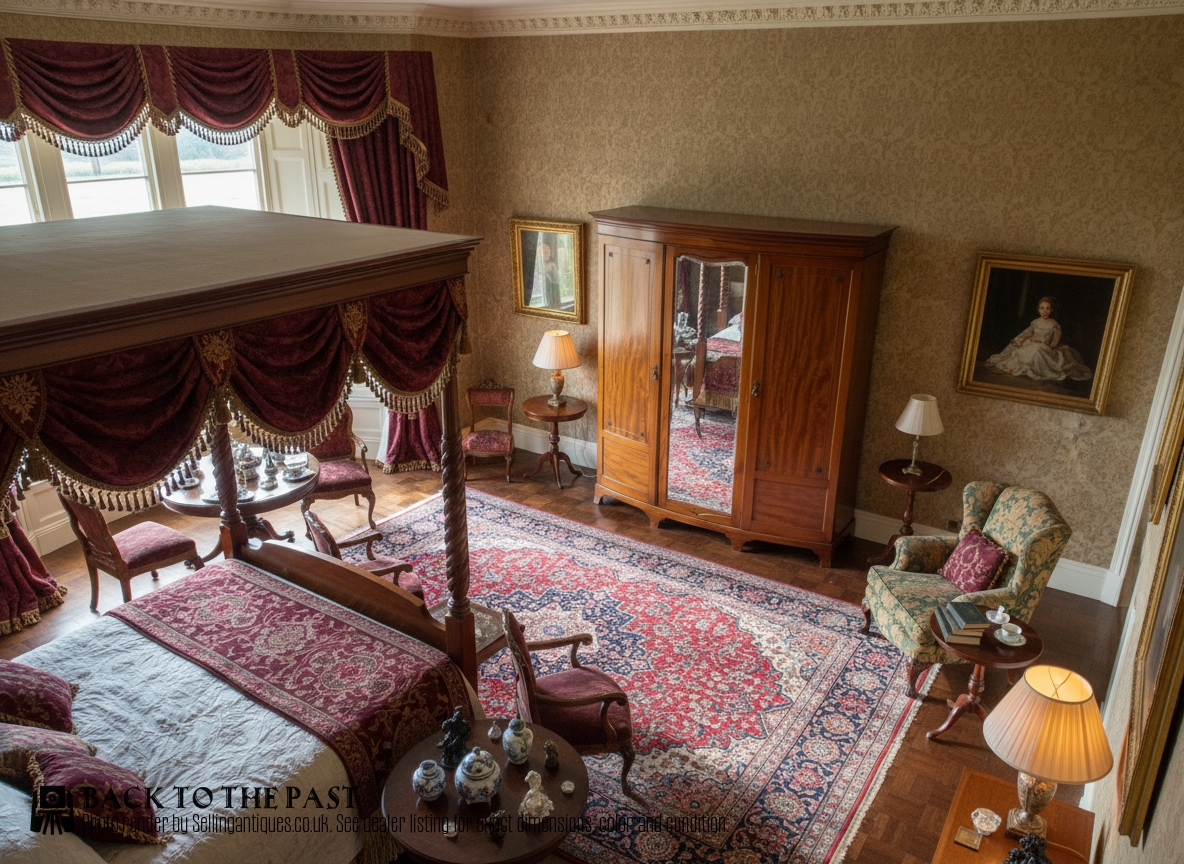
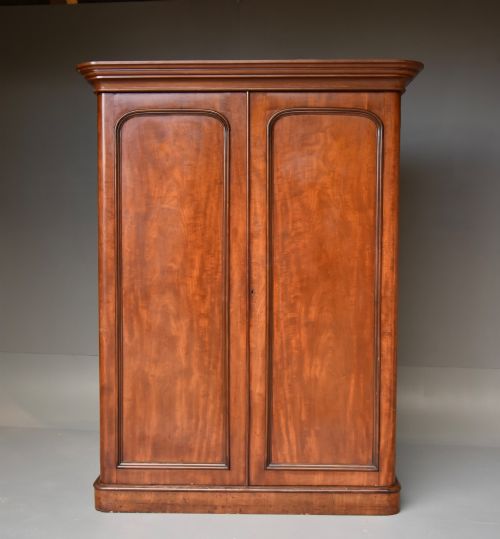
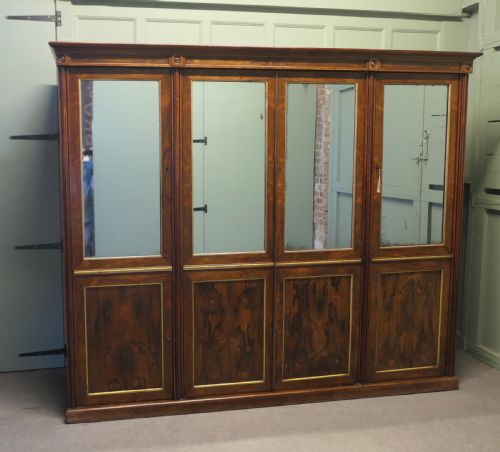
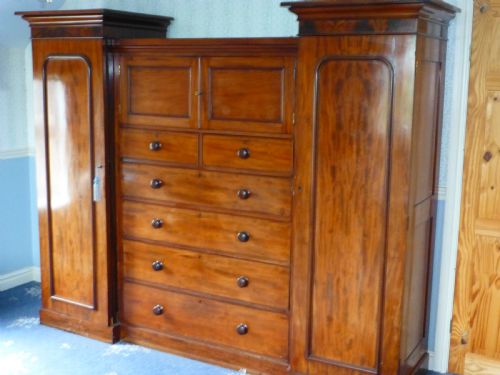
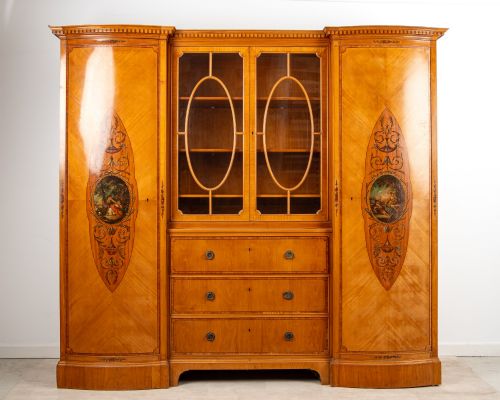
Victorian Mahogany Bow Front Triple Mirror Door Compactum Wardrobe, Victorian
Priced at £1,850 from Y Not Antiques
The 2026 retail price guide for Antique Compactums is drawn from a proprietary archive of over 1.1 million retail prices indexed by Sellingantiques since 2003. This guide relies exclusively on their own internal data; no external sources or auction records are used.
Analysing nearly 25 years of UK antique market history alongside current retail values, the data indicates that typical UK retail prices for Antique Compactums range between £800 and £2,200. Entry-level prices generally fall under £800 and premium examples upwards of £2,200.
Central mirrored doors frequently cover the main hanging section on these units.
Look for banks of sliding linen trays sitting securely behind solid panelled doors.
Deep lower drawers forming the heavy base section of most Antique Compactums.
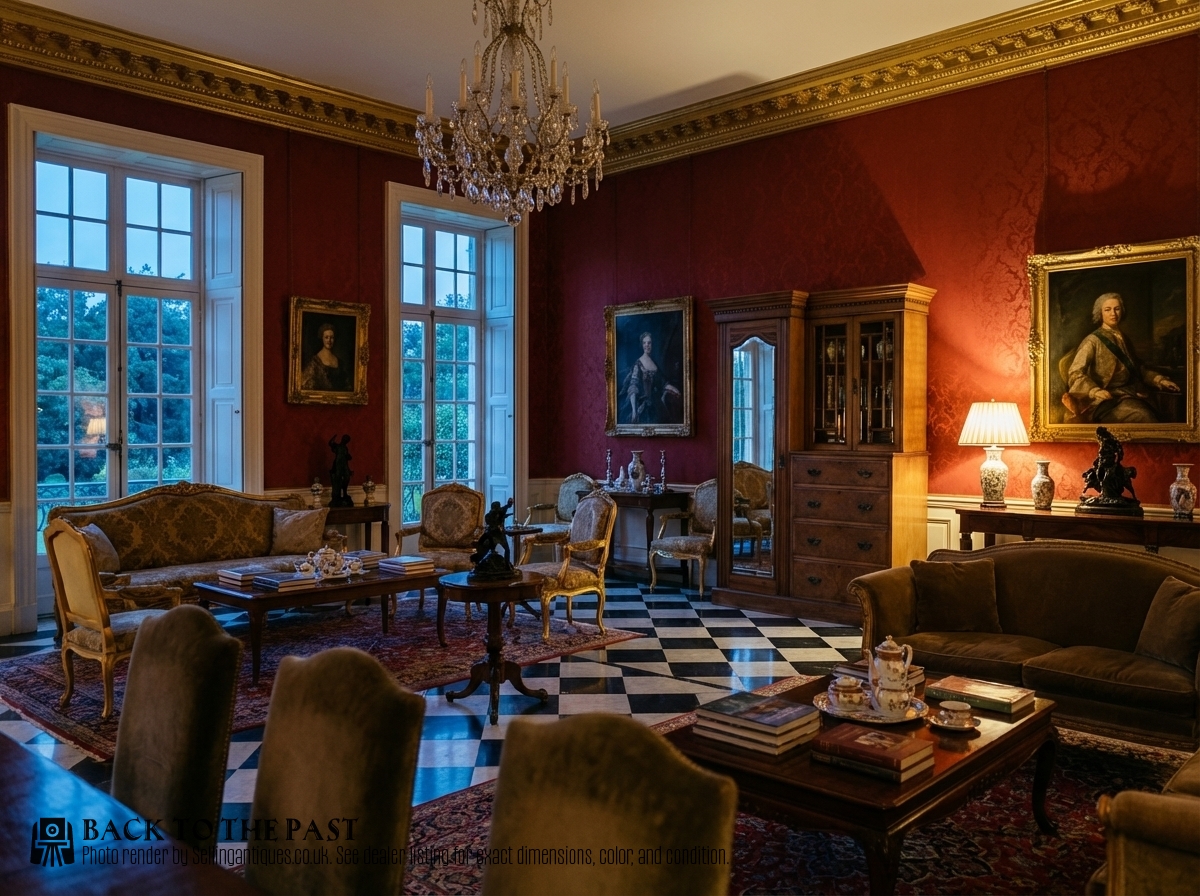
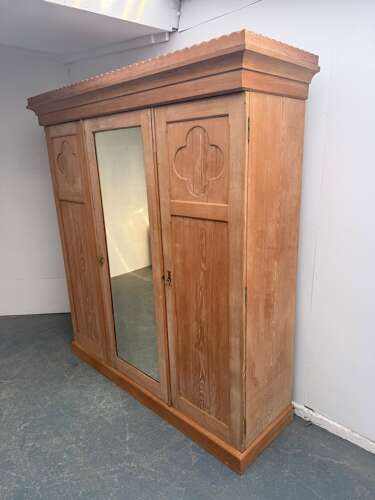
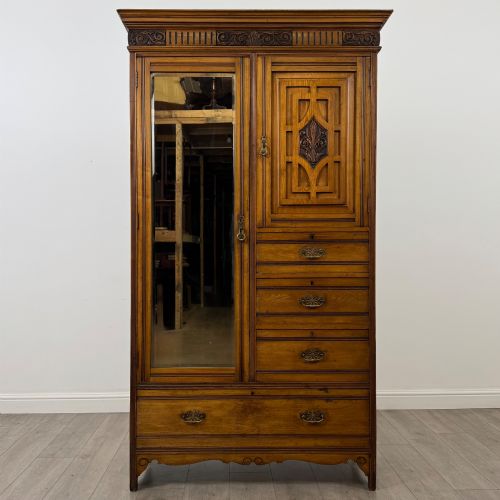
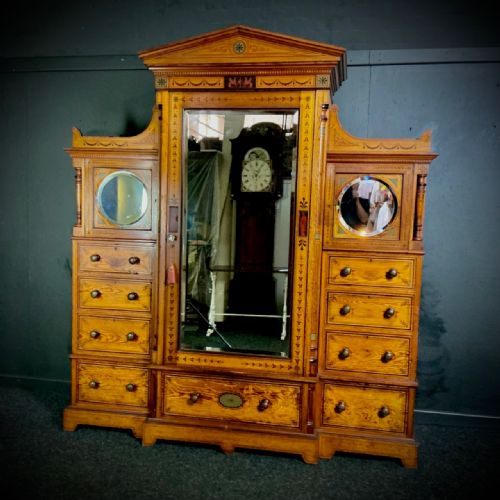
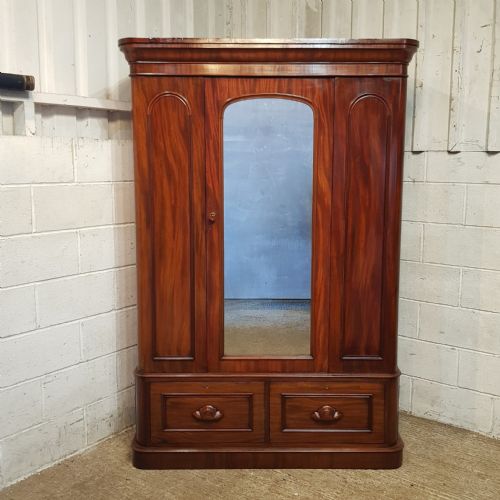
A Charming Single Wardrobe Compactum in Ash and Bur Walnut, 1880
Priced at £1,950 from Elmgarden
Hand-cut dovetails join the drawer sides on older Antique Compactums.
Turn the locks to check the mechanisms. You'll find brass lever locks replaced simple iron wards as security became more important.
Machine-cut mouldings appearing on later pieces to speed up workshop output.
"They're designed to break down into three or four separate blocks for moving up narrow staircases."
"Don't ignore the internal layout. It usually follows a strict logic for different clothing types."
"Original brass rail fittings holding modern wooden hangers without any trouble."
Based on almost 25 years of Sellingantiques UK antique market data, Antique Compactums appeared 1191 times (out of 1,100,000 antiques) which gives it a rarity score of 79/100.
This score measures scarcity within the Sellingantiques archive only and is not a survey of the entire antiques market, so these statistics may not be indicative of the general availability of Antique Compactums elsewhere.
A compactum is a large fitted wardrobe combining hanging space with drawers and sliding shelves. They were designed as complete storage systems for bedrooms.
You usually find a hanging section on one side and a bank of drawers on the other. They date mostly from the late Victorian and Edwardian periods.
Yes, almost all of them dismantle for transport. The design relies on separate sections slotting together.
Remove the top cornice first as this usually lifts straight off. The main body then separates into two or three vertical boxes. The base plinth is another separate piece.
Many have lost a tray or two over the years.
A cabinet maker can easily fit fixed shelves in their place using the original runner positions.
Modifying the internal layout is quite common today. Modern habits demand more hanging space than folded storage.
If you add a rail, keep the original trays stored safely. Future owners might want to restore the piece to its intended configuration.
Please note: This Antique Compactums guide and its associated pricing data are provided for general informational purposes only. It does not constitute formal financial, investment, or appraisal advice and should not be relied upon as the sole basis for any commercial activity, purchasing, or sales decisions. Sellingantiques.co.uk accepts no liability for any actions taken in reliance on this information. Always consult with a qualified professional or independent appraiser.
