


A 2026 Guide by Sellingantiques
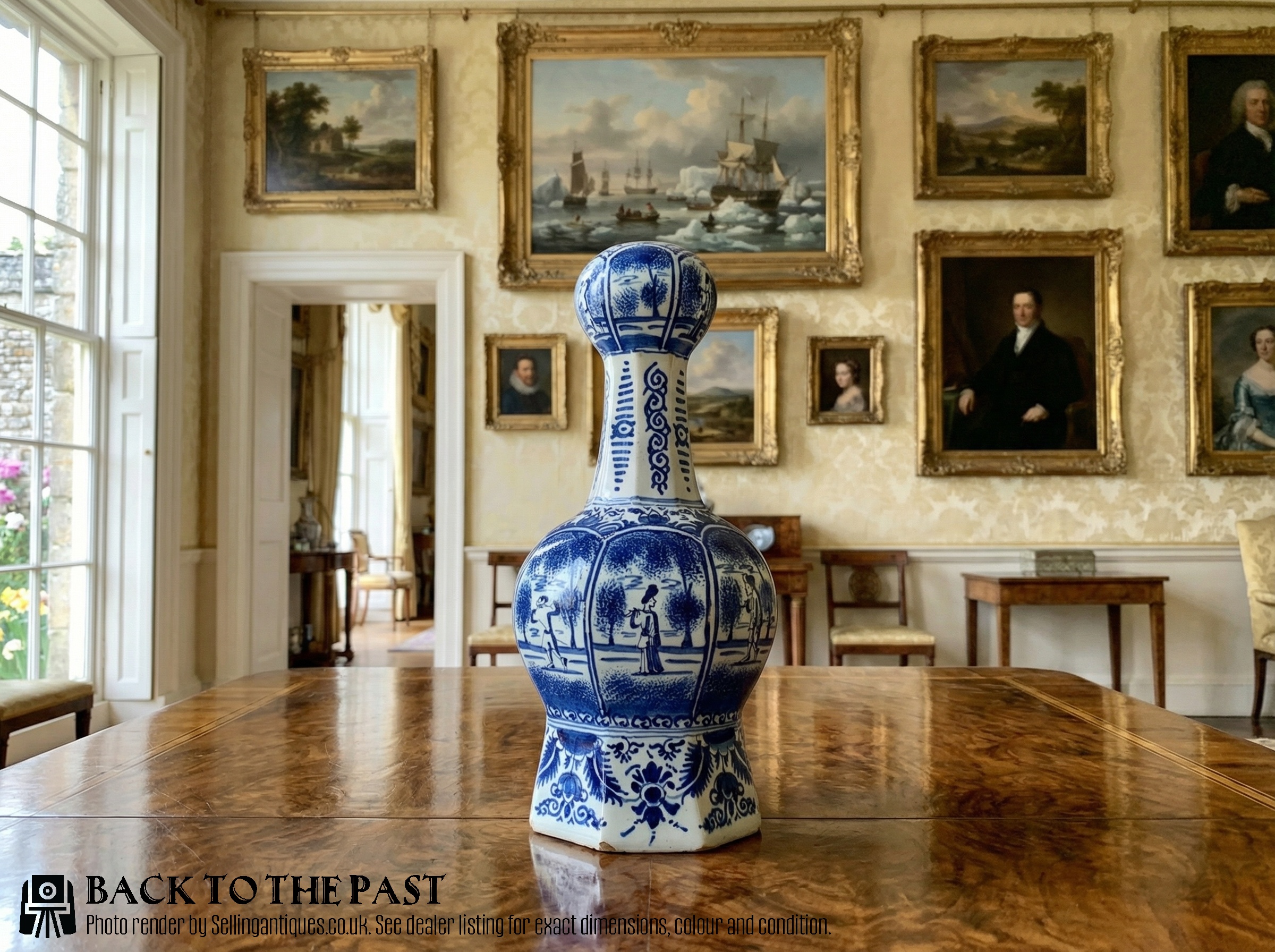
Large Exceptional 17th-century Dutch Delft Chinoiserie Blue & White Faience Vase, 17th Century
Priced at £1,450 from Artsonline
Look at the early development in the sixteenth century when Italian potters brought tin-glazing techniques north to Antwerp.
A sudden surge in regional production happened during the 1600s.
Dutch merchants imported Chinese porcelain, prompting local workshops to create cheaper earthenware alternatives in the familiar blue and white style.
Most Antique Delft Vases emerged from the city itself after the brewing industry declined, leaving empty factories for potters.
Samuel van Eenhoorn operated the Greek A factory between 1678 and 1688, producing detailed Chinoiserie designs.
The Metaalpot factory under Lambertus van Eenhoorn from 1691 turned out large ribbed vases with painted scrollwork.
Adriaen Pijnacker managed various workshops in the late seventeenth century, often credited with introducing the Imari colour palette.
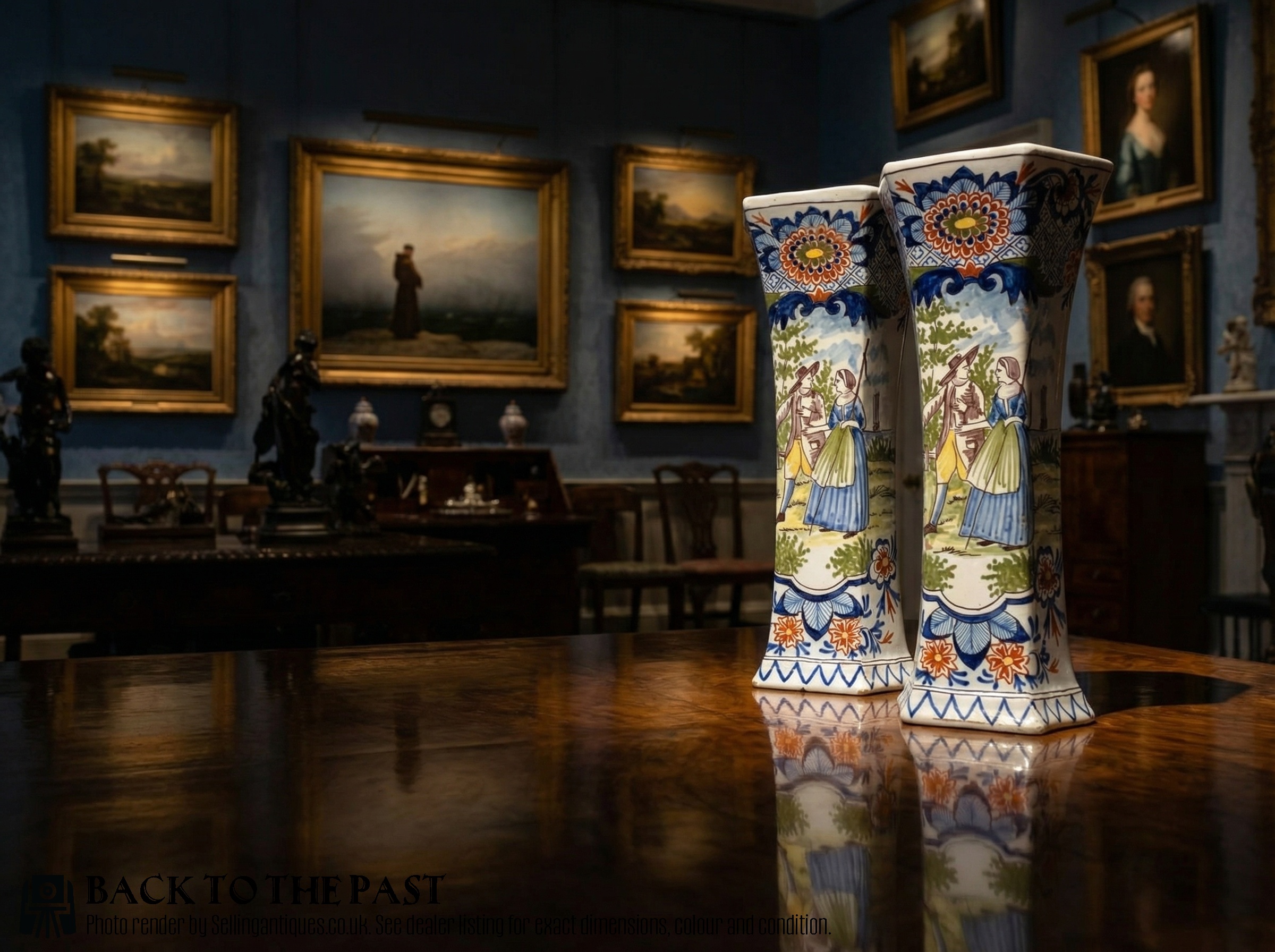
Pair 18th-century Dutch Delft Polychrome Vases 3 Bells Drie Klokken Factory, 18th Century
Priced at £459 from Artsonline
The 2026 retail price guide for Antique Delft Vases is drawn from a proprietary archive of over 1.1 million retail prices indexed by Sellingantiques since 2003. This guide relies exclusively on their own internal data; no external sources or auction records are used.
Analysing nearly 25 years of UK antique market history alongside current retail values, the data indicates that typical UK retail prices for Antique Delft Vases range between £300 and £1,700. Entry-level prices generally fall under £300 and premium examples upwards of £1,700.
Ribbed bodies often imitate the segmented shapes of gourds or metalwork.
Check the rims and bases for the painted borders that frame the central landscapes on Antique Delft Vases.
Sets usually feature a central covered jar flanked by pairs of open beakers designed for a chimney breast.
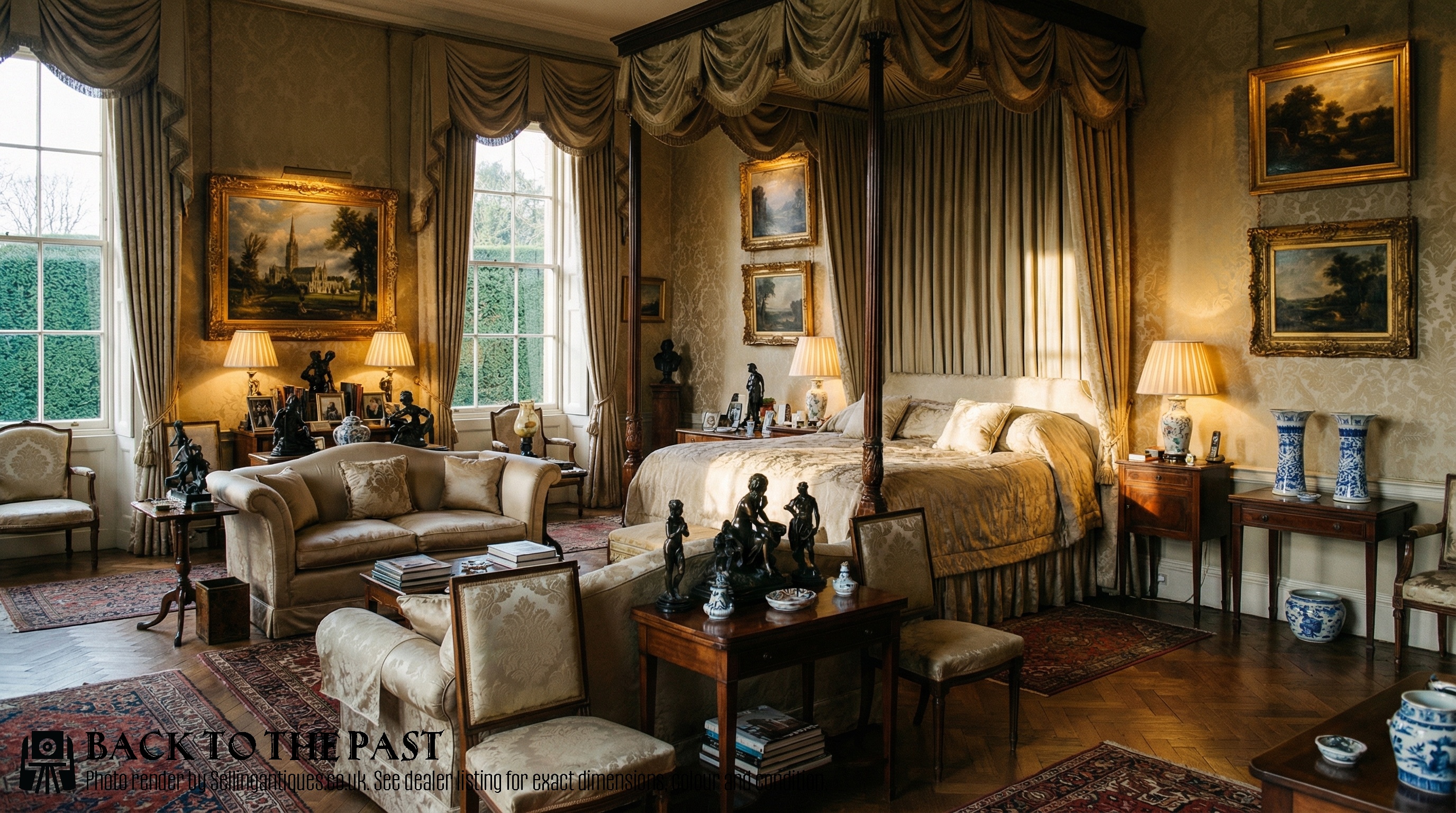
Large Pair Antique Chinoiserie Blue and White Dutch Delft Ribbed Beaker Vases, 1940
Priced at £399 from Artsonline
Throwing the shape on a wheel required steady hands before the leather-hard clay could be trimmed.
Moulds allowed workshops to produce complex octagonal or fluted Antique Delft Vases that a wheel alone could not achieve.
Firing these pieces meant carefully stacking them in wood-fired kilns using saggars to protect the glaze from flying ash.
"Many painters copied prints directly from travel books to create their exotic landscapes."
"They often served as status symbols for wealthy merchants wanting to display their tulips in specially designed spouted vessels."
"The tin-glaze recipe helped waterproof the porous clay while providing a clean canvas for the decorators."
Based on almost 25 years of Sellingantiques UK antique market data, Antique Delft Vases appeared 413 times (out of 1,100,000 antiques) which gives it a rarity score of 92/100.
This score measures scarcity within the Sellingantiques archive only and is not a survey of the entire antiques market, so these statistics may not be indicative of the general availability of Antique Delft Vases elsewhere.
Dust the surface with a soft dry brush. Avoid using water or modern cleaning sprays.
Moisture can seep into any unglazed areas or hairline cracks and damage the clay body. Gentle handling keeps the glaze safe.
You shouldn't fill Antique Delft Vases directly with water. The porous clay will absorb moisture if the internal glaze has degraded over time.
Use a modern plastic or glass liner inside the vessel. This lets you display fresh flowers safely without risking the antique ceramic.
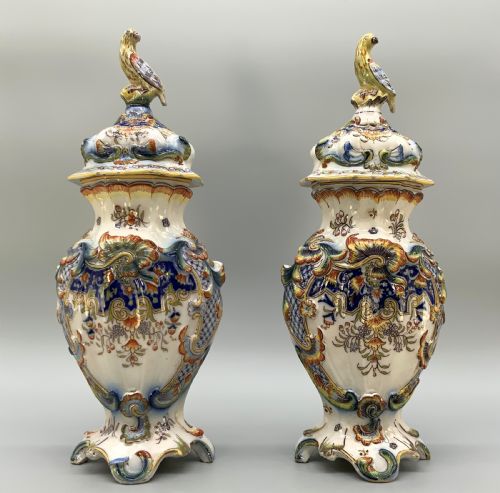
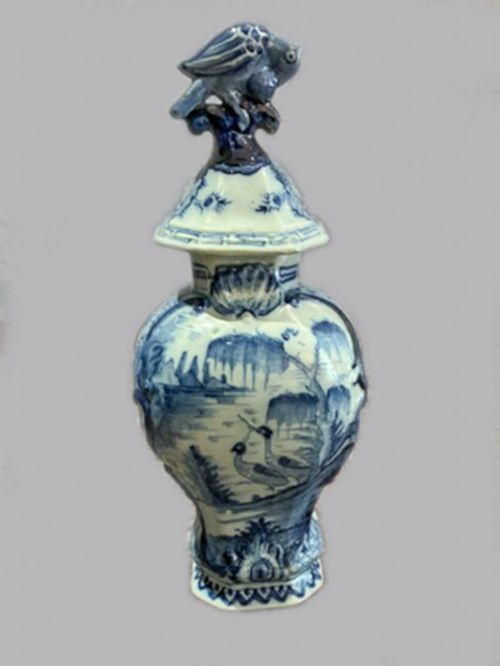
Those covered shapes are part of chimney garnitures. The lids are decorative rather than functional.
They were designed to sit high up on ledges to draw the eye. The animal finials, often shaped like dogs or birds, copy Asian porcelain exports.
You'll rarely find the covers surviving without some restoration. Heavy lids tend to get dropped during cleaning over the centuries.
Many vases were converted into lamp bases during the twentieth century. Electricians drilled through the base to run the wiring up to a bulb fitting at the neck.
It was a popular way to repurpose old ceramics for modern lighting. The drilled hole is a permanent alteration that dealers see quite often.
Please note: This Antique Delft Vases guide and its associated pricing data are provided for general informational purposes only. It does not constitute formal financial, investment, or appraisal advice and should not be relied upon as the sole basis for any commercial activity, purchasing, or sales decisions. Sellingantiques.co.uk accepts no liability for any actions taken in reliance on this information. Always consult with a qualified professional or independent appraiser.
