



A 2026 Guide by Sellingantiques
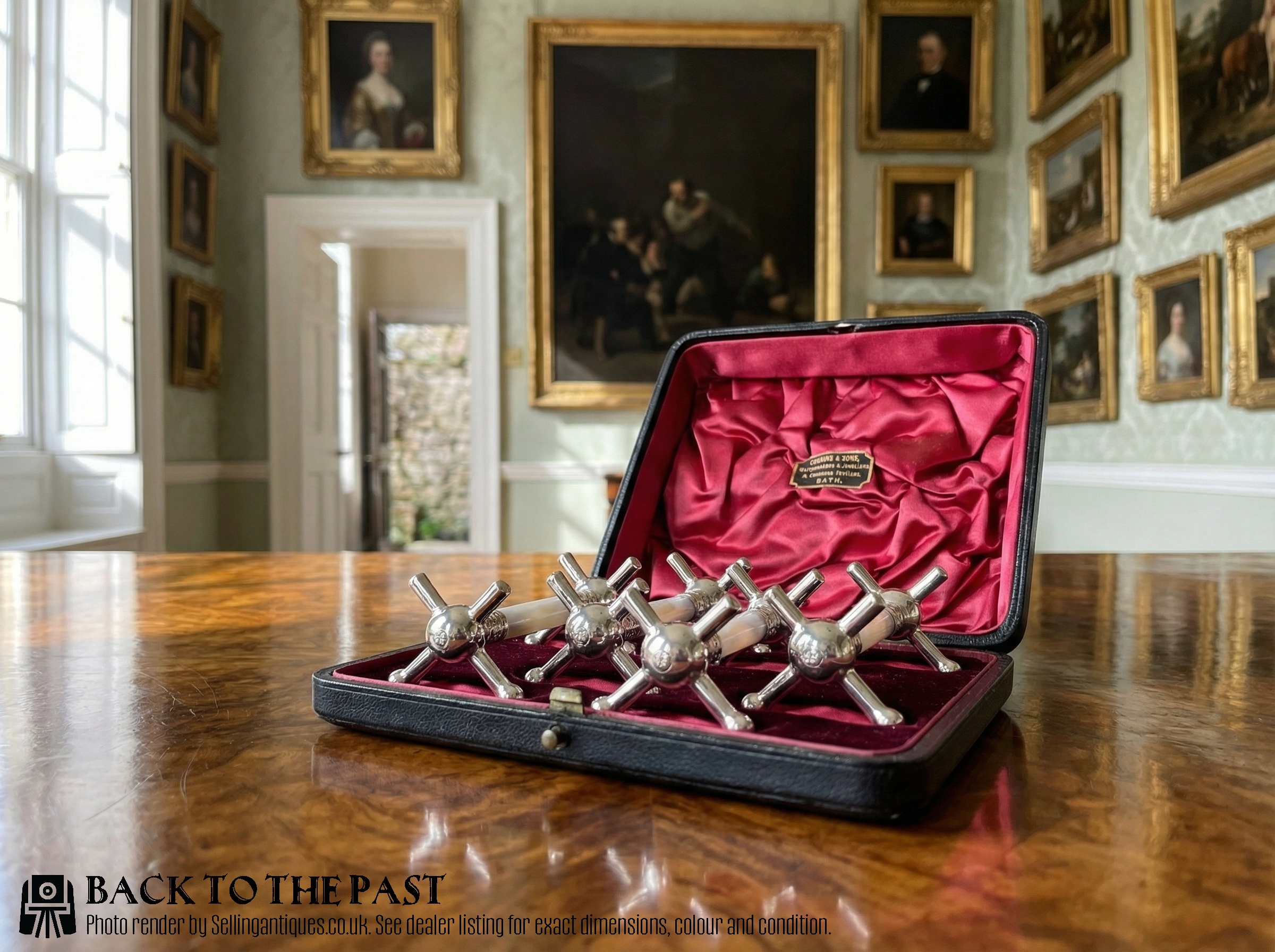
Set of Four Boxed Silver Plate Mother of Pearl Knife Rests C 1900, 1900
Priced at £220 from Pareglio & Ayres Antiques Interiors
Early table knives had pointed tips used to spear food before forks became common.
French dining habits shifted in the seventeenth century, prompting blunt-ended blades on most antique silver knives.
Look for specialised fruit knives that emerged during the Georgian period.
Distinct categories like fish eaters arrived later, appearing as matched sets in Victorian households.
Dessert variants often stayed smaller than the main dinner versions to match smaller plates.
Paul Storr operated in London during the early nineteenth century, producing heavy, elaborate flatware.
Look for marks by George Adams of Chawner & Co, prolific Victorian makers of antique silver knives.
Aaron Hadfield worked in Sheffield around 1815, specialising in silver-handled cutlery with steel blades.
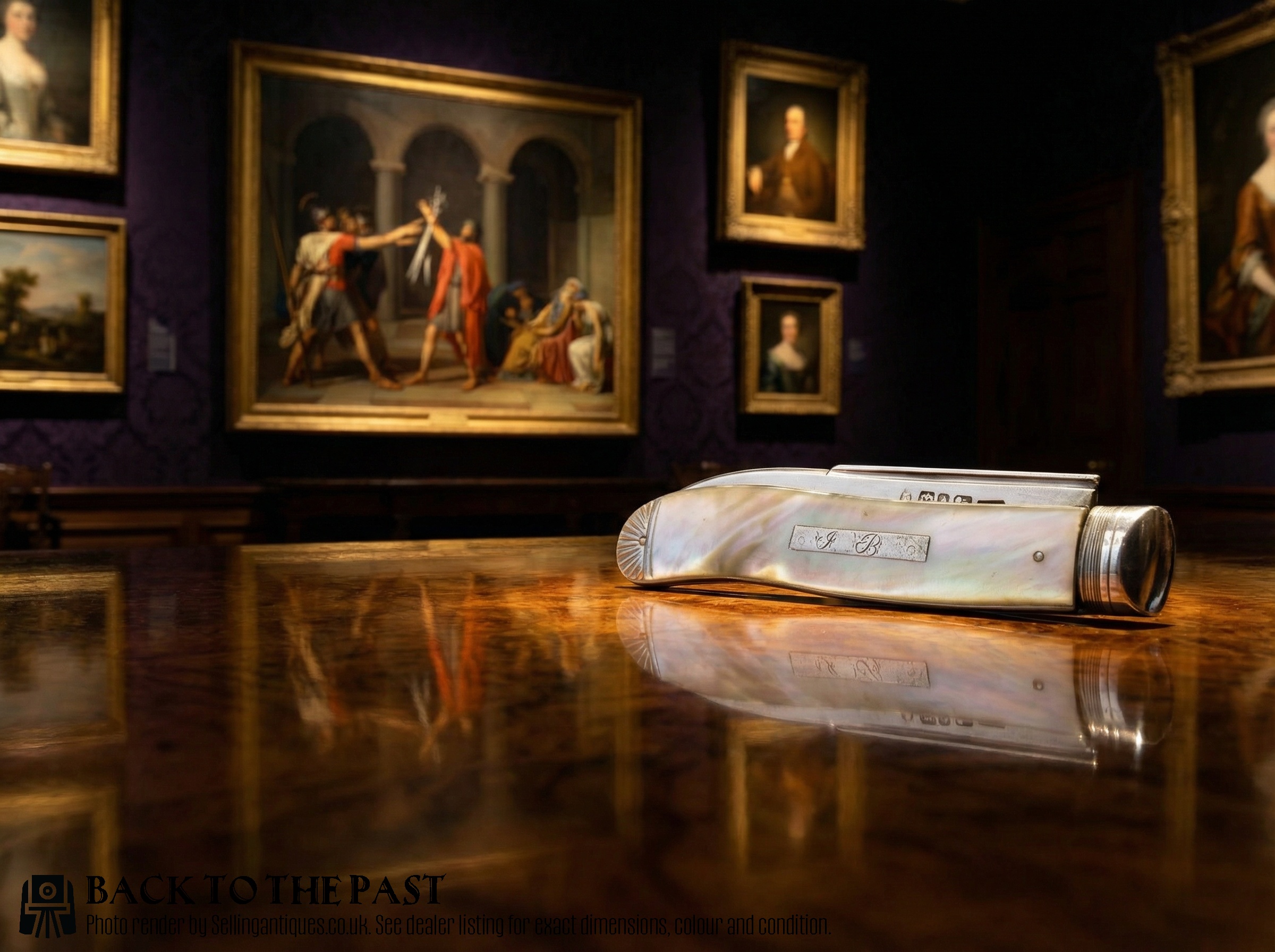
Early Victorian Sterling Silver Fruit Knife 1844 Shefield Antique Briggs?, 1800
Priced at £85 from The Silver Squirrel
The 2026 retail price guide for Antique Silver Knives is drawn from a proprietary archive of over 1.1 million retail prices indexed by Sellingantiques since 2003. This guide relies exclusively on their own internal data; no external sources or auction records are used.
Analysing nearly 25 years of UK antique market history alongside current retail values, the data indicates that typical UK retail prices for Antique Silver Knives range between £100 and £600. Entry-level prices generally fall under £100 and premium examples upwards of £600.
Patterns stamped onto the handles range from plain Old English to elaborate King's pattern.
Notice the hallmarks struck near the bolster, indicating the assay office and date letter.
Scimitar blades curve upwards slightly, a shape frequently seen on early nineteenth-century table knives.
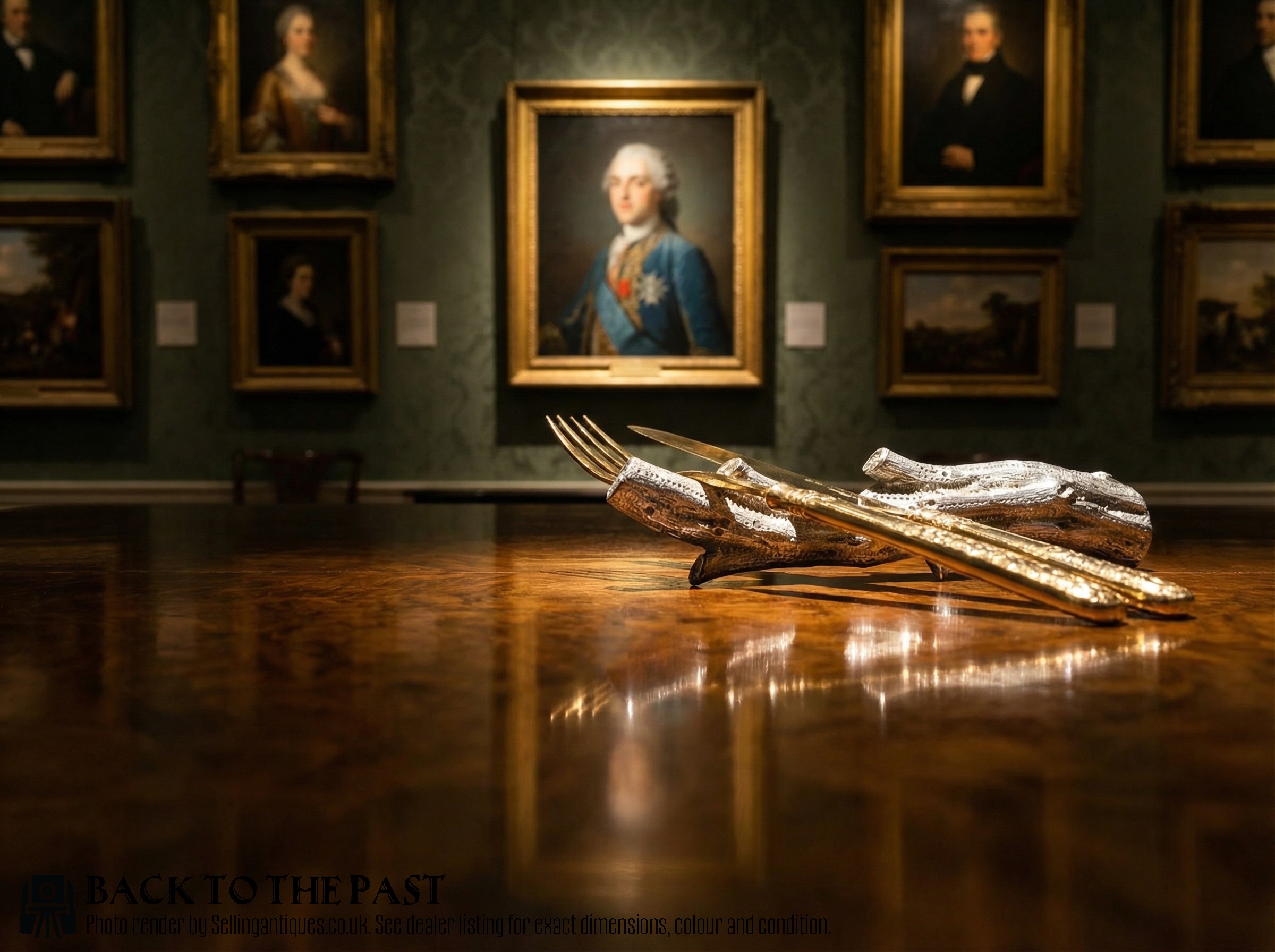
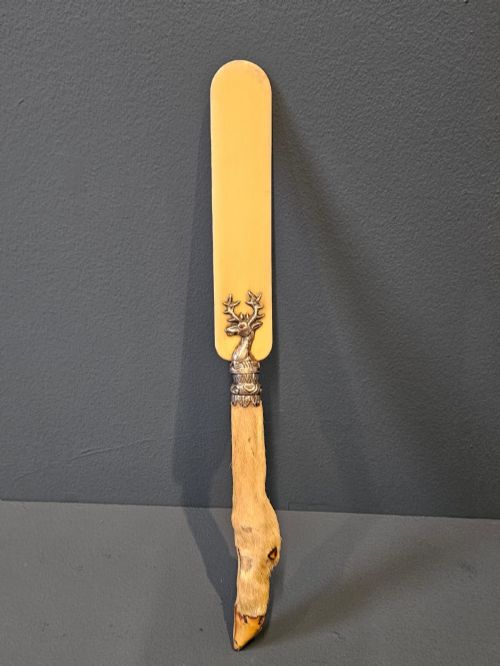
Antique Victorian Solid Silver Naturalistic Cutlery Rests/holders - Edinburgh 19th C., Victorian
Priced at £650 from Artisan Antiques
Older handles were cast in two halves, then soldered together invisibly along the side seams.
Examine the pitch filling inside hollow handles, poured hot to secure the blade tang firmly.
Stainless steel replacement blades often suggest a mid-twentieth century repair to an older handle.
"Solid silver blades were made specifically for fruit, as acidic juices tarnished normal steel."
"Turn over a dessert knife to find crests engraved on the reverse for specific family commissions."
"Travelling sets sometimes included folding variants with spring mechanisms for dining away from home."
Based on almost 25 years of Sellingantiques UK antique market data, Antique Silver Knives appeared 1656 times (out of 1,100,000 antiques) which gives it a rarity score of 72/100.
This score measures scarcity within the Sellingantiques archive only and is not a survey of the entire antiques market, so these statistics may not be indicative of the general availability of Antique Silver Knives elsewhere.
The high heat inside a dishwasher will melt the pitch used to secure the blades in antique silver knives. Once the pitch softens, the blades loosen and eventually fall out.
The harsh detergents also cause heavy wear. They strip the surface layer and can leave deep pits in the silver over time. Hand washing in warm soapy water remains the best method.
Those carbon steel blades rust easily if put away damp. Surface rust often responds well to a light rub with fine wire wool and a drop of light oil.
If the staining is deep, a professional cutler can polish the steel back to a clean finish. Some pitting may remain, but they will be safe for table use again.
Wipe the blades with a dry cloth immediately after washing to prevent the rust returning. A thin smear of mineral oil protects them during long storage.
Fish knives feature a broad blade with a curved point. This shape lifts the meat away from the bones.
The edge stays blunt because cooked fish needs no heavy cutting.
Continuous handling over many decades rubs away the raised details on silver. The hallmarks sit on the outer curve of the handle where fingers naturally grip during meals.
Frequent polishing with abrasive pastes also flattens the struck marks. Generations of staff scrubbing the handles to keep them bright slowly erased the shallow impressions.
This wear tells the story of the set's use. It happens frequently on table services that saw daily action rather than sitting in a display cabinet.
Please note: This Antique Silver Knives guide and its associated pricing data are provided for general informational purposes only. It does not constitute formal financial, investment, or appraisal advice and should not be relied upon as the sole basis for any commercial activity, purchasing, or sales decisions. Sellingantiques.co.uk accepts no liability for any actions taken in reliance on this information. Always consult with a qualified professional or independent appraiser.
