



A 2026 Guide by Sellingantiques
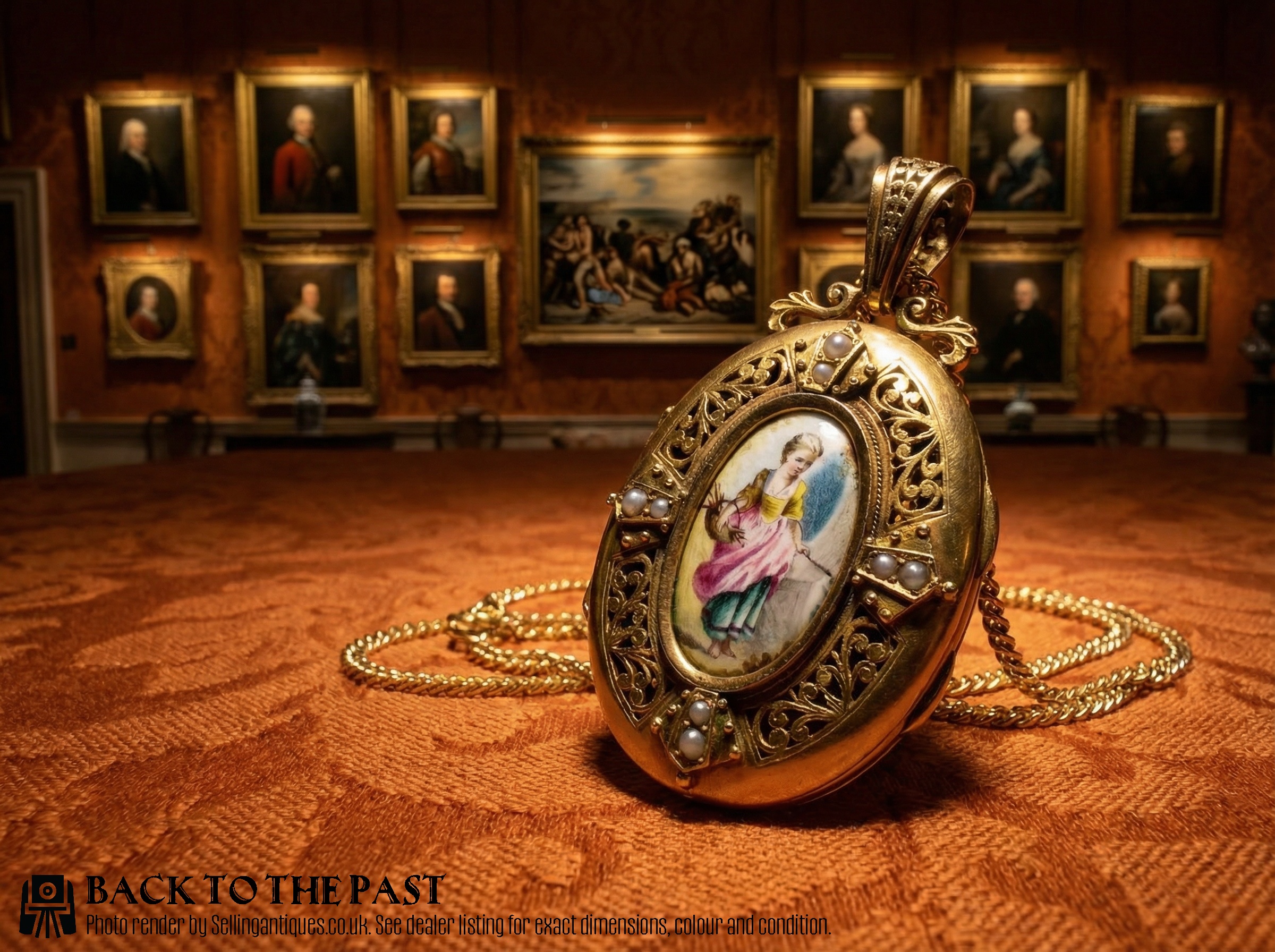
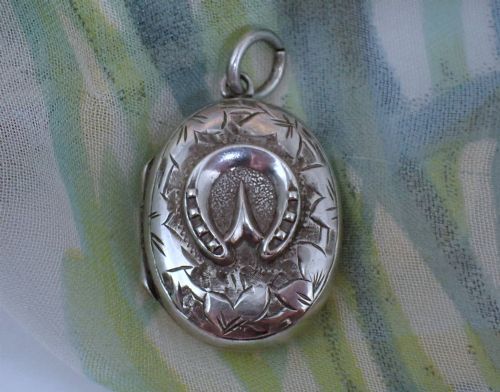
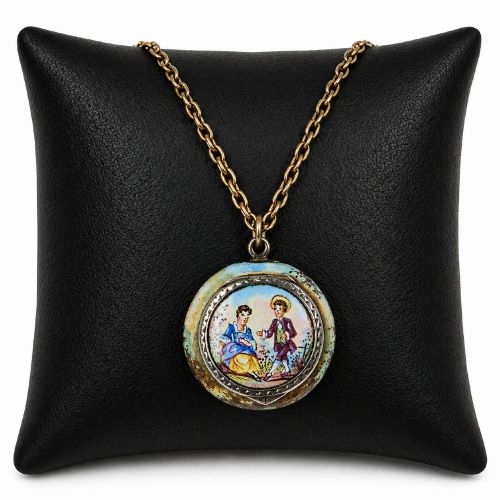
Fine French Victorian 18ct Gold, Painted Minature Pendant Locket 1860, 1860
Priced at £1,800 from Touch of Time Antiques
Victorian mourning culture drove strong demand for antique lockets across the nineteenth century.
Keeping woven hair inside jewellery was standard practice long before photography existed.
Heavy dark enamel often appears on pieces dating from the 1860s.
Sweetheart designs saw regular use during wartime as parting gifts for deployed soldiers.
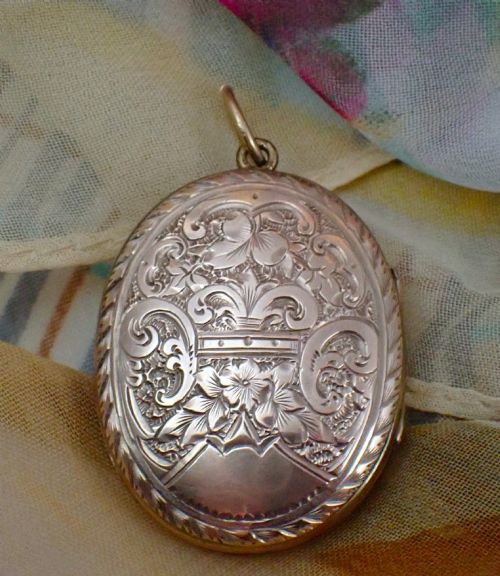
Turn the piece over to check for engraved dates or initials on the reverse.
Murrle Bennett produced silver and enamel lockets for the British market during the early twentieth century.
Watch for the Sydenham Brothers mark on late Victorian gold examples.
Continental workshops supplied large numbers of unmarked pieces to London retailers.
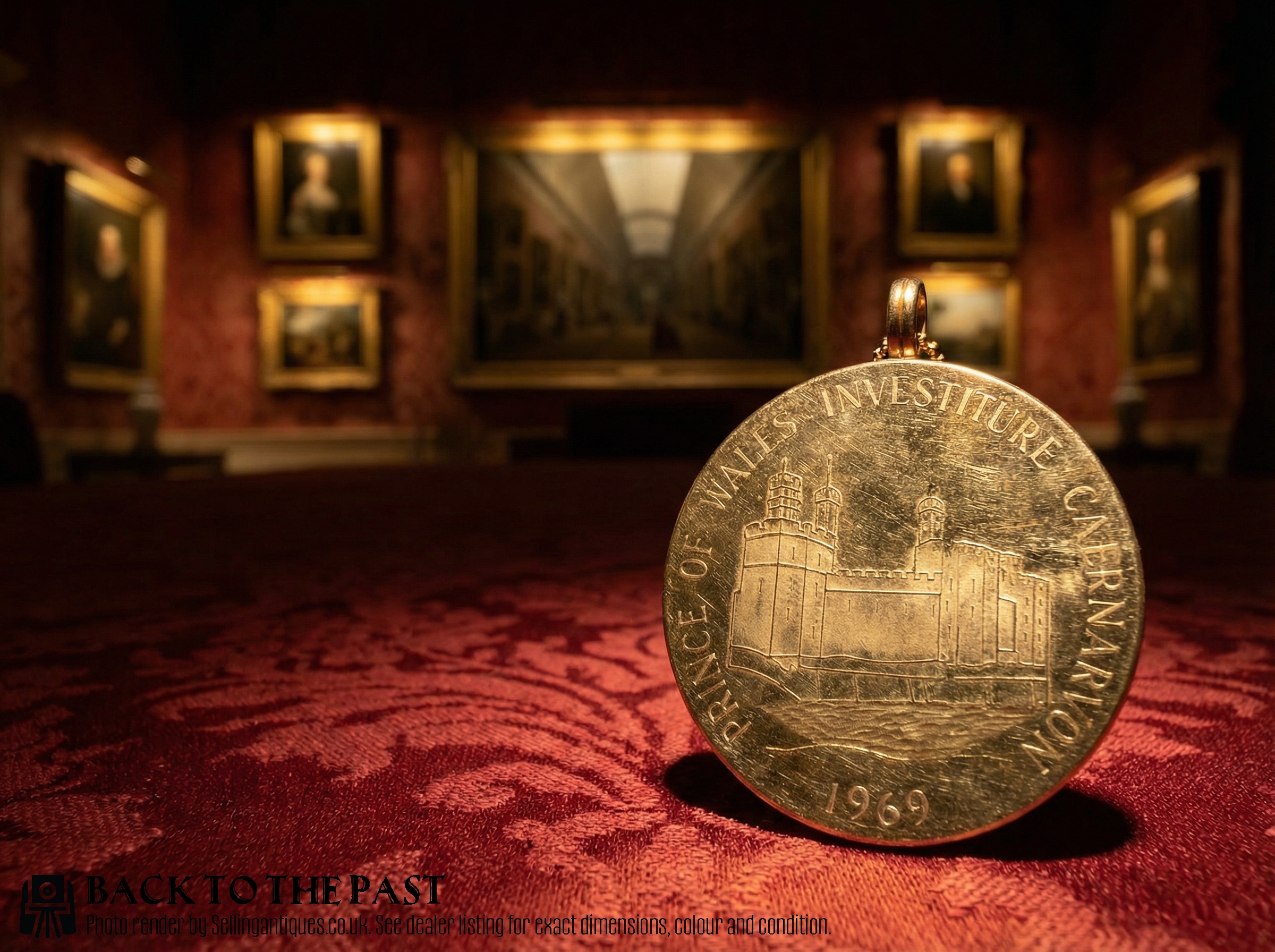
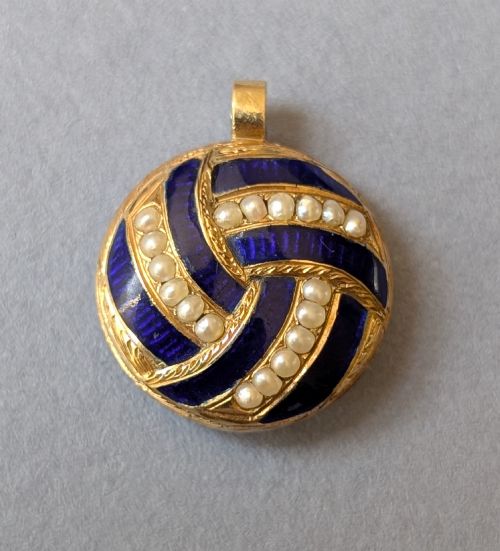
Large 9ct Gold Investiture of Prince of Wales Locket with Welsh Dragon & Caernarfon Castle, 1960
Priced at £695 from Abersoch Antiques
The 2026 retail price guide for Antique Lockets is drawn from a proprietary archive of over 1.1 million retail prices indexed by Sellingantiques since 2003. This guide relies exclusively on their own internal data; no external sources or auction records are used.
Analysing nearly 25 years of UK antique market history alongside current retail values, the data indicates that typical UK retail prices for Antique Lockets range between £200 and £1,500. Entry-level prices generally fall under £200 and premium examples upwards of £1,500.
A concealed hinge mechanism sits on one side to allow the front cover to swing open.
Most antique lockets retain a small metal rim inside to secure the contents against a flat backing.
Heavy suspension loops attach to the top edge for threading a chain or velvet ribbon.
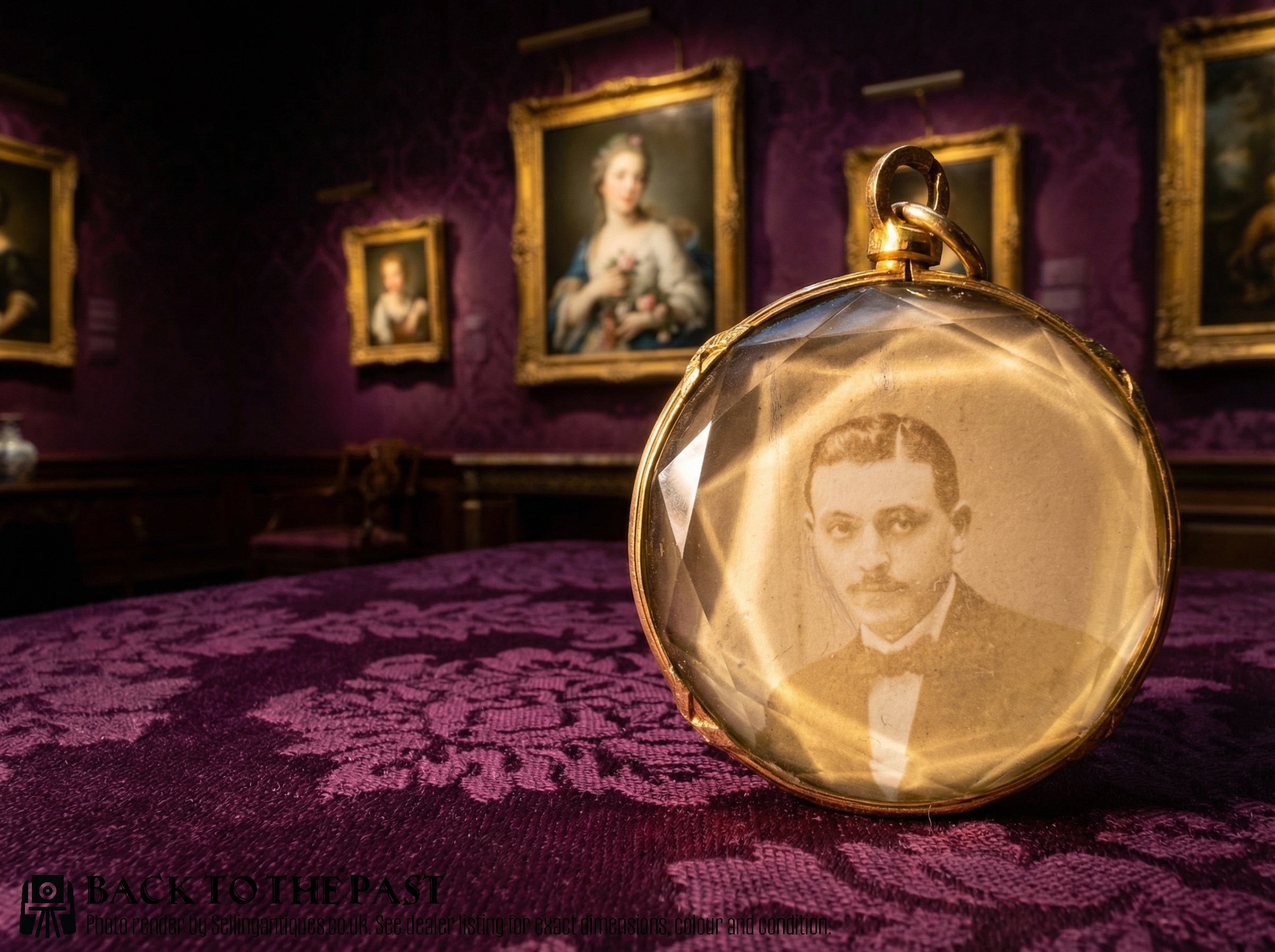
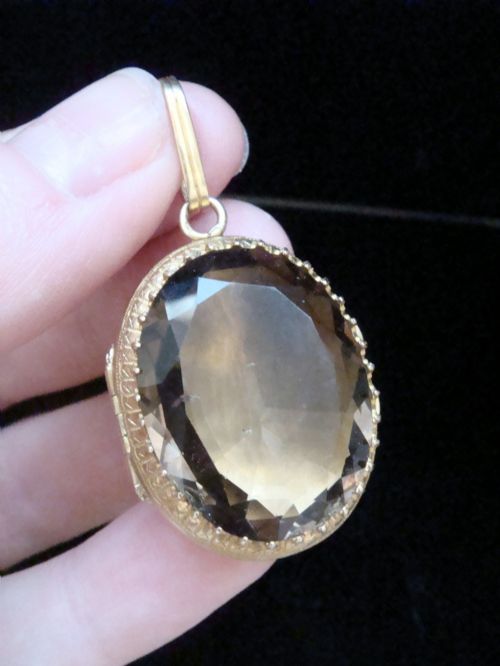
Antique French 18k Yellow Gold Faceted Glass Photo Pendant Locket, 1890
Priced at £1,250 from ShinyPrettyThings Ltd
Early gold examples were hammered out from sheet metal by hand over shaped wooden blocks.
Machine stamping took over in Birmingham during the 1880s to press out identical front and back panels.
Inspect the hinge. Hand-drawn wire pins were fed through individually filed knuckles on older pieces.
"Many survived as family heirlooms tucked safely inside jewel boxes rather than being worn daily."
"The surviving internal glass panels were often shaped and bevelled by hand to fit individual cases."
"Original woven hair arrangements remain stable and retain their colour well over a century later."
Based on almost 25 years of Sellingantiques UK antique market data, Antique Lockets appeared 1883 times (out of 1,100,000 antiques) which gives it a rarity score of 69/100.
This score measures scarcity within the Sellingantiques archive only and is not a survey of the entire antiques market, so these statistics may not be indicative of the general availability of Antique Lockets elsewhere.
You'll need a stout pin or a fine jeweller's screwdriver. There's usually a tiny notch in the internal bezel ring.
Lever the tip gently into that notch and ease the ring upward. The glass sits loosely underneath this metal retaining rim.
Most dealers suggest leaving original hairwork just as you found it. That woven hair forms part of the specific social history of the piece.
If you try to clean inside the compartment, you risk dampening the hair. Moisture causes historic hair arrangements to expand and warp.
That stamp indicates a specific construction method often used in the late nineteenth and early twentieth centuries. The flat front and back plates are formed from solid gold, but the concealed hinges and internal frames are base metal.
This technique was a common trade practice in large Birmingham workshops. The base metal core adds structural rigidity while keeping the overall weight down for the wearer.
A jeweller can usually adjust the snap closure.
Sometimes the metal edge just needs a fractional bend inward to restore the friction catch. It's a quick repair at the bench.
Please note: This Antique Lockets guide and its associated pricing data are provided for general informational purposes only. It does not constitute formal financial, investment, or appraisal advice and should not be relied upon as the sole basis for any commercial activity, purchasing, or sales decisions. Sellingantiques.co.uk accepts no liability for any actions taken in reliance on this information. Always consult with a qualified professional or independent appraiser.
