

A 2026 Guide by Sellingantiques
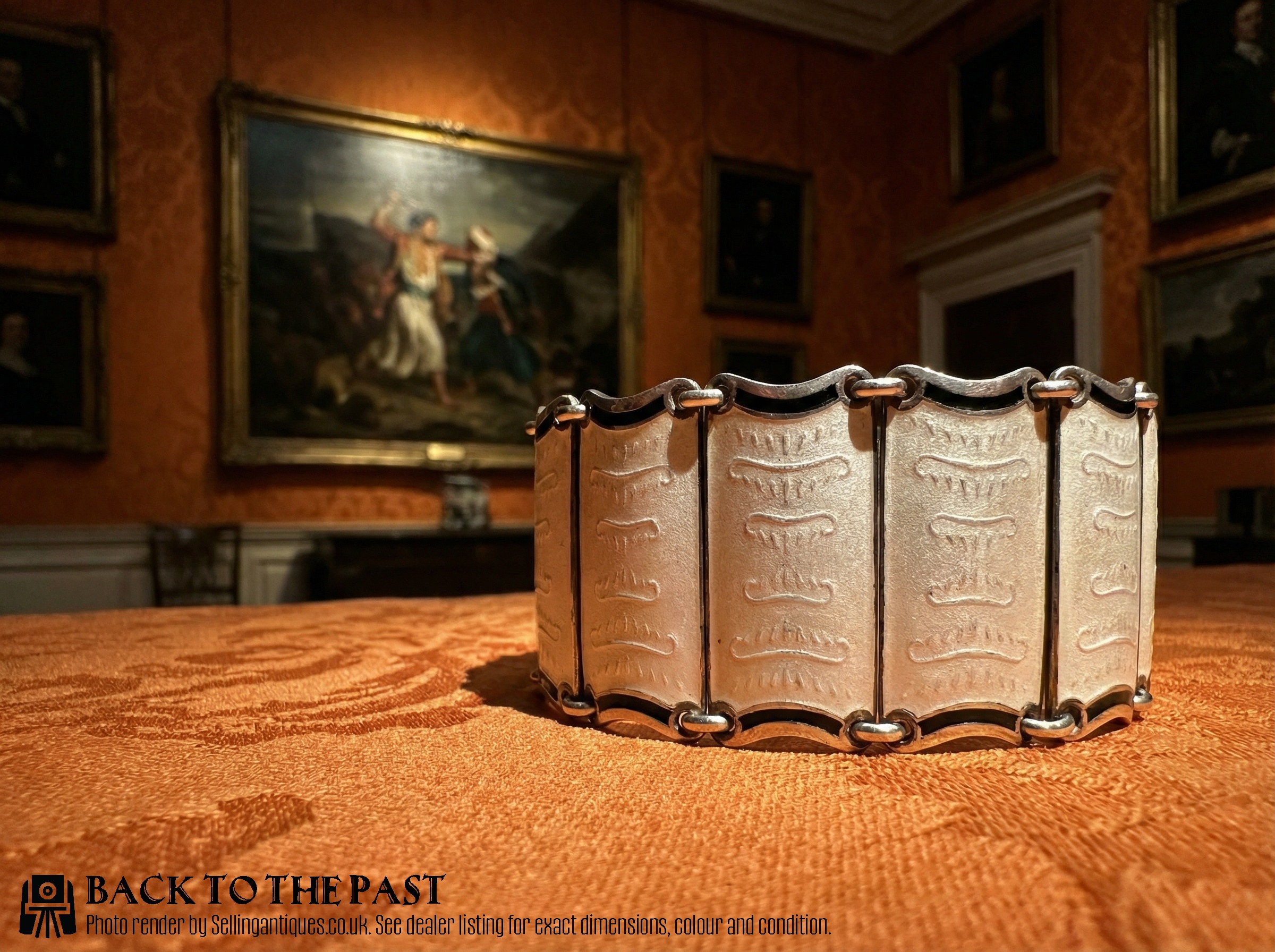
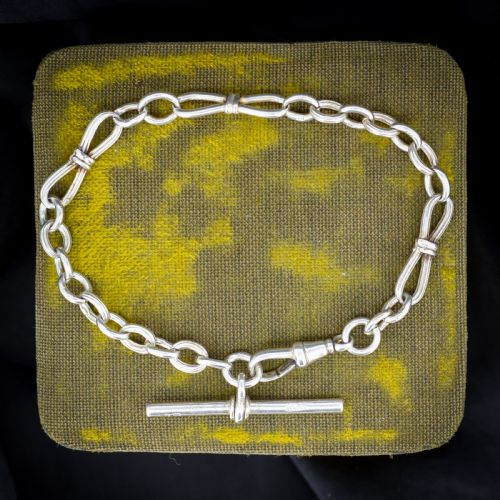
A Stylish Norwegian Silver & Enamel Bracelet, 1950
Priced at £275 from Andrew Cox Antiques
Georgian examples often survived because families passed them down directly.
Mourning bands gained significant traction across society after the passing of Prince Albert.
Check the clasp styles on antique bracelets to trace changing social habits across the nineteenth century.
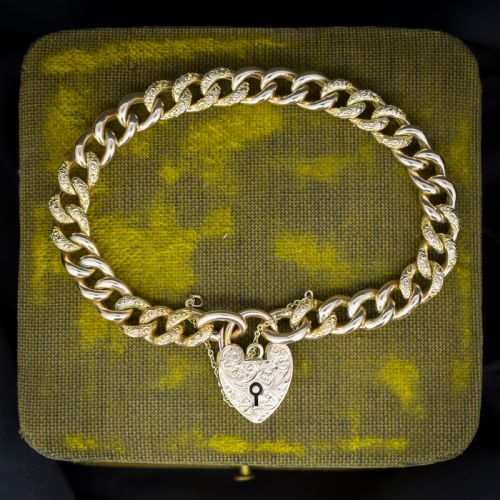
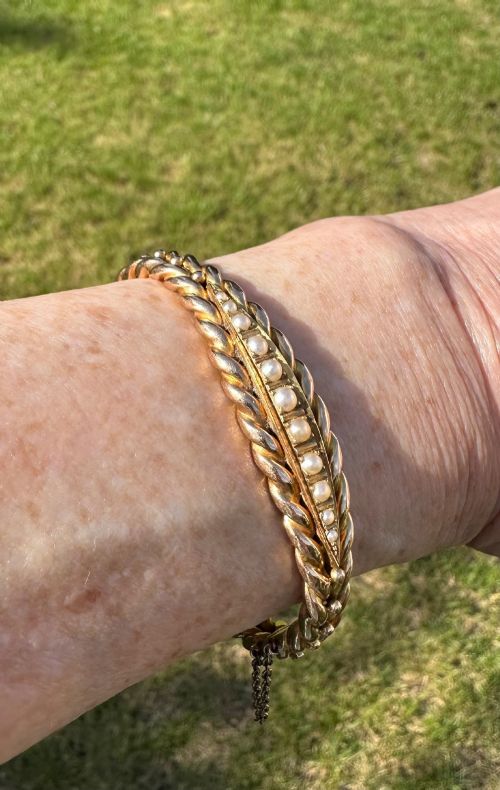
Heavy articulated straps built for daytime wear rather than evening dress.
They're sometimes found with replaced catch mechanisms from later decades.
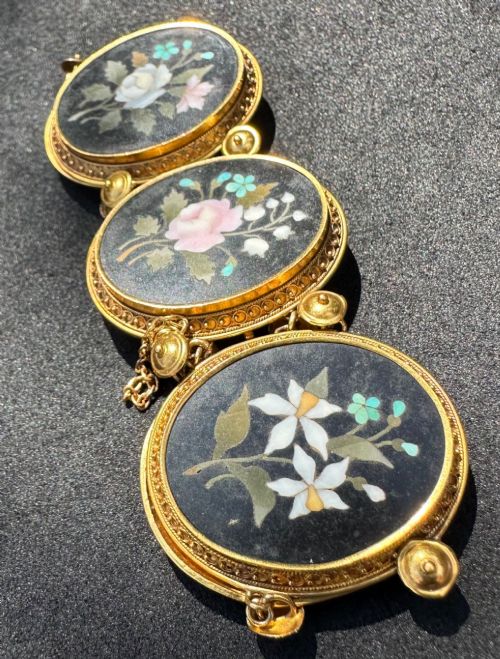
Castellani worked out of Rome in the mid-nineteenth century, reviving Etruscan granulation techniques in their heavy gold bands.
Carlo Giuliano set up in London and produced detailed enamel hinge bracelets for the late Victorian retail trade.
Many antique bracelets carry no marks at all, originating instead from anonymous provincial bench workers.
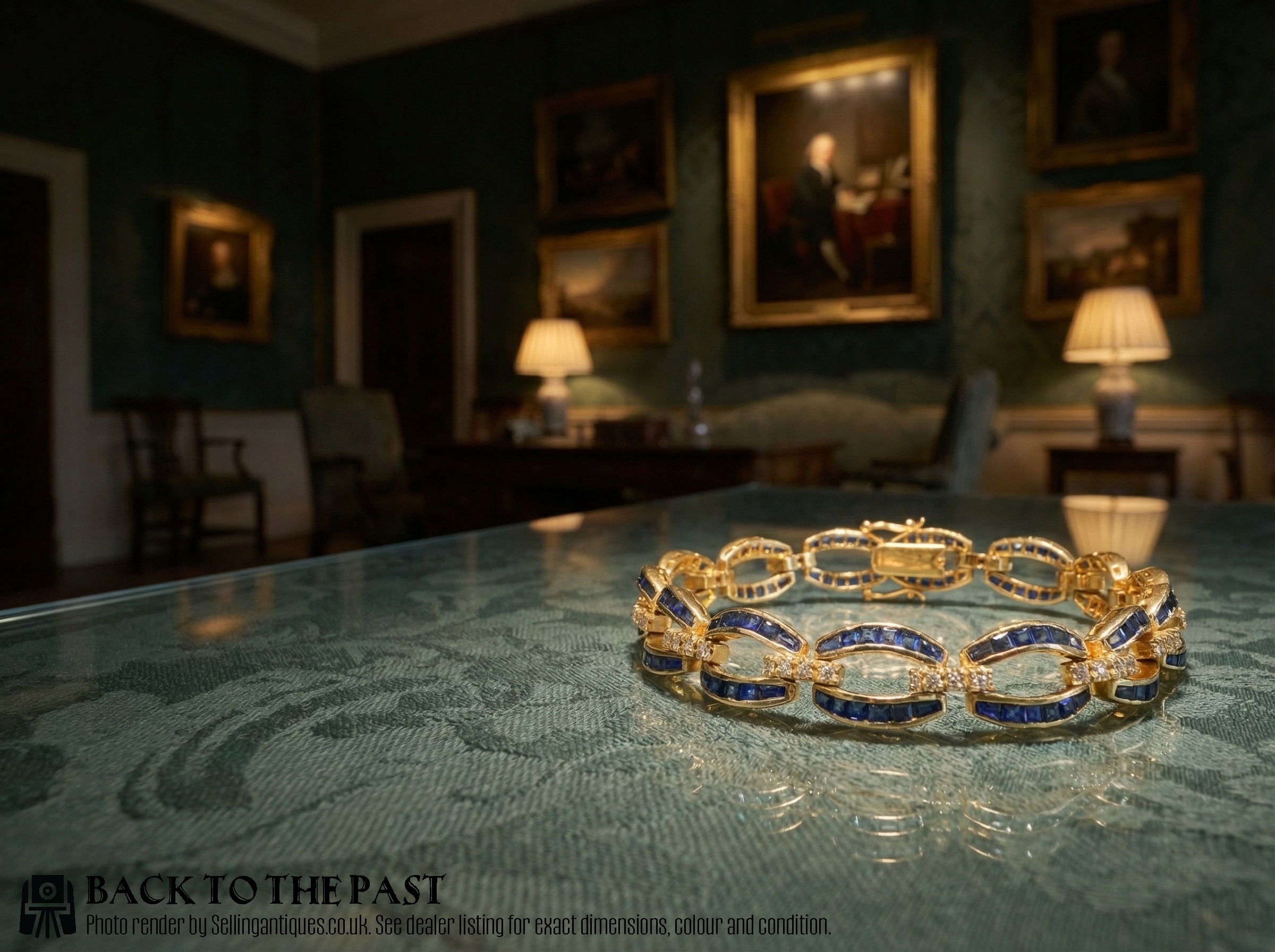
Vintage 9.30 Carat Natural Sapphire & Diamond Bracelet, Circa 1960, 1960
Priced at £5,750 from Gatsby Jewellery Ltd
The 2026 retail price guide for Antique Bracelets is drawn from a proprietary archive of over 1.1 million retail prices indexed by Sellingantiques since 2003. This guide relies exclusively on their own internal data; no external sources or auction records are used.
Analysing nearly 25 years of UK antique market history alongside current retail values, the data indicates that typical UK retail prices for Antique Bracelets range between £300 and £3,900. Entry-level prices generally fall under £300 and premium examples upwards of £3,900.
Safety chains are a standard addition. They're often soldered on decades after the piece left the workshop.
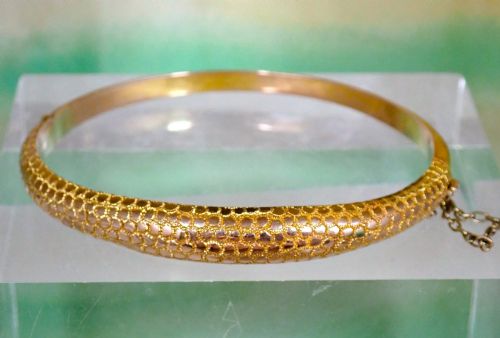
Hidden hinges allowed rigid bangles to sit flush against the skin without breaking the patterned surface.
Notice the detailed engraving covering the outer face of silver crossover bands.
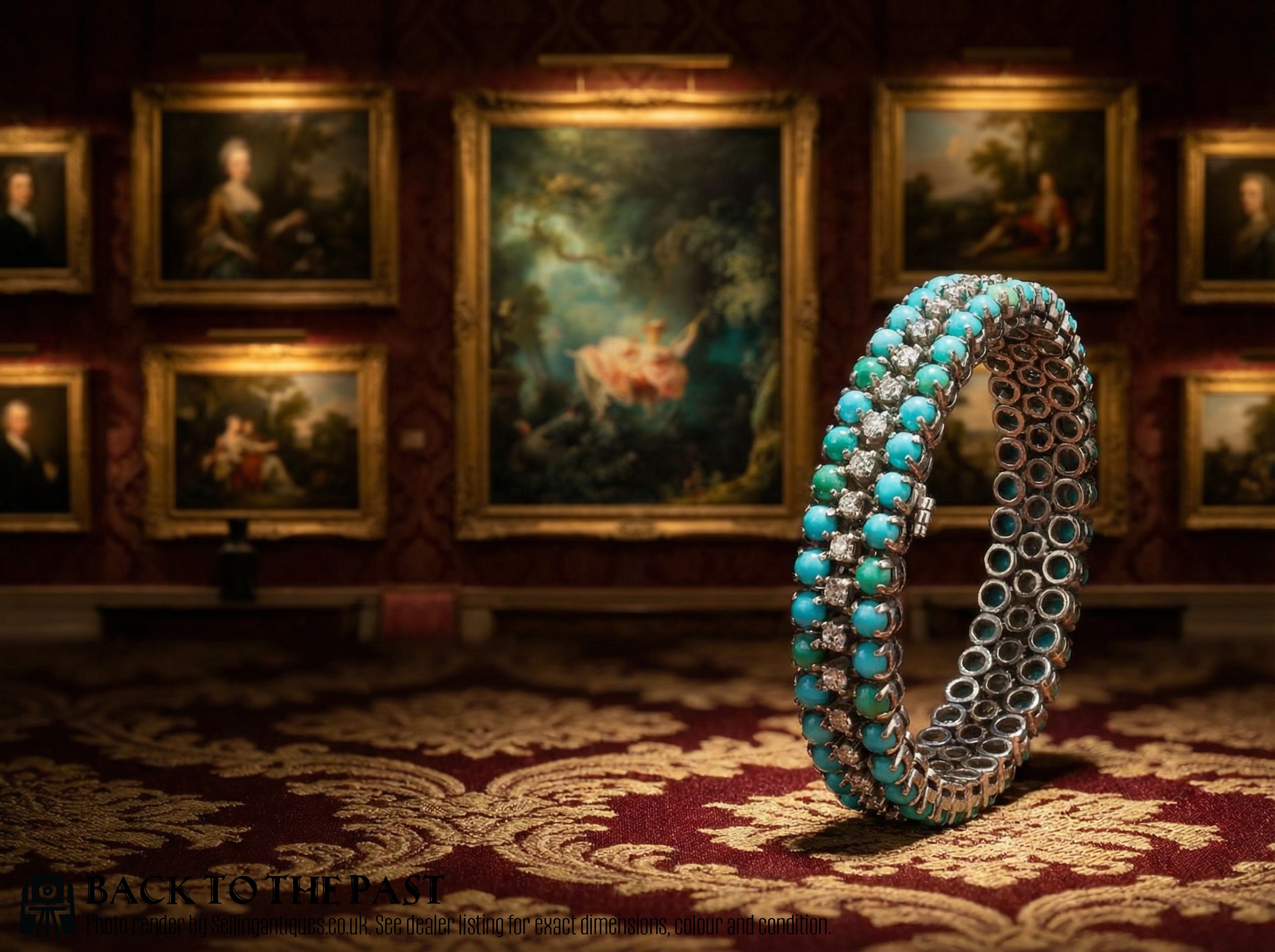
18ct White Gold Turquoise & Diamond Line Bracelet, 1930
Priced at £3,500 from Robert Harris Jewellers
Early bench workers cut complex gemstone settings by hand from solid silver sheet.
Die-stamping transformed the trade. Factories could press thin hollow gold sections rather than casting them solid.
Platinum fabrication eventually allowed finer wirework because the metal held its rigid shape under high tension.
"Many wide Victorian bangles were originally sold in identical pairs to wear symmetrically on both wrists."
"Hidden compartments under central stones sometimes held small perfume sponges instead of mourning portraits."
"Turn the catch over. You'll often find tiny assembly numbers scratched in by the original bench worker."
Based on almost 25 years of Sellingantiques UK antique market data, Antique Bracelets appeared 3499 times (out of 1,100,000 antiques) which gives it a rarity score of 50/100.
This score measures scarcity within the Sellingantiques archive only and is not a survey of the entire antiques market, so these statistics may not be indicative of the general availability of Antique Bracelets elsewhere.
It depends heavily on the era and the gems. Hard stones like diamonds set in platinum handle daily wear well.
Soft stones like opals won't survive constant knocks. Hollow Victorian gold bangles dent easily if you hit them against a desk.
Safety chains act as a weak point designed to break before the main clasp gives way.
Any competent jeweller can solder a new chain loop in minutes.
Jewellers often used a harder, lower-carat gold alloy for the tongue of the clasp. The mechanism needs spring and tension to click securely. High-carat gold is too soft for this job.
The front panels were cast in higher purity gold to provide a richer colour and resist tarnishing. This mismatch is a functional choice rather than a fault.
That sound is usually just a tiny fragment of leftover soldering flux or a piece of core material moving around. When makers formed hollow sections, small bits of the binding wire sometimes broke off inside.
It doesn't affect the structure or stability of the piece. Most hollow antique bracelets have some internal debris from the workshop.
Please note: This Antique Bracelets guide and its associated pricing data are provided for general informational purposes only. It does not constitute formal financial, investment, or appraisal advice and should not be relied upon as the sole basis for any commercial activity, purchasing, or sales decisions. Sellingantiques.co.uk accepts no liability for any actions taken in reliance on this information. Always consult with a qualified professional or independent appraiser.
