
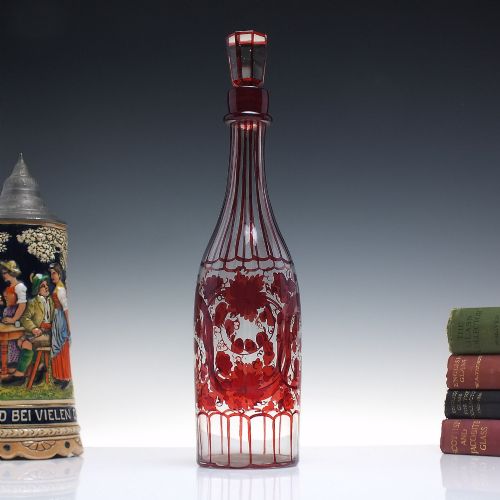


A 2026 Guide by Sellingantiques
Ecclesiastical roots stretching back centuries before domestic use took off.
Look for the Victorian Gothic Revival period, when antique stained glass became a staple for wealthy residential doorways and stairwells.
Leaded panels moved from church settings into civic buildings and grand homes by the late nineteenth century.
William Morris and the Arts and Crafts movement heavily influenced later secular designs.
Shifts in architectural taste post-1930s slowing down the domestic trade for heavy window installations.
John Hardman & Co. produced ecclesiastical windows throughout the nineteenth century, often working closely with architect A.W.N. Pugin.
Research Clayton and Bell, one of the most prolific English firms handling vast commissions for Victorian church restorations.
Charles Eamer Kempe's studio, frequently identified by his small wheatsheaf signature hidden in the borders of later works.
The 2026 retail price guide for Antique Stained Glass is drawn from a proprietary archive of over 1.1 million retail prices indexed by Sellingantiques since 2003. This guide relies exclusively on their own internal data; no external sources or auction records are used.
Analysing nearly 25 years of UK antique market history alongside current retail values, the data indicates that typical UK retail prices for Antique Stained Glass range between £300 and £1,500. Entry-level prices generally fall under £300 and premium examples upwards of £1,500.
Hand-painted details often define the best antique stained glass faces and drapery, fired directly into the surface in a kiln.
Check the texture, as many pieces feature rolled or cathedral glass with an uneven finish to diffuse light.
Thickened glass jewels or roundels, sometimes pressed into flower or geometric shapes to add three-dimensional focal points.
Early medieval makers scored sheets with a hot iron, snapping the edges with a grozing iron to create shapes.
Trace the shift in antique stained glass toward wheel-cut glass, which allowed much tighter curves and complex pictorial scenes.
Enamel painting becoming common in the Renaissance, allowing artists to apply multiple colours to a single pane instead of mosaicking them with lead.
"Small bubbles trapped inside the glass, known as seeds, give the surface a lively texture that catches the light."
"Appreciate the pontil mark, a raised scar on spun glass roundels showing exactly where the glassblower snapped off the iron rod."
"Silver stain reacting differently depending on the heat of the kiln, creating unique shades of gold every single firing."
Based on almost 25 years of Sellingantiques UK antique market data, Antique Stained Glass appeared 1222 times (out of 1,100,000 antiques) which gives it a rarity score of 78/100.
This score measures scarcity within the Sellingantiques archive only and is not a survey of the entire antiques market, so these statistics may not be indicative of the general availability of Antique Stained Glass elsewhere.
Large panels of antique stained glass get heavy fast. The thick glass, milled lead and iron saddle bars all add weight to architectural pieces.
You need solid timber frames to support them properly. Hanging them on thin chains from a curtain rail usually ends with bent cames.
Leaded panels rattle when the original waterproof cement dries out and crumbles away. The lead cames stretch over decades of doors slamming, leaving gaps between the glass and the metal.
It happens to most antique stained glass eventually. A restorer can brush new cementing compound under the flanges to stiffen the whole thing up again.
Yes, but it takes work.
You have to unpick the outer lead border, score and break the glass pieces along the new line, and re-lead the edges. It works best on geometric patterns where you can just remove a repeating border.
Properly fired kiln glass fuses the paint to the surface. Rain won't wash it off.
Some nineteenth-century workshops experimented with cold-painted details or unfired enamels that flake away over time. Once that surface layer breaks down, the detail goes and you just see the ghost of the brushstrokes on the clear glass underneath.
Please note: This Antique Stained Glass guide and its associated pricing data are provided for general informational purposes only. It does not constitute formal financial, investment, or appraisal advice and should not be relied upon as the sole basis for any commercial activity, purchasing, or sales decisions. Sellingantiques.co.uk accepts no liability for any actions taken in reliance on this information. Always consult with a qualified professional or independent appraiser.
