
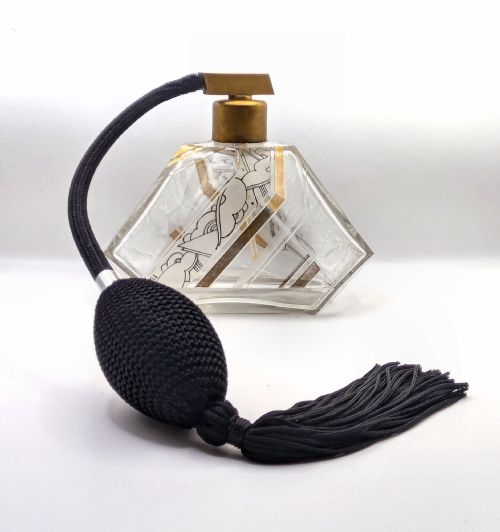


A 2026 Guide by Sellingantiques

Embossed Leather Dome-topped Scent Bottle Casket, 1870
Priced at £675 from Quiet Street Antiques of Bath
Carried long before daily bathing became standard practice. Antique scent bottles masked the harsh realities of urban sanitation.
Notice how eighteenth-century examples often look like miniature flasks. They slipped easily into a waistcoat pocket or small purse.
Victorian mourning etiquette shaped later designs heavily. Darker materials and sombre motifs dominated the trade after Prince Albert died.
Smelling salts required different storage to liquid perfumes. The rise of tight corsetry meant fainting was common, driving demand for sharp ammonia mixtures.
Sampson Mordan & Co for the silver work. Their clear hallmarks turn up on many nineteenth-century mounts and screw caps.
Apsley Pellatt produced cameo incrustations during the Regency period. He trapped small ceramic profiles right inside the thick glass bodies of his vessels.
Look out for Thomas Webb & Sons. This Stourbridge firm layered opaque white glass over coloured grounds before carving away the excess.
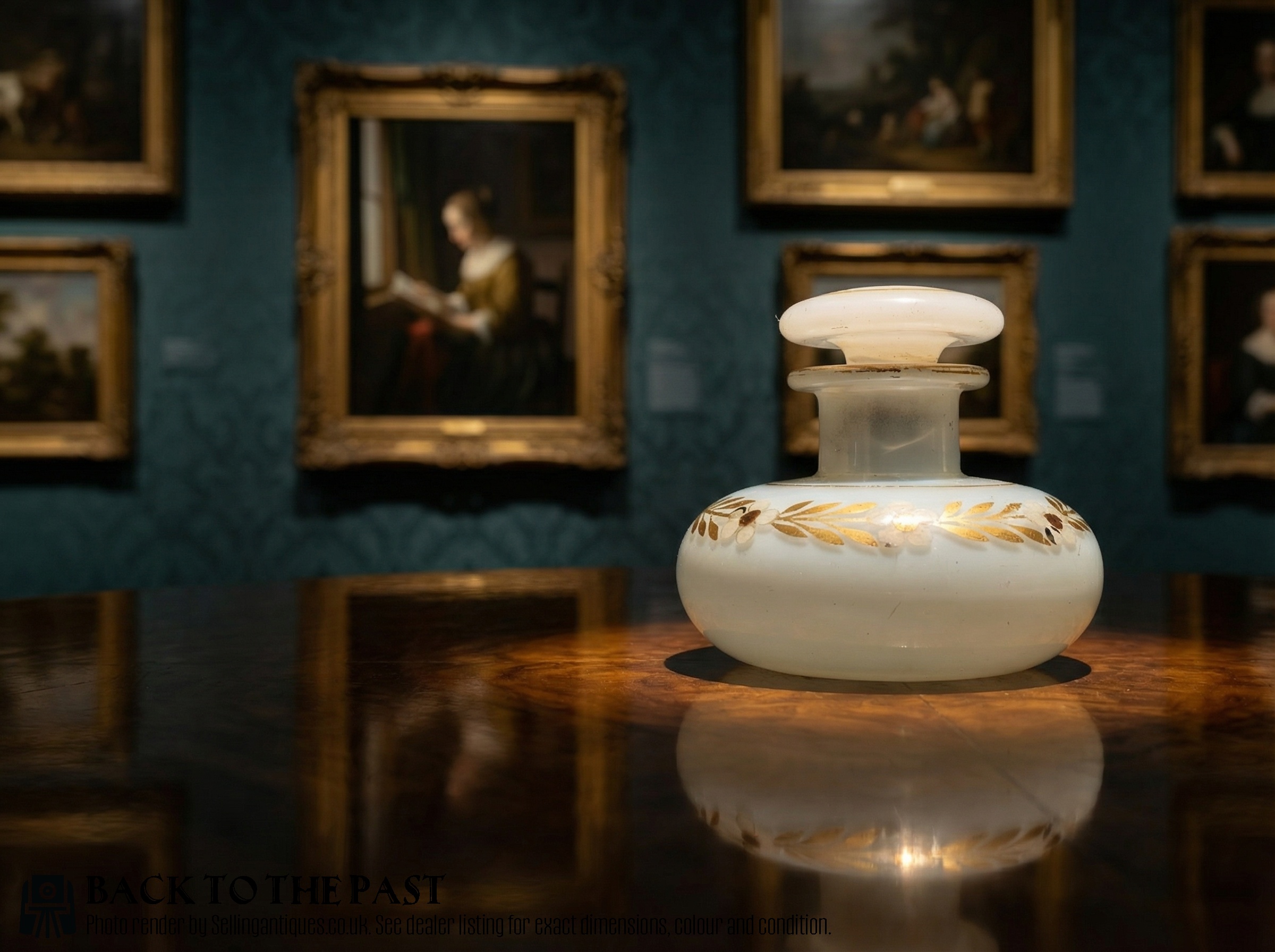
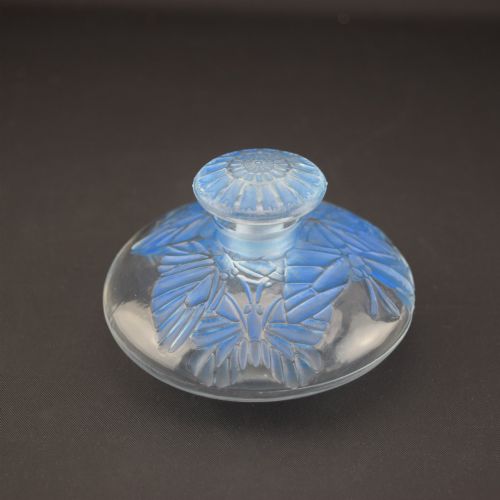
Bohemian Opalescent Glass Perfume Bottle, Victorian
Priced at £90 from TJR Trading
The 2026 retail price guide for Antique Scent Bottles is drawn from a proprietary archive of over 1.1 million retail prices indexed by Sellingantiques since 2003. This guide relies exclusively on their own internal data; no external sources or auction records are used.
Analysing nearly 25 years of UK antique market history alongside current retail values, the data indicates that typical UK retail prices for Antique Scent Bottles range between £200 and £400. Entry-level prices generally fall under £200 and premium examples upwards of £400.
Double-ended forms turn up often. A screw cap at one end for perfume, and a spring-loaded hinged lid opposite for smelling salts.
Check the shoulders. Small metal rings indicate the antique scent bottle was meant to hang from a chatelaine rather than sit on a dressing table.
Friction-fitted ground glass stoppers. The only reliable way to keep volatile liquids sealed inside the neck.
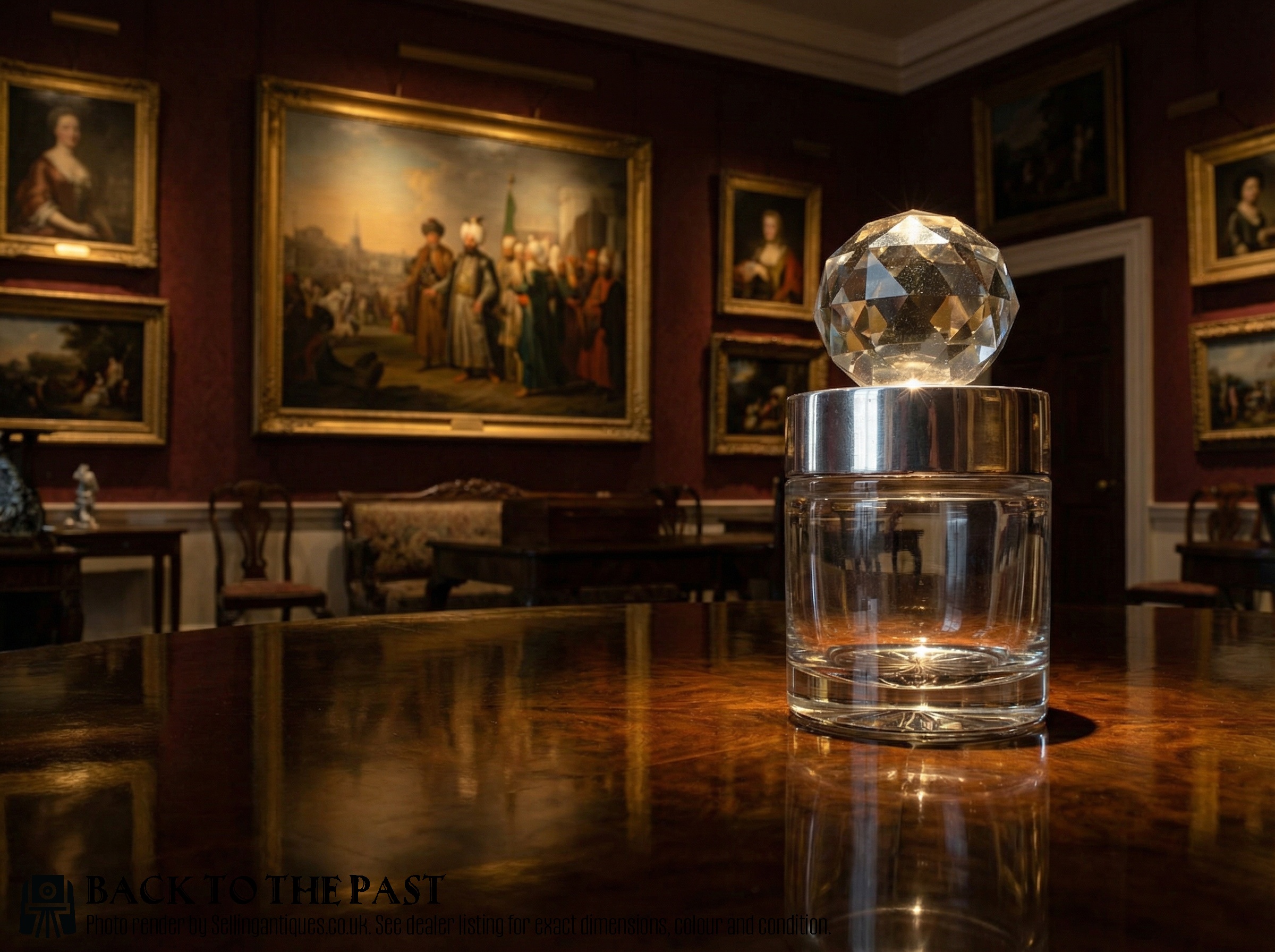
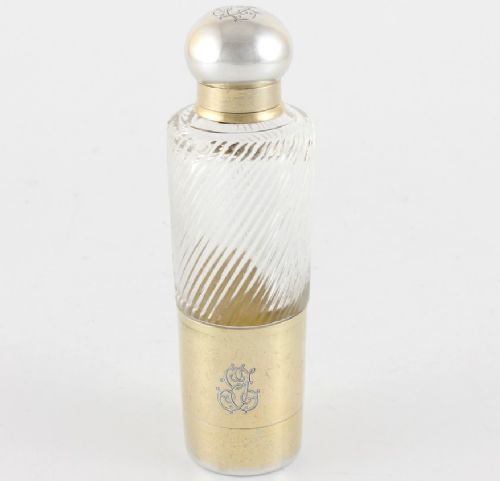
Small Antique Scent Bottle, English, Glass, Silver, Perfume, Hallmark, Victorian, Victorian
Priced at £495 from London Fine Antiques
Early antique scent bottles were free-blown. The slight asymmetry gives away the hand-worked nature.
Base pontil marks show where the glassblower snapped off the iron rod. Better workshops ground this rough scar smooth.
Notice the chased silver mounts. Silversmiths backed the thin metal with pitch to stop it denting inwards while they hammered the surface patterns.
"Novelty shapes galore. Glassmakers formed these vessels into everything from miniature binoculars to tiny horseshoes to delight their customers."
"Turn clear glass bodies around. A few hide tiny painted scenes that only become visible when you look through the thickest part of the base."
"The intricate external metalwork on chatelaine pieces doubled as jewellery, designed to catch the light as the owner walked."
Based on almost 25 years of Sellingantiques UK antique market data, Antique Scent Bottles appeared 5001 times (out of 1,100,000 antiques) which gives it a rarity score of 37/100.
This score measures scarcity within the Sellingantiques archive only and is not a survey of the entire antiques market, so these statistics may not be indicative of the general availability of Antique Scent Bottles elsewhere.
Use warm water and a few drops of mild soap. A gentle swirl often loosens the old residue without needing harsh chemicals that might strip away any internal gilding.
Avoid inserting stiff wire brushes. The glass is often much thinner than it appears, and scraping the inside can leave permanent scratches or break the neck entirely.
Patience is your main tool here. Old perfumes congeal into a hard, sticky resin over the decades, acting like a strong glue between the glass and the metal cap.
Try applying a single drop of penetrating oil to the thread and leaving it for a few days. You can also wrap a warm, damp cloth around the metal cap to soften the dried oils, taking care not to subject cold glass to sudden heat.
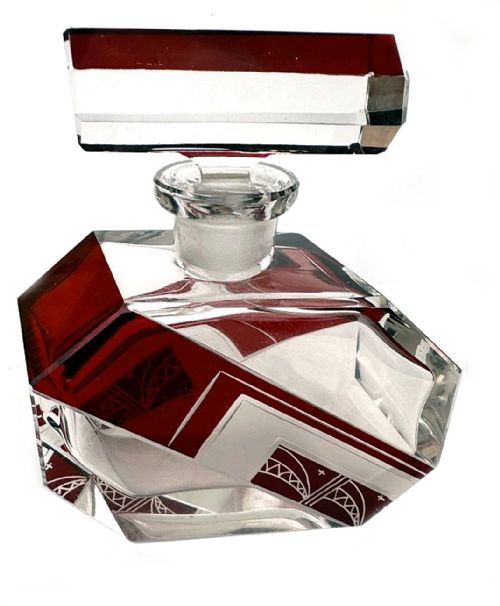
The colour of the glass rarely dictates the contents. Red bohemian glass was simply fashionable during the mid-nineteenth century, chosen for its visual appeal rather than to code a specific fragrance.
Owners filled them with whatever scent they preferred from their local apothecary.
You have a double-ended bottle. The side with the plain glass stopper held liquid perfume, while the end with the pierced grille contained smelling salts or a sponge soaked in aromatic vinegar.
Victorian women carried these when tight corsetry made fainting a frequent hazard. The sharp ammonia scent from the salts provided a quick shock to the system to revive them.
Please note: This Antique Scent Bottles guide and its associated pricing data are provided for general informational purposes only. It does not constitute formal financial, investment, or appraisal advice and should not be relied upon as the sole basis for any commercial activity, purchasing, or sales decisions. Sellingantiques.co.uk accepts no liability for any actions taken in reliance on this information. Always consult with a qualified professional or independent appraiser.
