


A 2026 Guide by Sellingantiques
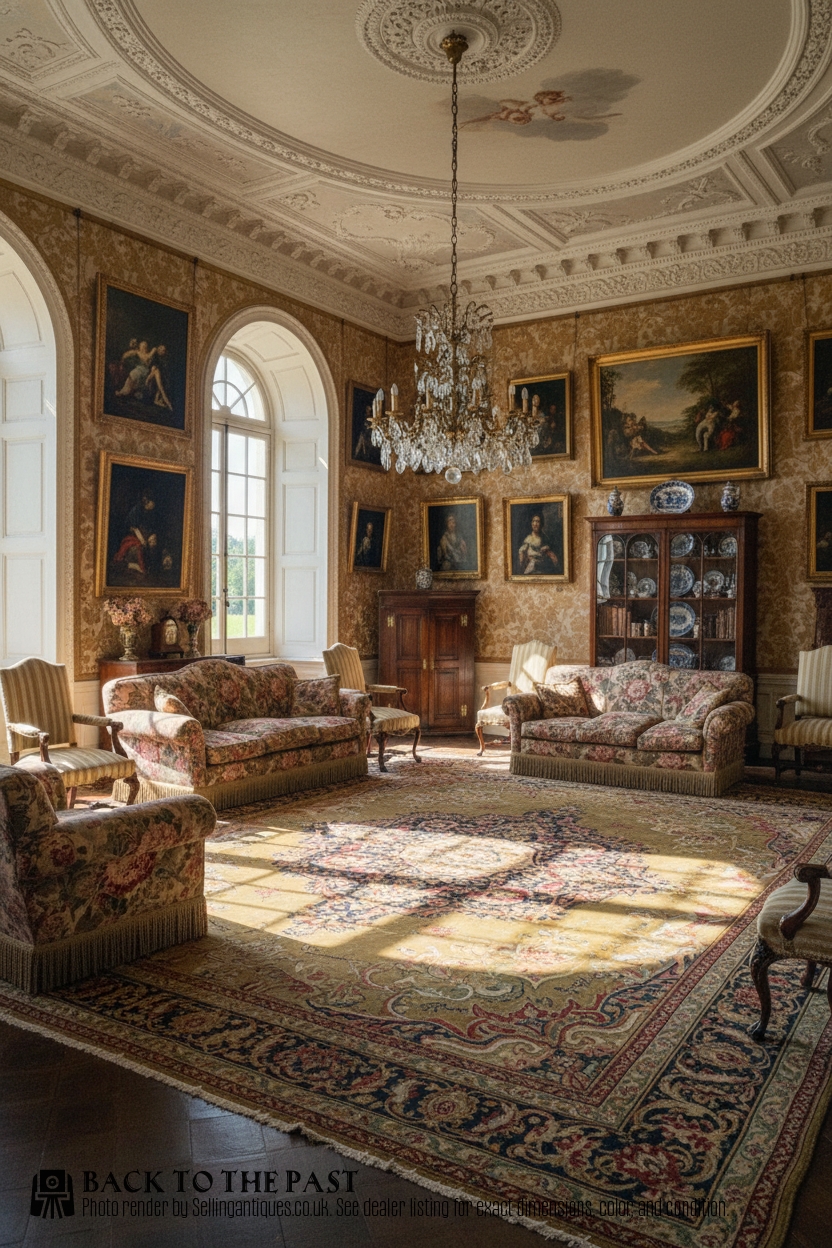
Georgian Oak Hanging Corner Cupboard, Georgian
Priced at £295 from In A Nutshell Antiques and Interiors
Early Georgian cupboards often replaced chests for storing textiles. Vertical storage made far more sense in a busy eighteenth-century household.
Regional differences dictate the style. Urban examples follow strict architectural lines, while country pieces hold onto earlier provincial quirks much longer.
By the later part of the century, these large forms began adapting to fit alcoves and specific room layouts.
Built-in versions were standard in larger townhouses. Freestanding variations survive better because owners could take them when moving.
Palladian influence shows heavily in mid-century pieces through deep cornices and classical proportions.
Most domestic Georgian cupboards lack a maker stamp. The provincial trade relied on local joiners rather than famous cabinet-makers to supply these workaday pieces.
Welsh or northern English origins are likely when you spot heavy oak construction mixed with deep, traditional carving.
London workshops sometimes produced refined mahogany press cupboards. Thomas Chippendale supplied large architectural examples to aristocratic clients, though everyday versions came from anonymous parish craftsmen.
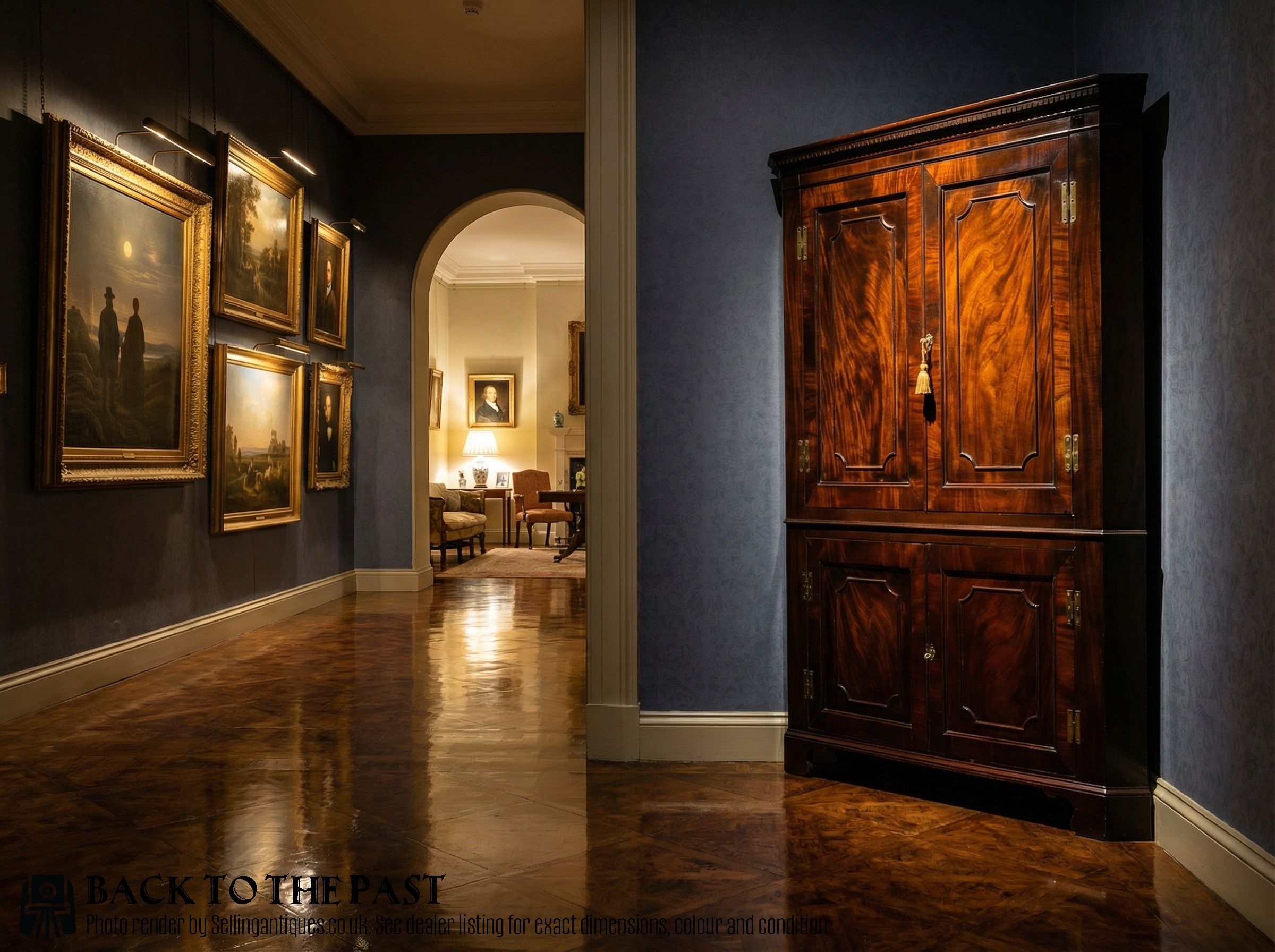
George III Mahogany Corner Cupboard C.1770., 1750
Priced at £1,985 from Roy Precious - Antiques & Fine Art
The 2026 retail price guide for Georgian Cupboards is drawn from a proprietary archive of over 1.1 million retail prices indexed by Sellingantiques since 2003. This guide relies exclusively on their own internal data; no external sources or auction records are used.
Analysing nearly 25 years of UK antique market history alongside current retail values, the data indicates that typical UK retail prices for Georgian Cupboards range between £600 and £3,700. Entry-level prices generally fall under £600 and premium examples upwards of £3,700.
Panel doors are the main visual focus. Fielded panels with raised centres appear on oak pieces, while flat mahogany panels often feature applied moulding.
Open a pair of doors. You should find fixed shelves inside, sometimes with a row of small internal drawers tucked beneath the middle shelf.
Bracket feet carry the weight. Ogee profiles turn up on later, more urban examples to soften the heavy block base.
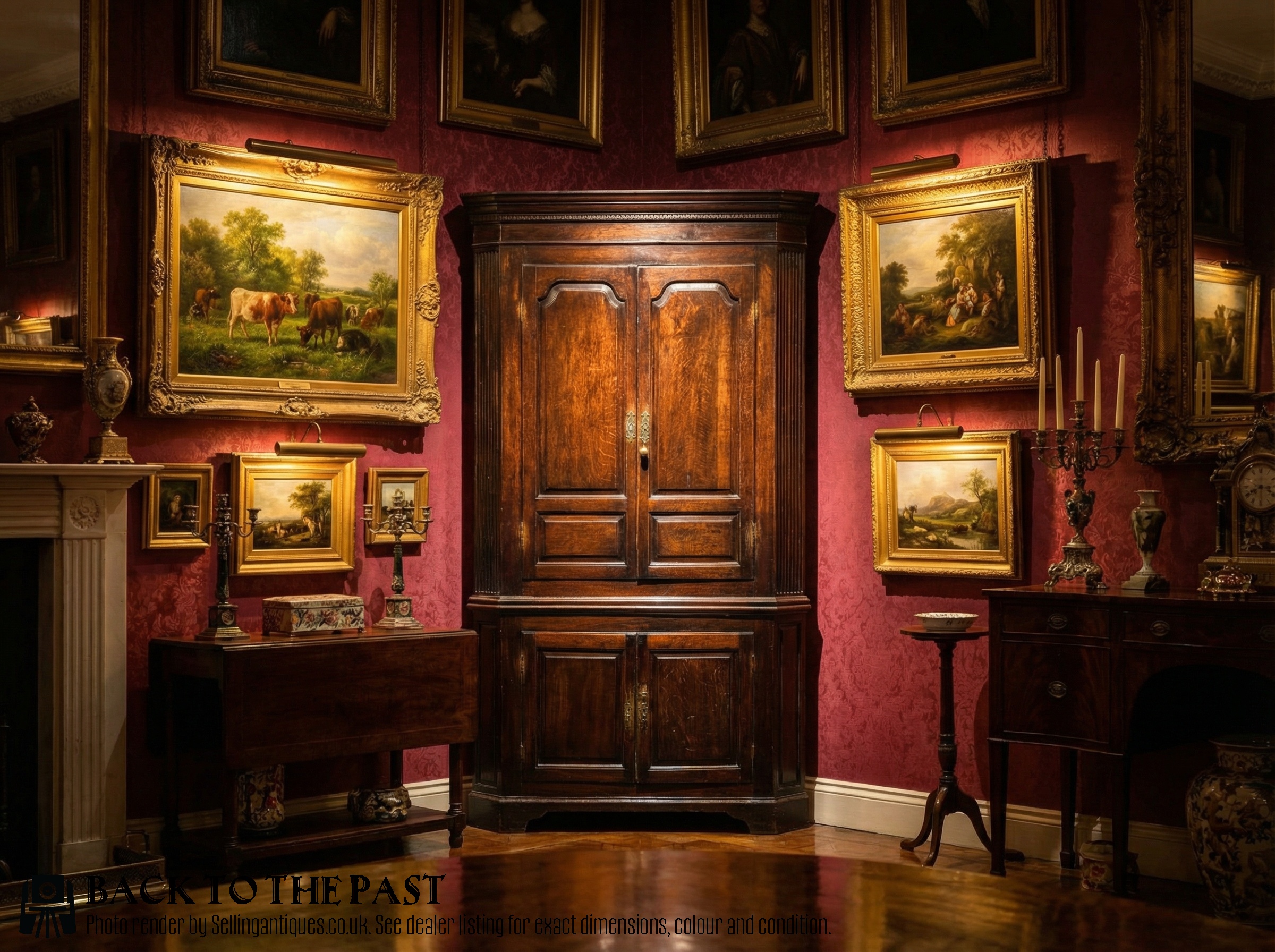
Georgian Oak 2 Part Corner Cupboard, Georgian
Priced at £650 from Rupert Hitchcox Antiques
Pegged mortise and tenon joints hold the door frames together. You can often see the wooden dowels slightly raised on the surface as the timber shrinks.
Drawer boxes show early hand-cut dovetails. The pins are thicker and less refined than those from the Victorian period.
Backboards were typically rough-sawn and nailed directly into the rebate of the carcase.
"Many large examples dismantle into two halves. This clever design allows them to pass through narrow staircase turns in smaller period cottages."
"Original internal wooden pegs survive in some provincial pieces. They offer a direct link to how early households hung their heavy woollen garments."
"The wide backboards often show the original saw marks from the pit sawyers who first cut the tree."
Based on almost 25 years of Sellingantiques UK antique market data, Georgian Cupboards appeared 4665 times (out of 1,100,000 antiques) which gives it a rarity score of 39/100.
This score measures scarcity within the Sellingantiques archive only and is not a survey of the entire antiques market, so these statistics may not be indicative of the general availability of Georgian Cupboards elsewhere.
Dust it regularly with a dry, soft cloth. Avoid spray polishes, as they leave a sticky silicone residue that builds up over time and dulls the finish.
Once or twice a year, apply a thin coat of good quality beeswax polish. Let it sit for twenty minutes, then buff it out along the grain. This feeds the timber and maintains the historic patina.
Check the hinges first. Loose brass screws often cause the door to drop and bind against the frame. Tighten them carefully.
If the wood has swelled from humidity, rub a candle stub along the binding edge. The wax acts as a dry lubricant.
Most period floors are uneven, and period furniture is used to it. A large carcase will almost always wobble if you just set it down on old floorboards. If you leave it twisted, the doors won't shut properly.
Use small wooden wedges or folded card under the feet. Slip them in until the piece sits firm and the doors align neatly in their frame. You can trim the wedges back so they don't show.
Many Georgian cupboards are surprisingly shallow. They were built to hold folded linens or peg-hung garments rather than modern coat hangers on a rail. A standard hanger needs a certain depth to clear the doors.
Measure the internal space before buying. If the depth falls short, you can hang clothes on a slight angle, but it isn't ideal. They work much better fitted with shelves for folded items.
Please note: This Georgian Cupboards guide and its associated pricing data are provided for general informational purposes only. It does not constitute formal financial, investment, or appraisal advice and should not be relied upon as the sole basis for any commercial activity, purchasing, or sales decisions. Sellingantiques.co.uk accepts no liability for any actions taken in reliance on this information. Always consult with a qualified professional or independent appraiser.
